REVIEW · LONDON
Jack The Ripper Tour in London’s East End
Book on GetYourGuide →Operated by Brit Movie Tours · Bookable on GetYourGuide
London turns into a crime scene.
This 2-hour East End walk tracks the autumn of 1888 as you move through Whitechapel streets that still feel familiar, from dark passages and alleys to the places tied to the murders. I love the basic idea: you are not just hearing a legend, you are seeing the streets and corners where the story unfolded. I also like that the tour leans on documentary-style storytelling, using still photos and letters as part of the evidence.
I especially like the focus on Goulston Street and how the guide explains both clues and non-clues. You will also hear how the public reaction shaped the case as it moved from real events into a genre of its own. One drawback to consider: this is a walking tour built around gruesome crimes, and it is English only, so if you want something light or you prefer non-graphic storytelling, you may want to think twice.
In This Review
- Key highlights at a glance
- Starting at 182 Bishopsgate: the meeting point that sets the tone
- Whitechapel on foot in autumn 1888: how the route works
- Goulston Street: clues, non-clues, and why this spot is a magnet
- Murder-site seeing: what you get from walking the places themselves
- Documentary photos and letters: when the case shifts into evidence
- Your guide matters: the storytelling style that keeps you listening
- Practical tips so you enjoy the walk, not just survive it
- Price and value: is $22.90 for two hours a fair deal?
- Who this tour suits best
- Should you book this Jack the Ripper walking tour?
- FAQ
- How long is the Jack the Ripper tour in London’s East End?
- Where do I meet the guide?
- What is the end location?
- Is the tour guided or self-guided?
- Is the tour available in languages other than English?
- What are the main places and topics covered?
- How much does it cost?
- Are there multiple starting times?
- What is the cancellation policy?
- What kind of group size should I expect?
Key highlights at a glance
- Goulston Street clues and non-clues explained in plain terms, right at the place in question
- Actual murder sites tied to Jack the Ripper and other killings thought to be connected
- Still photos and letters used as documentary evidence during the walk
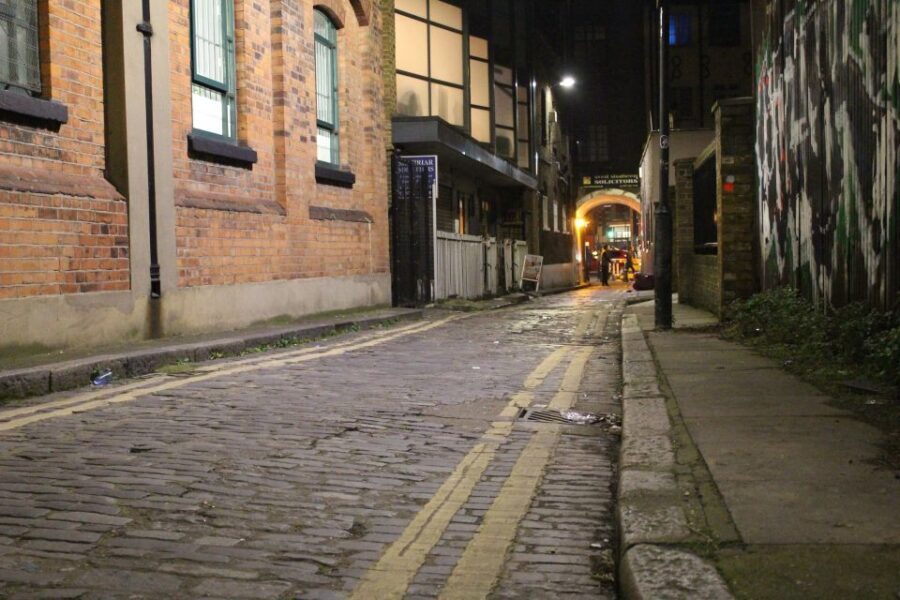
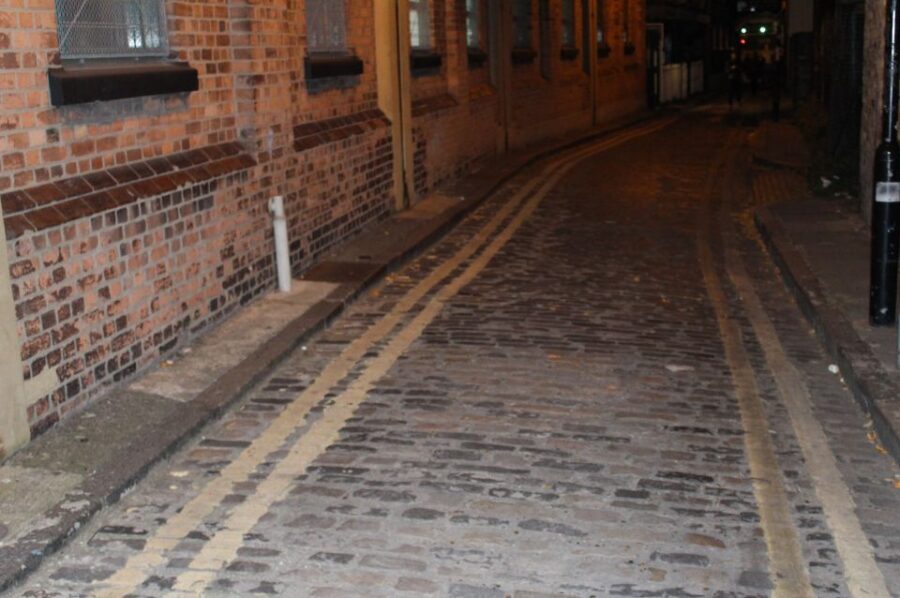
- Dark alleyways and passages you can picture the victims recognizing
- Guides who drive the story with a mix of humor, careful pacing, and Q-and-A energy
Starting at 182 Bishopsgate: the meeting point that sets the tone
The tour starts at 182 Bishopsgate, City of London police station area, right near where you can orient yourself fast if you are coming from Liverpool Street. You meet your guide 10 minutes early, and the meeting point is described as to the left of the station entrance.
This matters more than you might think. In London, a small delay at the start can turn into a lot of stress later—especially on a walking tour where the pacing is the point. If you arrive and do not see your guide immediately, use the nearby landmarks as your backup plan. One past group noted that the guide wait area can be easy to miss, and looking across Bishopsgate near the police station area helps you regroup quickly.
The first few minutes are also a mental switch. You step out into a real, working part of London, and the guide quickly frames what you are about to see: the East End in 1888, where fear traveled through the neighborhood as fast as rumors.
You can also read our reviews of more tours and experiences in London.



Whitechapel on foot in autumn 1888: how the route works
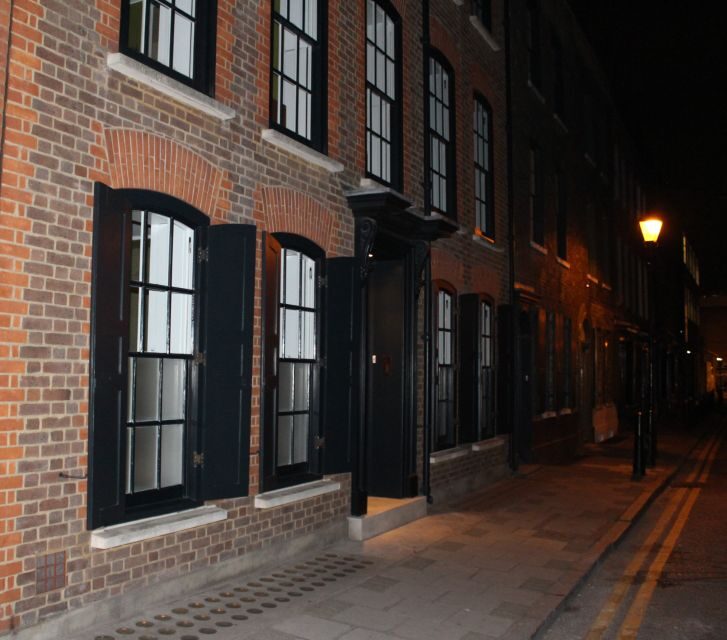
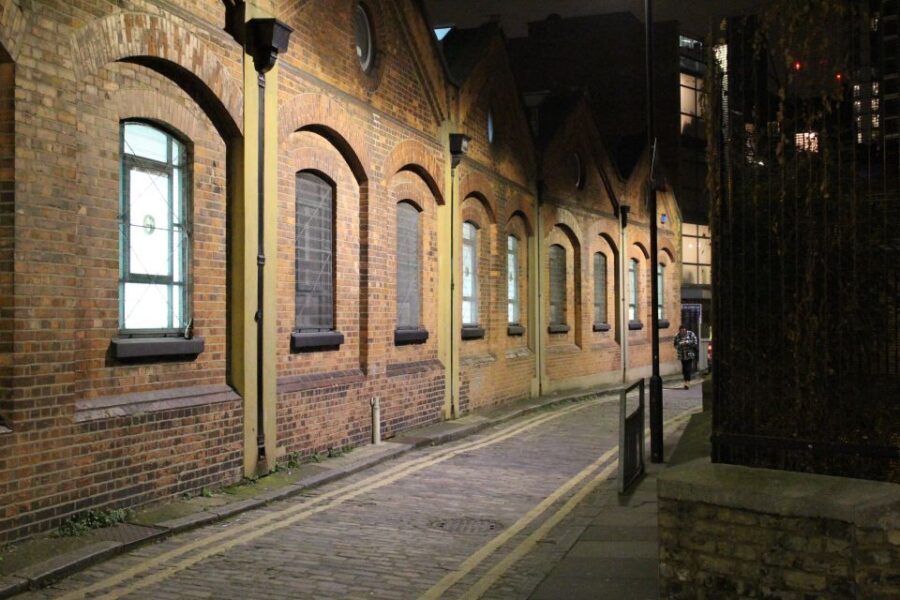
You cover about two hours on foot, following the footsteps of Jack the Ripper and his victims in the Whitechapel district. The tour is designed around movement, not just stops. You will walk the streets victims walked, and you will pass through narrow passages and alleys that help the story land in your body, not just your head.
You should expect a steady walking rhythm. This is not a sit-down lecture where you can drift in and out. The benefit is that it keeps the mystery grounded in geography: every time the guide mentions a location, you are right there, looking at the street-level reality.
A practical consideration: because this is a crime-story walk, the mood is intentionally serious. Some guides use dry humor, and some use darker storytelling approaches, but the goal stays the same—help you connect history to place. One review singled out that the guide’s humor and respectful tone made it easier to handle the subject while still feeling the weight of it.
Goulston Street: clues, non-clues, and why this spot is a magnet
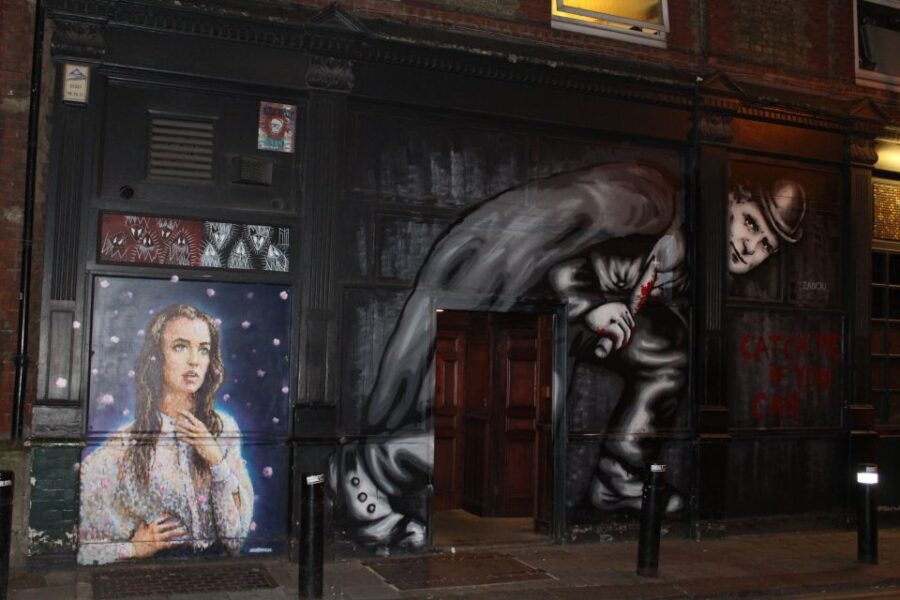
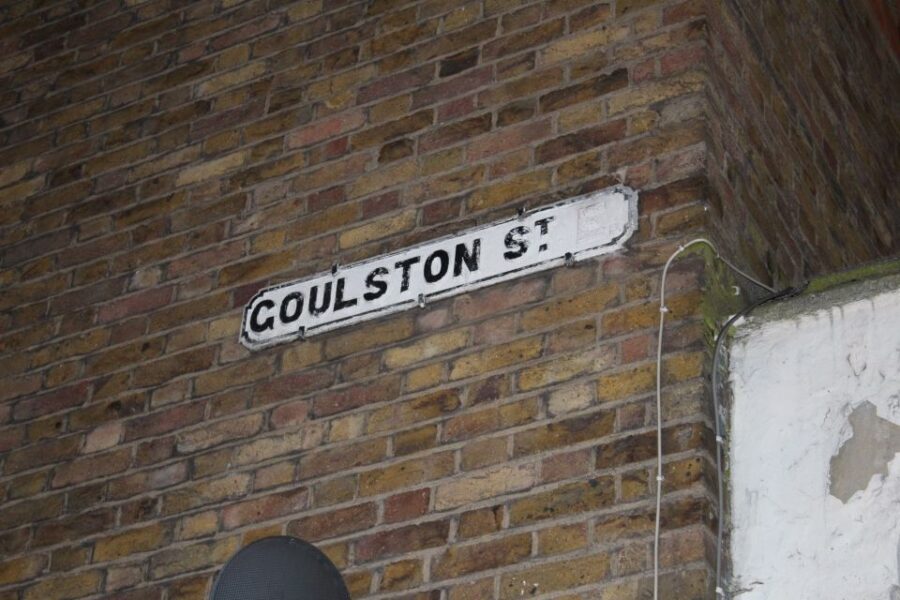
If there is one location that anchors the tour’s mystery angle, it is Goulston Street. You will learn about the clues and non-clues tied to the case, and the guide helps you sort what is evidence from what is noise.
This part of the experience is valuable because it slows the story down. Jack the Ripper tales can turn into pure myth, where every detail becomes dramatic and no detail is verified. The Goulston Street segment pushes back against that instinct. Instead of only repeating popular ideas, you get a structured look at the signals that were taken seriously at the time and the parts that were treated differently—or argued over later.
Also, being at the actual street helps. Even if the architecture has changed over 120 years, the street logic still makes sense: corners, sightlines, movement, and the general feel of the area. That is where the tour becomes more than entertainment. It becomes a detective exercise with real-world constraints.
Murder-site seeing: what you get from walking the places themselves
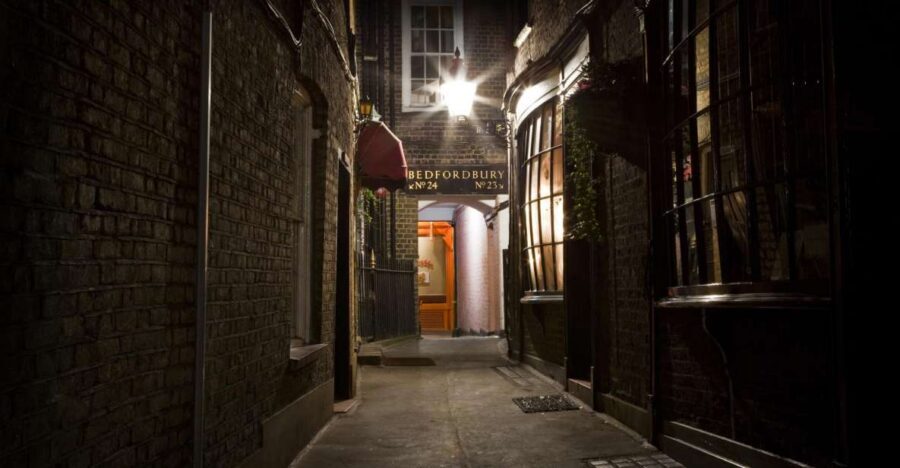
A core promise of this tour is visiting the actual murder sites tied to Jack the Ripper’s victims, plus other killings believed to be connected. That choice changes the experience from “storytime” into “place-based history.”
Here is why that matters for you. When you hear about crimes in a book or on a screen, the settings are background. On this tour, the setting is part of the argument. You can look at the street, imagine the timing pressures, and understand why certain areas were feared or why rumors spread so quickly.
The tour also does something important with expectations: it does not treat every related killing as solved fact. You learn about the mysteries and rumors that have persisted for over a century, and you hear how the case evolved into a hunt for identity that never resolved.
One review noted that a few elements are inevitably left out because the walk has limited time. That is normal. You will not see every debated detail about every case. You will, however, see the main geography and hear the key mystery thread that holds the evening together.
Documentary photos and letters: when the case shifts into evidence
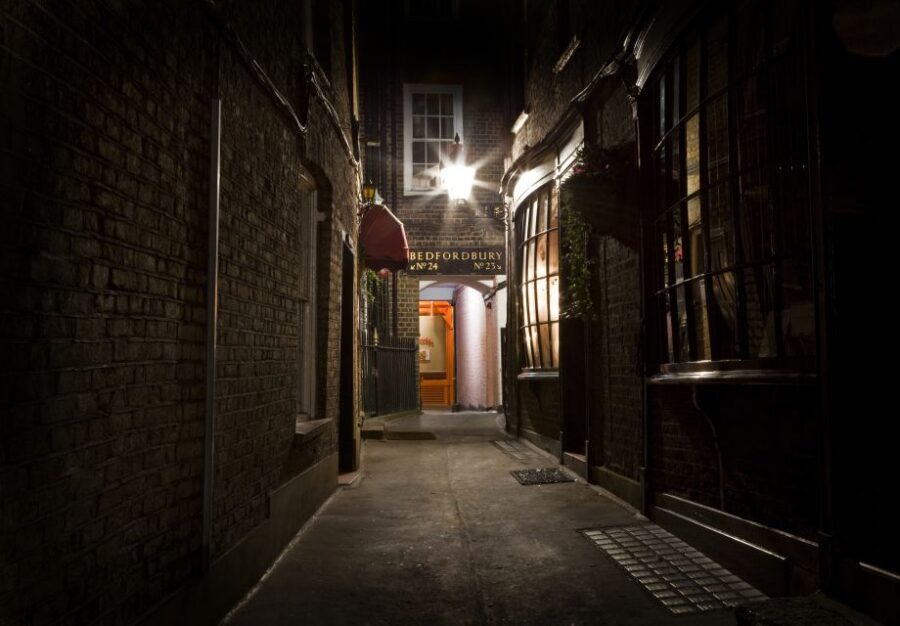
One of the most distinctive features is the use of still photos and letters as documentary evidence during the tour. That is a smart design choice because it breaks the pattern of pure storytelling. You get something more concrete to react to.
When you see historical photos or letters referenced while standing near related streets, the effect is sharper. It becomes harder to treat the crimes as distant horror-fantasy. The guide links the evidence to what you are seeing outside, which helps you keep track of the timeline rather than drowning in atmosphere.
You should also know that this is not graphic theatre. The tour is about evidence, history, and mystery context. Still, it is built around disturbing events, so keep your own comfort level in mind.


Your guide matters: the storytelling style that keeps you listening
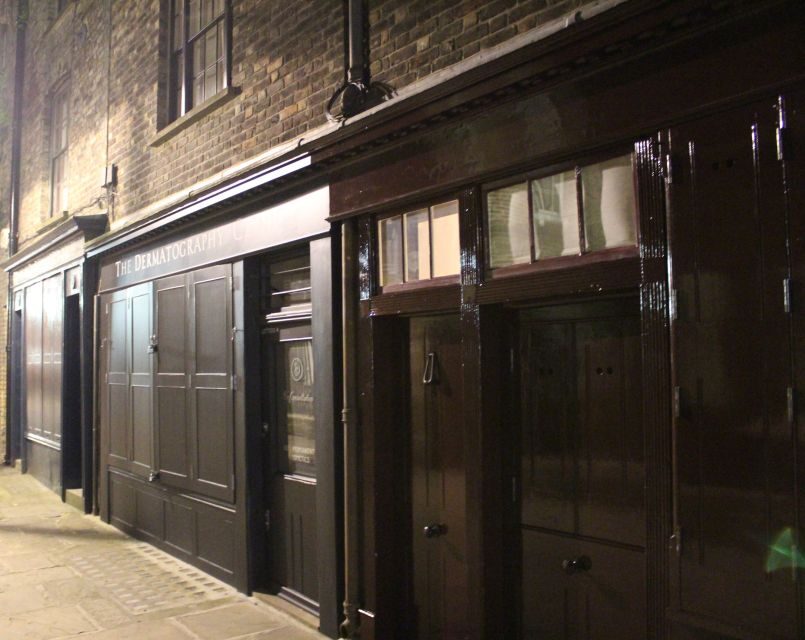
This tour runs with a professional guide, and the guide quality seems to be a big reason people rate it so high. Names that have led groups include Ian, Rory, Jed, Chris, Jericho, Konstantin, Michael, Eva, and Jeremy. Since guides vary, think of this as a format that fits different personalities, but still aims for the same core goal: make the mystery clear and the walk engaging.
From what you can infer from the tour experience, the guide role is not just reciting dates. Guides tend to:
- weave history into what you are walking past
- explain theories without turning them into wild guessing
- keep an ear out for the group’s questions and pacing
Language is also part of this equation. The tour is English only, and one review praised how the guide spoke clearly enough for non-native English speakers. If you have basic English comfort, you should be able to follow the story without feeling lost.
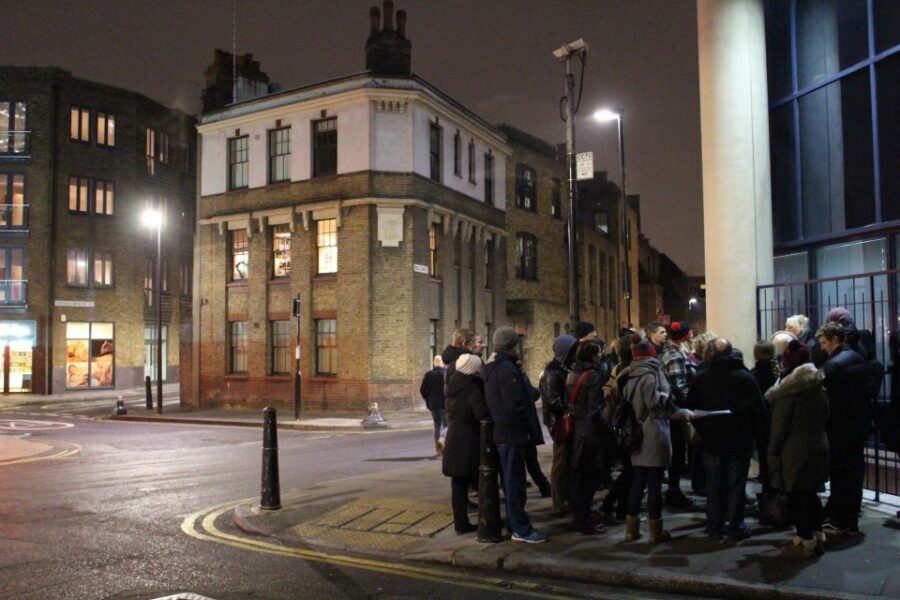
A small-group feel is another big plus mentioned in the feedback. That matters on this kind of tour because you want to hear the guide over street noise, and you want to keep up with where the group is heading next.
Practical tips so you enjoy the walk, not just survive it
A Jack the Ripper walk is still a London street walk. Plan for the simple stuff so you can focus on the story.
- Wear comfortable shoes. Two hours on pavement adds up, and you will not want to stop every ten minutes.
- Bring a layer and rain protection. One group got drenched, and the guide’s enthusiasm still made it worth it. A compact rain jacket or poncho can save your mood.
- Go in prepared for dark subject matter. The tour leans into the crimes and the fear they caused. If you prefer light sightseeing, this will feel heavy.
- Arrive a little early. Meeting at 182 Bishopsgate is straightforward, but it helps to be ready so the guide can start on time.
If you want the experience to feel rewarding, treat it like a mystery game. The best payoff comes when you listen for the parts that the guide frames as solid clues versus the parts that remain uncertain.
Price and value: is $22.90 for two hours a fair deal?
At $22.90 per person for a 2-hour professional guided walk, the value comes from three things you can actually feel on the ground:
- Place-based storytelling: you are walking real streets rather than sitting through a slideshow.
- Special segments like Goulston Street and the use of still photos and letters as evidence.
- A guide who manages the story so you do not end up with chaos or only-popular myths.
Two hours is also a practical length. Long enough to build momentum and see multiple locations, short enough that you do not spend your entire day on a single topic.
If you are a fan of the case, this price is a small-ticket way to turn the legend into an actual walking map. If you are on the fence, it still can be worth it because the tour teaches you how the mystery grew, not just who people claim it might have been.
Who this tour suits best
This is a strong fit if you:
- like true-crime history and mystery stories grounded in real locations
- enjoy walking tours where the streets help you understand the narrative
- want a guide-led explanation of famous spots like Goulston Street, including what is debated and what is less certain
You might skip it if you:
- dislike walking in the city for extended stretches
- get uncomfortable with topics involving murder and fear
Should you book this Jack the Ripper walking tour?
I think you should book if you want a focused, guided East End experience where the streets, clues, and documentary evidence work together. The format is simple, the time is manageable, and the guide interaction seems to be a major strength, with clear storytelling and small-group energy showing up again and again.
If your goal is a gentle, feel-good London afternoon, this is not that tour. But if you want to understand why Jack the Ripper remains unsolved in public imagination, standing in the same streets and hearing the case handled like an evidence puzzle is exactly the point.
FAQ
How long is the Jack the Ripper tour in London’s East End?
The tour lasts 2 hours. Starting times vary, so you should check availability for the time options.
Where do I meet the guide?
Meet your guide 10 minutes early to the left of the entrance of the City of London police station, 182 Bishopsgate, London EC2M 4NP.
What is the end location?
The tour ends back at the same meeting point.
Is the tour guided or self-guided?
It is a live guided walking tour with a professional guide.
Is the tour available in languages other than English?
This tour is conducted in English only.
What are the main places and topics covered?
You visit murder sites connected to Jack the Ripper and others thought to be linked, plus you learn about Goulston Street, including the clues and non-clues. You also see still photos and letters as documentary evidence.
How much does it cost?
The price is $22.90 per person.
Are there multiple starting times?
Yes. The activity notes check availability to see starting times.
What is the cancellation policy?
There is free cancellation up to 24 hours in advance for a full refund.
What kind of group size should I expect?
The tour is not described in exact numbers in the provided details, but feedback highlights a small-group feel, which helps with hearing and following the guide.