REVIEW · LONDON
Jack the Ripper tour in Spanish
Book on GetYourGuide →Operated by See Your City · Bookable on GetYourGuide
Some stories like the dark.
This Jack the Ripper walking tour in Spanish takes you into Victorian Whitechapel after hours, using real locations tied to the 1888 murders and the fear they caused. I especially like how the guide frames the case with clear context about poverty, overcrowding, and crime in the East End. You also get a Ripperologist-style storytelling approach that keeps the mystery moving instead of turning into a list of dates. One thing to consider: the tour includes discussion of real historical murders, with graphic details and visual content, so it may not fit everyone.
Iván’s Spanish narration can be a big part of the magic. If you’re the type who asks questions, you’ll likely appreciate how openly the guide explains theories about the killer, the police investigation, and the suspects that have fascinated people for more than a century. The downside? Since it’s entirely outdoors, you’ll want to dress for the weather and accept a night walk on public paths with varying conditions.
In This Review
- Key highlights before you step into Whitechapel
- Two hours in Whitechapel: what you’re really signing up for
- Meet by Altab Ali Park, then walk with a story from the start
- Whitechapel at night: the East End lens the guide keeps using
- Ten Bells Spitalfields: why the route returns here
- Christ Church Chelsea and Mitre Square: the case beyond the street-level clues
- Brick Lane walk-through: theories, suspects, and the tension of unanswered questions
- The guide matters: Ripperologist style with Iván in Spanish
- How the tour handles victims, fear, and the mystery without getting silly
- Is $24 good value for a 2-hour Spanish walking tour?
- Practical tips for an easy, comfortable night walk
- Who should book this tour, and who should skip it
- Should you book this Jack the Ripper tour in Spanish?
- FAQ
- Is the Jack the Ripper tour in Spanish?
- How long is the tour?
- What is the price per person?
- Where is the meeting point?
- Where does the tour start and where does it end?
- Which stops are included along the walk?
- Are food and drinks included?
- Is it suitable for children?
- Is the tour wheelchair accessible?
- What is the nearest Underground station?
- Is free cancellation available?
- Can I reserve now and pay later?
Key highlights before you step into Whitechapel
- Spanish guide storytelling that keeps the pace moving for a full 2 hours
- Ripperologist guide style with theories about the killer and police investigation
- Real 1888-linked locations around Whitechapel and the East End
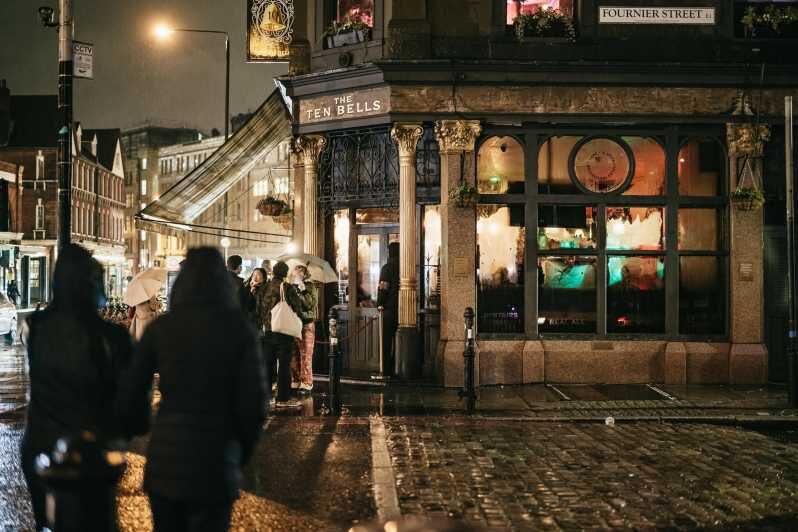
- Whitechapel landmarks worked into the route, with Ten Bells Spitalfields as the end point
- Outdoor, evening atmosphere designed for night-time walking
- Graphic content note: under 18 must be with an adult
Two hours in Whitechapel: what you’re really signing up for
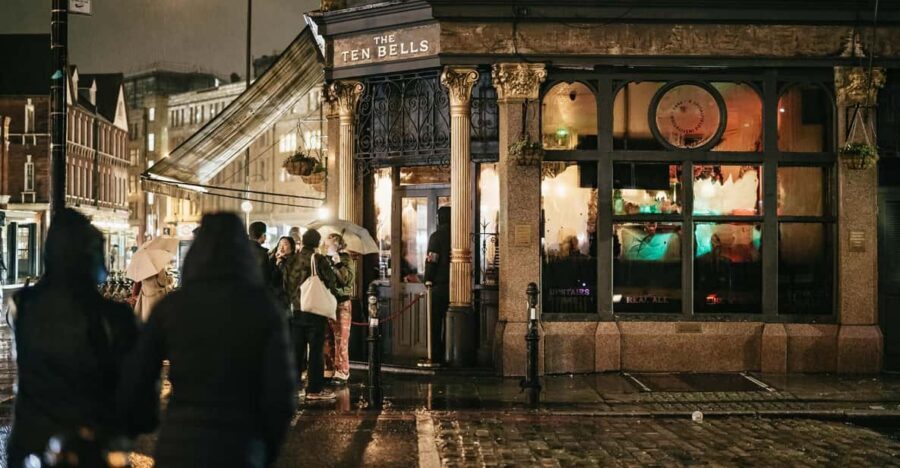
This is not a quick “sightseeing + facts” stroll. It’s a story-first evening walk through Whitechapel’s streets, where the guide turns history into a moving narrative you can follow block by block. You’ll hear about the infamous unsolved case from 1888 and how the victims’ lives were shaped by the harsh social conditions of the time.
The big value here is focus. In two hours, you won’t scatter across London. You’ll stay in a tight area and learn how one crime story snowballed into worldwide headlines, fear, and competing theories that still get debated.
If you like true crime, history, or the supernatural angle, this format fits well. If you’re hoping for a light, family-friendly walk, you should probably skip this one.
You can also read our reviews of more tours and experiences in London.



Meet by Altab Ali Park, then walk with a story from the start
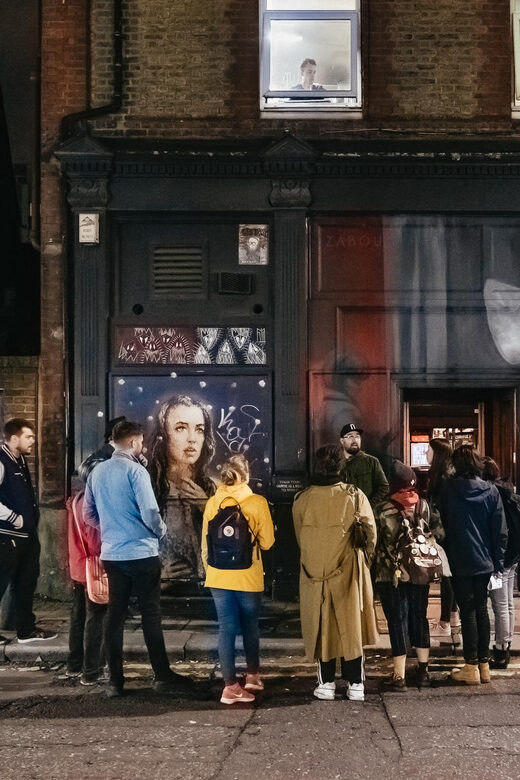
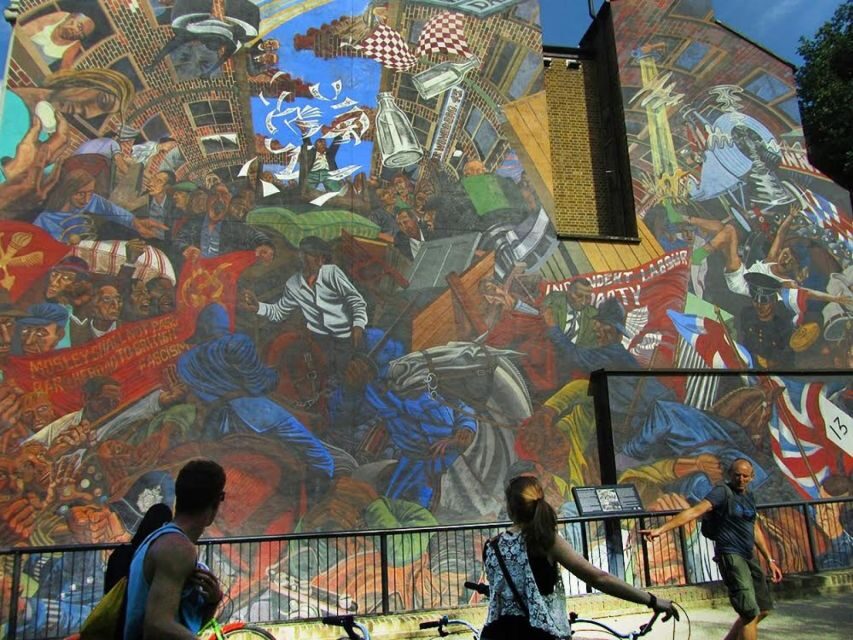
You’ll meet your guide at the west entrance to Altab Ali Park, at the large iron arch gate on the corner of White Church Lane and Whitechapel High Street. The nearest Underground station is Aldgate East.
The tour experience starts around St Marys Whitechapel Church Memorial, and from there you follow the route through Whitechapel’s key stops, finishing at The Ten Bells Spitalfields. That start-to-finish shape matters. Instead of hearing the story out of order, you get a route that makes it feel like you’re “passing through” the case rather than reading about it later.
Practical note: it’s a purely outdoor tour. That’s great for atmosphere, and it also means you should plan for chill air, damp pavement, and the kind of wind that seems personal.
Whitechapel at night: the East End lens the guide keeps using
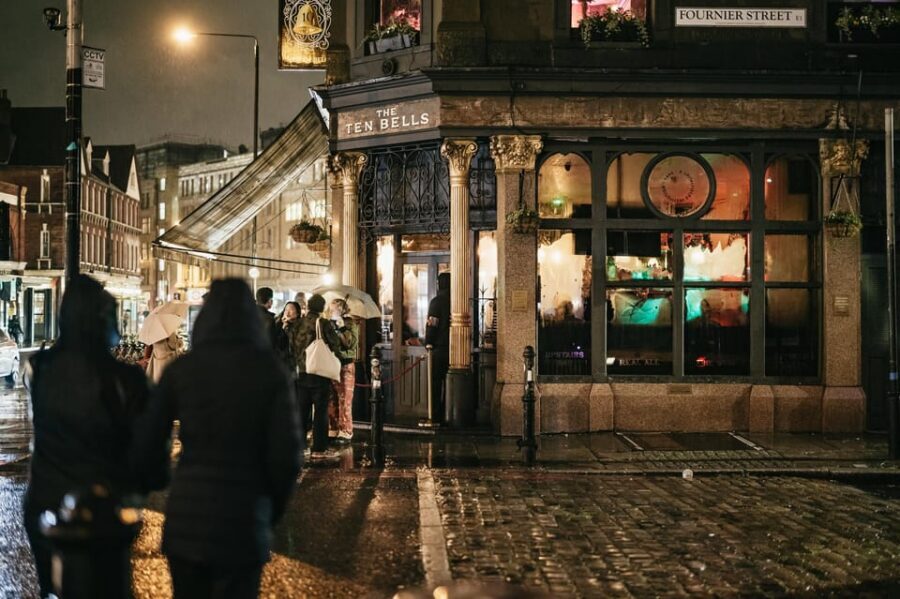
Early on, you pass through the Whitechapel area, and the guide’s job is to connect the streets to the pressures of 1888 life. Expect more than spooky narration. You’ll hear how poverty, overcrowding, and crime shaped daily survival, not just the sensational parts of the murders.
I like that this approach gives you a context you can hold onto. You’re not just chasing names and locations. You’re learning the environment that made the headlines so frightening and the investigation so complicated.
Also, Whitechapel’s layout helps the story work. Narrow streets and close buildings make it easy to imagine how events could unfold and how people might feel when fear spread fast.
Ten Bells Spitalfields: why the route returns here
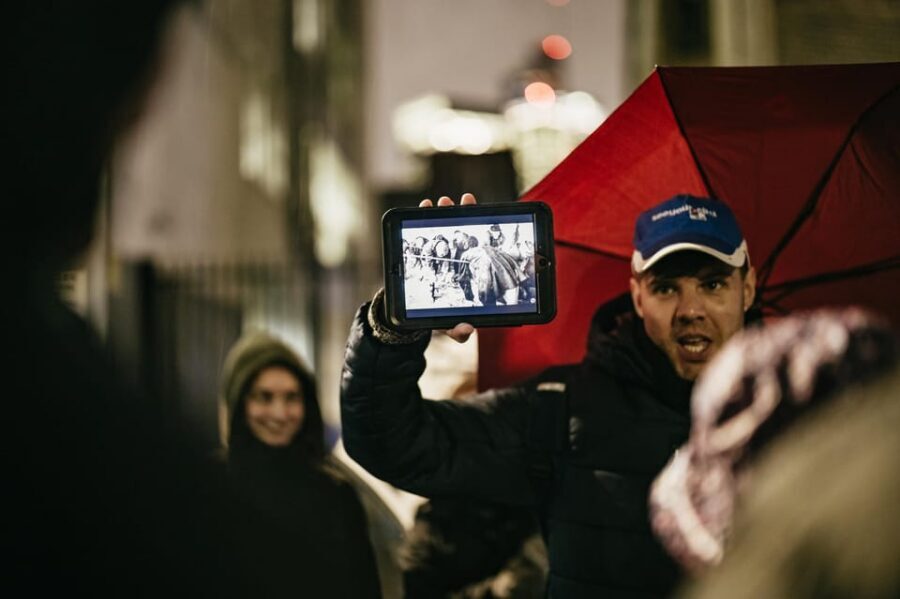
Ten Bells Spitalfields shows up more than once in the route: you’ll pass by it and then the tour finishes there. Ending at a specific landmark gives you a clean “wrap,” and it also helps your brain store the story in one place.
This matters if you’re the kind of person who likes to leave a tour with a mental map. You’re not just wandering and hoping you remember what you saw. You’re walking from start to finish with a known endpoint.
Since the tour is in the evening, the final stop also gives you time to reflect. You’ll likely have heard multiple theories by then, from identity ideas to how the police investigation may have been shaped by the era’s limitations.
Christ Church Chelsea and Mitre Square: the case beyond the street-level clues

You’ll also pass by Christ Church Chelsea and Mitre Square, and these stops are where the tour tends to widen its angle. Even without getting lost in details, these locations help show that the story wasn’t confined to one type of place.
The guide connects what you’re seeing to larger themes: the social conditions around the East End and the ripple effect of the murders through the city. That’s useful for you if you’ve ever wondered why true crime stories keep changing with each generation. The answer is that the environment around the case keeps influencing what people think they know.
Mitre Square, in particular, is the kind of place where the guide can connect movement and suspicion: how people talk, how rumors grow, and how investigations try to follow leads in a city where everyone hears everything.





Brick Lane walk-through: theories, suspects, and the tension of unanswered questions
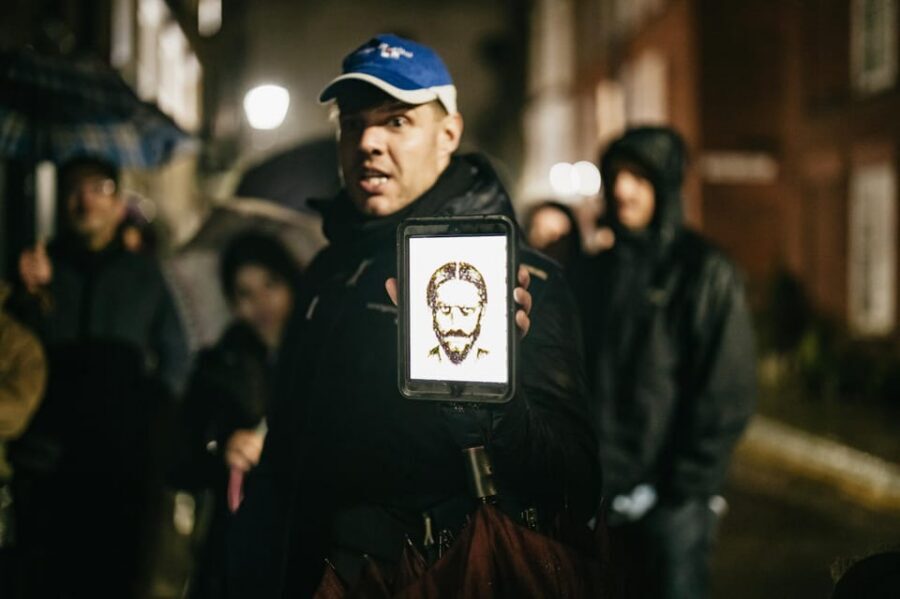
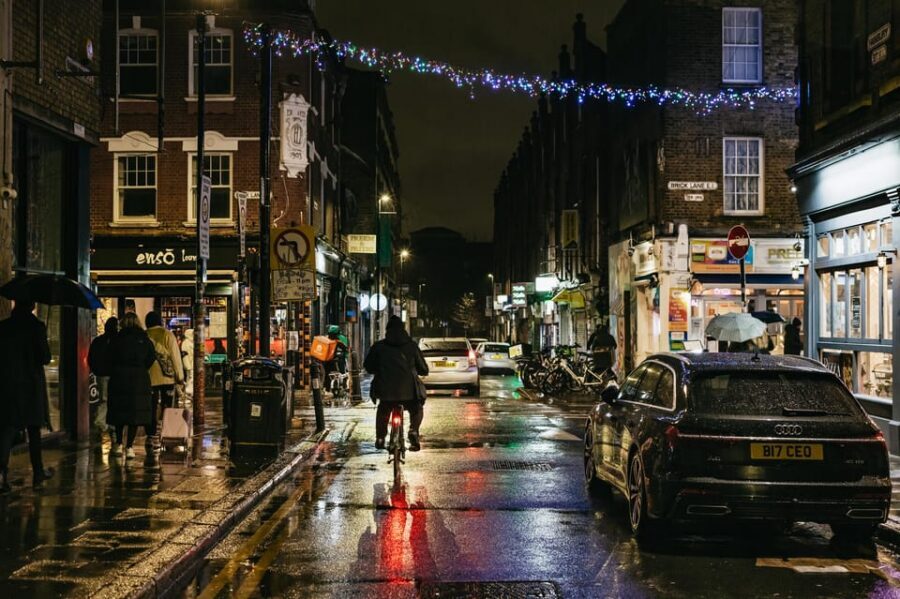
Brick Lane is the route stop that often feels like it belongs to the “modern London” version of the East End, which makes the night-time storytelling hit harder. You’re watching the same kind of street patterns that still shape how people move today, while the guide pulls you back to 1888.
This is also where you’ll hear some of the chilling theories that have fascinated historians and true crime fans for over a century. The guide covers the identity question, the police investigation angle, and the suspects that got attention then and afterward.
What I like about this portion is that it can feel like a conversation with the mystery. You’re not told one single answer as a fact. Instead, you get enough framing that you can see why the case remains unsolved in the first place.
The guide matters: Ripperologist style with Iván in Spanish
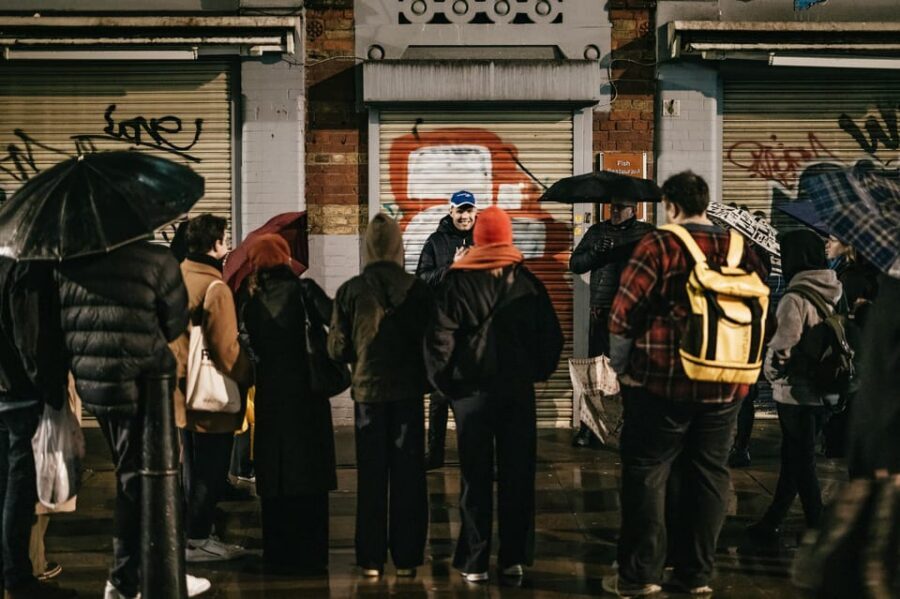
The tour is led by a Ripperologist guide, and the Spanish narration is a major selling point if you want to fully absorb the story instead of “half understanding” the details. The guide name that’s been highlighted is Iván, and the praise is consistent: precise explanations, strong historical context, and the way he makes the walk feel well prepared.
If your Spanish is solid, you’ll likely enjoy how the guide keeps the narration moving while still leaving room for questions. If your Spanish is basic, you can still track the structure: victims and their world, what the city feared, and why theories about the killer and suspects grew.
I also appreciate that the tour’s content is treated seriously. The storytelling style fits the subject. It’s not played as a prank, and it’s not sanitized either.
How the tour handles victims, fear, and the mystery without getting silly
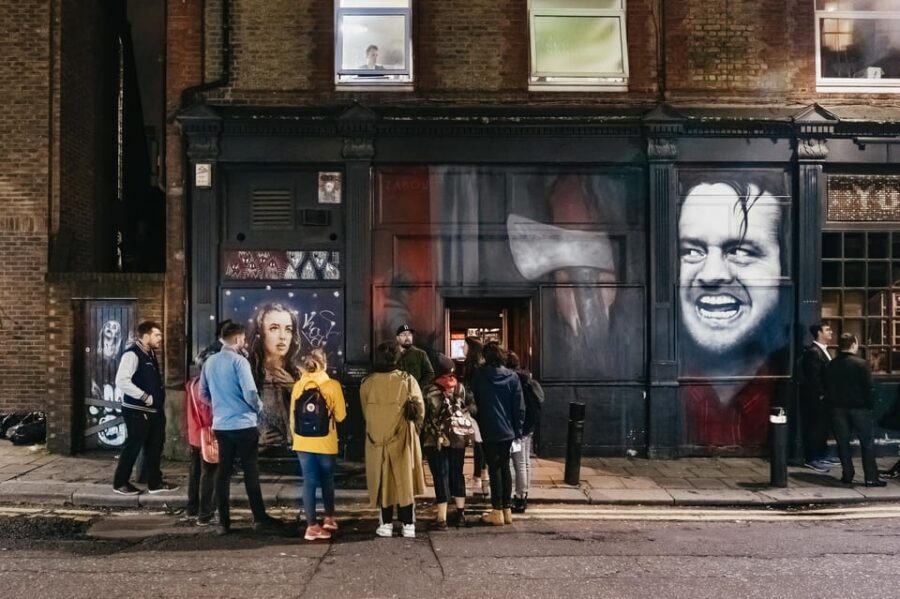
This is where the best tours earn their value: they balance atmosphere with restraint. You’ll hear about the victims and about how the wider East End conditions fed the fear. Then you’ll get theories—about the killer’s identity, the investigation, and suspects—treated as ideas with context, not just wild guesses.
That tone matters for you because Jack the Ripper is a case people can turn into entertainment fast. Here, the guide pushes you to understand why the story terrified the city in 1888 and why it still holds attention now.
You should expect a darker evening. The guide is not trying to lighten it. Instead, it helps you understand what kind of fear newspaper headlines can create when daily life is already hard.
Is $24 good value for a 2-hour Spanish walking tour?
For $24 per person and 2 hours total, I think the value is tied to two things: the focused route and the guide quality. You’re not paying for a long bus ride, and you’re not getting a generic overview of “Victorian London.” You’re paying for a guided narrative tied to specific places in Whitechapel.
Also, it being in Spanish is a practical value factor. Many London tours cater to English speakers first. If you want the full experience in Spanish, this is a straightforward win.
One tradeoff: food and drinks are not included. So your actual night cost may be a bit higher if you plan to grab something before or after.
Practical tips for an easy, comfortable night walk
Because it’s outdoors, your comfort depends on what you wear. Dress for the weather. Bring a warm layer even if the day felt mild earlier, and consider shoes with grip.
The pace is a walking tour, and it does include public paths. The tour is listed as wheelchair accessible and does not include stairs or many inclines, but conditions can vary along public walkways. If mobility is a concern, it helps to know you’ll be outside the whole time.
You’ll also want to plan for pacing and attention. Two hours can feel long if you’re cold or tired, and short if you’re engaged. This tour is designed to keep you engaged with stop-by-stop storytelling, so you’ll get more out of it if you arrive rested.
Who should book this tour, and who should skip it
This tour fits you if you’re into true crime, Victorian-era London, urban legends, or the supernatural angle. It also suits you if you like guides who explain context instead of only reciting names.
It may not fit you if you’re sensitive to graphic material. The tour contains discussion of real historical murders and includes graphic details and visual content. If you’re traveling with anyone under 18, they must be accompanied by an adult.
It also might not feel right if you want a light evening. This walk is built for darker themes, and the tone stays serious.
Should you book this Jack the Ripper tour in Spanish?
I’d book it if you want a concentrated, story-driven walk through Whitechapel with a Spanish-speaking Ripperologist guide, plus a route that ends back at Ten Bells Spitalfields so you leave with a clear sense of place. The best part is how the guide ties victims and fear to the social conditions of the East End, then keeps the mystery alive with theories about the killer and the investigation.
Skip it if you’re looking for family-friendly content, a quick photo tour, or something that avoids disturbing historical material. Otherwise, it’s a strong choice for an evening when you want London to feel like London, not just a checklist.
FAQ
Is the Jack the Ripper tour in Spanish?
Yes. The live tour guide speaks Spanish.
How long is the tour?
The tour lasts 2 hours.
What is the price per person?
It costs $24 per person.
Where is the meeting point?
Meet your guide at the west entrance to Altab Ali Park, by the large iron arch gate at the corner of White Church Lane and Whitechapel High Street.
Where does the tour start and where does it end?
It starts around St Marys Whitechapel Church Memorial and finishes at The Ten Bells Spitalfields.
Which stops are included along the walk?
You pass by Whitechapel, The Ten Bells Spitalfields, Christ Church Chelsea, Mitre Square, and Brick Lane, with Ten Bells Spitalfields as the finish.
Are food and drinks included?
No. Food and drinks are not included.
Is it suitable for children?
People under 18 must be accompanied by an adult. The tour includes graphic details and visual content, so it may not be suitable for young children or sensitive audiences.
Is the tour wheelchair accessible?
Yes, it is wheelchair accessible. The tour does not include stairs or many inclines, but it is outdoors and public paths can have varying conditions.
What is the nearest Underground station?
Aldgate East Station is the nearest Underground station.
Is free cancellation available?
Yes. You can cancel up to 24 hours in advance for a full refund.
Can I reserve now and pay later?
Yes. It offers reserve now & pay later, so you can book your spot without paying today.