REVIEW · LONDON
London: British Museum Highlights Guided Small Group Tour
Book on GetYourGuide →Operated by Babylon Tours London · Bookable on GetYourGuide
Five big objects. One clear story. This small-group highlight tour is designed to cut through the British Museum’s “how do I even start?” feeling, with a guide who strings together 6,000 years of human history using the most talked-about (and best-made) artifacts. You’ll spend focused time on standouts like the Rosetta Stone, Assyrian hunting reliefs, and the Parthenon Sculpture—plus other favorites that often include Samurai armor, the Lewis Chessmen, and the Oxus Treasure.
What I like most is the way the guide uses a tight selection of objects to make the museum feel understandable, not overwhelming. I also appreciate the serious but enjoyable tone—guides like Andy (one guest noted he has a PhD in history) and James H (praised for adding useful “tidbits” and context) keep the facts moving without turning the experience into a lecture hall.
One thing to consider: this is only 2–2.5 hours, so you’re not doing a whole-museum marathon. You’re choosing the highlights route. If you want to linger for an hour per room, you’ll need extra time on your own after the tour.
In This Review
- Key things that make this tour worth your time
- Why This 2.5-Hour British Museum Plan Works
- Semi-private size keeps the visit human
- Getting Around the Museum Without Feeling Like a Ping-Pong Ball
- What to bring (and what to skip)
- The Rosetta Stone Moment (Yes, the Rock)
- A quick reality check
- Assyrian Lion Hunt Reliefs: When Details Have a Story
- A practical tip for your own looking
- Parthenon Sculpture: How to Look at Big Art Sets
- What you’ll leave with
- Lewis Chessmen: Art History You Can Understand Fast
- If you like variety, this is your break
- Oxus Treasure: The Museum’s “Forgotten Empires” Thread
- Pair it with your own curiosity
- Samurai Armour and the Mummy of Katebet: Big Timeline Energy
- A note on tone that matters
- How Guides Keep Kids and Teens Interested
- Who this suits best
- Price and Value: Is $112 Worth It?
- Who Should Book This Tour (and Who Should Skip)
- Should You Book This British Museum Highlights Tour?
- FAQ
- How long is the London British Museum highlights tour?
- What are the main highlights included?
- Is hotel pickup included?
- What group sizes are available?
- Are large bags or luggage allowed?
- Is this tour suitable for wheelchair users?
Key things that make this tour worth your time

- Rosetta Stone, up close: you’re not just seeing it—you’re learning how it fits into the museum’s bigger story.
- Assyrian Lion Hunt reliefs: dramatic scenes explained clearly, with context that makes the details click.
- Parthenon Sculpture time: you get guided help for how to look at large sculpture sets.
- Lewis Chessmen: a famous puzzle object that turns art history into something you can actually picture.
- Oxus Treasure & global threads: the tour connects objects to “forgotten empires” rather than treating them as isolated trophies.
- Kid-to-adult pacing: guides repeatedly earn praise for humor and for keeping teens and children engaged.
Why This 2.5-Hour British Museum Plan Works

The British Museum is enormous, and without help you can end up sprinting between crowds and famous names, then leaving with half the impression you hoped for. This tour solves that problem with a practical rule: spend a short time with a short list of anchor objects, then get the context that ties them together.
At about 2–2.5 hours, it’s a sweet spot if you have limited time in London. It’s also a smart first stop if you plan to explore afterward, because the guide essentially gives you a mental map of what matters. You’ll likely walk with the group through key galleries and keep moving at a pace that feels purposeful, not rushed.
You can also read our reviews of more guided tours in London



Semi-private size keeps the visit human
You’re not stuck in a huge bus-tour crowd. Semi-private options cap at 8 guests, and private options run for a smaller group. That matters in a museum, because the best part of a highlight tour is time at the objects—time to hear the story and actually see the details.
Getting Around the Museum Without Feeling Like a Ping-Pong Ball
This is a highlight tour, so logistics are part of the experience. You’ll do a small amount of walking, and you’ll want comfortable shoes. The real win is how the guide keeps the group moving through busy galleries while still stopping long enough for you to actually focus.
A lot of guides here earn praise for exactly that: keeping momentum while still giving people their moment. Some guests specifically call out guides like Luis and Sheldon for navigating dense crowds smoothly and for managing time so the group got meaningful face time with the featured pieces.
What to bring (and what to skip)
Bring your passport or ID card. Skip large bags—luggage is not allowed. Also, there’s no hotel pickup or drop-off, so you’ll meet the group at a meeting point that can vary by option. In other words, come ready to walk once you arrive.
The Rosetta Stone Moment (Yes, the Rock)
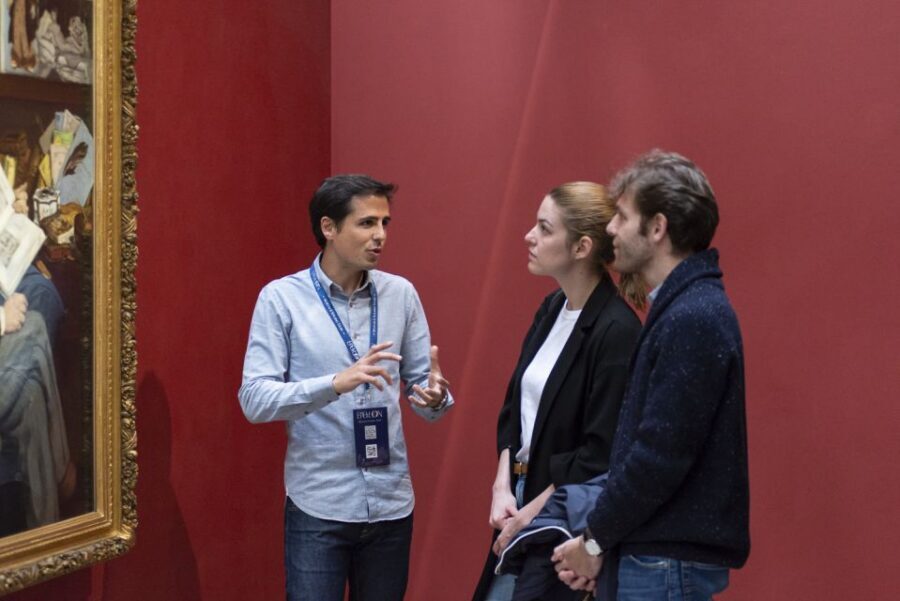
If you’ve only ever seen the Rosetta Stone in textbooks, seeing it in person is usually the shock of the whole trip. It’s an actual stone artifact, not an idea floating in your head. This tour starts with a strong anchor and then builds the surrounding context, which is what makes the experience stick.
Guides are praised for making these stops feel like more than “a famous object.” Instead of just pointing, they explain what you’re looking at and how it fits into the museum’s broader sweep—from older societies to later interpretations of the past.
You can also read our reviews of more museum experiences in London






A quick reality check
Even on a highlights tour, you won’t see everything. So the goal isn’t exhaustive study—it’s learning enough to enjoy the museum once you’re back on your own. The Rosetta Stone stop is timed that way: it sets the tone for how the guide will connect objects across cultures.
Assyrian Lion Hunt Reliefs: When Details Have a Story
The Assyrian Lion Hunt reliefs are the kind of object that grabs your eyes fast—action, motion, and a sense of drama carved into stone. The tour works because the guide uses that visual punch, then adds the interpretive layer that makes the scene more than just an impressive picture.
I like this stop especially because it’s an example of what the tour does well across the museum: it helps you notice the “why” behind what you see. Even if you’re not a total ancient-history person, you can follow along because the guide keeps the focus on what matters in the object’s meaning and context.
A practical tip for your own looking
When you arrive at these reliefs, take a few seconds to scan the whole scene before you focus on one figure. This tour style encourages that habit: you’ll usually hear enough context to know what to look for next.
Parthenon Sculpture: How to Look at Big Art Sets
Seeing major sculpture in a museum can be intimidating. You step into a room, you look at the scale, and you think you’re missing something because you don’t know the story. This is where a guide earns their fee: they help you see with structure.
The tour includes time for Parthenon Sculpture, and the way it’s handled tends to be practical. You’ll spend enough time to notice the composition and the craftsmanship, then you’ll get the historical framing that makes the sculpture feel like it belongs to a living human story instead of a distant “ancient culture” label.
What you’ll leave with
You won’t leave knowing every art-historical detail in the catalog. But you will leave knowing what makes the piece important and why the museum treats it as a centerpiece. That’s exactly the value of a highlights tour: you gain direction, not homework.
Lewis Chessmen: Art History You Can Understand Fast
The Lewis Chessmen are a perfect “wow” object for a guided visit, because you can actually understand the basic idea immediately: they’re chess pieces, they’re made with real skill, and they’re tied to a time period that feels far away—until a guide makes it feel close.
This tour doesn’t just toss facts at you. It aims to bring the objects to life with explanation you can actually process during a short visit. That’s why families repeatedly like this tour: even when the kids don’t care about every label, they still care about the human “what is this and why does it matter” questions.
If you like variety, this is your break
Chess is a change of pace from battle scenes and royal monuments. It gives your brain a different route into history—one that starts with everyday play and craftsmanship.
Oxus Treasure: The Museum’s “Forgotten Empires” Thread
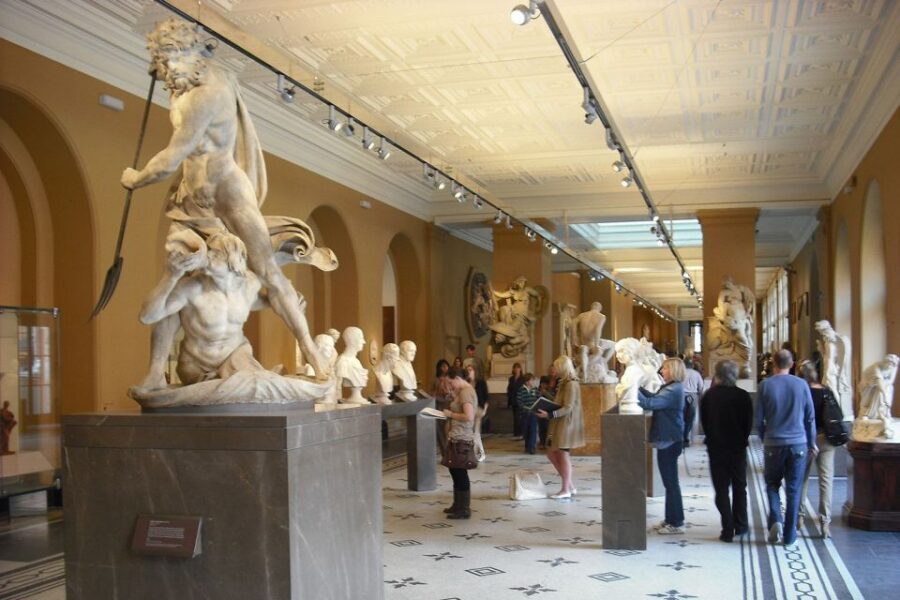
One of the tour’s themes is connecting objects to the sweep of human history, including places and eras that many people don’t encounter often on their first London trip. The Oxus Treasure is part of that approach, bringing you into a different region and a different type of artistry.
What I appreciate here is how the tour keeps you from compartmentalizing. You aren’t just collecting famous names. You’re learning how these objects sit inside a worldwide story—so the museum doesn’t feel like separate islands of culture.
Pair it with your own curiosity
After the guided segment ends, you’ll probably notice more on your own because the guide has trained your attention. For example, you may start looking for connections in style, materials, and themes rather than only searching for the “big five” labels.
Samurai Armour and the Mummy of Katebet: Big Timeline Energy
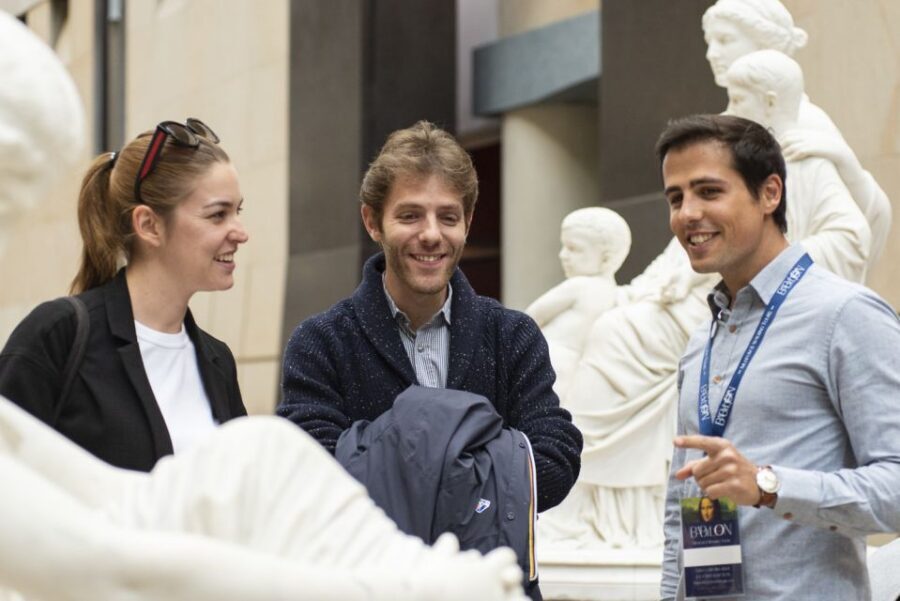
A good museum highlight tour has to handle jumps across time without losing you. This one typically includes stops such as Samurai Armour and the Mummy of Katebet, which are dramatic examples of how the museum stretches globally and across centuries.
The guide approach is what makes these stops work in a short time window. You get clear explanations that help you switch gears from one world to another without feeling lost. Some guests mention that guides use humor and storytelling to keep energy up—helpful when you’re moving through several galleries back-to-back.
A note on tone that matters
The guides are described as serious but enjoyable. That balance is important. If the tour were all jokes, you’d tune out. If it were all lecturing, you’d glaze over. The result is a visit that feels like history is a conversation, not a quiz.
How Guides Keep Kids and Teens Interested
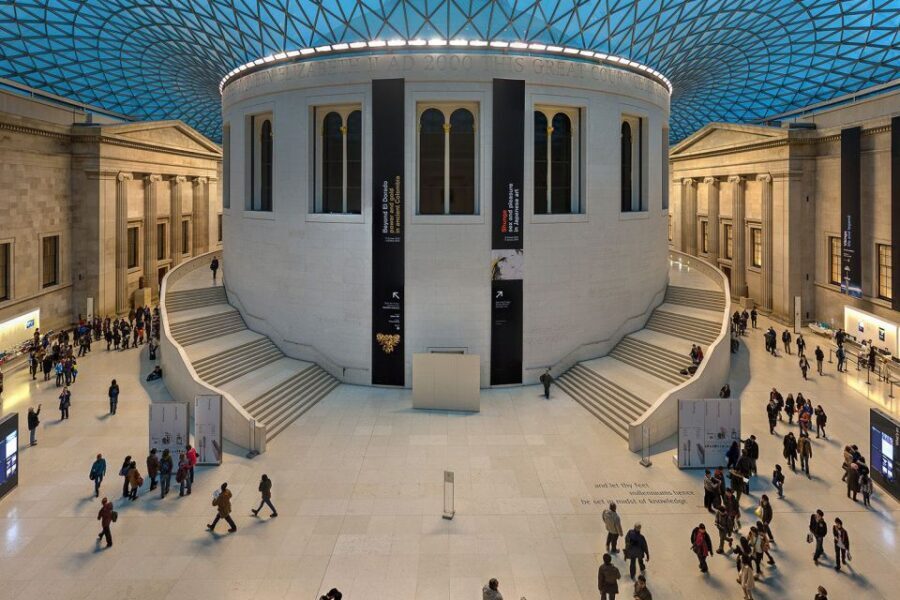
If you’re traveling with younger people, this is where the guide can make or break the tour. Several people mention that their children—some as young as about eight, plus teens—stayed engaged because the guide made objects understandable and added humor.
That shows up in the way people describe guides by name, like Alex, Becks, Evo, Stef, Sacha, and Matilda. The common thread: the guide doesn’t just recite information; they build curiosity. One recurring theme in the feedback is that guides keep asking for involvement, too—so the tour becomes something your group does together, not something you watch.
Who this suits best
This is a strong match for families and for history-curious travelers who want the highlights without drowning in details. If your idea of a good tour is “short, clear, and fun,” you’ll likely be happy with this one.
Price and Value: Is $112 Worth It?
At $112 per person for 2–2.5 hours, you’re paying for something you can’t fully DIY: a guided plan through a massive museum plus interpretive context at major objects. In practice, that means fewer wasted minutes wandering and more time understanding what you’re seeing.
What’s included is a professional local tour guide, and options include private or semi-private formats. What’s not included is hotel pickup/drop-off and food/drinks (unless specified by a particular option). So you’ll need to build your own London logistics around the tour.
The value question comes down to this: if you only have a half-day for the British Museum, you’re almost certainly better off with a guide to help you choose what to prioritize. If you have a full day and you love slow looking, you might decide to skip the tour and spend more time on your own. But if your time is tight, this format is a good deal.
Who Should Book This Tour (and Who Should Skip)
Book it if:
- You want a focused route through the museum’s most famous and impactful objects.
- You’d rather understand what you’re looking at than just read labels alone.
- You’re traveling with teens or kids and want the tour to work for mixed ages.
- You like small-group energy, not mass-crowd herding.
Consider skipping or adding extra museum time if:
- You’re hoping to see a massive chunk of the collection beyond the highlights.
- You’re the type who likes to linger long at every room, with no urgency.
- You need wheelchair access in a small-group format. (Wheelchair touring is only available as a private option.)
Should You Book This British Museum Highlights Tour?
I’d book it if you want to feel confident leaving the British Museum. This tour is built to help you walk away with a clear sense of what the museum contains and why specific objects matter. With guides who are praised for making stories engaging and for keeping the group on track, you’re likely to come out energized rather than overwhelmed.
If you only have a short window in London, this is one of the most sensible ways to experience the museum’s greatest hits without losing your day to indecision.
FAQ
How long is the London British Museum highlights tour?
The tour lasts about 2 to 2.5 hours.
What are the main highlights included?
The tour highlights typically include the Rosetta Stone, Assyrian Lion Hunt reliefs, Parthenon Sculpture, Lewis Chessmen, and Oxus Treasure. Samurai armor and the Mummy of Katebet may also be included.
Is hotel pickup included?
No. Hotel pickup and drop off are not included.
What group sizes are available?
You can book private options or semi-private options. Semi-private tours run with up to 8 guests.
Are large bags or luggage allowed?
No. Luggage or large bags are not allowed.
Is this tour suitable for wheelchair users?
Wheelchair access is only available as a private tour. A small-group or semi-private wheelchair tour is not offered.