REVIEW · LONDON
London: Apsley House Entry Ticket
Book on GetYourGuide →Operated by English Heritage · Bookable on GetYourGuide
Apsley House is the kind of place you walk past for years. Then you buy an entry ticket and realize you’ve been missing London’s best-dressed story of the Duke of Wellington. I love the opulent interiors and the way the rooms feel like a lived-in address, not a dusty exhibit. I also love the sheer scale of the collection, including major paintings by Velazquez and Rubens, plus the Waterloo Gallery centerpiece.
One thing to plan for: you’ll get more out of the visit if you pace yourself and use the in-house audio and staff help. If you’re looking for a quick, simple stop with no time spent looking closely, this may feel like a lot of rooms for one day.
In This Review
- Key things to know before you go
- Apsley House: why this “Number 1 London” address feels worth your time
- Getting your bearings inside the house (and why the Inner Hall matters)
- The art collection: where Velazquez, Rubens, and “wow” rooms collide
- Waterloo Gallery: the Duke’s legend, staged in a single room
- Beyond the paintings: china, silver, and the house as a display machine
- Lighting, electricity, and a small story that makes the house feel real
- The Canova sculpture moment: Napoleon as Mars (and that fig leaf detail)
- Basement Gallery: rarely seen pieces and a quieter kind of wow
- What the experience feels like in real life: guides, audio, and your pace
- Planning a London day around Apsley House ticket value
- Timing tips: opening hours can shift, so check your date
- Who should book this Apsley House entry ticket
- Quick reality check: food, breaks, and the one practical snag
- Should you book Apsley House tickets?
- FAQ
- FAQ
- What is Apsley House?
- How much does an Apsley House entry ticket cost?
- How long is the ticket valid?
- What can I see inside Apsley House?
- Is the visit self-guided or guided?
- What language is support available in?
Key things to know before you go
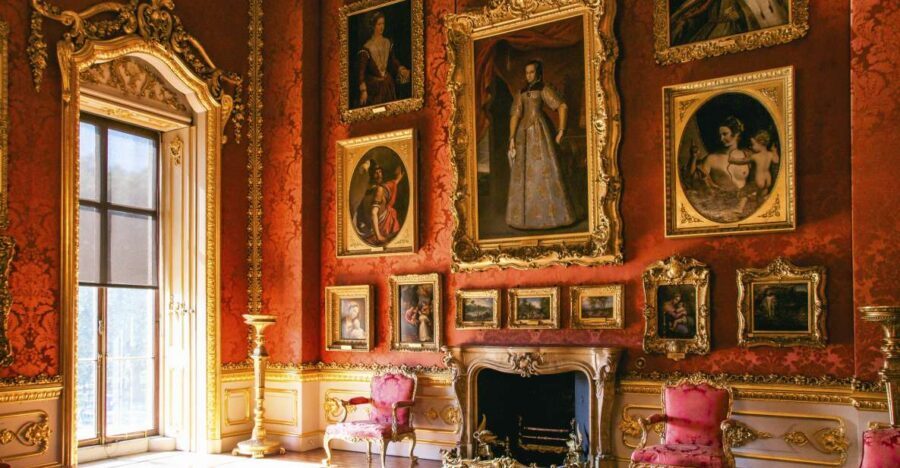
- Number 1 London, at Hyde Park Corner: Apsley House is the famed former townhouse address right in the capital’s center.
- World-class paintings: Look for major works by Velazquez and Rubens, plus Spanish painting highlights.
- The Waterloo Gallery: A major room tied to Wellington’s most famous chapter.
- A deep collection, not just “a few rooms”: Expect around 3,000 paintings, sculptures, and artworks across galleries and displays.
- Basement Gallery surprises: Rarely seen pieces show a different side of the house.
- Staff and audio make it easier: Guides in rooms and audio support help you connect the dots.
Apsley House: why this “Number 1 London” address feels worth your time
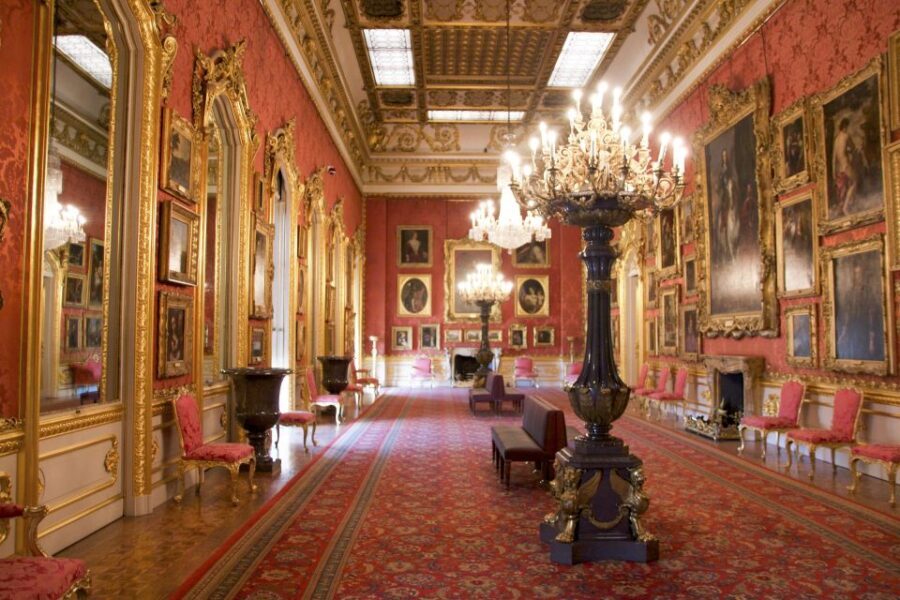
Apsley House is London’s only surviving aristocratic townhouse open to visitors today. That matters, because it keeps the experience grounded in scale and atmosphere. You’re not just seeing a set of artifacts; you’re moving through a real grand Georgian home that once belonged to the first Duke of Wellington and later descendants.
The setting also helps. The house sits at Hyde Park Corner, which means you can tack it onto a wider day in central London without feeling like you’re hunting for it. Even if you’re already thinking about palaces and museums nearby, Apsley House offers a different flavor: this is power and prestige in domestic form.
You can also read our reviews of more tours and experiences in London



Getting your bearings inside the house (and why the Inner Hall matters)
Once you enter, the house immediately signals “big moments.” The rooms are glittery, formal, and built for display. But you don’t have to sprint. One smart feature now is a comfortable seating area created in the Inner Hall. It gives you a breather without losing momentum, and it’s a good place to reset before you continue.
Also in the Inner Hall, you can browse leather-bound albums filled with images of Wellington, his descendants, and Apsley House itself. This is practical for two reasons:
- It gives you a quick visual framework before the rooms start layering meaning.
- It helps you connect the art and objects to the people behind them.
If you’re the type who usually reads everything and then forgets what you just read—this setup is for you. It’s an easy way to keep the story straight.
The art collection: where Velazquez, Rubens, and “wow” rooms collide

Apsley House is famous for paintings, and the ticket makes you part of the action. The collection includes works by major names like Velazquez and Rubens, which is no small deal for a London townhouse. If you’ve spent time in big national museums and found the rooms too wide or too crowded, the tighter Apsley House layout can actually feel friendlier.
You should also budget mental energy for the fact that you’re looking at many types of art, not just framed paintings. Expect sculptures and other artworks, and remember the overall collection is listed at about 3,000 items. That scale is why this ticket works best for a patient visit. You’ll want to stop often, not just pass through.
One detail I’d pay attention to: the display includes Spanish painting highlights mentioned in visitor experiences. If you like European painting and you’re tired of only seeing the “big three” at every stop, the Spanish works can give you a satisfying change of pace.
Waterloo Gallery: the Duke’s legend, staged in a single room
The Waterloo Gallery is one of the big reasons people buy an Apsley House ticket. It’s tied to the first Duke of Wellington’s most famous historical moment, so the room doesn’t just look impressive—it helps explain why Wellington became the kind of figure whose name is still used like shorthand for military achievement.
When you’re in the Waterloo Gallery, think less about “spotting one masterpiece” and more about atmosphere. The point is to see how triumph gets turned into decor, and how a person’s reputation can fill an entire interior. This is where the house clicks from “nice rooms with art” into “a narrative you can stand in.”
Beyond the paintings: china, silver, and the house as a display machine
Not everyone goes to Apsley House expecting tabletop objects. But once you’re inside, you’ll see why people talk about the interiors beyond the art. Visitor experiences highlight impressive displays of china and gold and silverware, which makes the house feel complete. It’s not just gallery space; it’s the living idea of wealth translated into objects you can actually see.
This part of the visit is especially satisfying if you like decorative arts. You’re training your eye to notice materials, craftsmanship, and how objects were placed for effect. Even if you don’t know the historical details, the visual language is clear.




Lighting, electricity, and a small story that makes the house feel real
One moment that tends to stick with visitors is the house’s lighting history. There’s a story behind how Apsley House lighting evolved—moving from candle to oil-lamp to gas and then eventually electricity much later. What surprised one visitor is that paraffin candles were competitive with oil at one point, so the house actually reverted to candles for a period rather than progressing in a straight line.
That might sound like trivia, but it’s exactly the kind of detail that makes a grand house feel human. It reminds you that even wealthy interiors had practical problems and trade-offs. If you like thinking about how people really lived, it’s worth slowing down here and reading what’s explained in the room.
The Canova sculpture moment: Napoleon as Mars (and that fig leaf detail)
Apsley House also includes a striking Canova work: Napoleon as Mars. It’s presented as a dramatic, sculptural highlight that blends political history with classical style.
One extra detail from visitor experiences: the fig leaf on the figure is noted as likely a later addition, and it has needed replacement at intervals. That’s oddly delightful. It’s also useful, because it keeps you from assuming the sculpture is a static, museum-perfect thing. It’s a living object with repairs and updates across time.
Basement Gallery: rarely seen pieces and a quieter kind of wow
If you only do the main rooms, you’ll still have a great visit. But the basement gallery is where you get a different tone—often described as featuring rarely before seen pieces. Basements can sound unpleasant, yet here the point is access: you’re getting extra layers of the collection and the house itself.
This is a good stop when you want a change from the brightest rooms upstairs. It can also help you pace the overall visit, since not every space will hit you with the same kind of spectacle.
What the experience feels like in real life: guides, audio, and your pace
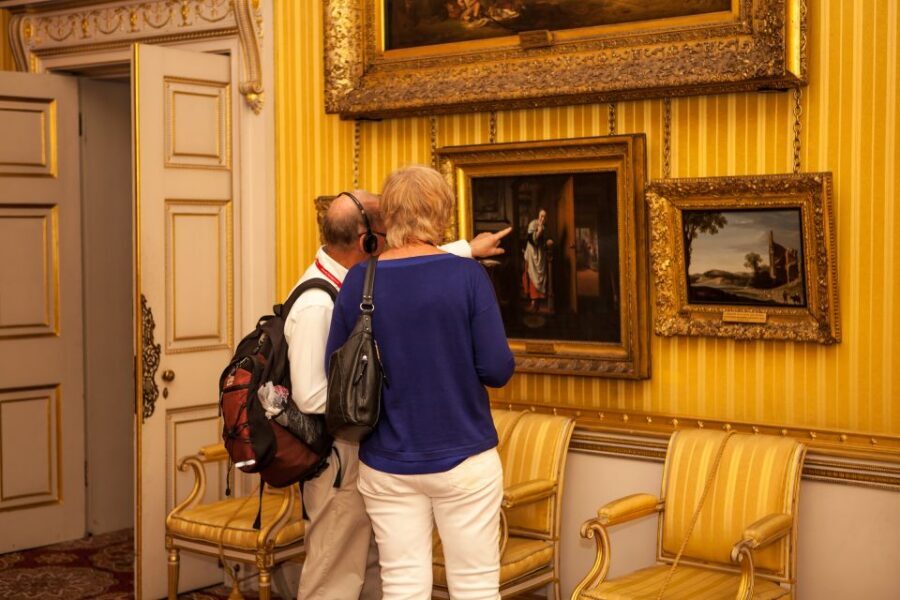
This is a self-paced experience with support built in. You can use audio guides (mentioned in visitor experiences) to follow key features room by room. And there are staff and guides present in rooms who can be helpful and knowledgeable if you ask.
I’d treat it as choose-your-own adventure:
- If you like structure, use the audio to keep your route logical.
- If you like wandering, pick a couple of “anchor” rooms like the Waterloo Gallery and then let the rest of the house pull you along.
For best results, take short breaks. The seating area in the Inner Hall makes that easy. And if you find yourself scanning too quickly, it’s a sign to slow down rather than to keep forcing progress.
Planning a London day around Apsley House ticket value
At about $17.51 per person, Apsley House is priced like a smart add-on rather than a major splurge. The reason it can feel like a bargain is that you’re getting multiple categories of value in one place:
- A major London townhouse experience
- A serious art collection with big names like Velazquez and Rubens
- Wellington-focused history tied directly to the rooms
- A mix of gallery highlights and decorative objects (not just painting)
Compared with museums where you pay a similar amount and still only get a fraction of the collection, the Apsley House layout encourages you to see more details because the rooms are part of a designed narrative.
Still, manage expectations: it’s not a whole-day warehouse. It’s a museum-house. You’ll likely get the most satisfaction if you plan for a few hours and then stop while you still feel curious, not when you’re exhausted.
Timing tips: opening hours can shift, so check your date
One visitor experience notes that opening time can vary with the season, mentioning that the house opened at 11 rather than 10 at that time of year. So treat opening times as date-specific. Look up your exact entry time before you build the rest of your day.
Also note that the ticket is valid for 1 day, so you’re not stuck with a multi-day commitment. It’s a good option when your schedule in London has wiggle room.
Who should book this Apsley House entry ticket
Book this if you want any of these:
- You like art but also want strong context in the rooms
- You enjoy European painting and want to see names like Velazquez and Rubens without a massive commute
- You want Wellington history tied to architecture and interior design
- You’re tired of doing the usual “big palace” routine and want a more focused experience
It may be less ideal if you only have a narrow attention span for house interiors and would rather hit one or two major sites and move on immediately.
Quick reality check: food, breaks, and the one practical snag
Apsley House is set in a central area, but one visitor experience calls out that there isn’t a tearoom nearby. That doesn’t ruin the visit, but it does mean you should plan a snack or a nearby coffee stop as part of your day.
Use the Inner Hall seating for a rest, then move on for food outside. In practice, that keeps the visit from feeling cut short by hunger.
Should you book Apsley House tickets?
Yes, if you want a compact London experience that mixes serious art, iconic Wellington storytelling, and the feel of a genuine grand townhouse. The price-to-content ratio is strong, and the Waterloo Gallery plus the basement gallery give you more than just a single highlight.
I’d book it when:
- You have at least a few hours for a slower look
- You enjoy interiors as much as paintings
- You like experiences with room-by-room explanations from audio and staff
FAQ
FAQ
What is Apsley House?
Apsley House is the London home of the first Duke of Wellington, located at Hyde Park Corner. It is known as Number 1 London and is London’s only surviving aristocratic townhouse open to visitors.
How much does an Apsley House entry ticket cost?
The price is listed at $17.51 per person.
How long is the ticket valid?
The ticket is valid for 1 day. You can check availability to see starting times.
What can I see inside Apsley House?
You can explore the Waterloo Gallery and the former home of the first Duke of Wellington, including a large art collection with paintings (including works by Velazquez and Rubens) and other artworks, plus a basement gallery with rarely before seen pieces.
Is the visit self-guided or guided?
The experience includes entry to Apsley House, and audio guides are available. Staff and guides are also available in rooms to help explain features.
What language is support available in?
The host or greeter is English, and the listed language for the experience is English.