REVIEW · LONDON
London: British Museum Private Guided Tour with Tickets
Book on GetYourGuide →Operated by Anthonys Tours · Bookable on GetYourGuide
Two and a half hours, and history clicks. A private Blue Badge guide helps you cut through the museum’s size and focus on the big turning points, from the Rosetta Stone to Greek and Roman masterpieces, ending with Sutton Hoo and early England.
I especially love how Anthony Matthews, a museum professional, connects objects to the stories behind them without turning it into a lecture. Two things that really land: the way the Rosetta Stone is explained so you understand what it changed, and the fact that the tour feels personalized for your group instead of a fixed script.
One possible drawback: since it’s a highlights route, you won’t see everything the British Museum has. Also, the tour runs best if you arrive on time for the express security setup, and audio recording isn’t allowed.
In This Review
- Key Things to Know Before You Go
- A Blue Badge Guide Makes the British Museum Feel Like One Story
- Meeting at Great Russell Street and Getting Past Security Quickly
- Egypt in Focus: Rosetta Stone, Tutankhamun, and the Meaning of Decoding
- Ramesses II, Sacred Cats, and Scarabs: When Small Objects Tell Big Beliefs
- Greek Galleries and the Parthenon Sculptures Room That Feels Built for Looking
- Sparta, Athens, Rome: Conquest Across the Mediterranean and Objects of Power
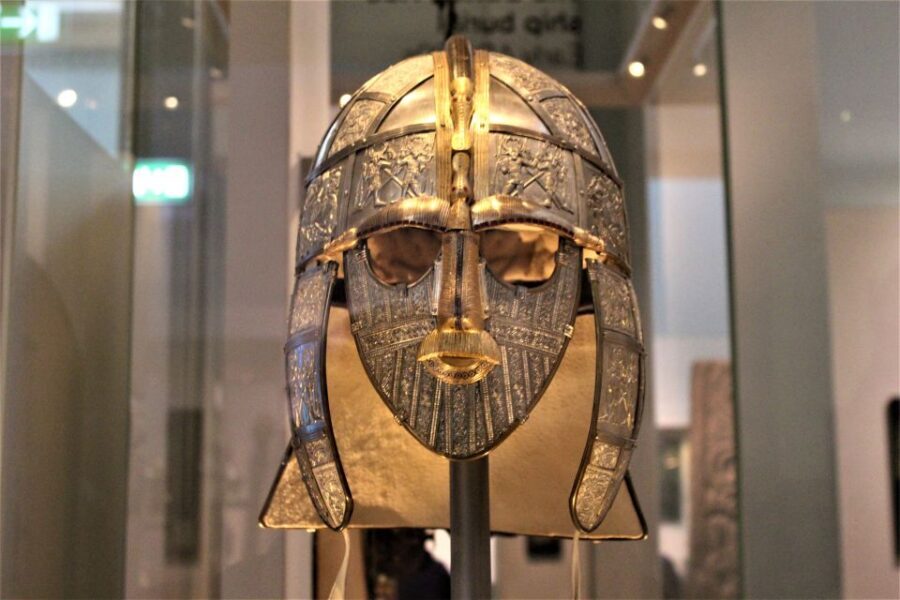
- Sutton Hoo Mysteries and the Anglo-Saxon Connection to England
- Price and Timing: Is $337 for a Private Group Worth It?
- Who This Tour Suits Best
- Should You Book This British Museum Private Guided Tour?
- FAQ
- How long is the British Museum private guided tour?
- What is included in the price?
- Are transportation or food and drinks included?
- Where do we meet the guide?
- What time should we arrive for the meeting point?
- Does the tour include skipping the line?
- Is the tour wheelchair accessible?
- Is audio recording allowed during the tour?
- What is the cancellation policy?
Key Things to Know Before You Go
- Express security entry helps you start faster and spend more time looking, not waiting.
- Blue Badge guidance keeps the museum meaningful, not overwhelming.
- Rosetta Stone explained clearly so the translation breakthrough feels concrete.
- Egypt, Greece, Rome, and Sutton Hoo in one route for a strong big-picture storyline.
- Private group up to 6 means your interests can shape the pace and order.
- 2.5 hours is tightly planned so you leave with the highlights and the why behind them.
A Blue Badge Guide Makes the British Museum Feel Like One Story
The British Museum can feel like a maze. The galleries stretch, the collections are deep, and it’s easy to wander for an hour and still feel like you saw nothing you truly understood.
That’s where this private tour shines. A licensed Blue Badge guide gives you a human timeline, moving from ancient Egypt into classical Greece, then across Rome’s Mediterranean world, and finally into the Sutton Hoo mystery that connects to England’s early roots. It’s not just seeing famous objects, it’s learning what they meant and why historians care.
I also like the tone. Anthony Matthews has a way of speaking that keeps the material accessible, with enough context to make the objects feel real. The tour is built around highlights people actually remember later: the Rosetta Stone, major Egyptian sculpture, Parthenon sculptures, Roman objects tied to power and spectacle, and Sutton Hoo’s eerie burial clues.
You can also read our reviews of more tours and experiences in London


Meeting at Great Russell Street and Getting Past Security Quickly
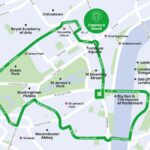
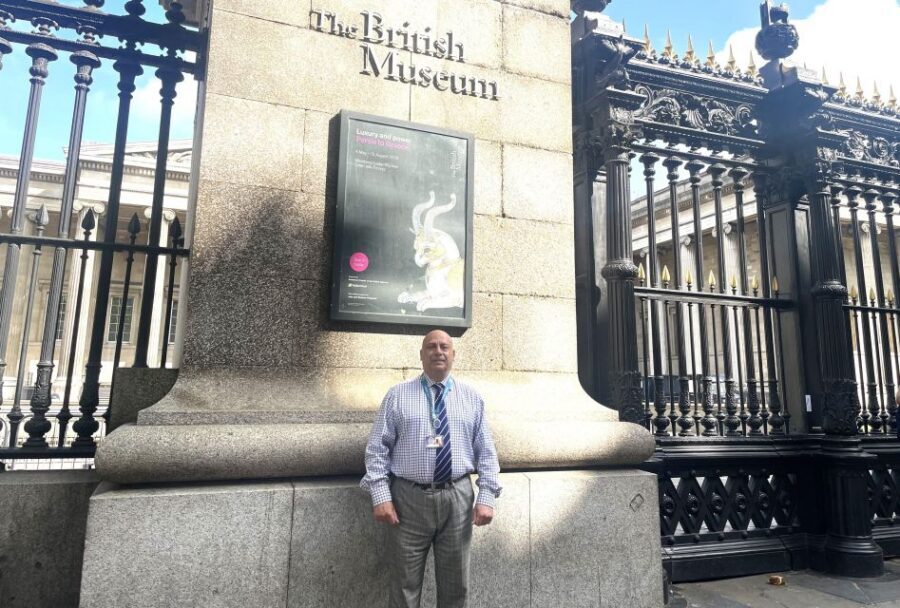
Your meetup matters here. You meet your guide to the left of the main entrance gates on Great Russell Street, specifically to the right of the red telephone boxes and opposite Starbucks. You’ll want to arrive about 15 minutes early so you can start smoothly and make the most of the 2.5 hours.
A big part of the value is skip the line through express security. That time-saving is not cosmetic. In London museums, losing even 20 minutes to entry lines can cut into your viewing time, especially with a short tour window.
The tour runs rain or shine, so plan for weather. You’re also in a private group, which typically makes it easier to keep everyone together and moving at a pace that works for your crew.
Finally, remember this detail: audio recording isn’t allowed. Bring a notebook and be ready to listen closely, because the best parts are the explanations as you stand in front of the objects.
Egypt in Focus: Rosetta Stone, Tutankhamun, and the Meaning of Decoding
The route starts by pulling you into ancient Egypt, because it’s the kind of beginning that makes the rest easier to follow. The highlight is the Rosetta Stone, and the tour’s explanation goes beyond “it helped decipher hieroglyphs.” You’ll hear why it was crucial to understanding Ancient Egypt, and how language and power meet in a single object.
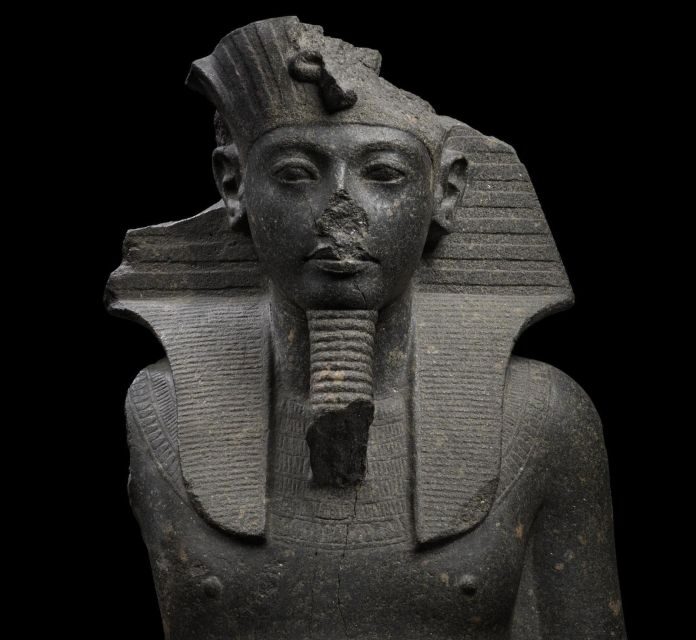
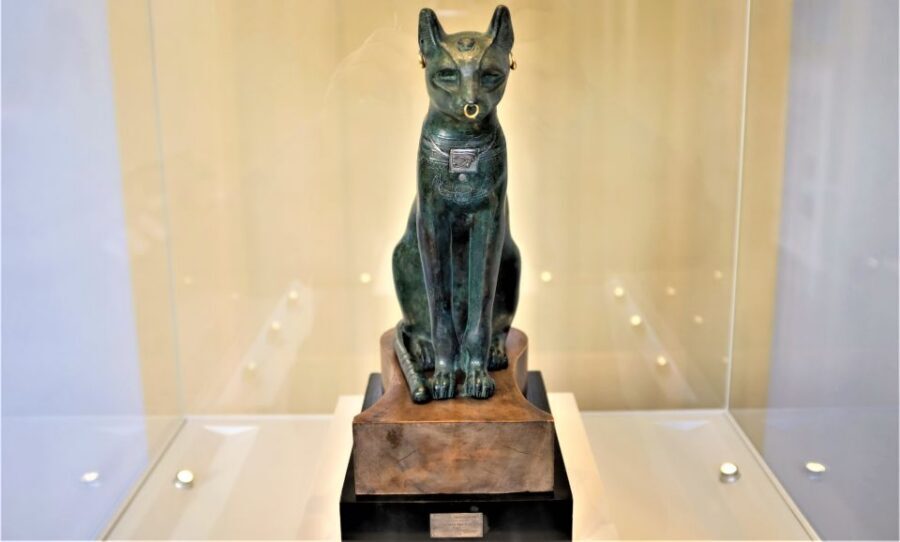
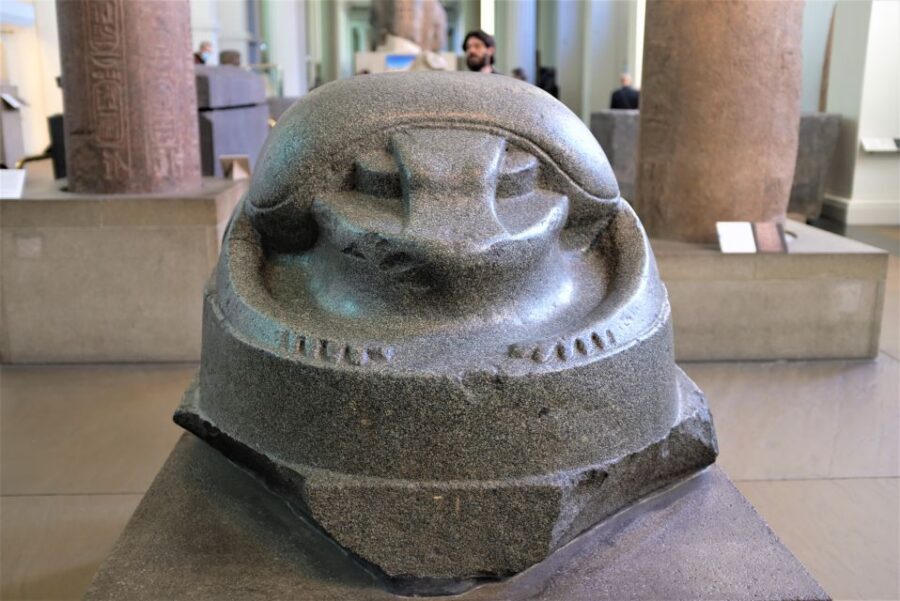
From there, you move through Egyptian history with a mix of famous and strange. There’s a statue associated with Ramesses II, plus a sacred metal cat and a giant scarab beetle. These aren’t random add-ons. They help you see how Egyptian symbolism worked, from royal authority to religious beliefs and everyday meaning disguised as “just decoration.”
Tutankhamun is another key stop. The tour covers how he died and also touches on the unusual story around the discovery of a pharaoh’s grave. Even if you’ve heard bits before, hearing it in context helps you understand why Egyptology has so many theories and why details matter.
And the best part is the clarity. When the guide connects an object to the big question—Who made it, why it mattered, and what it unlocked—you start to see patterns across the museum instead of isolated artifacts.
Ramesses II, Sacred Cats, and Scarabs: When Small Objects Tell Big Beliefs
Egypt is full of objects that look odd until someone gives you the right lens. That’s where this tour keeps you from feeling lost.
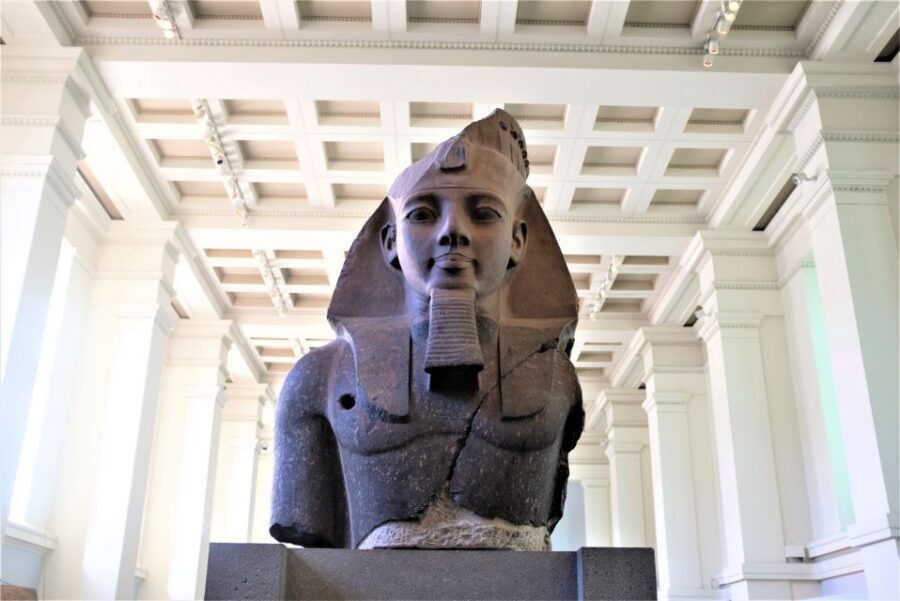
Seeing Ramesses II as sculpture is one thing, but having it framed by the role of kingship makes it click. You’re not only admiring the artwork. You’re learning what the imagery was doing in the ancient world—how power got displayed through stone, metal, and ritual symbolism.
Then come the sacred metal cat and the giant scarab beetle. These are the kinds of objects people often rush past because they look like a curiosity. On this tour, you slow down. The guide helps you understand why an animal symbol could carry sacred meaning, and why a scarab connects to ideas of renewal and cosmic order.
This section is especially good if you like the practical side of history: archaeology, how meaning is reconstructed from artifacts, and what’s still uncertain. The stories stay anchored to what you’re seeing, so you don’t feel like you’re hearing a generic Egypt lecture.
Greek Galleries and the Parthenon Sculptures Room That Feels Built for Looking
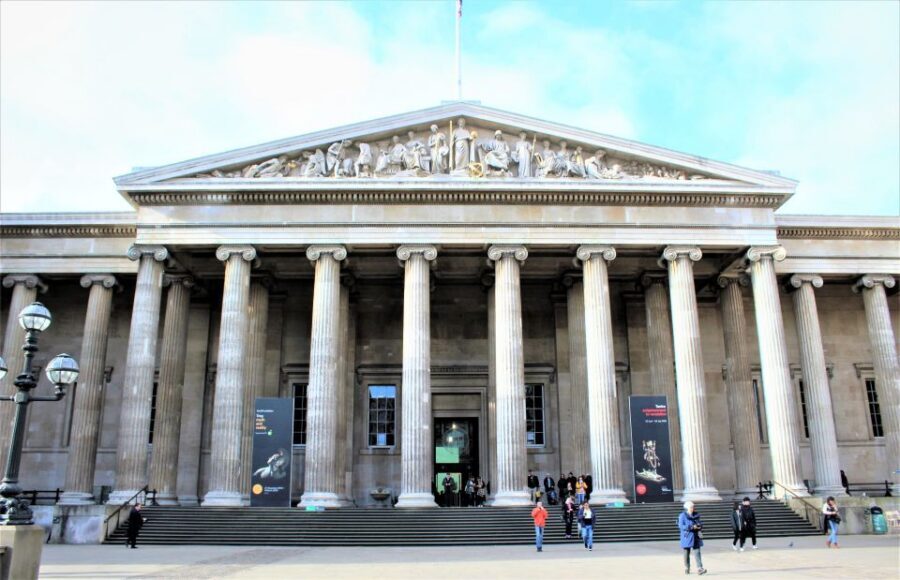
Greek culture is next, and it’s a smart shift. It’s the part of the museum where you can almost feel the architecture thinking alongside the sculpture.
You’ll spend time with Greek antiquities, including Parthenon sculptures. A key point here is the Parthenon connection, and also why the room feels so architecturally “right.” The guide walks you through why the space and viewing angles matter, so the sculptures don’t just look old—they look carefully placed.
You’ll also hear about Sparta and Athens. That contrast helps you understand why Greek history isn’t just philosophy and marble. It’s politics, conflict, and different models of society that shaped how power and culture spread.
In this stretch, you start to notice how the museum’s arrangement supports learning. The guide uses the visual flow of galleries to build a timeline, so you stop feeling like you’re hopping between eras with no thread.
If you’re traveling with kids, this section often works well because it combines recognizable masterpieces with clear explanations. Even if ancient Greece isn’t your personal obsession, it gives you a foundation that makes the Roman part easier to follow.
You can also read our reviews of more guided tours in London






Sparta, Athens, Rome: Conquest Across the Mediterranean and Objects of Power
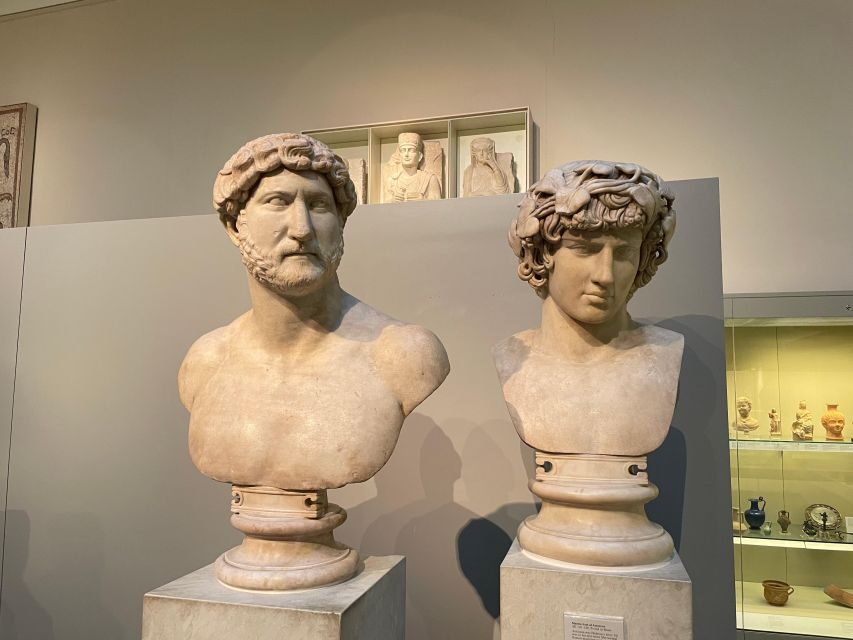
Rome is where the tour turns from culture into systems—how empires organize, control, and represent themselves.
You’ll hear how Rome conquered countries bordering the Mediterranean and why that mattered. That historical backdrop makes the Roman artifacts feel purposeful, not just decorative.
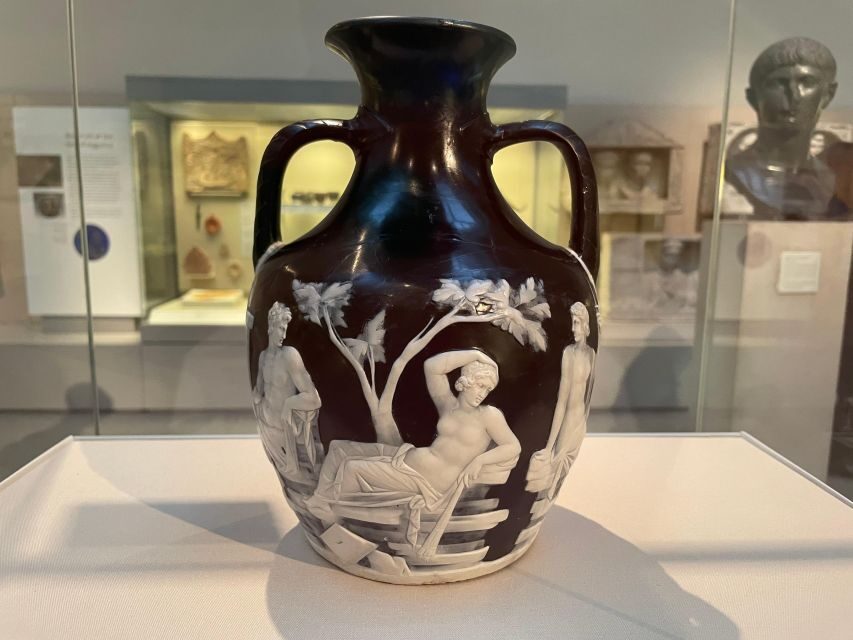
Then you get the “wow” factor objects. There’s a gladiator’s helmet, Roman glass, and a bust of the greatest emperor of Rome. Each one is used as a doorway into a bigger idea: Roman public life, spectacle and violence, the technology of materials, and how rulers wanted to be seen.
What I like is that the guide ties the objects to the human side of the empire. It’s not only about dates and names. It’s about how Romans built identity through art and objects people used, wore, or displayed.
This is also a strong section if you’re the type who likes asking questions. The guide’s style makes it easy to keep going—like you’re standing at a friendly history counter, not trapped in a one-way monologue.
Sutton Hoo Mysteries and the Anglo-Saxon Connection to England
The tour ends by shifting perspective toward what’s tied to England itself. Sutton Hoo is the bridge here, and it’s a fascinating way to close.
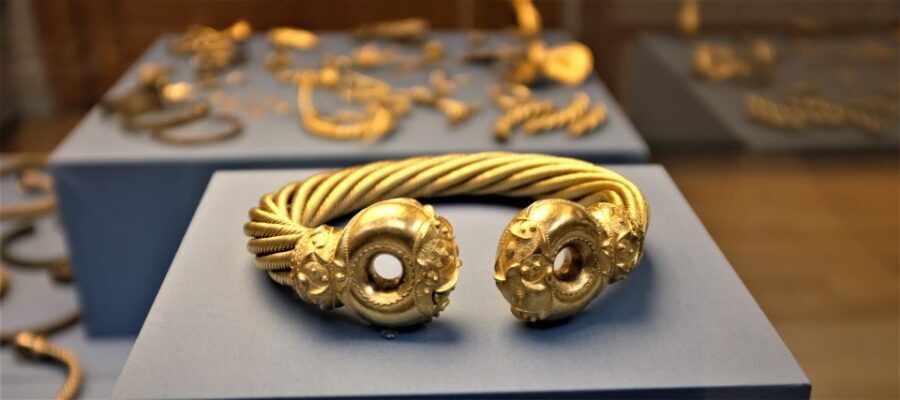
You’ll hear about the mysteries of the Sutton Hoo burial and get a glimpse into the Anglo-Saxon world that helped shape England. That ending matters because it prevents the museum from feeling like a faraway collection of “other places.” Instead, you leave with a sense of how archaeology and discovery changed how we understand England’s origins.
Sutton Hoo is also a good reminder of how the British Museum isn’t only about ancient civilizations in the abstract. It’s also about evidence—what survives, what’s missing, and how scholars reconstruct history from fragments.
By the time you reach this part, the previous sections help you appreciate the pattern: objects become clues, and context turns clues into stories.
Price and Timing: Is $337 for a Private Group Worth It?
This tour costs $337 per group up to 6, and it lasts about 2.5 hours. That pricing can be very good value if you’re traveling as a group and want focused time in a museum that’s easy to overrun without guidance.
Here’s the reality check you should do: if you have fewer than 6 people, the per-person cost rises. But the savings come from time and mental energy. With a private guide, you get a planned route, express security, and explanations while you stand in front of the objects. That’s hard to replicate when you’re solo and trying to self-orient in a huge collection.
Also, you’re not paying for transportation or meals since those aren’t included. I’d treat this as a half-morning or half-afternoon plan where you eat before or after nearby, then use the tour window for learning.
The best value angle is this: you’re paying to make the museum make sense. In a place this big, “just wandering” often means you leave with photos and vague impressions. A guide-led highlights route gives you the why behind the what.
Who This Tour Suits Best
This private tour fits best if you want structure without losing the fun of discovery.
It’s ideal for families with kids who still need a story thread to stay engaged. The tour format keeps you moving through major highlights in a short time, and the explanations are built to be understandable even when the topics are complex.
It also works well for couples or small groups who don’t want to spend half a day figuring out where to start. If your goal is to see big names like the Rosetta Stone and the Parthenon sculptures room, but you want context too, this is a strong match.
If you’re the type who loves museum wandering for hours with no plan, you might find 2.5 hours feels tight. But if you’re here for the essentials and the stories, the tour is built for exactly that.
Should You Book This British Museum Private Guided Tour?
I’d book it if you want the British Museum to feel like a connected narrative instead of a long list of objects. The combination of a Blue Badge guide, express security, and a highlights-focused route through Egypt, Greece, Rome, and Sutton Hoo is the core reason it’s a smart use of limited time in London.
Skip it only if you have the luxury to spend a full day wandering and you’re fine figuring out significance on your own. If you’re short on time, or you care about understanding what you’re looking at, this tour is an efficient way to leave with real takeaways.
If you do book, arrive early at the Great Russell Street meetup and come ready to listen. This tour works best when the guide’s pacing can keep the group together.
FAQ
How long is the British Museum private guided tour?
The tour lasts about 2.5 hours.
What is included in the price?
It includes a private tour, the guide, and entry tickets.
Are transportation or food and drinks included?
No. Transportation and food and drinks are not included.
Where do we meet the guide?
You meet to the left of the main entrance gates to the British Museum on Great Russell Street, to the right of the red telephone boxes and opposite Starbucks.
What time should we arrive for the meeting point?
Plan to be there 15 minutes early so you can start smoothly and benefit from express security.
Does the tour include skipping the line?
Yes. It includes skip-the-line entry through an express security check.
Is the tour wheelchair accessible?
Yes, the tour is wheelchair accessible.
Is audio recording allowed during the tour?
Audio recording is not allowed.
What is the cancellation policy?
You can cancel up to 24 hours in advance for a full refund.