REVIEW · LONDON
London Tate Modern Museum – Guided Tour 8 guests 2,5h
Book on GetYourGuide →Operated by Babylon Tours London · Bookable on GetYourGuide
Modern art can feel like a puzzle. This tour turns the clues into a clear path through Tate Modern’s biggest names and ideas. You’ll move gallery to gallery with a professional art historian guide, connecting major styles from the 19th and 20th centuries to the people who made them matter.
I especially like the way the guide maps art movements to real artwork you’ll actually see, including Mondrian’s lines and squares, plus crowd-magnet artists like Picasso, Dalí, Monet, and Rothko. One consideration: it covers a lot in only 2.5 hours, so you’ll need to be comfortable with fast pacing and a bit of walking, plus the museum’s strict no large-bags security rule.
In This Review
- Key Highlights You’ll Notice Fast
- Tate Modern, Set Up for Smart Looking
- How the Guide Connects Artists Like a Story
- Mondrian, Picasso, Dalí: What Changes When Context Comes First
- Impressionists to Abstract Expressionism: Monet Then Rothko
- Pop Art and Celebrity Clues: Warhol, Marilyn Monroe, and Humor
- Duchamp’s Fountain: Learning to Argue About Art
- The “Bonus Round” After Tate: Timed Buckingham Palace Entry
- Price and Value: Is $112 Reasonable for This Tour?
- Practical Stuff: What to Bring, Wear, and Leave Behind
- Who This Tour Is Best For (and Who Should Skip It)
- Should You Book This Tate Modern Guided Tour?
- FAQ
- How long is the Tate Modern guided tour?
- Is this tour private or small-group?
- What is the minimum number of guests for a semi-private tour?
- Does the tour include skip-the-ticket line access?
- Is there timed entry to Buckingham Palace?
- What’s included in the price?
- What’s not included?
- What ID do I need to bring?
- Are large bags or luggage allowed?
- Is the tour wheelchair-friendly?
- What happens if the museum is closed or delayed, and what about cancellation?
Key Highlights You’ll Notice Fast
- Small-group format (8 guests max) that helps you keep up without feeling rushed
- Art historian guide guiding your looking, not just lecturing from the sidelines
- A guided sweep of major art movements from Impressionism to abstract expressionism
- Warhol and pop culture moments, including celebrity references like Marilyn Monroe
- Duchamp’s Fountain used as a real debate-starter for how you judge art
- Timed entry to Buckingham Palace after the tour, so you get extra value without extra planning
Tate Modern, Set Up for Smart Looking
Tate Modern is big. It’s also full of art that can feel like it’s speaking a different language. The value of a guided visit is simple: instead of wandering and hoping for the best, you get a route that helps you see what to notice in each room.
This tour is built around a 2.5-hour, small-group pace (up to 8 people). That matters because modern art rewards attention. When a guide can point out what a painting, sculpture, or installation is doing, you start to build your own “map” of the museum in your head. You leave with more than facts—you leave with a better way to look.
You’ll also appreciate the practical setup. The tour includes skip-the-ticket-line entry to Tate Modern, which is a quiet but real time-saver when you’re trying to fit London into a day. And because the guide is English-speaking, you won’t lose anything to translation.
You can also read our reviews of more guided tours in London



How the Guide Connects Artists Like a Story
A lot of art tours list titles. This one explains why the artworks belong together. The basic method is chronological plus thematic: you’ll move through galleries while the guide ties works to the movements that influenced them.
That story approach shows up early. Expect a focus on Mondrian, including his groundbreaking lines and squares. The key isn’t just recognizing the style. It’s understanding why that kind of simplicity confused other artists at the time—because it wasn’t decoration. It was a statement about structure, order, and meaning.
Then the route turns toward artists you might already know, but see through a sharper lens. You’ll revisit Picasso and Dalí, with a specific reference to masterpieces created during the Spanish Civil War period. That historical anchor helps you connect emotion and context to choices the artists made—color, imagery, even distortion—without needing you to be an art history student.
Mondrian, Picasso, Dalí: What Changes When Context Comes First
Here’s the difference this tour tries to create: you stop treating modern art like random individual geniuses, and you start seeing patterns. Once you understand that, galleries feel less chaotic.
When you talk about Mondrian’s grid-like approach, the guide points out why other artists struggled with the idea that “less” could be more. You’re not asked to agree. You’re asked to notice how the method creates tension and balance. That’s a useful skill for later stops, especially when the art gets more abstract.
With Picasso and Dalí, context shifts what you look for. If you know the works were made during the Spanish Civil War, you’ll likely find yourself scanning the images for hints of strain, urgency, and urgency-driven imagination. Even if you don’t interpret it perfectly, you’re using the right tool: asking what was going on when the artwork was made.
A small caution here: because the tour packs many names into a single walk-through, you may not get the slow, long-stare experience you’d get on an independent museum day. If you’re the type who likes to camp in front of one painting for 30 minutes, this format may feel brisk.
Impressionists to Abstract Expressionism: Monet Then Rothko
After the early modern anchors, you’ll get a clear bridge from recognizable realism into the more emotional and conceptual territory of later modern art. The tour explicitly introduces Impressionists through Claude Monet, then moves you forward to abstract expressionism with artists like Mark Rothko.
That “forward motion” is exactly why the guided structure helps. Monet can be easier to meet on your own—his style often feels familiar. But when the guide frames him as part of a larger movement, you start to spot how Impressionism changed what artists thought painting could do.
Then, with Rothko, the mindset shifts. Abstract expressionism isn’t about telling a story in the usual way. It’s about impact—how color, scale, and repetition can affect your body and attention. The tour helps by giving you a route for looking: instead of trying to translate the image into a subject, you’re guided to think about space, edges, and how your eyes move across the work.
If modern art leaves you scratching your head, this is one of the most valuable parts. You learn how to stay in the experience instead of fighting it.
Pop Art and Celebrity Clues: Warhol, Marilyn Monroe, and Humor
Not every modern art tour makes room for pop culture. This one does, and that can make the whole visit feel more human.
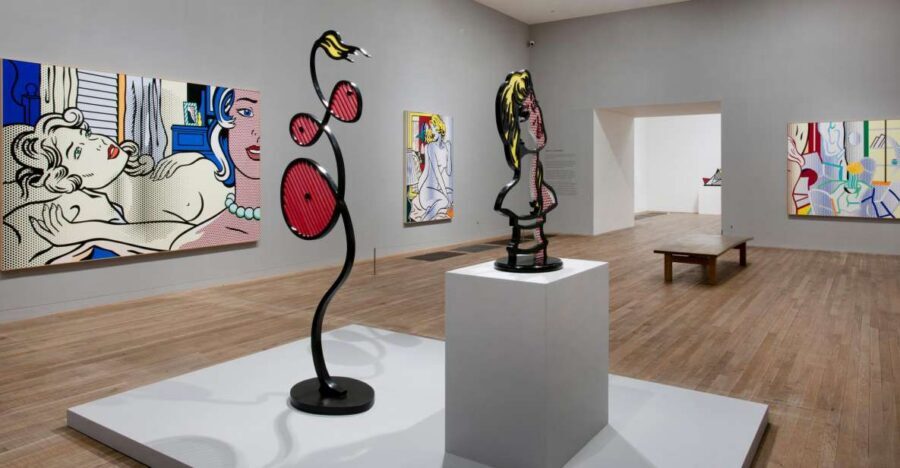
You’ll learn about Andy Warhol’s pop art, with a fun and specific detail: you’ll spot references tied to celebrity images, including Marilyn Monroe. Even if you’re not a Warhol superfan, this section helps you understand pop art’s angle. It’s not only about fame. It’s about how mass media, repetition, and image-making shape what we think art is.
For you, this part can be the easiest to connect with because it sits near stuff you already know from today’s world. If you’ve ever wondered why the same face can feel both ordinary and iconic, pop art is one answer. The guide’s job is to make that connection feel logical instead of random.
If you’re more serious about technique than ideas, you might wish the tour had extra time here. But even in 2.5 hours, the pop art stop gives you a mood change and keeps you from getting stuck in only one kind of viewing.
You can also read our reviews of more museum experiences in London






Duchamp’s Fountain: Learning to Argue About Art
Then comes one of the best “wait, what?” moments in the modern canon: Duchamp’s Fountain. The tour has you stand around it long enough to react, then use the guide’s framing to debate the merits of the artwork.
This is more than trivia. It’s training. Art isn’t only about skill. It’s also about choices, intent, and what counts as art in the first place. Duchamp is famous because he forces that question, and the guide turns it into a respectful, guided debate.
For you, this moment is useful because it changes how you evaluate the rest of the museum. When you’ve practiced asking What makes it art? you become more flexible in what you accept as meaningful. Some people leave with a new favorite. Others leave with a better reason to disagree. Either way, you’ll probably remember this part.
Possible drawback: if you hate discussion and prefer quiet looking, the debate style might feel like a test. You still benefit, but you’ll want to keep your expectations aligned with an active guide.
The “Bonus Round” After Tate: Timed Buckingham Palace Entry
A smart travel day needs not just one anchor, but a second win. This package includes timed entry to Buckingham Palace after your guided tour.
That’s a practical value because it reduces the common London pain point: lining up again after you’ve already done a full museum block. It also helps you keep your day structured. You can plan your food and rest around a known time window rather than guessing.
Two tips for you. First, think about your pacing: a museum tour plus palace sightseeing can be a lot in one stretch. Second, since the palace is a separate site, you’ll want to check your clothing and comfort needs before you go, since some sites require appropriate dress for entry.
Price and Value: Is $112 Reasonable for This Tour?
At $112 per person for 2.5 hours, this isn’t a budget ticket. But it can still feel fair if what you buy matches what you get.
Here’s where the value comes from, based on what’s included:
- A professional art historian guide (not just a generic host)
- Skip-the-ticket line for Tate Modern
- A small-group experience (8 guests max, and semi-private options exist)
- A timed entry add-on to Buckingham Palace after the tour
If you planned to visit Tate Modern anyway, a guided framework can save you from wandering into rooms without knowing what you’re looking at. That time-saving is real value. And the palace timed entry means you’re stacking two big attractions under one planning umbrella.
When might the price feel high? If you already know modern art well and you prefer to go room by room at your own pace, you might feel like you’re paying to hear the basics. Also, if you dislike moving quickly between artworks, the 2.5-hour limit can feel like “too much, too fast.”
Practical Stuff: What to Bring, Wear, and Leave Behind
London museum security is no joke, and Tate Modern follows the rules tightly. Don’t bring luggage or large bags. Only handbags or small thin bag packs are allowed through security. That one item can make or break your day if you show up with a suitcase.
Also bring passport or ID card. The tour is adult-entry based on photo ID requirements.
You should plan for a little walking. The tour is described as involving a small amount of walking, so wear comfortable shoes and keep a light mindset. You’re touring a museum, not doing a hike.
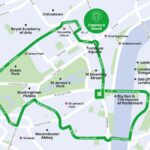
Meeting point can vary depending on the option you book, so you’ll want to follow the exact meeting instructions you receive.
Who This Tour Is Best For (and Who Should Skip It)
This tour fits you if you want:
- A clear, guided route through major modern artists and movements
- A small-group experience where questions can happen
- Help connecting Impressionism, abstract expressionism, and pop art into one mental story
- A museum visit that then plugs into another big sightseeing win (Buckingham Palace)
It may be less ideal if:
- You need step-by-step accessibility planning and full wheelchair suitability (it’s listed as not suitable for wheelchair users, though wheelchair-friendly tours may be available on request)
- You hate any group discussion component like the Fountain debate
- You want a slow, personal, one-work-at-a-time museum experience
If you’re traveling with friends who disagree about art, this can still work. The guide frames discussion in a way that gives you tools to argue, not just opinions.
Should You Book This Tate Modern Guided Tour?
I’d book it if you want the quickest path to feeling confident in a Tate Modern visit. The best part is the guide’s structure: you don’t just see famous works, you understand the thinking behind them—Mondrian’s order, Picasso and Dalí through historic pressure, Monet’s shift, Rothko’s emotional scale, Warhol’s image-world, and Duchamp’s challenge to what art is.
I’d pass or consider a different style of tour if you want maximum time in front of fewer pieces or you’re very sensitive to brisk pacing. Also, if your bags situation is messy, sort it out before you arrive, because the museum security rule is strict.
If your goal is to leave with new perspectives and a smoother museum day, this one is a strong bet—especially with the timed Buckingham Palace entry attached.
FAQ
How long is the Tate Modern guided tour?
The duration is 2.5 hours.
Is this tour private or small-group?
It runs as either a private tour or a semi-private tour with a maximum of 8 guests.
What is the minimum number of guests for a semi-private tour?
For semi-private options, a minimum of 2 guests is required for it to run. If that minimum isn’t met, you’ll be offered an alternative date or a full refund.
Does the tour include skip-the-ticket line access?
Yes. The tour includes skip the ticket line for Tate Modern.
Is there timed entry to Buckingham Palace?
Yes. You get timed entry to Buckingham Palace after your guided tour.
What’s included in the price?
The price includes a professional art historian guide and the tour format (private or small groups). It also includes the skip-the-ticket line benefit, plus the Buckingham Palace timed entry after the tour.
What’s not included?
It does not include hotel pickup and drop-off, food and drinks, or temporary exhibits.
What ID do I need to bring?
Bring a passport or ID card.
Are large bags or luggage allowed?
No. Luggage or large bags are not allowed inside the museum. Only handbags or small thin bag packs are allowed through security.
Is the tour wheelchair-friendly?
It is listed as not suitable for wheelchair users, but wheelchair-friendly tours are available upon request only.
What happens if the museum is closed or delayed, and what about cancellation?
If Tate Modern (or another attraction on the tour) closes and the opening is delayed more than 1 hour from the tour starting time, an appropriate alternative will be provided, but a refund isn’t able to be offered in those cases. For changes to your plans, you can cancel up to 24 hours in advance for a full refund.