REVIEW · LONDON
London: British Museum Guided Tour Private Group
Book on GetYourGuide →Operated by My tour London · Bookable on GetYourGuide
One building, and it tells your entire species a story. This private British Museum tour walks you through major civilizations in about 2 hours, with a licensed guide connecting the dots from Egypt to Greece, Rome, and beyond. The focus isn’t on seeing everything. It’s on seeing the most meaningful things and understanding why they matter.
I really like two parts of this experience. First, the guide’s energy does the heavy lifting—Filomena in particular left a strong impression, with enthusiasm that feels contagious. Second, the tour is tailored, so it aims at the standouts rather than a rushed checklist.
One thing to consider: at a museum this big, 2 hours means you’ll move. If you want deep time in one gallery, this format may feel a bit fast.
In This Review
- Key points worth knowing before you go
- A private 2-hour route through the British Museum that actually works
- Egypt first: Rosetta Stone and the hieroglyphs puzzle
- Greece and the Parthenon sculptures, including the Elgin Marbles
- Ancient Rome: emperors, gods, engineering, and mosaics
- Sutton Hoo: Anglo-Saxon treasures that make early England click
- Hoa Hakananai’a from Easter Island: a global view in one object
- How the guide turns a museum maze into a coherent story
- Price and value: $331 for up to 5 people
- Who this tour fits best (and who might prefer a different format)
- Quick, practical expectations as you plan your day
- Should you book this British Museum private guided tour?
- FAQ
- How long is the British Museum guided tour private group?
- How many people are in the private group?
- Where do we meet the guide?
- How do I receive the entry tickets?
- What languages are available for the live guide?
- Is the tour wheelchair accessible?
- What should I bring?
- Is free cancellation available?
Key points worth knowing before you go
- Licensed guidance for a museum you can easily get lost in
- Rosetta Stone focus on how hieroglyphs were deciphered
- Parthenon marbles context, including the controversial Elgin Marbles
- A time-jump route from Egypt to Greece to Rome to Anglo-Saxon England
- Sutton Hoo + Hoa Hakananai’a for global perspective in one sweep
- Private group size up to 5, which makes questions and pacing easier
A private 2-hour route through the British Museum that actually works
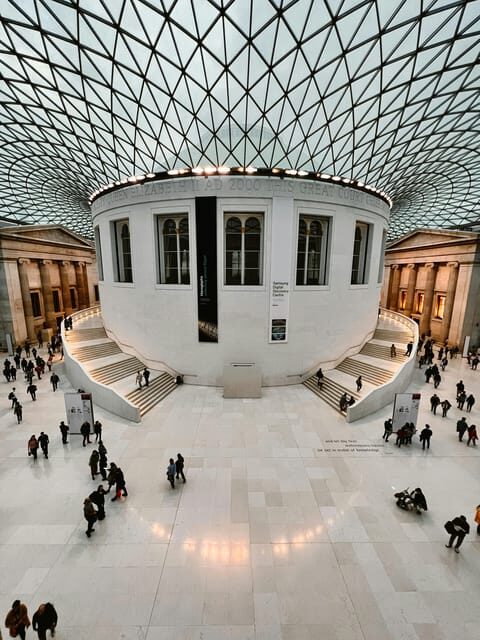
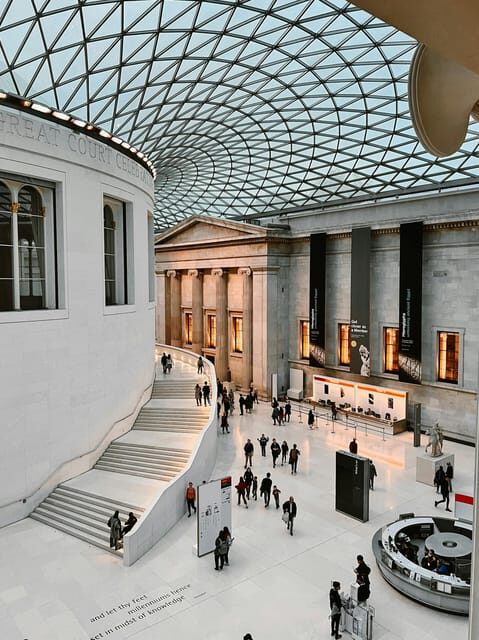
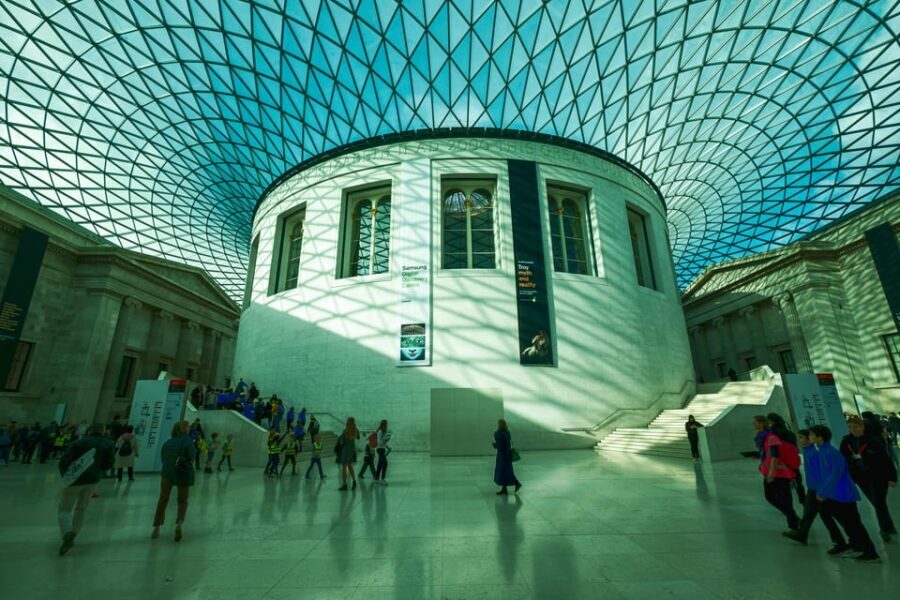
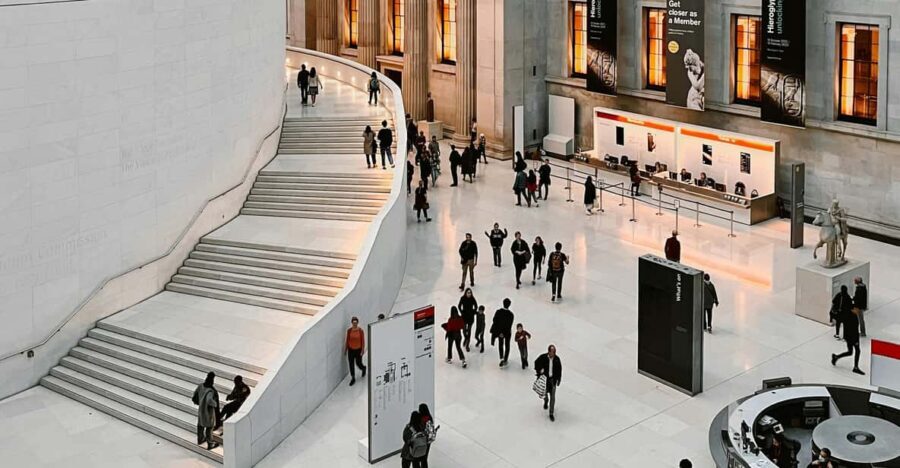
The British Museum can swallow your afternoon whole. Rooms are huge, signage is helpful, and yet you still end up wandering like a lost planet. This private group tour is designed to keep you pointed in the right direction while you still get real interpretation.
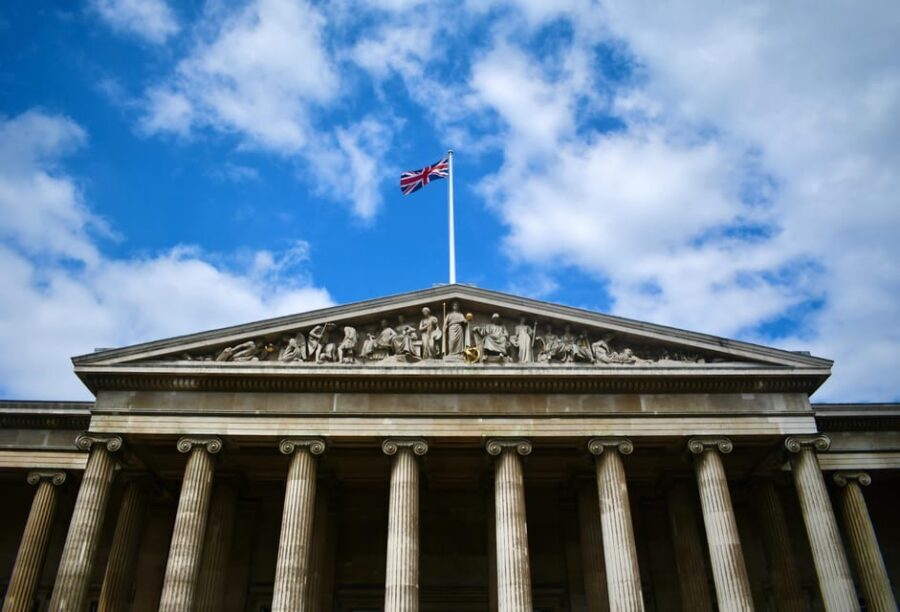
You’ll meet your guide in front of the British Museum portals on the stairs near the pillars after security (not outside the gates). Tickets are provided about 1 hour before the tour via WhatsApp. If you don’t use WhatsApp, you’ll need to contact the operator by email so they can send the entry tickets another way. Plan to show up with enough time to pass security comfortably, because you don’t want the tour start to slip.
This is a private group for up to 5, and that size matters. With fewer people, the guide can slow down for questions and speed up when you’re ready to move on. It’s also wheelchair accessible, which is a big deal in a museum where flat floors still come with plenty of traffic and wide-open spaces.
You can also read our reviews of more guided tours in London



Egypt first: Rosetta Stone and the hieroglyphs puzzle
Your route starts in Egypt, which is a smart choice. It sets up one of the British Museum’s biggest “how do we even read this?” moments.
The tour centers on the Rosetta Stone, the key that helped crack Egyptian hieroglyphs. You’re not just looking at an object. You’re hearing the story of how scholars figured out what the symbols meant, and why that breakthrough mattered for understanding ancient Egypt instead of just admiring it. Even if you’ve heard about the Rosetta Stone before, a guide usually brings the missing step: what changed once the language could be read.
You’ll also see Egyptian pieces connected to pharaohs and the idea of royal power. The practical benefit here is pacing. Egypt can feel like a lot of names and gods on your own. With a guide, it becomes a timeline you can follow—less memorizing, more understanding.
Greece and the Parthenon sculptures, including the Elgin Marbles
Next comes Greece, where art and philosophy start shaping Western thought in a way you can actually feel in museums and cities today.
The highlight in this section is the Parthenon sculptures, including the Elgin Marbles. The wording matters here because the Elgin Marbles are famously controversial. A good guided explanation helps you hold two truths at once: the artistic brilliance is real, and the history of how these pieces ended up in London is complicated.
What I like about a guided stop at Parthenon material in the British Museum is that you don’t just see stone. You learn what the sculptures were doing in their original setting—what they communicated and why they mattered. When you’re on your own, you might admire and move on. With a guide, you understand the “why” behind the “wow.”
You’ll also be encouraged to think about marble inscriptions and the way ideas travel across time. Even in a fast-paced museum tour, that kind of context turns the gallery into a conversation, not a photo-op.
Ancient Rome: emperors, gods, engineering, and mosaics
Then you jump to Rome, and the mood shifts. If Egypt feels like the world of symbols and Greece feels like ideas, Rome feels like systems—rule, public life, and the engineering behind it.
This section is built around relics tied to Rome’s emperors, plus art that shows gods and heroes. The tour description points to intricate mosaics and statues, and that’s the right mix. Mosaics show technique and everyday scale. Statues show identity—who was honored, how power looked, and how religion and politics tangled together.
One of the best parts of a guided route like this is that Roman objects can look “decorative” when you don’t know what to look for. A guide helps you notice what’s going on: the storytelling, the symbolism, and the craftsmanship choices that weren’t random. You end up looking longer, even though the tour moves on.
Sutton Hoo: Anglo-Saxon treasures that make early England click
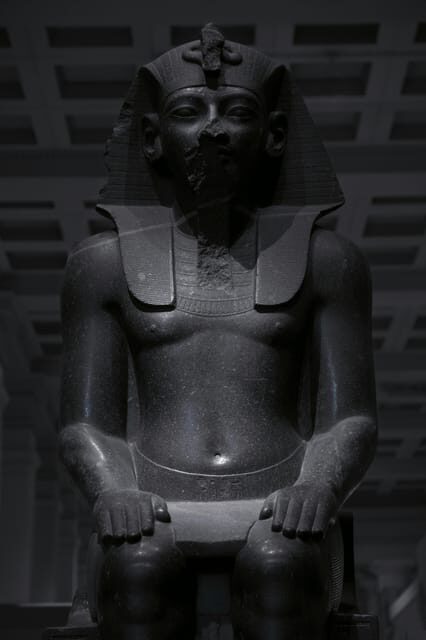
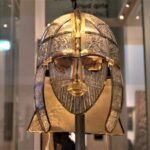
After the Mediterranean giants, the tour slows the historical lens in a great way: Sutton Hoo.
These treasures from Anglo-Saxon England give you a different kind of history than what you get in the classic Egypt-Greece-Rome flow. Sutton Hoo isn’t just “cool artifacts.” It’s a window into early English life—wealth, belief, and what mattered enough to bury with someone of high status.
This stop is valuable because it anchors you locally. You’re in London, and suddenly the story is no longer only about distant empires. It’s also about the long thread that leads toward Britain’s own early chapters. If you’ve ever visited London and felt like the museum air is all ancient marble and world capitals, Sutton Hoo is a strong corrective.
You can also read our reviews of more private tours in London




Hoa Hakananai’a from Easter Island: a global view in one object
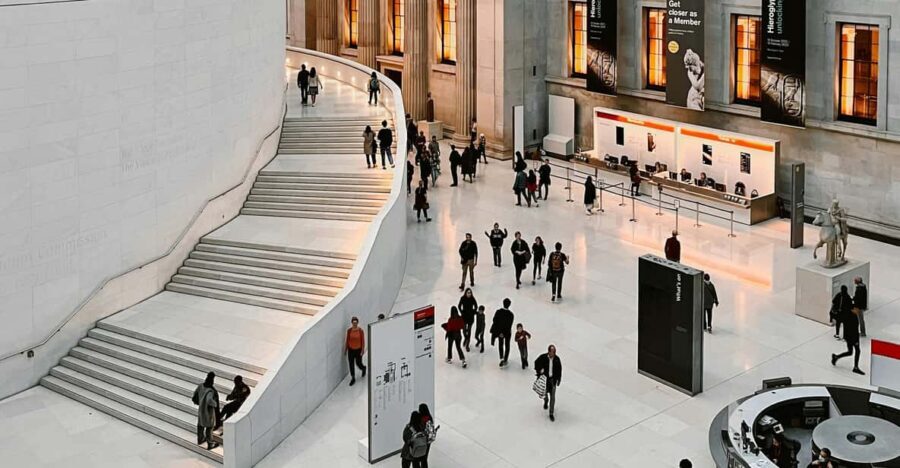
One of the most memorable sections for many people is the move to the Pacific—Hoa Hakananai’a, a moai associated with Easter Island.
This is a great pairing after Sutton Hoo because it expands your sense of what “ancient” means. The moai isn’t here as a curiosity. The tour frames it as spiritual expression from a faraway civilization, which helps you avoid the common mistake of treating non-European objects like they only exist for comparison.
A guide is especially helpful with moai because the interpretation is where most people need support. You learn what the object represents, what spiritual meaning is attached to it, and how to see it with respect rather than just as a famous face in stone. In a 2-hour tour, you might not cover every culture equally—but you do get a meaningful global counterweight to the European anchor.
How the guide turns a museum maze into a coherent story
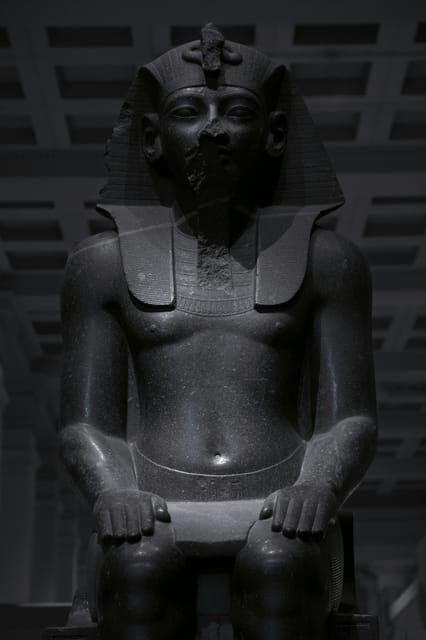
The tour isn’t just walking from room to room. It’s about building a mental map while you’re moving.
A good guide does three things fast:
- Frames what you’re seeing so the object doesn’t float in space
- Connects time periods so it doesn’t feel random
- Gives you a reason to care beyond aesthetics
Based on feedback tied to Filomena’s enthusiasm, you can expect the guide’s personality to matter. When the guide’s energy is strong, you tend to remember more. You also ask better questions, because it doesn’t feel awkward to stop and ask what something is doing there.
The tour is also available in English, French, and Italian, so language support is built in if you’re more comfortable speaking those languages. That may sound basic, but it changes how much you absorb, especially for topics like hieroglyphs deciphering and the political history around the Parthenon pieces.
Price and value: $331 for up to 5 people
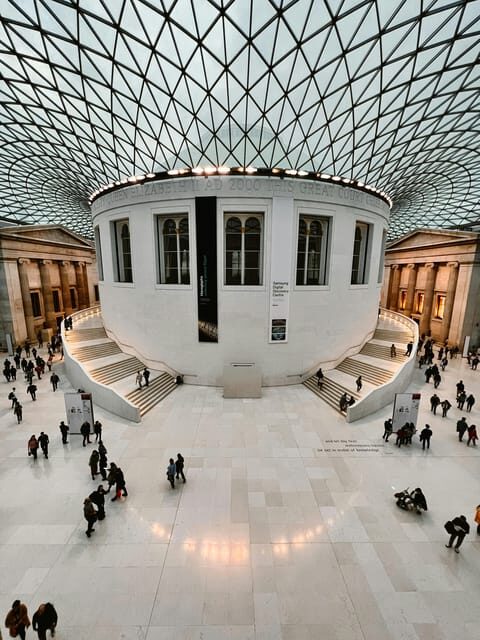
At $331 per group up to 5, this is priced for value through group size rather than per-person bargain pricing. In other words: you’re paying for private time with a licensed guide, and you’re splitting the cost across your group.
So the question isn’t just what it costs. It’s what you get for it:
- A curated route instead of aimless wandering
- Interpretation you’d have to assemble yourself with multiple guidebooks and apps
- A smaller-group experience where questions aren’t crowded out
If you’re a solo traveler, the private-group price may feel steep unless you really want guided context fast. If you’re a duo or a small family group (up to five), it usually starts to make sense because the guide time becomes “shared” value.
Also remember the time limit: 2 hours is not long, which can be a plus if you want the best hits without eating your whole day, and a drawback if you prefer slow museum time. One piece of feedback noted the experience felt a bit expedited and shorter than expected, so if you’re the type who likes lingering, consider building in extra self-guided time after.
Who this tour fits best (and who might prefer a different format)
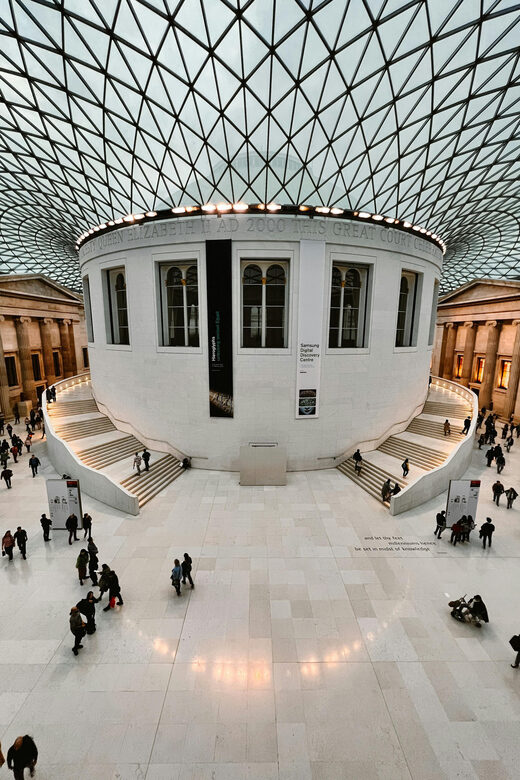
This tour is a strong match for:
- You want the big British Museum highlights without planning a route
- You care about context, especially for the Rosetta Stone and the Parthenon sculptures
- You’re traveling with friends or family and want a private group rather than a crowd tour
- You like history that links cultures instead of treating each gallery as separate trivia
It may be less ideal if:
- You want to spend long stretches in one room
- You’re hoping for a slow, gallery-by-gallery experience with minimal movement
- You’re very sensitive to pace and dislike tours that feel time-boxed
Quick, practical expectations as you plan your day
Bring comfortable shoes. That’s not a throwaway line. A 2-hour guided museum tour still involves plenty of walking, turning, and stopping.
Think of this as a “guided orientation” plus “high-impact highlights.” You’ll likely leave with a better sense of what to explore next, because you’ll understand the museum’s logic instead of just collecting a few impressive images.
And if you’re arriving with preconceptions—like strong opinions about the Elgin Marbles—going with a licensed guide is helpful. You can expect a more grounded explanation of what the pieces are and why they’re debated.
Should you book this British Museum private guided tour?
I’d book it if you want an efficient, guided overview that connects Egyptian deciphering, Greek art and political controversy, Roman storytelling, and global culture in one sweep. The private group size up to 5 and the guide-led interpretation make it feel worth it, especially if you’re the sort of traveler who hates walking into a museum and guessing what matters.
I’d hesitate if you need lots of time to linger in galleries or if you’re hoping for a long, deep study session. Because it’s 2 hours, the pace can feel brisk—and one feedback signal pointed to that exact concern.
If you want a focused, high-value introduction to the British Museum’s most significant objects, this is a smart way to do it.
FAQ
How long is the British Museum guided tour private group?
The tour lasts 2 hours.
How many people are in the private group?
It’s a private group up to 5 people.
Where do we meet the guide?
Meet in front of the British Museum portals on the stairs near the pillars after passing the security check (not outside of the gates).
How do I receive the entry tickets?
The tickets are provided 1 hour before the tour via WhatsApp. If you don’t have WhatsApp, contact the operator by email so they can send the entry tickets another way.
What languages are available for the live guide?
The live guide is available in English, French, and Italian.
Is the tour wheelchair accessible?
Yes, the tour is wheelchair accessible.
What should I bring?
Wear comfortable shoes.
Is free cancellation available?
Yes. You can cancel up to 24 hours in advance for a full refund.