REVIEW · LONDON
London: British Museum Private Guided Tour
Book on GetYourGuide →Operated by Iconic London Taxi Tours · Bookable on GetYourGuide
Eight million objects can overwhelm you.
A private, guided visit turns the British Museum from a blur into a clear set of stories. I love the chance to ask questions and get direct answers, and I love the way the guide connects big artifacts like the Rosetta Stone and the Parthenon Marbles to the wider picture. One drawback: 2 hours moves fast, so you’ll see major highlights but not the full museum.
I also like that the plan keeps you centered on the museum’s most famous spaces, including the Great Court (Europe’s largest covered square). And because it’s a private group (up to 8), the pace is easier than wandering alone through millions of visitors. Wear comfortable shoes—and note the museum rules here: no flash photography, and no large bags or backpacks.
In This Review
- Key Points Before You Go
- Meeting at Edward VII Entrance: A Clean Start at Montague Place
- Why a Private 2-Hour Tour Works in a Museum That Big
- Great Court: Getting Oriented in Europe’s Largest Covered Square
- Rosetta Stone and Ancient Egypt: The Artifact That Changes Everything
- Parthenon Marbles: Greek Sculpture and the Power of Scale
- Easter Island’s Hoa Hakananai’a: A Remote Mystery in One Room
- Lewis Chessmen and Viking-Era Craft: Small Objects, Big Connections
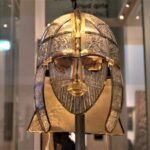
- Sutton Hoo Ship Burial: Anglo-Saxon Treasure Without the Guesswork
- The British Empire Angle: Context You Should Actually Have
- After the Tour: Using the Recommendations to Keep Exploring
- Should You Book This British Museum Private Tour?
- FAQ
- How long is the British Museum private guided tour?
- Where is the meeting point?
- How much does the tour cost?
- What’s included in the tour price?
- What key artifacts will I see?
- What are the rules for bags and photography?
- What should I bring?
- Is the tour wheelchair accessible?
- Is free cancellation available, and can I reserve without paying right away?
Key Points Before You Go
- Private group up to 8: enough space for real Q&A without feeling rushed by a crowd
- 2 hours of named highlights: Rosetta Stone, Parthenon Marbles, Hoa Hakananai’a, Lewis Chessmen, Sutton Hoo ship burial, and more
- Great Court time: you’ll get oriented in Europe’s largest covered square
- British Empire context: you’ll hear how it shaped what ended up in the museum
- Personal recommendations at the end: guidance on other objects to seek out next, plus local dining ideas
Meeting at Edward VII Entrance: A Clean Start at Montague Place
This tour meets at the rear British Museum entrance on Montague Place, specifically the Edward VII entrance. A guide will contact you by WhatsApp/message with a description so you can spot them quickly. That matters because the British Museum is famous and also huge. Getting lost before you even start is the easiest way to waste your limited time.
Once you’re inside, you’ll work from a simple advantage: you’re not trying to figure out the museum while crowds roll around you. You’ll get a guided route focused on major objects that most people come to see anyway. That gives you a better sense of where things are, and it helps you leave with a mental map, not just photos.
One more practical note: the museum experience here is designed for light movement. You won’t want bulky luggage or a backpack, and you’ll be happier with shoes that can handle lots of walking on indoor floors.
You can also read our reviews of more guided tours in London



Why a Private 2-Hour Tour Works in a Museum That Big
The British Museum covers an eye-watering span of time: two million years across six continents, and the collection includes about 8 million objects. It also draws up to 6 million visitors each year. That scale is great for ambition, but terrible for planning on your own.
A private 2-hour format is a smart compromise if you want something more than the standard quick glance. You’re paying for focus. Instead of wandering into a random gallery, you’re guided to key pieces and the stories behind them. And because it’s a private group, you can ask the questions that actually matter to you—why an object is important, how it was discovered, and what’s being said (and not said) about the world it came from.
Here’s the value math. The price is $263 per group up to 8 for about 2 hours. If you have a group of 8, that’s roughly $33 each. If you’re going as two people, it’s about $132 each. Either way, the tour’s worth improves if you’re the type who likes context and prefers a real guide to timed entry and guesswork.
Great Court: Getting Oriented in Europe’s Largest Covered Square
Before you chase artifacts, you want bearings. The British Museum’s Great Court is the kind of space that instantly helps with that. It’s the largest covered square in Europe, and it acts like the museum’s indoor crossroads.
When you stand here, you’ll notice something important: the British Museum isn’t just rooms stacked together. It’s a planned layout where different wings connect and where major collections are organized for visitors. A guided moment in the Great Court helps you understand how to read the museum. After that, you’re less likely to feel like you’re walking in circles.
There’s also a quieter benefit. Even though the museum is busy, the Great Court experience gives you a mental pause. It’s a good place to start thinking in themes—Egypt, Greece, Rome, the medieval world, and the Viking and Anglo-Saxon eras—because the tour is structured around exactly that kind of journey.
Rosetta Stone and Ancient Egypt: The Artifact That Changes Everything
If you only see one object, you understand the temptation. The Rosetta Stone is the key to deciphering Egyptian hieroglyphs. That one sentence is why this piece pulls people in fast.
With a guide, you don’t just look at the stone. You learn why it became the breakthrough it did, and how this kind of deciphering unlocks whole civilizations for modern readers. That’s the real payoff: you start connecting the museum object to the bigger skill it enabled—reading Egyptian writing rather than staring at symbols you can’t interpret.
You’ll also get help putting it in human context. Ancient Egypt isn’t only about tombs and mummies. It’s about language, administration, belief, and daily life across centuries. A good guide makes the object feel like a tool, not a trophy behind glass.
Potential drawback: because the Rosetta Stone is such a focal point, you may have to accept brief viewing time and crowd movement. The private format helps, but you’re still in a famous public museum.
Parthenon Marbles: Greek Sculpture and the Power of Scale
Next up, the Parthenon Marbles. These are some of the most famous sculptures from Ancient Greece, and they’re important not only artistically but historically—because they represent how power, belief, and civic pride were displayed through art.
In a guided stop, the goal is to help you see details without losing the big picture. A guide can point out what you should look for, then connect it to why these pieces mattered in the first place. That’s how you get beyond the classic wow moment and into real understanding.
There’s also a value in timing. In a quick self-tour, you might spend too long here and then feel stressed about catching the rest. With a 2-hour guided highlights run, you’ll get to see the marbles while still keeping space for other heavy hitters.
You can also read our reviews of more private tours in London




Easter Island’s Hoa Hakananai’a: A Remote Mystery in One Room
The Easter Island statue, Hoa Hakananai’a, is a striking contrast to the Egypt and Greece stops. You’re shifting to the remote Pacific—one of those cultural jumps that makes the British Museum feel like a world map.
A guide’s job here is to help you slow down and look. The statue isn’t just a sculpture; it’s part of a far-reaching story about where it came from, how people understand it, and how objects travel across oceans and centuries before they end up in a major European museum.
This is one of the best stops for asking questions. If you’re the type who wonders about the journey of artifacts—how they were discovered, collected, and brought to museums—this is where you’ll feel the most engaged.
Lewis Chessmen and Viking-Era Craft: Small Objects, Big Connections
The Lewis Chessmen are one of those museum moments that flips your expectations. They’re Viking-era chess pieces from the 12th century, and they’re known for intricate carving and craftsmanship.
Seeing them on a guided tour works because your guide can frame them beyond the word chess. You’ll likely connect them to medieval life, leisure, and how people in different places used games to build social ties. It’s also a reminder that the Middle Ages weren’t only wars and walls. Everyday culture included art, skill, and play.
You also get a practical viewing benefit: the guide helps you focus on the details that make these pieces stand out. In a public museum with short attention spans, those details can get missed fast.
Sutton Hoo Ship Burial: Anglo-Saxon Treasure Without the Guesswork
Then there’s the Sutton Hoo ship burial, which is described as a stunning Anglo-Saxon royal treasure hoard. If you’ve heard of Sutton Hoo, you know the discovery story is as gripping as the artifacts themselves. If you haven’t, the tour is built to get you up to speed.
On a private highlight tour, the key is how your guide ties objects to the larger Anglo-Saxon world. You’re not just looking at things. You’re learning what they might mean about status, belief, trade, and power.
This stop is also a good check for your own interests. If you’re drawn to early Britain, funerary culture, and the way wealth expresses rank, you’ll leave wanting more. And that leads nicely into the tour’s final perk: recommendations on other objects to explore after you’ve seen the big names.
The British Empire Angle: Context You Should Actually Have
One of the most useful parts of this tour is the way the guide discusses the British Empire and its impact on the museum’s collection. That topic can feel heavy, but it’s exactly what helps you make sense of how collections formed—especially in a museum that holds objects from across the world.
Instead of treating the artifacts as isolated masterpieces, you’ll hear how power and expansion shaped what came to London. That doesn’t erase beauty or craft. It gives you a fuller reading of the room you’re standing in.
This is also where asking questions pays off. If you care about ethics, provenance, or cultural context, you can use the guide to understand what the museum tells you—and what you still need to look up on your own.
For me, this approach is the difference between seeing famous things and understanding why those famous things are here.
After the Tour: Using the Recommendations to Keep Exploring
Two hours is a taste. But the tour is designed so you don’t waste that taste. At the end, you receive personalised recommendations on other artifacts to explore and the best local dining options to round out your day.
That’s useful because the British Museum can feel like an endless list. When someone points you toward specific objects and themes, you can choose what matches your time, energy, and interests. If you’re more into ancient Egypt, you can steer that direction. If you want to keep working through Britain’s earlier history, you’ll have a starting point.
If you’re planning a longer visit, keep this in mind: the museum is huge and gets up to 6 million visitors a year, so even a well-planned route can meet crowds. Your tour gives you a head start on what to prioritize when you return.
Should You Book This British Museum Private Tour?
Book it if you want a fast, focused way to see major highlights like the Rosetta Stone, Parthenon Marbles, Hoa Hakananai’a, Lewis Chessmen, and the Sutton Hoo ship burial, with time to ask questions. It’s also a strong pick if you like getting context, not just photos—especially with the British Empire discussion and the practical orientation around spaces like the Great Court.
Skip it or plan extra time if you’re hoping to go deep on everything. This is 2 hours, and it’s built for the big names and key themes, not a full museum marathon. Also remember the rules: comfortable shoes help, and you’ll want to travel light since large bags and backpacks aren’t allowed and flash photography is off.
FAQ
How long is the British Museum private guided tour?
It runs for 2 hours.
Where is the meeting point?
You meet at the rear British Museum entrance on Montague Place, at the Edward VII entrance. The guide contacts you in advance with a message description to help you identify them.
How much does the tour cost?
The price is $263 per group, up to 8 people.
What’s included in the tour price?
A private expert guide, a highlights tour inside the British Museum, viewing of key artifacts like the Rosetta Stone and Parthenon Marbles, and insights into the British Empire and how the museum’s collection was created. You also get recommendations at the end for other artifacts and local dining options.
What key artifacts will I see?
The tour includes viewing the Rosetta Stone, the Easter Island statue (Hoa Hakananai’a), the Parthenon Marbles, the Lewis Chessmen, the Sutton Hoo ship burial, and more.
What are the rules for bags and photography?
Luggage or large bags are not allowed, backpacks are not allowed, and flash photography is not allowed.
What should I bring?
Comfortable shoes.
Is the tour wheelchair accessible?
Yes, it’s wheelchair accessible.
Is free cancellation available, and can I reserve without paying right away?
Yes. You can cancel up to 24 hours in advance for a full refund, and you can reserve now and pay later.