REVIEW · LONDON
London: British Museum Private Tour & Tickets Included
Book on GetYourGuide →Operated by DS Tours London · Bookable on GetYourGuide
Two hours, and the British Museum makes sense. This private guided visit gets you straight to the museum’s most important objects while also sprinkling in lesser-known pieces so you’re not just collecting names. You’ll explore major highlights like the Rosetta Stone and the Parthenon Marbles, plus standout works from Egypt, Assyria, Greece, and beyond—all with a professional guide who can slow down or speed up.
I love the fact that this is private and you can set the pace for your group. When the guide asks what you want to see most, the tour feels tuned to you, not to a large herd. I also like that the time is used well: you get the big-ticket museum icons (Ramses II, Double-headed Serpent) alongside crowd-pleasers people often miss (Moai from Easter Island, Lewis Chessmen, Waddesdon Bequest).
One consideration: the British Museum is huge, and a 2-hour tour can’t cover everything. You’ll focus on the most significant objects and key galleries, so if you want every wing and every temporary display, you’ll need more time (and temporary exhibitions aren’t part of this tour).
In This Review
- Key things to know before you go
- Private time with the British Museum, not a race through galleries
- Where you meet and how to get oriented fast
- The headline objects: Rosetta Stone, Ramses II, Parthenon Marbles, and the stories between
- The Rosetta Stone
- Ramses II
- Parthenon Marbles
- The Double-headed Serpent
- Assyrian Lamassu
- Moai from Easter Island and the global museum effect
- Lewis Chessmen and Waddesdon Bequest: when small objects get big stories
- Lewis Chessmen
- Waddesdon Bequest
- How the guide keeps two hours from feeling too short
- Tickets included: value math and what’s not covered
- Practical tips: what to bring, what to avoid, and how to be comfortable
- Who should book this private British Museum tour
- Should you book this British Museum private tour?
- FAQ
- Where do I meet the guide?
- How long is the tour?
- What’s included in the price?
- What languages are the guide tours offered in?
- What are the important rules during the visit?
- Is there flexibility if my plans change?
Key things to know before you go
- Great Court meeting point: start at the info desk in the Great Court, right side as you enter from Great Russell Street
- Tickets included: your entry to the British Museum is part of the price
- Major icons + surprise objects: Rosetta Stone, Ramses II, Parthenon Marbles, Moai, Lewis Chessmen, and more
- Your pace, not a schedule: the guide customizes the flow for couples, families, and mixed groups
- Photo help when it matters: the guide can assist with timing for family pictures and photo settings
- No flash photography inside the museum
Private time with the British Museum, not a race through galleries
This is the kind of British Museum tour that works because it’s built around attention. You’re not stuck scanning labels while you dodge elbows; you get a guide who can point out what to look for and why it matters. With a private group (priced for up to 3 people), the experience stays personal even in a museum that can feel like a maze.
The tour lasts 2 hours, which is a sweet spot for someone who wants context without ending up exhausted. You’ll move through the collections at a pace that fits your group’s interests, whether you care more about ancient kings, cross-cultural artifacts, or the stories behind famous objects.
Just note the trade-off: you’re not seeing the entire museum. This tour is about smart selection—major objects plus a few favorites that add variety—rather than a complete walk-through of every gallery.
You can also read our reviews of more tours and experiences in London


Where you meet and how to get oriented fast
Your guide meets you at the info desk in the Great Court. You’ll find it on the right-hand side as you enter the museum from Great Russell Street. This matters because the museum layout can be confusing if you’re arriving on your own and trying to locate the “right place” while also reading signage.
Starting in the Great Court is practical. It’s central enough that the guide can quickly explain how the next stops connect, so the tour doesn’t feel like random hopping between rooms. And since the museum is large, getting your bearings early saves energy for the objects you actually came for.
The headline objects: Rosetta Stone, Ramses II, Parthenon Marbles, and the stories between
This tour’s backbone is the British Museum’s most recognizable pieces, because they’re also the most teachable. The guide doesn’t just name the items; they help you connect them to bigger themes like language, empire, art, and belief.
The Rosetta Stone
You’ll see the Rosetta Stone, the artifact that’s famous for how it helped people unlock meaning in ancient Egyptian writing. Standing in front of it is one of those museum moments where the guide’s narration can turn a display case into a real historical puzzle. You’ll likely get the essentials of how inscriptions relate to translation and why this object became such a key reference point.
Ramses II
Next up is Ramses II, which gives you a strong Egypt focus. A guide can help you look past the obvious grandeur and notice details that show how rulers wanted to be remembered. It’s a chance to understand how power shows up in art, and how images were designed to last.
You can also read our reviews of more private tours in London



Parthenon Marbles
You’ll also visit the Parthenon Marbles. These are famous for a reason, but they can feel abstract if you’re only reading short label text. With a guide, you can slow down and focus on what these pieces communicate through sculpture, composition, and the way the classical world shaped later art.
The Double-headed Serpent
One of the more intriguing named stops is the Double-headed Serpent. Objects like this are great because they often raise questions: symbolism, myth, and how different cultures used visual language to talk about protection, authority, or the spiritual world. Even if you’re not a specialist, your guide can frame it in a way that’s easy to follow.
Assyrian Lamassu
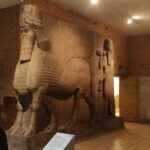
You’ll also see the Assyrian Lamassu. These guardian figures are known for their imposing presence, and they work best when you understand what you’re looking at: protective imagery tied to city power and palace life. This is one of those stops where the guide’s “look at this, not that” approach can make the object feel more alive.
The overall value here is the flow of ideas. You come in for the icons, but you leave with a clearer sense of how different civilizations expressed identity—through writing, rulers, myth, and monumental art.
Moai from Easter Island and the global museum effect
A British Museum highlight isn’t only about Europe or the Near East. This tour also includes Moai from Easter Island, which adds a powerful change of perspective.
Moai figures feel different in person because they’re built for distance and presence. With a guide, you can understand why these statues mattered where they came from, and how their scale and placement tie to community and landscape. It’s a reminder that the museum’s story is global, not just a collection of famous European classics.
You also get variety in the way artifacts “speak.” Egypt and Assyria can feel like empires of stone. Easter Island shifts the mood toward something more monumental and place-based. That contrast is one reason the tour works: it keeps your brain engaged.
Lewis Chessmen and Waddesdon Bequest: when small objects get big stories
The tour doesn’t stop at the biggest, most photographed pieces. You’ll also see Lewis Chessmen and the Waddesdon Bequest, which are excellent examples of why a good guide matters.
Lewis Chessmen
Lewis Chessmen are fascinating because they’re both art and everyday-game culture from long ago. A guide can help you notice the craftsmanship and explain why chess pieces ended up as a historical clue about the past. If you like objects that feel closer to daily life (even though they’re centuries old), this stop is a good emotional pivot from the monumental stuff.
Waddesdon Bequest
The Waddesdon Bequest adds a different kind of British Museum experience: decorative arts and remarkable pieces that can be easy to overlook if you’re only chasing the most famous galleries. This stop helps you see the museum as more than a history showroom. It’s where you get a feel for materials, design, and the “hands-on” creativity behind collections.
If you’re the type who gets bored by label-only sightseeing, these objects are a cure. They’re visually engaging, and they give the guide room to explain how collecting, collecting categories, and cultural storytelling all connect.
How the guide keeps two hours from feeling too short
A two-hour museum tour can either feel efficient or rushed. This one is built to avoid the rushed feeling by letting the guide adjust the approach based on your group.
If you’re a family, the tour is designed to land well with kids. Reviews highlight that the guide handled children with care and energy, including a family with a 10-year-old and an 8-year-old. That’s a big deal in London, where a museum can turn into a long “sit and read” experience unless someone knows how to make the objects feel immediate.
Another standout detail: Damiano (a named guide in feedback) is praised for mixing history with anecdotes, and for managing the flow even when the museum is full of people. The guide also offered practical pointers for photos, including suggestions on settings and multiple chances to take family pictures during the tour.
You’ll also appreciate the customization. If your group loves Egypt more than Greece, or you want more focus on myth and symbolism, the guide can shift the emphasis. That flexibility is a major part of the value, because it changes what you actually experience—not just what you pass by.
Tickets included: value math and what’s not covered
At $168 per group (up to 3), this is priced for small groups who want a guide, not just museum entry. The big value move is that entry tickets are included. In London, when you add up tickets plus guided attention, private experiences can get expensive fast—so having entry bundled helps.
You’re paying for:
- a professional guide for the full 2 hours
- curated access to major artifacts plus a few additional favorites
- a tour that can be customized to your pace and interests
What’s not included matters too. Temporary exhibitions are not included in this tour. If temporary shows are a priority for you, you may need to plan extra time (and possibly additional tickets) around the guided portion.
Also, it’s private but still within museum reality: you’ll cover selected highlights, not everything. Think of this as the British Museum “greatest hits with real context,” not a full museum passport.
Practical tips: what to bring, what to avoid, and how to be comfortable
The museum experience will be better if you prepare for walking. Wear comfortable shoes. Even with a guide, you’ll be moving across galleries, and 2 hours adds up fast when you’re standing still to look.
A few rules to plan around:
- No flash photography inside the museum
- No oversize luggage
- Unaccompanied minors aren’t allowed
Good news: the experience is wheelchair accessible, so the physical layout can be workable if you’re traveling with mobility needs.
Who should book this private British Museum tour
This tour is a strong match if you:
- want a guided visit focused on the museum’s top artifacts
- prefer your pace over following a big group
- are traveling with kids and want a guide who can keep them engaged
- care about context, not just a list of objects
It’s also a good option if you’ve visited London before and want a “made-for-learning” day without committing to a full self-guided marathon.
If you’re the type who wants to wander every gallery, read every label, and also tackle temporary exhibitions, you may feel boxed in by the 2-hour limit. In that case, this works best as a high-impact start, then you continue on your own afterward.
Should you book this British Museum private tour?
Yes, if your goal is to see the British Museum’s greatest highlights with explanation and a pace that fits your group. The ticket-included price for a private group of up to 3 people feels like a fair trade for the attention you get, especially when the guide can tailor the tour and support families well.
Book it if you want your time to count: Rosetta Stone, Ramses II, Parthenon Marbles, Moai from Easter Island, Lewis Chessmen, Waddesdon Bequest, and major figures like the Assyrian Lamassu. You’ll also leave with a clearer sense of how objects connect across cultures.
Skip or add extra time if temporary exhibitions are your main mission or if you’re determined to see almost everything. This tour is a focused hit list done the right way, not a full museum takeover.
FAQ
Where do I meet the guide?
Meet at the info desk in the Great Court. When you enter the museum from Great Russell Street, it’s on the right-hand side.
How long is the tour?
The tour lasts 2 hours.
What’s included in the price?
The tour includes a private guide, British Museum entry tickets, and a tour that’s customized to your group’s needs.
What languages are the guide tours offered in?
The live tour guide is offered in Italian and English.
What are the important rules during the visit?
You should bring comfortable shoes. Flash photography is not allowed, oversize luggage isn’t allowed, and unaccompanied minors aren’t allowed.
Is there flexibility if my plans change?
There is free cancellation with a full refund if you cancel up to 24 hours in advance. You can also use reserve now & pay later.