REVIEW · LONDON
London: British Museum Tour with Archaeologist Guide
Book on GetYourGuide →Operated by Spirit of Discovery Tours · Bookable on GetYourGuide
Ancient worlds show up fast. This archaeologist-guided British Museum tour turns a chaotic building into a clear story of civilizations. I love how Rossa, an archaeologist guide with serious storytelling skill, links artifacts to the people who made and used them. I also love the pacing: skip-the-line entry plus a focused route means you get major treasures without losing your day. One possible drawback: it’s 2.5 hours of highlights and context, not time to wander every gallery at your own pace.
You meet the guide at Russell Square Station, holding a tablet that reads Spirit of Discovery. The group heads in promptly (and the museum has an entry slot), so plan to arrive early, not after the fact.
In This Review
- Key things you’ll notice right away
- Getting oriented at Russell Square and why punctual matters
- Why an archaeologist guide changes the British Museum game
- Rosetta Stone and Egypt: learning the code, not just staring at it
- Assyria and Greece: palaces and marble that tell you how empires advertised themselves
- From Aztec crown jewels to Moai: how one collection links faraway worlds
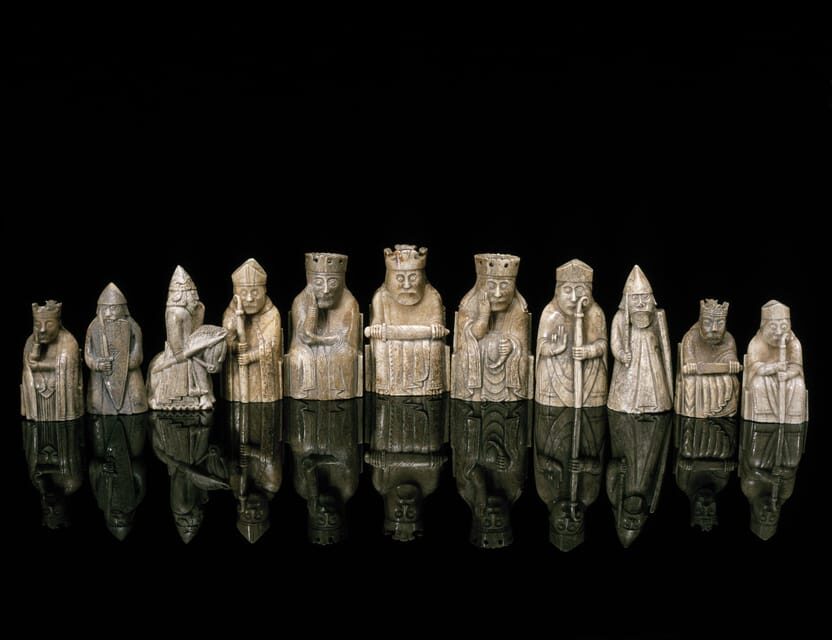
- Vikings at the museum: the Lewis Chessmen as real history, not just a curiosity
- Sutton Hoo and King Raedwald: when the Dark Ages feel human
- Parthenon Marbles and big-ticket artifacts: how to actually enjoy them in limited time
- What the 2.5-hour format really means for your day
- Who should book this British Museum archaeology tour
- Price and value: what $58 buys you here
- Should you book it?
- FAQ
- Where does the tour meet?
- Do you skip the line?
- How long is the British Museum tour?
- What’s included in the $58 price?
- Is the tour wheelchair accessible?
- What should I bring, and what can’t I bring?
Key things you’ll notice right away
- Rossa’s archaeology-style storytelling that connects objects to real lives, not just labels
- A tight route through famous exhibits like the Rosetta Stone and Parthenon Marbles
- Cross-century jumps that actually make sense (Egypt to Assyria to Greece, then Vikings to Sutton Hoo)
- Viking and early medieval highlights including the Lewis Chessmen and the Sutton Hoo hoard
- Smart question time and clear explanations that work for adults and teens
- A route built for hearing in crowded rooms, helped by the guide’s strong speaking voice
Getting oriented at Russell Square and why punctual matters
Start at Russell Square, at the station entrance. Your guide meets you there with a tablet showing Spirit of Discovery, and then the group walks in on foot—fast. The practical reason is simple: the tour has a scheduled entry slot, and the group leaves promptly at 9:45am. That means you should build in extra time to get from wherever you’re coming from to Russell Square Station.
This matters more than it sounds. The British Museum can feel like a maze when crowds are thick. If you arrive late, you can disrupt the flow—so the whole thing runs on time. If you do get delayed, the instructions are clear: call to be directed to the group.
Also plan for the walking: this is a museum tour, not a bus ride. Wear comfortable shoes and bring water. You’ll be standing and moving between galleries, and you don’t want to feel tired before the good stuff starts.
You can also read our reviews of more guided tours in London



Why an archaeologist guide changes the British Museum game
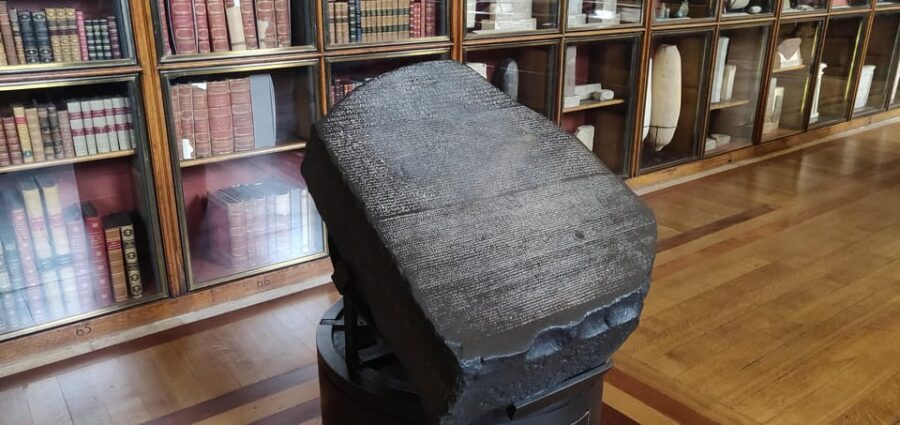
The British Museum is big in the way that makes you question your life choices. You show up, you see a wall of stuff, and suddenly you’re just reading labels and hoping something sticks. The value of this tour is that an archaeologist guide gives the artifacts an order—and an explanation you can remember.
Rossa’s approach is built around meaning:
- who made each object
- what it was used for
- why it matters historically
- what scholars still debate or puzzle over
You’ll also notice he doesn’t treat the museum like a checklist. The tour focuses on a set of key displays, but the stories behind them are the point. One review described the experience as far more meaningful than relying on plaques alone, and that tracks with how the tour is structured: you get context before you’re surrounded by details.
There’s another small but real perk: Rossa uses an iPad and historical notes while guiding. That makes the storytelling feel grounded and prepared, not winged. And in noisy galleries, having a guide with a voice that carries helps a lot.
Rosetta Stone and Egypt: learning the code, not just staring at it
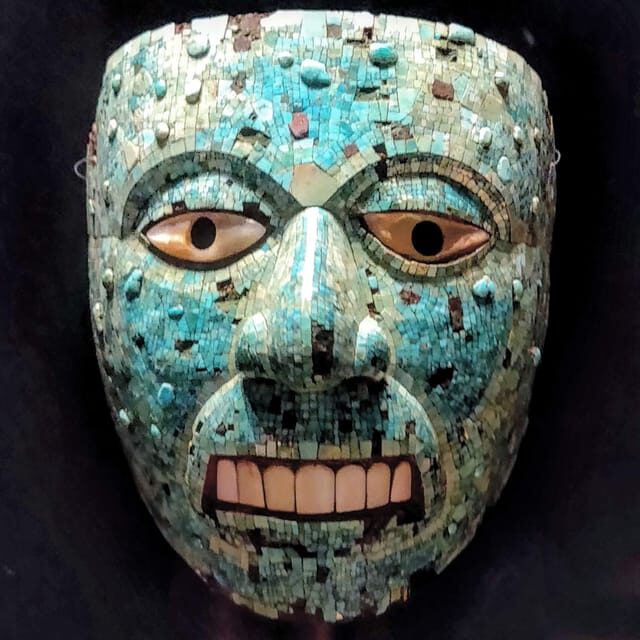
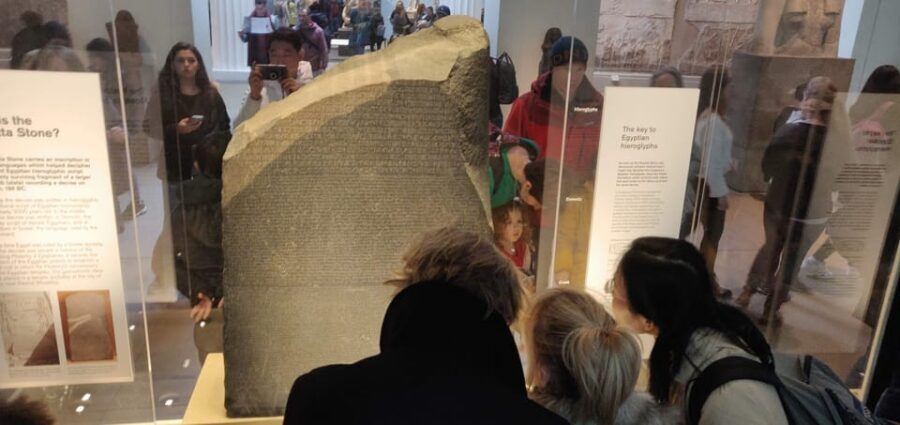
The tour kicks off with Egypt, and specifically with the Rosetta Stone—because it’s the gateway to understanding Egyptian hieroglyphs. You’re not just looking at a famous stone; you’re learning why it became the key that helped scholars crack the writing system.
From there, the tour continues through Egypt’s grandeur. You’ll see the colossal statue of Pharaoh Ramses II. A statue like that can blur into a generic “wow,” unless someone explains what you’re looking at: royal image-making, power, and how rulers wanted to be remembered. That’s the kind of connection the guide makes—turning museum scale into historical scale.
If you’ve ever felt intimidated by ancient history, this section is a confidence boost. Hieroglyphs sound hard. Ramses sounds distant. But when the objects are explained as tools of communication and authority, the museum starts to feel readable.
Assyria and Greece: palaces and marble that tell you how empires advertised themselves
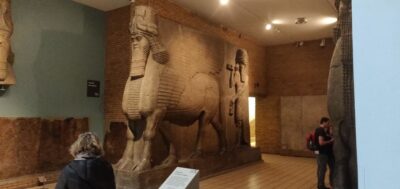
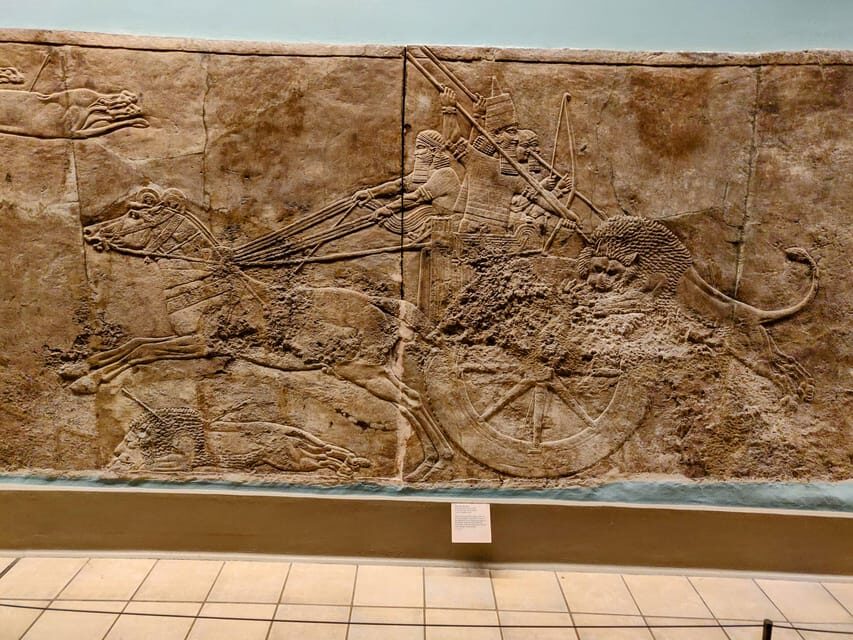
After Egypt, the tour shifts to the Assyrian Empire—towering palaces as a visual language of power. Assyrian art is full of messages: authority, conquest, control. Seeing it in a curated museum route helps you notice what you’d otherwise miss if you wandered randomly.
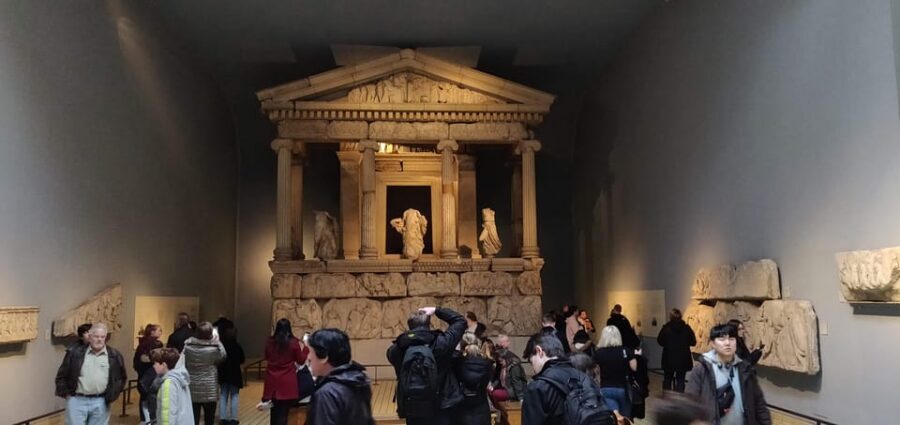
Then comes one of the museum’s headline draws: the Parthenon Marbles from ancient Greece. These pieces aren’t just “famous statues.” In the tour format, you get the story behind why they’re remembered and what they represent in Greek culture.
This is also where you’ll feel the rhythm of the guide’s method. Instead of long, vague commentary, the focus stays tied to what you can actually see in front of you. It’s built to stop you from drifting into passive sightseeing.
From Aztec crown jewels to Moai: how one collection links faraway worlds
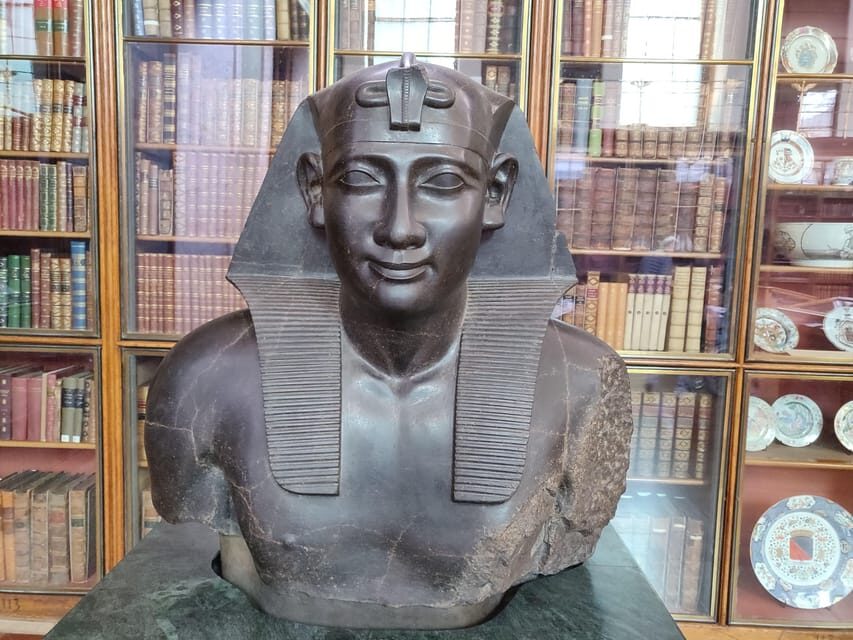
One of the most fun surprises in this tour is the variety. You’ll move beyond the usual Egypt-and-Greece comfort zone and see items tied to other civilizations, including the Aztec Empire’s crown jewels.
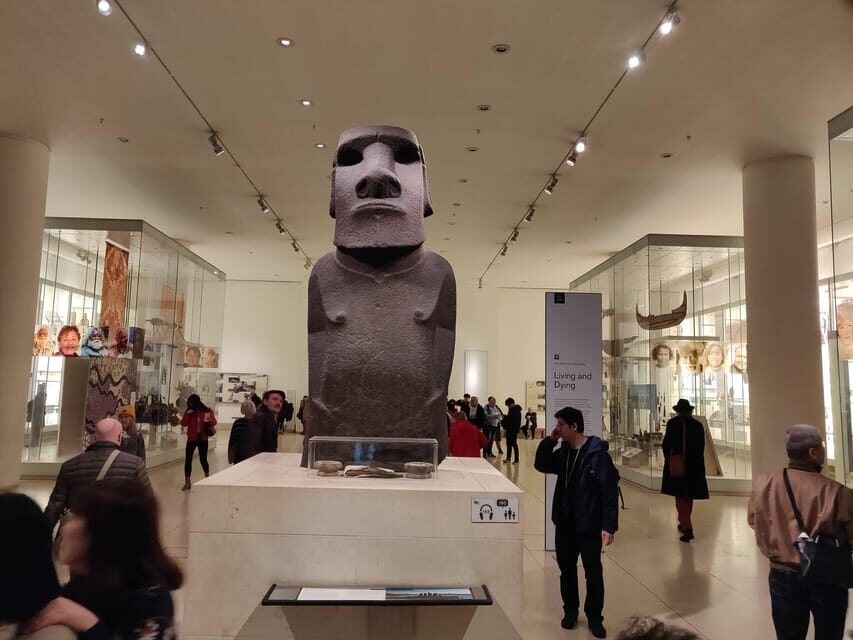
Then the tour includes the Moai statues of Easter Island. Moai can be hard to interpret without help, because they’re iconic but not always easy to connect to the bigger story of island culture from just a plaque. In the guided setting, the emphasis is on meaning—what these figures were for and why they became enduring symbols.
Even if you don’t know much about these places today, the tour helps you see the pattern: empires and societies use art and objects to communicate identity. That is the common thread, and it’s why the jumps across continents don’t feel random.
You can also read our reviews of more museum experiences in London






Vikings at the museum: the Lewis Chessmen as real history, not just a curiosity
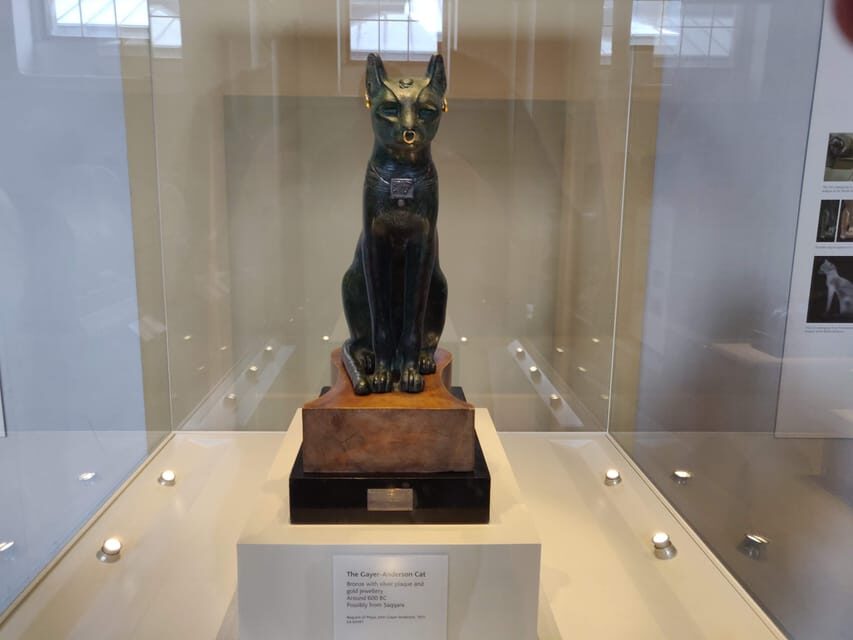
Next up is the Viking Age with the Lewis Chessmen. These are the kind of object people recognize by name but still don’t fully understand without context. On this tour, you get the guide’s interpretation of what they represent, and why they matter so much for what we can learn about everyday life, culture, and craft in the North.
This is one of the sections that tends to land well with families too. In one account, even kids ages 12 and 14 stayed engaged because the guide’s explanations were tied to the object itself—what it is, how it fits into Viking life, and how archaeology helps us connect the dots.
Sutton Hoo and King Raedwald: when the Dark Ages feel human
The final big arc of the tour moves into early medieval Britain with the Sutton Hoo hoard. This is where the tour’s “archaeologist” theme feels strongest. You’re looking at objects that came out of a world that didn’t leave a lot of written records, so material culture becomes the main storyteller.
The guide frames the hoard as a rare glimpse into the world of the mysterious King Raedwald—what that period looked like, and why Sutton Hoo stands out in understanding early English history.
If you’re hoping for the most emotionally satisfying part of the tour, this section is often it. It’s not just famous; it’s compelling because it feels like discovery. You can see the seriousness of how archaeologists interpret objects when history is incomplete.
Parthenon Marbles and big-ticket artifacts: how to actually enjoy them in limited time
A big museum problem is that famous items can feel like tourist checkpoints. You spot the Parthenon Marbles, you snap a photo, and you move on. The tour helps you slow down enough to notice what’s important.
You won’t have the luxury of spending an hour with every object here. But you’ll get:
- a focused selection of major exhibits
- context for why those items matter
- a “why this, why now” explanation so the artifacts don’t feel random
In 2.5 hours, that’s the most realistic way to see the best of the museum while still learning something. The guide also leaves you with pointers for how to continue on your own afterward, so the tour acts like a strong starting point rather than a full substitute for exploring.
What the 2.5-hour format really means for your day
This is a short tour, and that’s both the strength and the constraint.
The strength: it keeps you from getting stuck in the British Museum’s time sink. You get a guided route that hits major galleries and makes them understandable. Several accounts praised how the time flew by and how the pacing stayed engaging.
The constraint: you won’t see everything. Even if you have the energy to keep going, the tour is designed around key exhibits across eras—Egypt, Vikings, Greece, and early medieval Britain—plus other stops mentioned in the highlights. If you’re hoping for a full “every room” museum day, plan a separate self-guided visit later.
Who should book this British Museum archaeology tour
You’ll be happiest with this tour if you match one of these profiles:
- You want a fast, high-impact British Museum introduction that doesn’t require research beforehand.
- You love history when it’s explained through artifacts, not just dates and timelines.
- You’re traveling with teens or a mixed-age group and want something that keeps attention.
- You feel overwhelmed by big museums and want someone to steer you to the most important displays.
It also suits solo travelers who don’t mind joining a group. The value is in having a guide who can answer questions and guide your attention.
Price and value: what $58 buys you here
At $58 per person for a 2.5-hour tour, the price isn’t just “a guide standing nearby.” The ticket includes:
- museum entry
- the British Museum tour
- an archaeologist guide
- skip-the-line access through a separate entrance
So you’re paying for three things that are hard to replicate on your own:
1) interpretation from someone trained in archaeology
2) a time-saving route through a huge site
3) skip-the-line convenience via the separate entrance
Also, you’re not paying for food. Since you don’t get a meal included, it works best if you plan a snack or drink before or after. A tour like this is ideal earlier in the day, when you still have stamina to keep moving.
Should you book it?
Yes, if your priority is seeing the British Museum’s top treasures with real context in a short window. This tour is strongest for people who want the museum story explained as connections across civilizations—Egypt to Assyria to Greece, then Vikings, Easter Island, and Sutton Hoo.
Book it if you:
- like guided structure in big museums
- want your photos to come with meaning
- prefer learning that’s tied to what you’re actually looking at
Don’t book it if your goal is to wander slowly for hours and read every label. In that case, you’d do better with a longer self-guided plan.
If you’re trying to make the most of limited time in London, this is a smart way to get value from the British Museum without turning your day into a blur.
FAQ
Where does the tour meet?
You meet your guide at the entrance of Russell Square Station. The guide will be holding a tablet that shows Spirit of Discovery.
Do you skip the line?
Yes. The tour includes skip-the-line entry through a separate entrance.
How long is the British Museum tour?
The tour runs for 2.5 hours.
What’s included in the $58 price?
The price includes entry to the British Museum, the guided tour, and an archaeologist guide.
Is the tour wheelchair accessible?
Yes, it is wheelchair accessible.
What should I bring, and what can’t I bring?
Bring comfortable shoes and water. Don’t bring luggage or large bags, and don’t bring weapons or sharp objects.