REVIEW · LONDON
London: Jack the Ripper Walking Tour with an App
Book on GetYourGuide →Operated by Trippy Tour Guide · Bookable on GetYourGuide
Jack the Ripper starts with a street you can actually reach. This self-guided audio tour turns Whitechapel and Spitalfields into a walkable mystery, with stories that play automatically as you move and 40+ narration points along the way. It is a smart way to see the neighborhood at your own pace without joining a group schedule.
I especially like the route design and the pacing. You get long stretches of walking between real-world locations like Spitalfields Market and Mitre Square, plus built-in pub stops that make it feel like the walk has natural breaks.
One thing to consider: the experience depends heavily on your phone and the app’s GPS timing. If your GPS reacts slowly, you may feel unsure about where you are, and if you pick a language track, some narration may not sound fully natural.
In This Review
- Key takeaways
- Why a Jack the Ripper app tour works in Whitechapel
- Getting started on Gunthorpe Street (and keeping your phone happy)
- Gunthorpe Street to Brick Lane: old housing streets and the build-up of atmosphere
- Frying Pan Pub and the market-side streets: where breaks make the story livable
- The pub-and-passage rhythm: Ten Bells, Spitalfields Market, Queens Head, and Princess Alice
- Henriques Street to Mitre Square: the route’s core murder locations
- The Workhouse, 13 Millers Court, and ending at White Hart Pub
- Narration quality, GPS timing, and language choice (what can make or break it)
- Price and value: is $12 worth 3 hours of audio mystery?
- Who should book (and who should skip this style of tour)
- Should you book the London Jack the Ripper walking tour with an app?
- FAQ
- How long is the Jack the Ripper walking tour on the app?
- Where does the tour start and where does it end?
- How much does it cost?
- What app do I need for this tour?
- Do I need an internet connection during the tour?
- Is there an in-person guide?
- How does the audio work while walking?
- How many narration points are included?
- What languages are available?
- Is entry to attractions included in the price?
Key takeaways
- 40+ narration points guide you through famous and lesser-visited locations.
- Automatic playback means you do not have to tap your way through the story.
- Pub stops are part of the route, handy for a breather and to recharge your phone.
- You control playback (start, stop, replay, rewind) so you can catch details.
- Language quality varies, so choose carefully if you are sensitive to translation.
Why a Jack the Ripper app tour works in Whitechapel
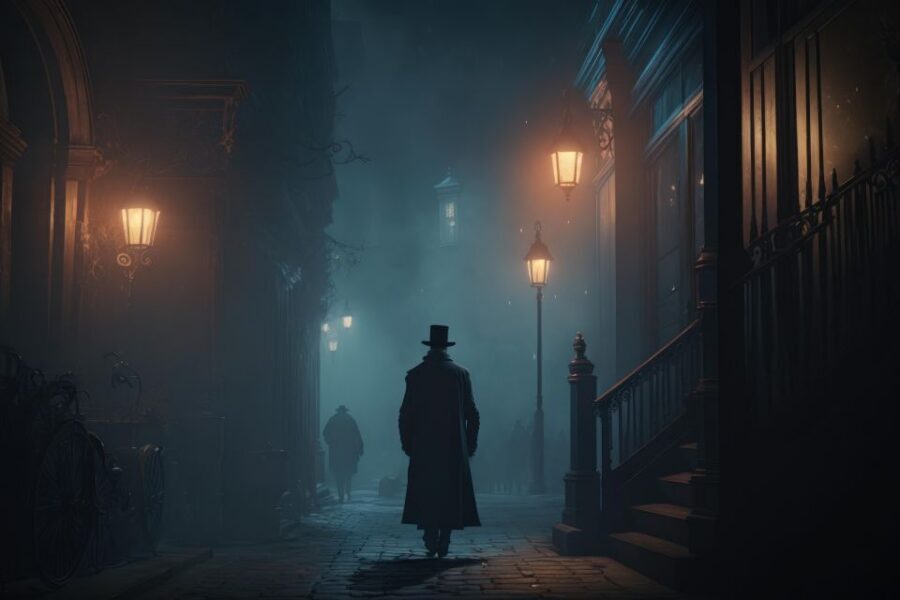
A Jack the Ripper tour can feel like two different things: a history lesson, or a suspenseful walk through streets you can picture in your head. This format tries to give you both, using audio storytelling tied to specific places.
The biggest value is control. You can pause when a street feels familiar, replay a section if a name or timeline blurs together, or rewind if you missed the point while looking at storefronts and street layout. That matters in Whitechapel, where you are walking through a tight area of turns and side streets that look similar if you do not have a guide telling you what to notice.
And it is not only about the “big name” spots. The route threads through market area streets and passages that help you understand how someone could move through the neighborhood quickly. When you connect those movement patterns to the stories, the walk becomes more than a list of murders. It becomes a sense of place.
You can also read our reviews of more walking tours in London



Getting started on Gunthorpe Street (and keeping your phone happy)
The tour begins on Gunthorpe Street, described as a quiet start point. That is a good setup: you start calm, then the neighborhood energy builds as you move toward busier streets later in the route.
Before you go, plan like a minimalist: bring a charged smartphone and make sure the app is installed and the tour is downloaded using Wi‑Fi. Because the audio is tied to your progress, you do not want to be fiddling with downloading files while you are trying to line up with the next narration point.
You also need to be comfortable with the idea that your experience is phone-driven. The stories play automatically as you go along the route, and the app also supports start/stop, replay, and rewind. That is great when it works well. If the GPS response is slow, you may feel like you are walking first and listening second. A simple trick: take your time at corners and do not rush to the next spot until the story catches up.
Gunthorpe Street to Brick Lane: old housing streets and the build-up of atmosphere
After Gunthorpe Street, the route moves to Flower and Dean Walk and Osborn Street, then continues toward Brick Lane. This segment is where you start seeing how the tour frames the neighborhood: old house-front streets first, then a more active commercial area.
Why this matters: the Jack the Ripper story is often told as a sequence of crimes. This route helps you feel the geography. Streets like Osborn Street and the surrounding lanes are a reminder that you are not walking through a museum hall—you are walking through actual urban fabric that still shapes movement today.
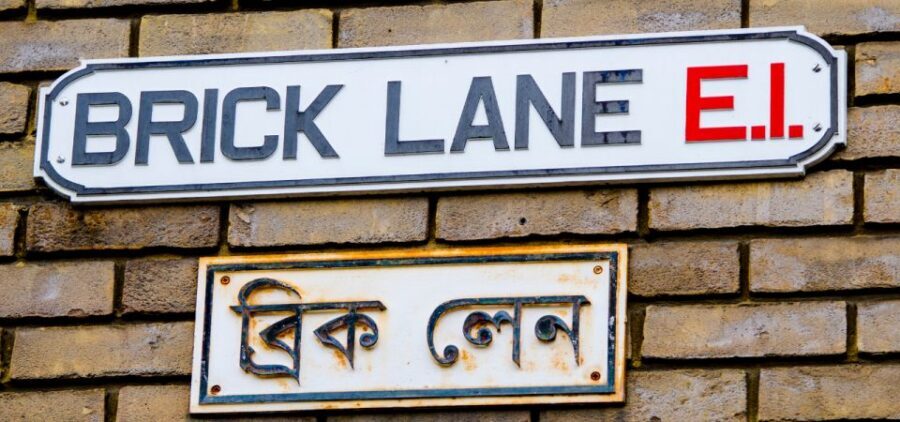
Brick Lane is a key pivot point. It is described as busy even in those days, and using that contrast helps the audio land better. You begin to understand how a dense area can create confusion, distractions, and fast-changing impressions—exactly the kind of setting murder stories thrive on.
Frying Pan Pub and the market-side streets: where breaks make the story livable
A lot of mystery walking tours feel exhausting because there is no reason to stop. This one builds in stops that make the walk easier to manage in real life. One early highlight is the Frying Pan Pub, positioned as an important place in the mystery.
Then you continue through street-name locations like Old Mortuary Street and Durward Street. These sections are less about big tourist sights and more about street-level storytelling—where the “what happened here” matters as much as the physical look of the area.
The route also points you to educational and work-related sites such as the Old Board School, the Working Lads Institute, and the Wood’s Building entrance. When an audio tour includes those types of stops, it gives you a fuller sense of daily life around the time period. That helps you avoid treating the murders like isolated headlines. Instead, the story connects to institutions and community spaces in the neighborhood.
If you want a practical tip: treat the pub stops as small resets. Order nothing fancy if you are on a budget, but use the stop to orient yourself, top up your phone, and then keep going with fresh focus.
The pub-and-passage rhythm: Ten Bells, Spitalfields Market, Queens Head, and Princess Alice
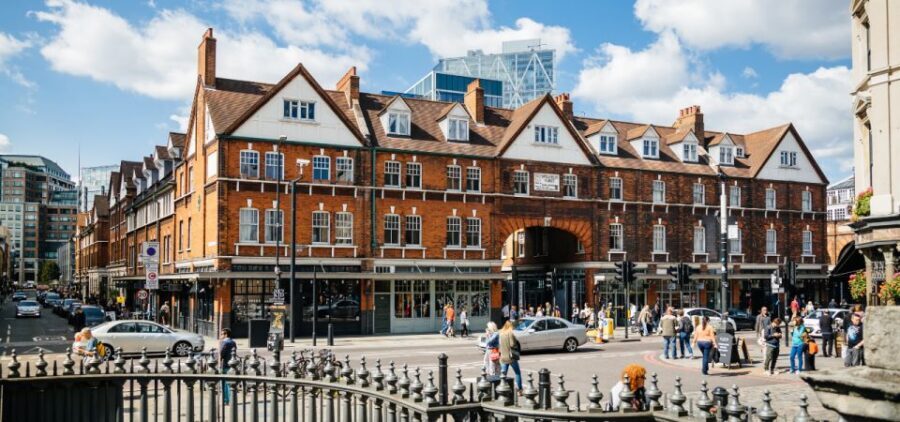
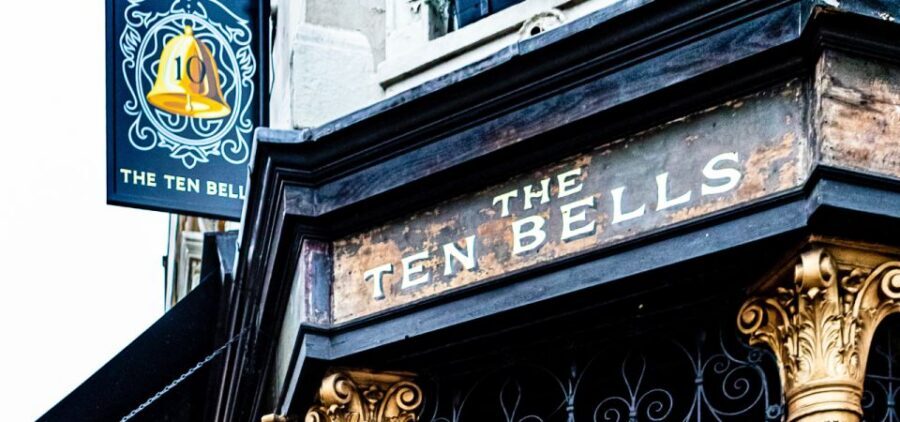
As the route presses on, you hit the area around Ten Bells Spitalfields Pub and Spitalfields Market. This is one of the tour’s most practical stretches, because markets naturally encourage you to slow down and look around. Even if the market is busy, you get a feeling for how people moved, shopped, and circulated.
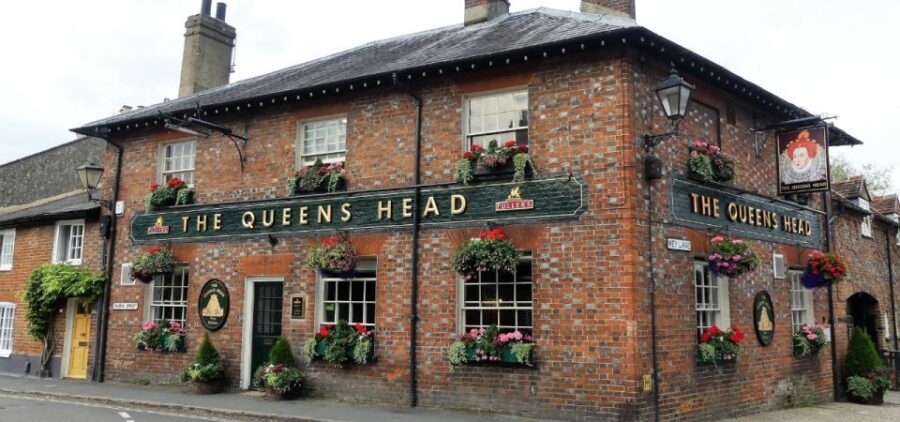
Then you get more breaks at Queens Head Pub and Princess Alice Pub. Reviews and the route structure point to a simple reality: the app can demand more from your phone battery than you expect, especially if you are also using GPS and listening with screen-on time. Having a pub stop right in the route is useful—not just for comfort, but for logistics.
After those pauses, the walk shifts back toward the most haunting story spaces. You will go from the livelier market feel into narrower, more “story-forward” lanes. That rhythm helps. You are not stuck listening to the same tone for three hours straight. The contrast gives the eerie sections more punch.
You can also read our reviews of more tours and experiences in London





Henriques Street to Mitre Square: the route’s core murder locations
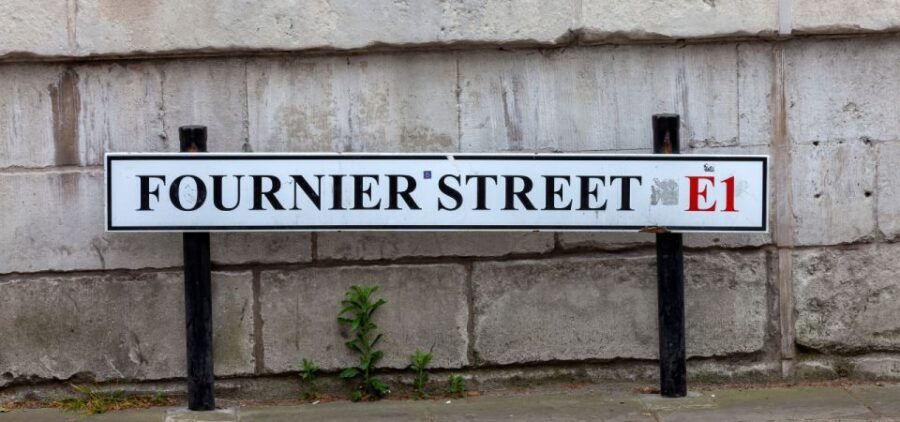
The emotional center of the walk arrives with Henriques Street, where the audio focuses on Catherine Eddowes. Henriques Street is valuable on its own, but it is even more effective in the context of the walk leading up to it—because you have already been through the surrounding geography, so the story feels grounded.
Next comes Saint James’s Passage, described as an eerie Ripper locale. Passing from a street into a passage is exactly the kind of street geometry that makes these cases feel plausible in your mind. Passages and narrow connectors change sightlines. They change how quickly people can blend into the crowd.
Then you reach Mitre Square, tied to another notorious murder. This stop is a classic example of why the audio format works: you are not just learning the name. You are watching the neighborhood layout around you shift as the story progresses.
A note for anyone sensitive to tone: if you prefer a lighter historical walk, this segment might feel intense. The content is inherently grim, and the audio is set up to heighten the mood as you move through the sites connected to the stories.
The Workhouse, 13 Millers Court, and ending at White Hart Pub
The later parts of the walk move you into places tied to hardship and tragedy, including The Workhouse. Routes like this can sometimes feel like they skip the broader social context. Here, the Workhouse stop helps you remember that these stories sit within systems of poverty and vulnerability, not just crime scenes.
Then you go to 13 Millers Court, identified on the route as a place where something sad happened to Mary Jane Kelly. This is one of the most emotionally heavy points on the itinerary, and it is also the kind of location that can hit harder because it is tied to a specific address-based story. The street experience becomes personal and immediate, even though you are just standing outside.
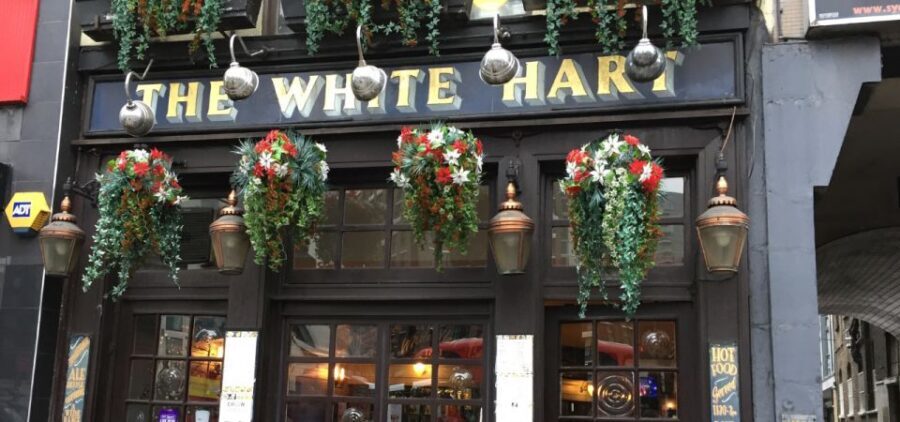
Finally, the tour ends at the White Hart Pub. Ending at a pub is not a gimmick here; it gives you a clean “finish line” and a natural place to wrap up your thoughts. You are also in a spot where it is easier to regroup—water, a snack, and checking your map for the next stop in your day.
Narration quality, GPS timing, and language choice (what can make or break it)
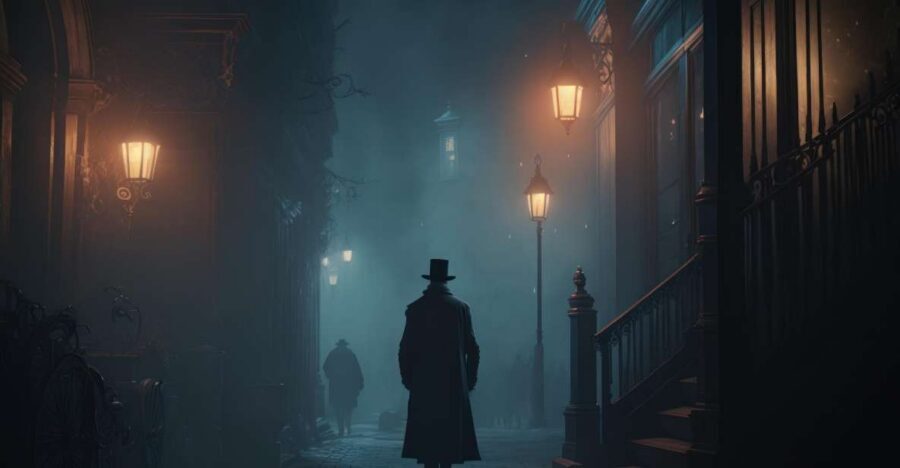
This is the part you should think about before spending your time and money. The tour provides narration in English, German, French, Spanish, Chinese, and Italian, with over 40 narration points along the route, using the Trippy Tour Guide app.
When it works smoothly, it is very intuitive because the audio plays automatically as you go. Reviews highlight that the app can work well and keep you oriented through busy streets.
But there are also clear risk points. One major issue is that GPS can be slow to react. If that happens, you may not know if you are at the correct spot when the audio begins. Another issue is language feel: at least one French-track comment suggests the narration may come through as an automatic translation, which can reduce clarity or impact if you are listening closely.
My practical advice: choose the language you understand best, and give the app a few seconds to catch up at each corner. If you notice the narration lagging behind your movement, stop briefly and confirm you are aligned before continuing.
Price and value: is $12 worth 3 hours of audio mystery?
At $12 per person for a 3-hour self-guided walk, this is priced like an affordable way to see multiple story locations in one outing. The value is not in museum-entry fees (there are no entry fees included). The value is in the number of narrated points and the way the route clusters famous areas with smaller street-name sites.
You also get flexibility that group tours often do not: you can replay parts or listen again later. That means you can treat the first pass as the “map,” then use a replay at home (or on a later walk) to tighten up names and places.
If you want value, plan to actually listen. Audio tours can become background noise if you are distracted. Commit to it for the first hour so you build the thread between streets, then decide if you want more detail or a lighter pace after.
Where it might not feel like value: if your phone battery is weak, your GPS is unreliable, or you are sensitive to machine-like translation in a language track, the experience can feel less smooth than the price suggests. For that reason, the tech prep is part of the deal.
Who should book (and who should skip this style of tour)
You should book this if you want a self-paced Jack the Ripper walk that covers a lot of ground without waiting for a group. It is ideal for people who enjoy street-level history and like to stop when something catches their eye—especially around places like Spitalfields Market, Mitre Square, and the passageways and courtyards that shape the stories.
It also fits well if you travel with your own rhythm. Because you can start, stop, replay, and rewind, you can turn it into a flexible “three-hour story route” rather than a strict guided lecture.
You might skip (or switch to a different format) if you depend on fast GPS guidance, or if you know you will not enjoy audio that may vary in translation quality. Also, if you want an in-person narrator to clarify details on the spot, this tour does not include that—there is no in-person guide, only the app.
Should you book the London Jack the Ripper walking tour with an app?
If you are comfortable doing your own navigation and you can keep your phone charged, this is a solid value for a 3-hour Jack the Ripper route. The itinerary hits key locations like Henriques Street, Saint James’s Passage, and Mitre Square, plus stops that make the walk feel realistic, including multiple pubs and Spitalfields Market.
Book it if your priority is seeing the neighborhood and following the story points at your pace. Think twice if your phone often struggles with GPS timing, or if you are picky about narration language quality. With the right prep, this is the kind of dark London walk that you can replay in your head long after you leave the street corner.
FAQ
How long is the Jack the Ripper walking tour on the app?
The tour lasts 3 hours.
Where does the tour start and where does it end?
It starts on Gunthorpe Street and ends at the White Hart Pub.
How much does it cost?
The price is $12 per person.
What app do I need for this tour?
You use the Trippy Tour Guide app.
Do I need an internet connection during the tour?
You must download the tour using Wi‑Fi, and the tour then plays as you go along the route.
Is there an in-person guide?
No. This is an app-based audio tour with no in-person guide included.
How does the audio work while walking?
Stories play automatically as you go along the route, and you can start, stop, replay, or rewind whenever you want.
How many narration points are included?
There are over 40 narration points of popular locations along the route.
What languages are available?
The audio is available in English, German, French, Spanish, Chinese, and Italian.
Is entry to attractions included in the price?
No. Entry fees are not included.