REVIEW · LONDON
London: London in WW2 and Churchill War Rooms Entrance
Book on GetYourGuide →Operated by Urban Saunters Ltd · Bookable on GetYourGuide
London turns into the 1940s here. This WW2 Westminster walking tour takes you past major landmarks while your guide puts wartime context on the stone—air raids, rationing, and how leaders kept the country functioning from very specific locations. I like how you connect familiar sights to what people were actually dealing with day to day, and I love that the experience includes Churchill’s War Rooms entry so you don’t have to juggle separate tickets.
You’ll move on foot, rain or shine, and there’s some time spent without a live guide because the War Rooms portion is handled by an audio guide. Another consideration: the bunkers can get busy, which can make it harder to pause, read details, and take in everything at your own pace. On the plus side, this is run in small groups (15 people or fewer), and the guide quality seems to be the secret sauce, with names like Babs, Nathan, Richard, Jeremy, and Paul showing up again and again for energy and storytelling.
If you want London history that feels human—not just statues and postcards—this is a strong pick. It’s built for all ages, and the route is focused enough to fit into 3 hours without turning into a marathon.
In This Review
- Key things I’d mark for your wishlist
- Westminster in WW2: what you’re really seeing on this walking route
- Westminster Abbey, Parliament, and the Cenotaph as wartime markers
- Downing Street, Whitehall, and the Ministry of War offices you pass
- Big Ben and the wartime soundtrack your guide brings to the walk
- Descending into Churchill’s War Rooms: why the included entrance is a smart move
- Getting the most from the War Rooms audio guide (and what to watch for)
- Timing, pacing, and what to bring for a rainy Westminster day
- Where to meet outside Westminster Station (so you don’t waste time)
- Who this London WW2 and War Rooms tour fits best
- Price and value: is $96 for 3 hours worth it?
- Should you book this London in WW2 and Churchill War Rooms tour?
- FAQ
- FAQ
- How long is the London in WW2 and Churchill War Rooms tour?
- What is the price per person?
- Where do I meet the guide?
- What’s included in the tour?
- What is not included?
- What should I bring?
- Is the tour suitable for wheelchair users or limited mobility?
- Are there any restrictions on what I can bring?
- Is cancellation free?
Key things I’d mark for your wishlist
- Westminster landmarks with wartime context: Houses of Parliament, Westminster Abbey, the Cenotaph, and more.
- Churchill focus, not just general WW2: you get the life and legacy behind the wartime leadership.
- Included Churchill’s War Rooms entrance: you descend into the bunker complex as part of the tour.
- Small group pacing (15 or fewer): easier questions, easier photos, fewer bottlenecks.
- Audio guide in the War Rooms: you can set your own rhythm underground.
- English-speaking local guide: story-first explanations that make the monuments feel specific.
Westminster in WW2: what you’re really seeing on this walking route
This tour starts with a simple idea: London’s most famous buildings didn’t freeze in time during World War II. They were part of daily decision-making and daily danger, from government offices to churches to memorial spaces people used to measure grief. As you walk, your guide frames what you see in terms of wartime reality—restrictions, rationing, and the psychological weight of bombing raids.
The route centers on the political heart of Britain. Even if you’ve seen these places before on a sightseeing loop, wartime context changes how you look at them. Suddenly, the scale of the buildings feels tied to the scale of responsibility.
And because the group is kept to 15 people or fewer, you’re not stuck watching the back of someone else’s camera. You get enough breathing space to ask questions and make sense of the story your guide is building.
You can also read our reviews of more tours and experiences in London.



Westminster Abbey, Parliament, and the Cenotaph as wartime markers
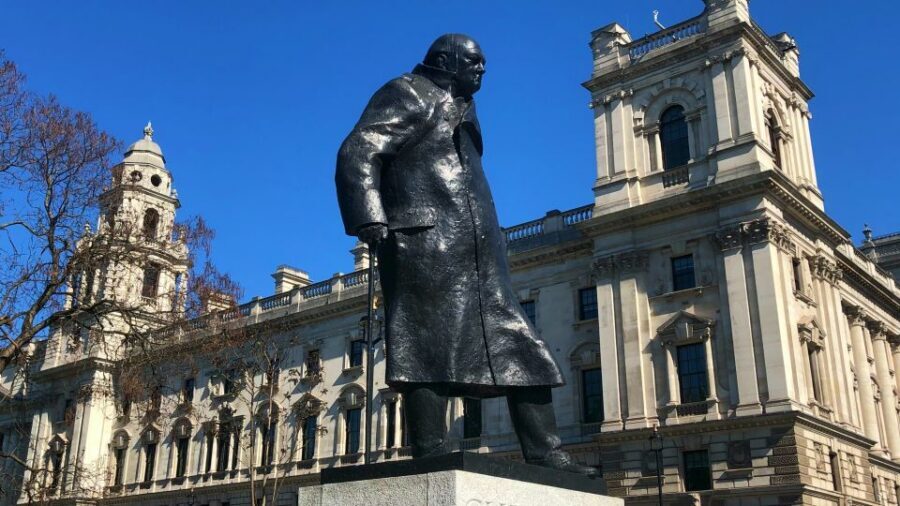
Some stops on this tour are famous enough that you might think you already know them. But the point here isn’t to restate what’s on a brochure. It’s to show how these landmarks functioned during WW2—where public life intersected with private fear.
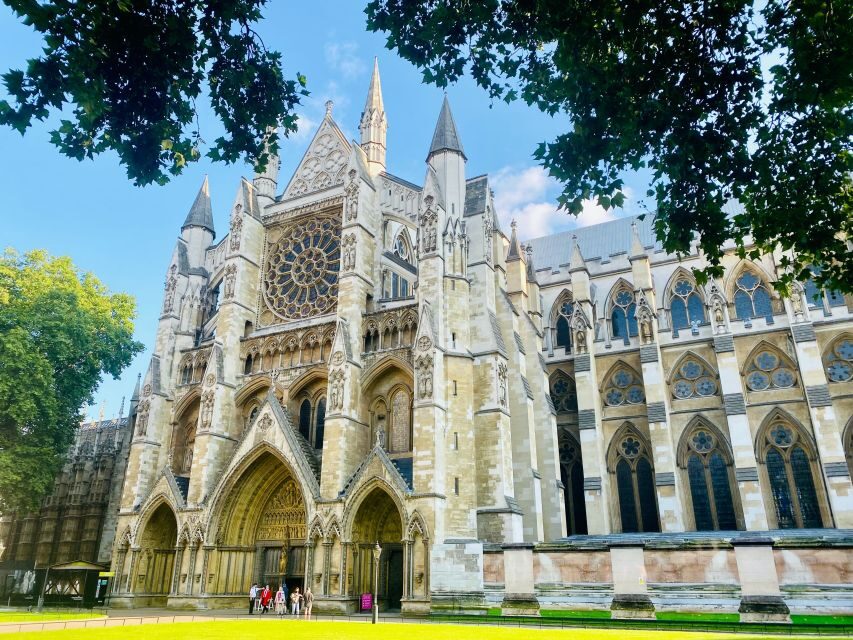
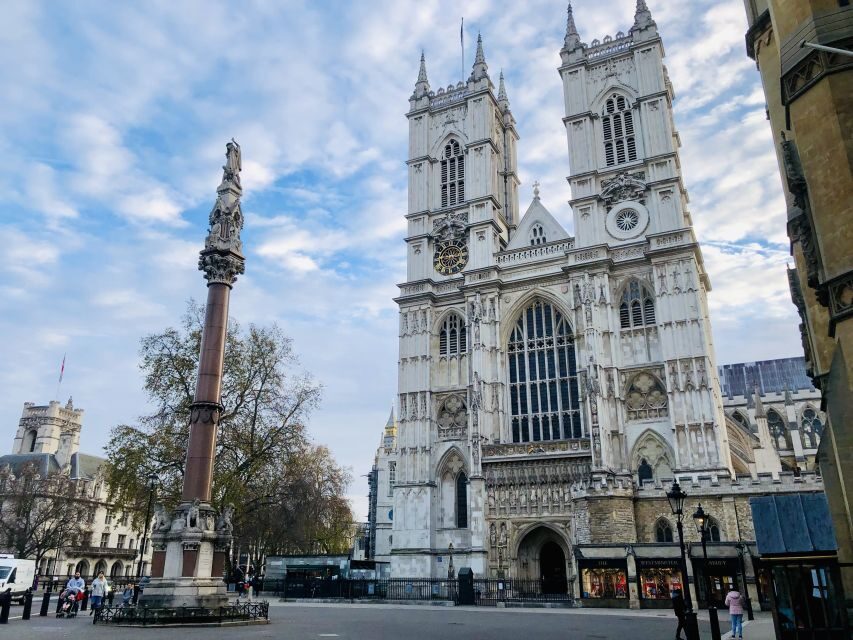
Westminster Abbey is one of the emotional anchors. You’ll be looking at the kind of historic site that feels timeless, then hearing how the war-era world pressed urgency into every schedule and every ceremony. The effect is more than educational; it’s also perspective-changing.
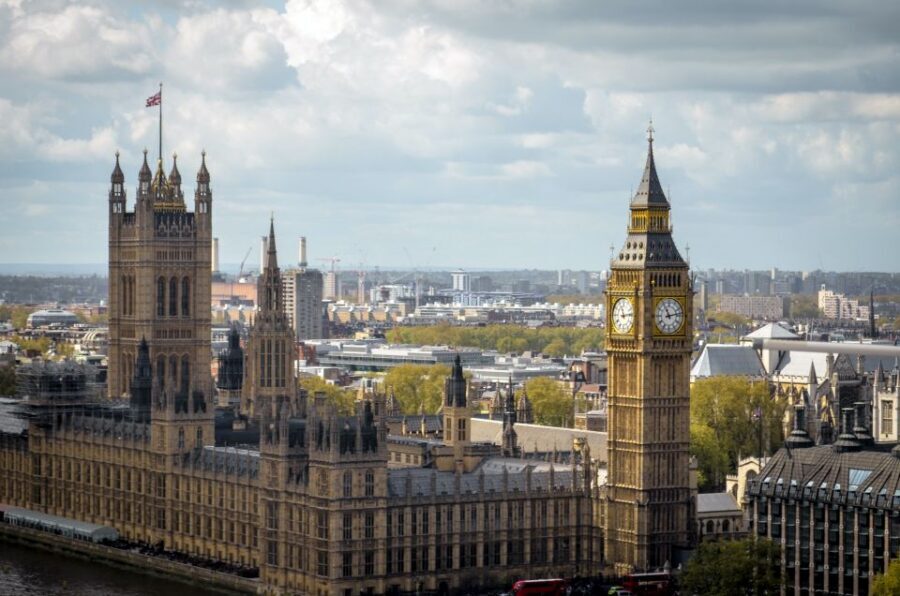
The Houses of Parliament add the power-to-decisions angle. This is where national leadership had to keep functioning under enormous pressure. Your guide ties the political center to the broader fight and explains why Westminster mattered beyond politics.
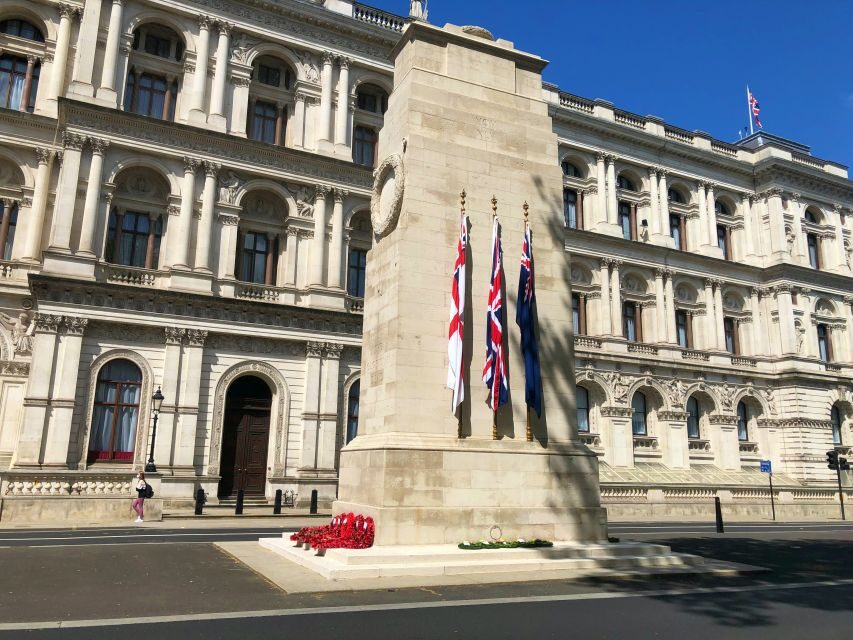
Then you hit the Cenotaph, which is especially moving in this context. Memorial space isn’t abstract when a war is ongoing and casualties are still being counted. You learn how public remembrance and national resolve were woven together in wartime Britain.
Downing Street, Whitehall, and the Ministry of War offices you pass
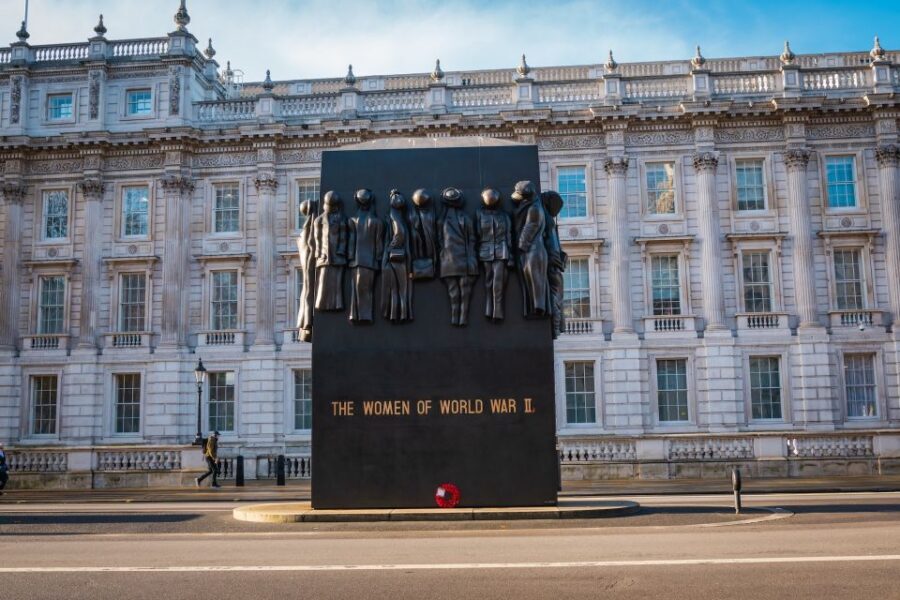
The tour spends time around the working geography of the British state. Downing Street and Whitehall aren’t just locations you want photos of; they’re places where strategy, communications, and government coordination had to happen fast. When you walk these streets in a story-driven way, you start noticing details you’d normally skip: which building fronts look official from a distance, how the area is laid out, and why government offices cluster where they do.
One of the most interesting named stops is the Ministry of War area. Even if you don’t know the exact wartime function of every building façade, your guide connects the label to the practical reality of wartime bureaucracy: planning, coordination, and the constant need to respond to events that changed by the hour.
The big takeaway is that WW2 in London wasn’t only heroics. It was also paperwork, logistics, and decision-making under pressure. This is where the walking part earns its keep: it gives you a mental map before you go underground.
Big Ben and the wartime soundtrack your guide brings to the walk
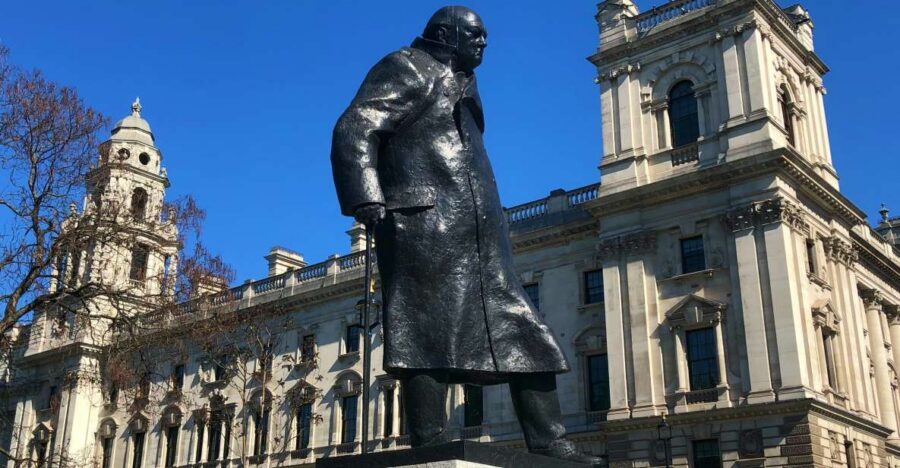
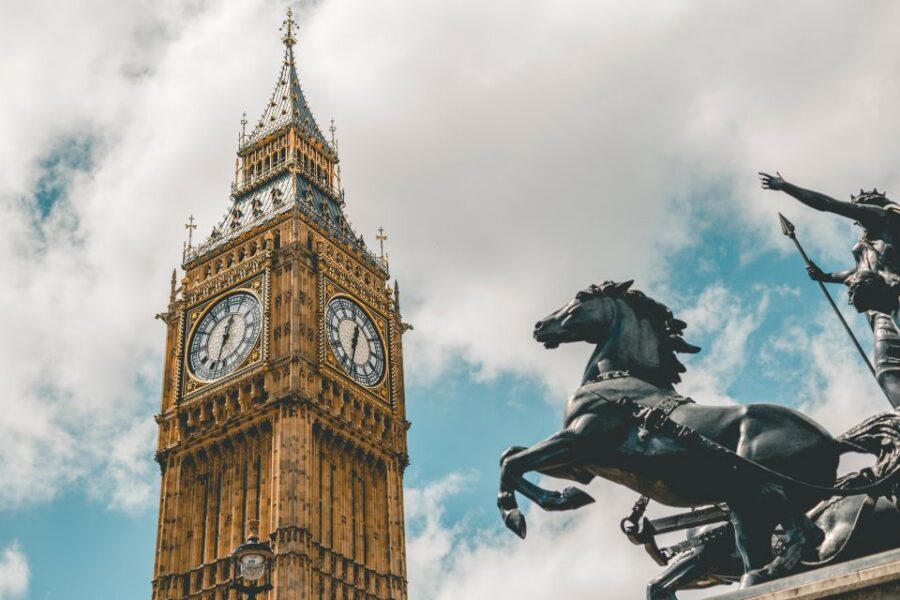
Big Ben might be the most recognizable symbol on the route. Here’s the thing: during wartime, the symbolism of sound, timing, and normal routines gets disturbed. Your guide frames the area with the rhythm of that era—air raid sirens becoming part of the day and night, and the reality of German bombing raids happening under cover of darkness.
You don’t need special effects to feel the shift. When you’re standing in the same place as the people who managed the crisis, it changes the mental picture. Instead of seeing landmarks as static, you start seeing them as part of a live system—one trying to keep civilians and government moving through danger.
If you like history that feels cinematic but stays grounded, this portion works. If you prefer facts only, you’ll still get them, but the storytelling style keeps it moving.
Descending into Churchill’s War Rooms: why the included entrance is a smart move
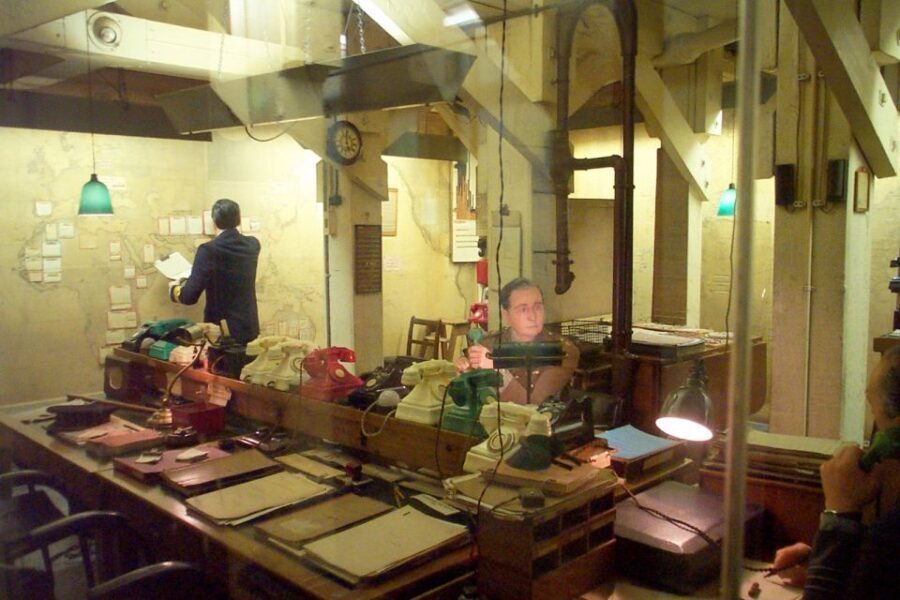
The main event is Churchill’s War Rooms, and the tour’s value is strongest right here. The experience includes entrance to Churchill’s War Rooms, plus an audio guide once you go inside. That matters because bunker tickets can cost plenty on their own, and bundling them into a timed tour saves you from extra planning.
In practical terms, it’s also a smoother day. Your guide takes you from the daylight Westminster story into the underground command center concept. You’re not left wondering what you’re looking at; you get context first, which helps the War Rooms make sense.
Inside, you’ll spend time exploring the strategic rooms where Winston Churchill and his cabinet conducted their part in WW2. The site is built to feel frozen in time, which is exactly the point. You’re stepping into a designed snapshot of governance during wartime, with enough detail that you can connect what you learned upstairs to what you see below.
The most common reason people love this moment is simple: it stops being theory. It becomes physical—corridors, rooms, and the sense of working under constant strain.



Getting the most from the War Rooms audio guide (and what to watch for)
The War Rooms section is paced by an audio system. That’s not a flaw; it’s a different style of learning. You can move at your own speed, rewind if something catches your attention, and spend longer where you want more context.
But there are two practical considerations. First, if the bunker is crowded, you’ll have less space to linger over small details. Second, because it’s audio-led, you might miss the chance to ask a follow-up question in the moment the way you can on the walking portion.
My advice: treat the audio as your main guide, but give yourself permission to skim when needed. If you try to read every label while squeezing around other people, the experience can feel stressful. Instead, focus on themes your guide highlighted on the walk—leadership, coordination, and what it meant to run the country during bombardment.
If you travel with kids or teens, the audio format can work well because it doesn’t require constant attention from your guide. It also gives everyone a chance to process at a comfortable pace.
Timing, pacing, and what to bring for a rainy Westminster day
Plan for a full 3-hour chunk that includes walking and then a slower underground visit. This isn’t designed to fit into a rushed half-hour between other major sights. The walking part needs time to build context, and the War Rooms need time to absorb.
Since the tour runs rain or shine, bring practical weather gear:
- Comfortable shoes are non-negotiable.
- Bring an umbrella if you’re traveling in a season that throws surprises.
- Pack water, especially on warm days.
- Wear comfortable clothes you can walk in for the full duration.
There are also restrictions that affect your packing. Baby strollers and luggage or large bags aren’t allowed. If you’re carrying a big daypack, expect your options to be limited, so travel light if you can.
Finally, remember that all visitors must pass through security. That means your start time matters. Get there a little early so you’re not rushing before the tour begins.
Where to meet outside Westminster Station (so you don’t waste time)
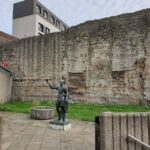
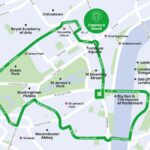
You’ll meet the guide by the Boadicea and Her Daughters Statue outside Westminster Station, Exit 2. Follow signs for Exit 2 Victoria Embankment, then take the stairs up to street level. The group meets at the top of the stairs next to the statue.
Your guide will be holding an Urban Saunters orange tour sign. If you like to be early, this is a good place to pause and confirm you’ve got the right group before you join the briefing.
If you’re coming from a busy station, give yourself a few extra minutes to find the exit and navigate to street level. The walking tour starts once the group is assembled.
Who this London WW2 and War Rooms tour fits best
This works especially well if you want iconic London sights with wartime meaning attached. It’s a strong match for:
- People who care about Winston Churchill and the War Rooms specifically
- Visitors who want a guided story instead of a self-guided museum day
- Families and mixed ages who want an action-forward experience without complicated logistics
It’s less ideal if you want full accessibility support. The tour isn’t suitable for wheelchair users or people with mobility impairments, and it’s also not set up for strollers.
Also, if you prefer live narration in every section, keep in mind that the War Rooms portion uses audio once you enter.
Price and value: is $96 for 3 hours worth it?
At $96 per person, this isn’t a bargain-basement free-for-all. But it is value-heavy for what’s included. For your money, you get a guided Westminster walk with a local expert plus entrance to Churchill’s War Rooms and an audio guide in the bunker.
The key value driver is that the War Rooms visit is not just an add-on. It’s the heart of the experience, and you’d likely pay separately if you built it as two trips. Bundling the bunker entrance into a timed guided day saves planning time and reduces the stress of syncing two attractions.
You’re also getting small group comfort (15 or fewer). That matters here because the landmarks are walkable, but the best part is the explanation tied to each stop. A big group can dilute that.
Should you book this London in WW2 and Churchill War Rooms tour?
Yes, I’d book it if you want Westminster with a story that sticks—and if Churchill’s War Rooms are on your must-do list. The best part of this experience is the structure: you understand the wartime world on the surface, then you go underground and see where leadership worked while London endured bombing.
Skip it only if you dislike walking, can’t handle security and crowds, or you strongly prefer live guiding inside museums and historic sites. Since the War Rooms are audio-led, it’s not a constant talking-head format.
FAQ
FAQ
How long is the London in WW2 and Churchill War Rooms tour?
The tour lasts 3 hours.
What is the price per person?
The price is $96 per person.
Where do I meet the guide?
Meet the guide by the Boadicea and Her Daughters Statue outside Westminster Station, Exit 2. The guide holds an Urban Saunters orange tour sign at the top of the stairs.
What’s included in the tour?
You get a guided walking tour of Westminster with an English-speaking local expert guide, small group size (15 or fewer), and entrance to Churchill’s War Rooms. The War Rooms also include an audio guide.
What is not included?
Food and drinks are not included, and there’s no hotel pick-up or drop-off.
What should I bring?
Bring comfortable shoes, an umbrella, and water, plus comfortable clothes. The tour runs rain or shine.
Is the tour suitable for wheelchair users or limited mobility?
No. It is not suitable for people with mobility impairments and wheelchair users.
Are there any restrictions on what I can bring?
Baby strollers are not allowed, and luggage or large bags are not allowed. Security checks are required for all visitors.
Is cancellation free?
Yes. You can cancel up to 24 hours in advance for a full refund.