REVIEW · LONDON
London: Traditional English Scone Making and Tea Workshop
Book on GetYourGuide →Operated by We Are London · Bookable on GetYourGuide
Scones and tea in London is a good plan. This Central London workshop is built around hands-on dough work, warm English tea while you bake, and a friendly guide who explains the how and the why behind the classic. You’ll end with freshly baked scones in hand and a certificate to prove you can do it.
I especially love the combination of traditional technique plus practical guidance—so you’re not just watching someone else bake. And I like that you get a tasting moment right after the oven, plus extra scones to take home, which makes the hour feel like it paid you back immediately. One consideration: it’s short and structured, so if you’re hoping for advanced baking depth (or anything like making everything from scratch in a super long process), you may find it a bit simple.
In This Review
- Key Things I’d Highlight Before You Go
- Where This Workshop Actually Happens (And Why Location Matters)
- Your 1-Hour Timeline: What You Do From Arrival to Take-Home
- Step 1: Welcome and group setup
- Step 2: Make your dough with step-by-step guidance
- Step 3: Tea pairing while the oven does its job
- Step 4: Fresh scone tasting and eating at the workshop
- Step 5: Certificate plus take-home scones
- What You Actually Learn (Beyond the Fluffy Part)
- The Taste Test: Tea, Scones, and the Clotted Cream Conversation
- Price and Value: Is $45.80 Worth It?
- Who This Workshop Suits Best (And Who Might Want Something Else)
- Practical Tips That Make the Hour Smoother
- Should You Book This Scone Workshop?
- FAQ
- How long is the scone making and tea workshop?
- Where do I meet for the workshop?
- What’s included in the price?
- Can I take scones home?
- Is the workshop suitable for vegans, gluten intolerance, or lactose intolerance?
- Is it wheelchair accessible, and what is the cancellation policy?
Key Things I’d Highlight Before You Go
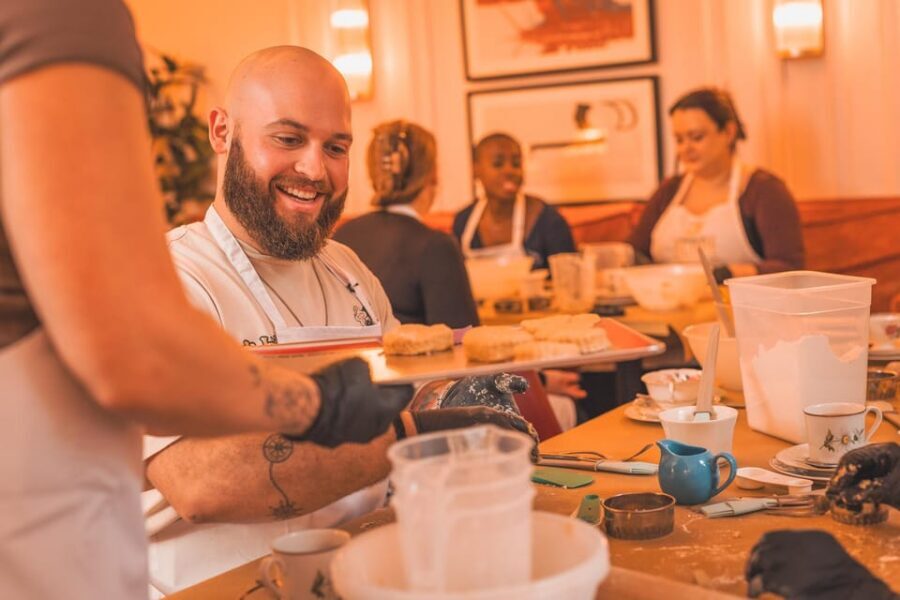
- Hands-on scone making: Step-by-step instructions while you shape and bake your own batch
- Tea while you bake: Traditional English tea is served during the workshop
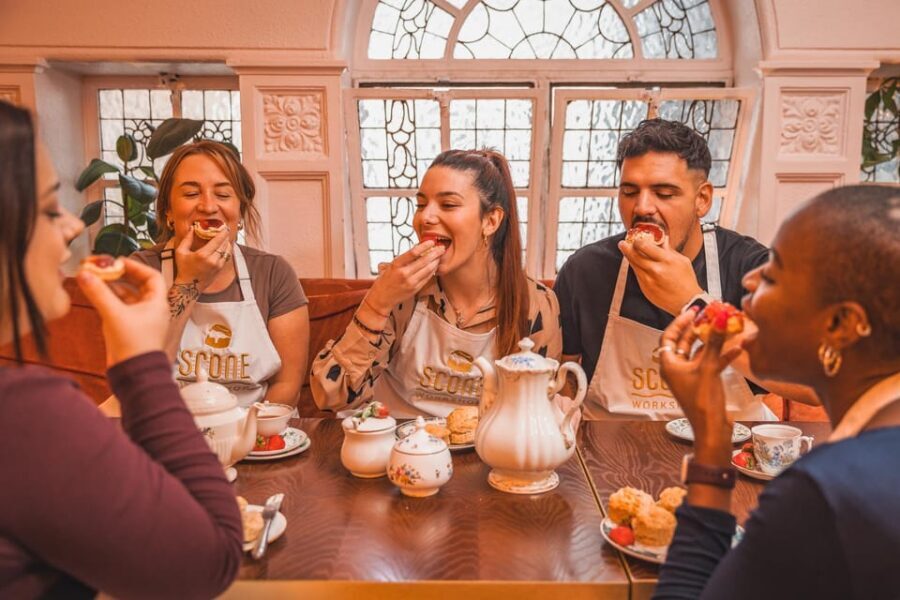
- Warm results fast: You eat scones fresh from the oven, not later or off to the side
- Take-home payoff: One scone is eaten during the session; you can take the rest home
- Scone Workshop Certificate: You get a personalized achievement paper to show off
- Guide-led history moments: You’ll hear context about scones and how people like them
Where This Workshop Actually Happens (And Why Location Matters)
Your workshop is held on the first floor of De Hems Dutch Cafe Bar, 11 Macclesfield St, London. It’s centrally located, and that matters because you’re not building an entire half-day around one activity. A lot of visitors use it as a smooth bridge between sightseeing blocks: morning exploring, then a cozy baking reset, then back out again.
The venue is right in the city, so arrival is key. When you get there, you’ll be pointed by signs, or you can ask the staff behind the bar for directions. Just plan to arrive 10 minutes early so you can get settled without rushing—especially since the workshop won’t allow late arrivals beyond 5 minutes late.
If you show up early, you can enjoy drinks and snacks in the pub with a special workshop discount, and you can also take your drink into the workshop. That’s a small detail, but it helps the start feel relaxed instead of frantic.
You can also read our reviews of more tours and experiences in London



Your 1-Hour Timeline: What You Do From Arrival to Take-Home
This is a 60-minute class, so it’s efficient. The style is very much: show you the method, you do the work, then you eat what you made.
Step 1: Welcome and group setup
You’ll meet your guide and other participants right away. Expect a warm welcome and quick instructions so you know what’s coming next. Since the workshop is instructor-led, you’re not left guessing what each stage is supposed to look like.
Step 2: Make your dough with step-by-step guidance
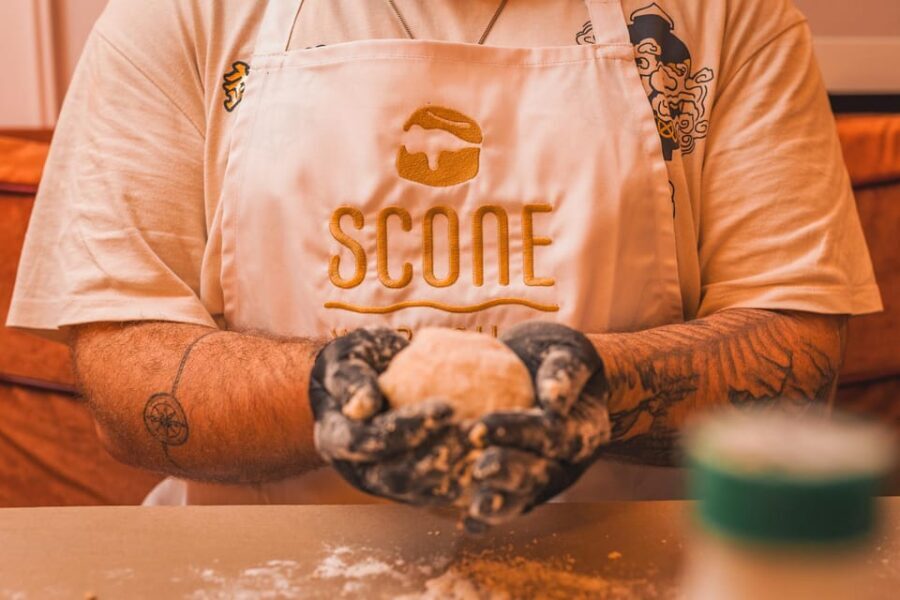
Next comes the main action: making traditional British scones with your apron and supplies provided. The point here is getting you to the correct texture and process without turning it into a technical baking course.
You’ll follow the guide’s steps, and an important practical theme from the experience is that the instructor checks your progress. That matters because scone dough can go from perfect to slightly off if you’re unsure about handling or timing—and you don’t want to lose the whole batch because one step went sideways.
Step 3: Tea pairing while the oven does its job
While your scones bake, you sip traditional English tea. It’s not an afterthought. In a one-hour workshop, this kind of timing is what keeps the session feeling complete rather than rushed.
The tea portion also supports the larger theme: British baking isn’t just about flavor—it’s about ritual. You’ll get insights into scones and tea culture as part of the experience, including mention of clotted cream and the famous jam-or-cream order debate (that topic shows up in the experience conversation a lot).






Step 4: Fresh scone tasting and eating at the workshop
When the scones come out, you get to enjoy them warm and fresh straight from the oven. This is one of the most satisfying parts of the whole thing. You’re not waiting, and you’re not eating something that’s been sitting around.
Step 5: Certificate plus take-home scones
At the end, you’ll receive a Scone Workshop Certificate (including a “We Are London” British Baking Certificate). It’s a fun souvenir and a nice “I learned something real” reminder.
Then you take home the rest of your batch. Included details say: 4 scones total are made in the workshop—one is eaten during the session and the other three can go home. That take-home piece is a genuine value booster. It turns your class into a meal you can share later, not just a one-and-done snack.
What You Actually Learn (Beyond the Fluffy Part)
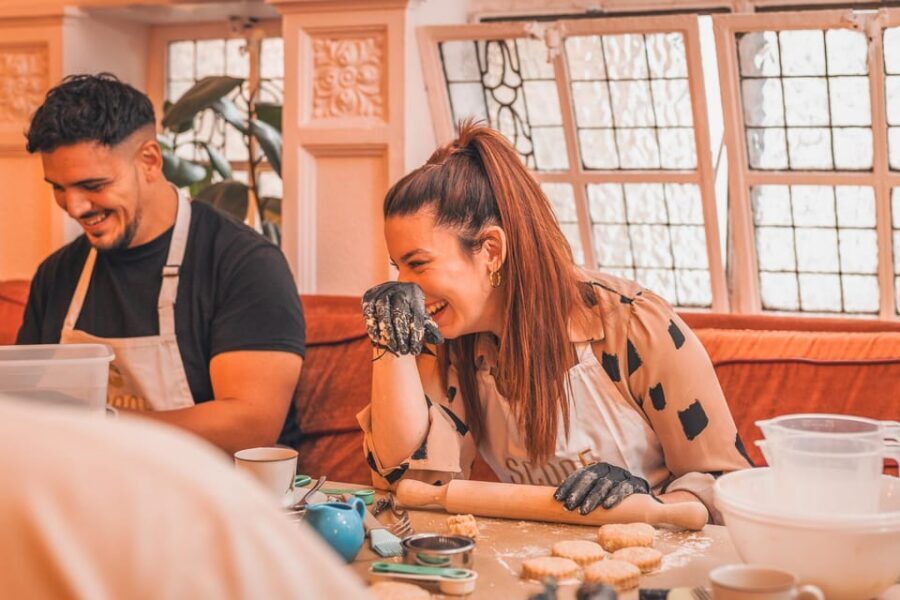
This workshop is built to teach traditional scone-making methods in an approachable way. The “how” you’ll get is mostly practical: mixing and handling your dough so your scones bake up tender, and learning what the guide considers the correct scone texture goal.
The other big learning layer is context—why scones are treated like a cultural comfort food, and how tea fits into the story. Multiple guides have been praised for this teaching style. For example, Ron is called out for being funny while also explaining scone and tea history, and Danni is mentioned for being warm and informative, including a connection to the Royal family.
A note on expectations: one participant mentioned that clotted cream production wasn’t included and that the scone-making felt a bit simplistic. That doesn’t make the workshop bad—it just means this is a quick skill demo rather than an all-day, hands-on deep technical boot camp.
The Taste Test: Tea, Scones, and the Clotted Cream Conversation
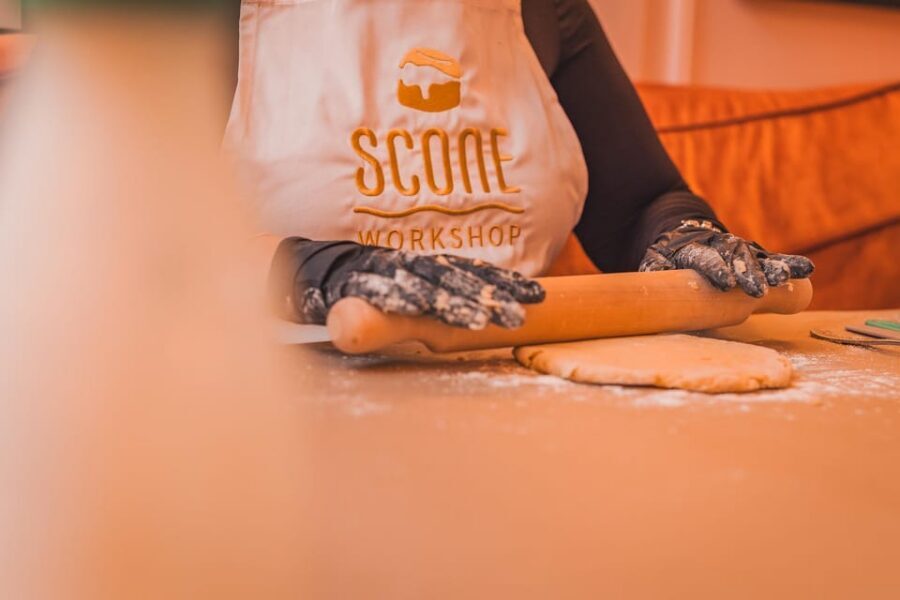
You’re going to eat your work while it’s fresh. That one detail often separates a good baking class from a mediocre one: if you only get a taste later, the whole experience loses momentum.
Also, this workshop centers the classic pairing. Tea is served during the baking time, and the scone-eating portion is the moment where the flavors click. If your preferences lean toward clotted cream and jam style scones, you may really enjoy the cultural explanation tied to that choice—especially since the jam vs clotted cream order is specifically mentioned as part of the experience theme.
Since the workshop description doesn’t say they prepare extra toppings beyond what you’re told about, the safe way to look at it is: you’ll learn the tradition and you’ll taste your scones with the tea, while topping specifics may depend on what your session covers and what’s available during your visit.
Price and Value: Is $45.80 Worth It?
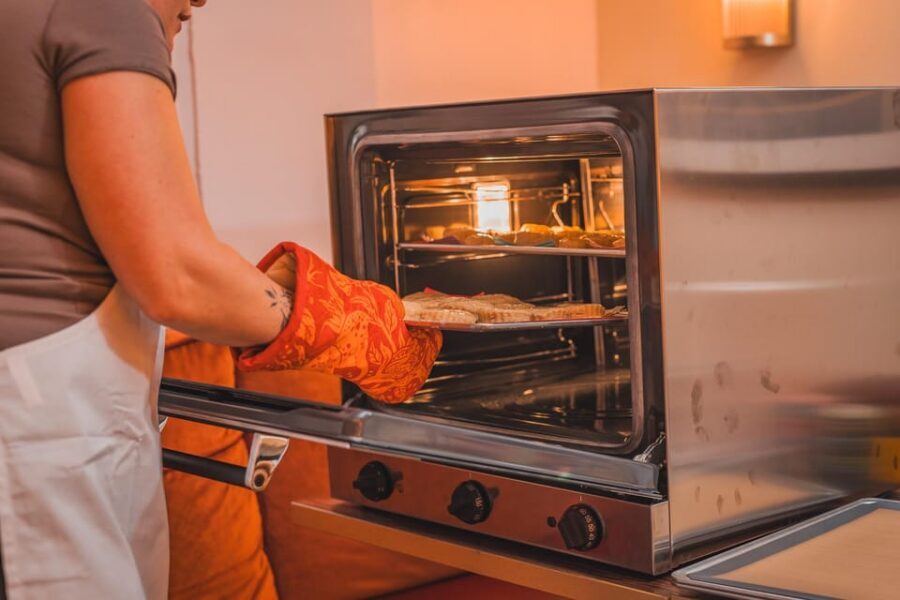
At $45.80 per person, you’re paying London prices, and you should expect that. The value comes from what’s included:
- Instructor guidance
- Apron and baking supplies
- Tea
- 4 self-made scones total (1 eaten on-site, 3 taken home)
- A scone-making certificate
In practice, you’re not just buying ingredients—you’re buying a guided, structured hour with the equipment/supplies handled for you. And the take-home scones are a real “you get something afterward” feature, which helps justify the cost for short activities.
The other value angle is social and low-stress learning. People often like baking classes because you can chat naturally while you work. Several reviews also highlight that it’s a great option for meeting other people, including families with kids.
If you want a fast, friendly, hands-on London food experience that produces an edible result you can share later, this price is easier to justify.
Who This Workshop Suits Best (And Who Might Want Something Else)
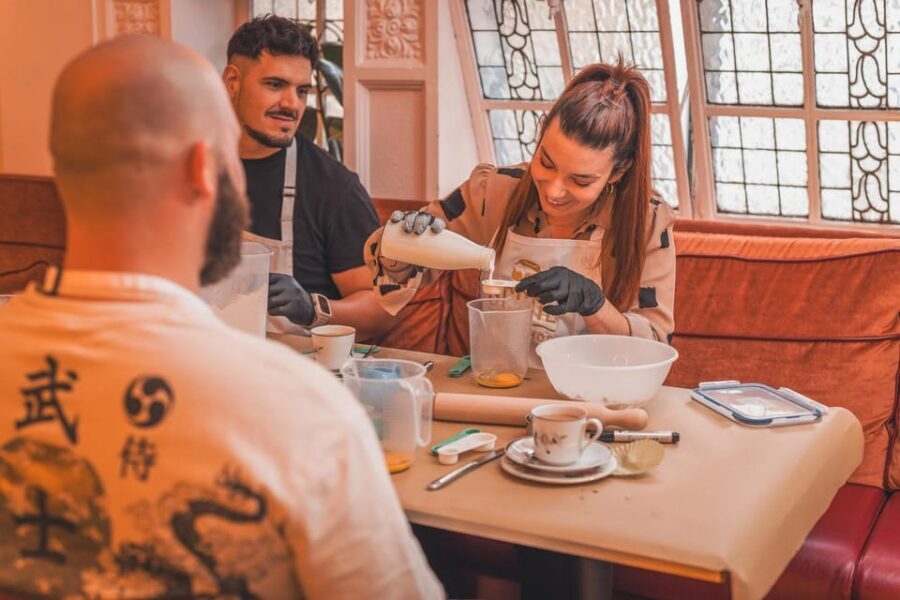
This workshop is a strong match for:
- Food lovers who want a hands-on activity instead of a tasting-only tour
- Visitors who want a gentle introduction to English baking traditions
- Families and mixed-age groups, since the experience has been described as fun and engaging
- Anyone who likes the idea of taking home more than just photos
But it’s not for everyone. Based on the provided info, it’s:
- Not suitable for wheelchair users
- Not suitable for vegans
- Not suitable for people with gluten intolerance
- Not suitable for people with lactose intolerance
So if you have dietary restrictions, you’ll need to plan carefully. Also, because the scones are a classic wheat-and-dairy style bake, the workshop is clearly designed around traditional ingredients rather than substitutions.
One more “fit” question: if you want advanced bakery-level instruction, you may find the hour a bit too short. It’s designed to get results and build confidence, not to turn you into a sourdough scientist.
Practical Tips That Make the Hour Smoother

These are the small things that will save you time and stress:
- Arrive 10 minutes early so you don’t end up risking the late-arrival cutoff.
- Wear comfortable clothes since you’ll be working with dough.
- Keep an eye on signs or ask bar staff on the ground if you’re unsure you’re in the right spot. The workshop is on the first floor.
- If you’re early, take advantage of the workshop discount on drinks/snacks. It makes waiting feel less like waiting.
- If you care about specific toppings, consider asking your instructor during the session what’s included in that day’s set-up. (The workshop focuses on the scones and tea, and topping details can vary session to session.)
Should You Book This Scone Workshop?
Book it if you want a short, friendly, Central London baking class that hands you a real skill, a warm snack, and scones to take home. It’s especially worth it if you like tea culture, traditional comfort food, and learning from a guide who keeps things fun and clear—people have praised instructors like Ron and Danni for exactly that.
Skip it (or look for another class) if you need vegan or gluten- and lactose-free options, because the workshop is not suitable for those dietary needs. Also skip if you’re expecting a long, advanced baking course. This is built for a confident first batch, not an exhaustive technique manual.
FAQ

How long is the scone making and tea workshop?
It runs for 1 hour.
Where do I meet for the workshop?
Meet at the first floor of De Hems Dutch Cafe Bar, 11 Macclesfield St, London. Signs will guide you, or you can ask the staff behind the bar for directions.
What’s included in the price?
You get an instructor, apron and supplies, tea, 4 self-made scones (one eaten during the workshop and the rest taken home), and a scone-making certificate.
Can I take scones home?
Yes. One scone is consumed during the workshop and the other three can be taken home.
Is the workshop suitable for vegans, gluten intolerance, or lactose intolerance?
No. It is not suitable for vegans, and it is also not suitable for gluten intolerance or lactose intolerance.
Is it wheelchair accessible, and what is the cancellation policy?
It is not suitable for wheelchair users. You can cancel up to 24 hours in advance for a full refund.
If you’d like, tell me your travel dates (and whether anyone has dietary restrictions), and I’ll help you decide the best time slot and how to pair this with nearby sights.