REVIEW · LONDON
London: Museum of Brands Skip-the-Line Ticket
Book on GetYourGuide →Operated by Museum of Brands · Bookable on GetYourGuide
Brand history hits like a time machine.
This skip-the-line ticket through the Museum of Brands, Packaging and Advertising is a smart, surprisingly entertaining way to see how daily life got shaped by consumer culture over 200 years. The museum is in Notting Hill, about five minutes from Portobello Road, so you can pair it with a classic market wander after you finish the exhibits.
Two things I really like: the Time Tunnel is laid out chronologically, so you’re not bouncing around—you’re following a clear story from Victorian-era life to the digital age. And I love that the collection isn’t just about famous names; it’s about how inventions and major events changed what people ate, watched, traveled, and listened to.
One consideration: if you only want modern brands and product shopping, this museum is more about the cultural context behind them than a hands-on, retail-style experience.
In This Review
- Key things you’ll notice right away
- Skip-the-Line Entrance on Lancaster Road (Notting Hill’s easy start)
- The Time Tunnel: 200 Years of Consumer Culture, Ordered
- Following Brands Through Big Changes in Travel, Leisure, and Media
- Past TV Ads and Temporary Exhibits: Nostalgia With a Twist
- The Award-Winning Memorial Garden Break (Cake and Coffee, Too)
- Practical Value: Is an $18 Skip-the-Line Ticket Worth It?
- How Long to Plan, and How to Pair It With Portobello Road
- Who This Ticket Suits Best (and Who Might Skip)
- Should You Book the London Museum of Brands Skip-the-Line Ticket?
- FAQ
- Where is the Museum of Brands located?
- What does the skip-the-line ticket include?
- Are food and drinks included?
- How long is the ticket valid?
- What are the opening hours?
- When is the museum closed?
- Is the museum wheelchair accessible?
Key things you’ll notice right away
- Skip-the-line access helps you get into the heart of the museum without wasting your London time
- The Time Tunnel strings 200 years together, with big historical moments running through it
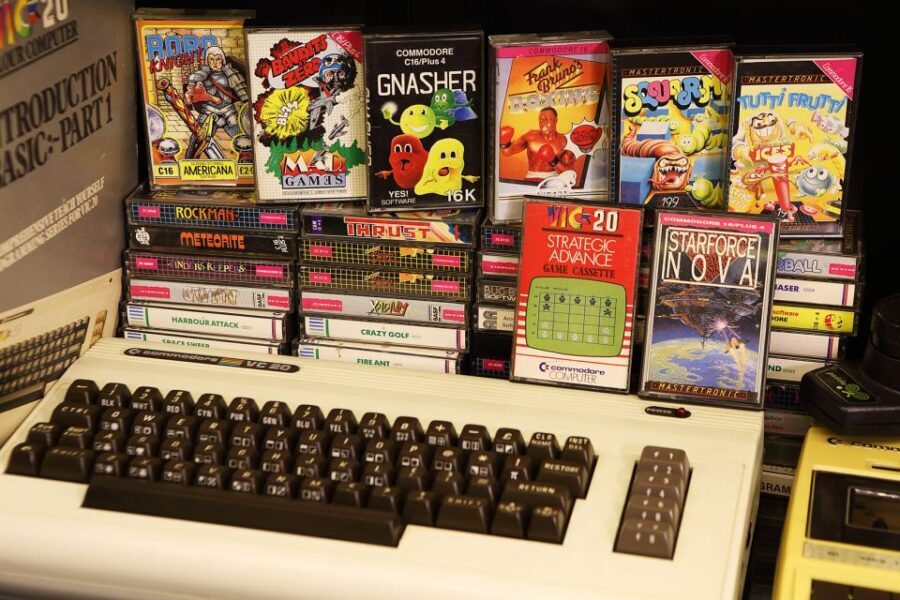
- Over 12,000 items gives the museum real depth, not just a small highlight reel
- Entertainment and travel themes connect inventions like railways, cars, and airplanes to what people consumed
- Temporary displays rotate ideas from 1950s toys to punk-era culture and food packaging
Skip-the-Line Entrance on Lancaster Road (Notting Hill’s easy start)
The Museum of Brands sits on Lancaster Road in the heart of Notting Hill. The location matters because you’re not stuck on the edge of town. You can get your museum time in, then head out to Portobello Road just minutes away for streetside browsing and that wonderfully specific Notting Hill vibe.
With a skip-the-line ticket, you’re essentially buying yourself a calmer start. In a museum like this, where the main attraction is moving through several themed sections, starting efficiently helps you keep momentum. You’ll spend your energy looking at displays instead of waiting.
When you arrive, focus on one simple goal: follow the story in order. The museum works best if you move from early to later periods, letting the exhibits build your sense of how advertising and packaging grew alongside modern life.
You can also read our reviews of more tours and experiences in London

The Time Tunnel: 200 Years of Consumer Culture, Ordered
The main event is the Time Tunnel, where the museum walks you through around 200 years of social change and consumer culture. Think of it as a guided line of cause-and-effect: inventions change daily routines, routines create new habits, and habits feed the advertising and packaging world.
What makes this section so effective is that it’s not random. It’s laid out chronologically, so when you see a brand, it’s placed in context—what was happening socially, what new technologies were changing everyday life, and what people wanted.
You also get big-picture anchors running through the route: you’ll see references to royal coronations, two world wars, the man landing on the moon, and the shift into the digital age. That scope is useful. Even if you’re not a history nerd, you still get the feeling of how quickly modern consumption took shape—and how advertising learned to ride that wave.
A couple of other details make the Time Tunnel feel thoughtfully designed:
- You’ll see how transport innovations—like the railway, the motor car, and the airplane—altered travel and leisure.
- You’ll see entertainment evolve through cinema, radio, and television, which changed not just what people watched, but also how brands reached them.
Following Brands Through Big Changes in Travel, Leisure, and Media
The museum’s theme is consumer culture, but the real payoff is how it explains the connections you normally take for granted. I like that the exhibits keep pointing you back to the same idea: everyday life doesn’t change all at once. It changes through inventions, media shifts, and major historical moments—and then packaging and advertising catch up.
Here’s what that looks like as you move through the museum:
- When transport improves, the world feels smaller. That changes what leisure looks like and what products become “standard.”
- When entertainment formats arrive—radio and TV especially—brands stop being local and start becoming familiar at home.
- When major global events happen, marketing and packaging reflect the new mood and priorities.
If you enjoy nostalgia, this is where the museum really hits. You’ll spot brand styles and design cues that feel like they belong to real memories, not just display cases. The overall effect is similar to finding an old photo album: suddenly you understand how the look and language of everyday life evolved.
And because the collection is so large—over 12,000 items—you can spend real time comparing how packaging, typography, and marketing messages changed as society did. That’s a key value point: it’s not just a few examples. It’s a wide sample of how consumer culture got built.
Past TV Ads and Temporary Exhibits: Nostalgia With a Twist
After the Time Tunnel, you’ll get a chance to watch older TV adverts from the past. This is a smart switch in pace. You’ve been reading and observing through the storyline; now you hear and see how advertising actually sounded and looked in its original era.
For me, the benefit here is that it makes branding feel more human. A product isn’t just a package—it’s a message aimed at real people’s attention spans and lifestyles.
Then you’ll move into temporary displays, which are where the museum gets especially fun. Current and past themed exhibitions include:
- 1950s Toys
- London Punk themes
- Chocolate branding and packaging ideas
- Biscuit tins
Temporary displays matter because they keep the museum from feeling like a one-note museum. Even if you’re mostly there for the Time Tunnel, these rotating themes give you extra reasons to linger. They also help you zoom in on specific categories—like food packaging—which often triggers the most personal recognition.
If you’re traveling with someone who isn’t sure about a museum, temporary exhibits are a good compromise. Toys and punk culture, for example, are easier to “get” fast than a purely academic history display.
The Award-Winning Memorial Garden Break (Cake and Coffee, Too)
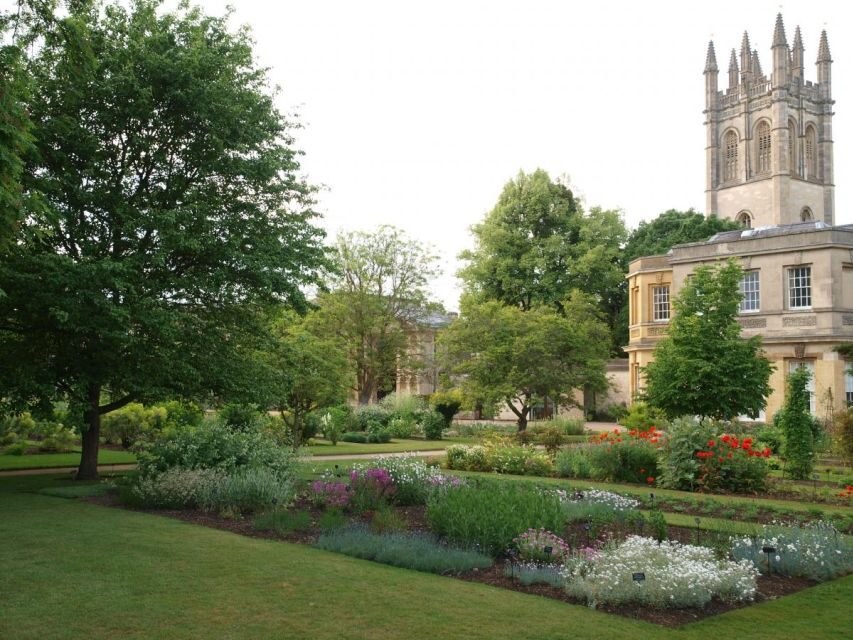
When you finish the main museum route, you can slow down in the memorial garden, which is described as award-winning. This is not just a pretty landing spot. It works as a reset after a lot of content and visuals.
A garden break is practical in London. Even a simple seating area helps you recharge without leaving the site. And you can add a small treat: the museum offers cake with coffee, or you can have a refreshing glass of Prosecco at your own expense.
That small food setup is also why this visit feels flexible. You can keep your spending under control if you only want the included option, or you can treat yourself if you want something celebratory while you sit.
If you’re the type who likes to end a museum day thoughtfully, this is a good closer. You’ll leave with the story in your head, and you won’t feel like you hurried out the door.
You can also read our reviews of more museum experiences in London



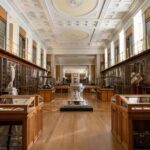

Practical Value: Is an $18 Skip-the-Line Ticket Worth It?
At about $18 per person, this ticket is priced in a way that makes sense for a museum day that’s focused and contained. Here’s the value logic I see:
- You’re getting access to the museum, the temporary displays, and the garden as part of the ticket. Food and drinks are separate, but the core experience is included.
- The Time Tunnel isn’t just one exhibit—it’s the museum’s main storyline, designed to keep you moving in a coherent sequence.
- The museum’s scale is real: over 12,000 items means you’re not rushing through a few display cases and calling it a day.
The skip-the-line element is the other value booster. In London, waiting can drain your energy fast. Since the museum is designed for a flow—from Time Tunnel to ads to temporary exhibits to garden—starting smoothly helps you get your full “day value” from the ticket.
If you’re budgeting and want to make the most of it, consider this as your anchor stop in Notting Hill. Pair it with Portobello Road and you’ve built a full mini-itinerary without stretching across town.
How Long to Plan, and How to Pair It With Portobello Road
The experience is listed as valid for 1 day from first activation, and the museum hours are straightforward:
- Monday to Saturday: 10:00 to 6:00
- Sunday and Bank Holidays: 11:00 to 5:00
- Closed: August 27–29, December 24–26, and January 1
Since the museum is laid out with a clear storyline and a few follow-on sections, you’ll likely do best if you allow time to read and look at details rather than treating it like a quick scan. The value comes from seeing how design and messaging evolve, especially with so many items on display.
For pairing: the museum is about five minutes from Portobello Road. After your garden break, this is a great time to walk around, browse, and end the day with snacks or treats on your own. Portobello Road is one of those places where you’ll naturally slow down—just what you want after a museum focused on how daily life used to look.
Who This Ticket Suits Best (and Who Might Skip)
This is a great fit if you like:
- Nostalgia that feels tied to real societal changes, not just old objects
- Brand and packaging design as a form of cultural storytelling
- The idea of how media—radio, cinema, television—helped shape what got sold and how
It’s also a strong choice for families and mixed-age groups, because “toys, biscuits, and punk” are topics that can pull people in quickly, even when the storyline is broader.
One more note: this museum isn’t trying to be a fashion show, a product launch, or a tech expo. It’s a museum about consumer culture and its visual language. If you mainly want entertainment that moves fast without reading, you might want to treat this as a shorter, selective visit—spend time where your interests overlap with the displays.
Should You Book the London Museum of Brands Skip-the-Line Ticket?
Book it if you want a single ticket that covers a lot of ground without feeling scattered. The combination of a clear Time Tunnel, a huge collection size (12,000+ items), and a relaxing finish in the memorial garden makes it a good value day.
Skip it if you’re only interested in modern branding and shopping. This place shines when you like context—when you enjoy understanding why certain packaging styles, product categories, and marketing habits look the way they do today.
My bottom line: for about $18, it’s a smart stop in Notting Hill that’s genuinely different from the usual museum lineup. You’ll leave with fresh perspective on everyday things you’ve seen your whole life—especially the kind of brands that sneak into childhood memories.
FAQ
Where is the Museum of Brands located?
It’s in Notting Hill on Lancaster Road. The meeting point is conveniently located about five minutes from Portobello Road.
What does the skip-the-line ticket include?
The ticket includes entrance to the museum, temporary displays, and the memorial garden.
Are food and drinks included?
No. Food and drinks aren’t included. You can still have cake with coffee, or Prosecco at your own expense.
How long is the ticket valid?
It’s valid for 1 day from the first activation.
What are the opening hours?
Monday to Saturday are 10:00 AM to 6:00 PM. Sunday and bank holidays are 11:00 AM to 5:00 PM.
When is the museum closed?
It’s closed August 27, 28, and 29. It’s also closed December 24, 25, 26, and January 1.
Is the museum wheelchair accessible?
Yes, it is wheelchair accessible. The host or greeter is listed as English.