REVIEW · LONDON
London: Private Tour of the National Gallery with tickets
Book on GetYourGuide →Operated by Anthonys Tours · Bookable on GetYourGuide
Art history gets real fast here.
This private National Gallery tour turns famous paintings into a clear timeline, from the 1300s all the way to Impressionism, with plenty of real-life story behind the art. Two things I especially like: you’ll get the big-name works made understandable, and you’ll walk out seeing how portraiture, the Renaissance, and later styles connect instead of feeling like random masterpieces. One thing to keep in mind: in only 2.5 hours, you’re choosing highlights, not covering every gallery room.
I also love the format: you meet at the red telephone box outside the Sainsbury Wing, then your guide takes you straight in (skip the main lines with a separate entrance). The guide name that comes up again and again is Anthony, and his style is practical and story-driven, with good humor and time for questions. If you want total freedom to wander at your own pace for the whole afternoon, you may need extra time after the tour.
In This Review
- Key things to know before you go
- Meeting the guide at the Sainsbury Wing: fast start, clear logistics
- Skip the line, then get oriented in 2.5 hours
- How the tour traces art’s timeline (from 1300s to Impressionism)
- From medieval religious icons to portraits: what changes and why
- Renaissance through Baroque: where drama gets technical
- The stops you’ll remember: Da Vinci, Van Gogh, and the art of seeing
- The storytelling layer: kings, popes, apologies, and hidden meanings
- Pace, questions, and a private-group feel that actually works
- Price and value for a group up to 8
- What to do before and after the tour
- Should you book this private National Gallery tour?
- FAQ
- Where do we meet for the tour?
- Is skip-the-line entry included?
- How long is the tour?
- What’s included in the price?
- What is not included?
- Is the tour offered in English?
- Will the tour run in bad weather?
- Can I cancel, and how far in advance?
Key things to know before you go
- A licensed private guide leads the story, not a generic audio route
- Skip-the-line entry via a separate entrance saves time inside the museum
- A timeline approach links portraits, Renaissance changes, and Impressionism
- Big names plus context including Da Vinci, Van Gogh, Caravaggio, and more
- Small-group feel (private group up to 8) keeps the pace comfortable
- Rain-or-shine planning means you can treat this as a solid, dependable slot
Meeting the guide at the Sainsbury Wing: fast start, clear logistics
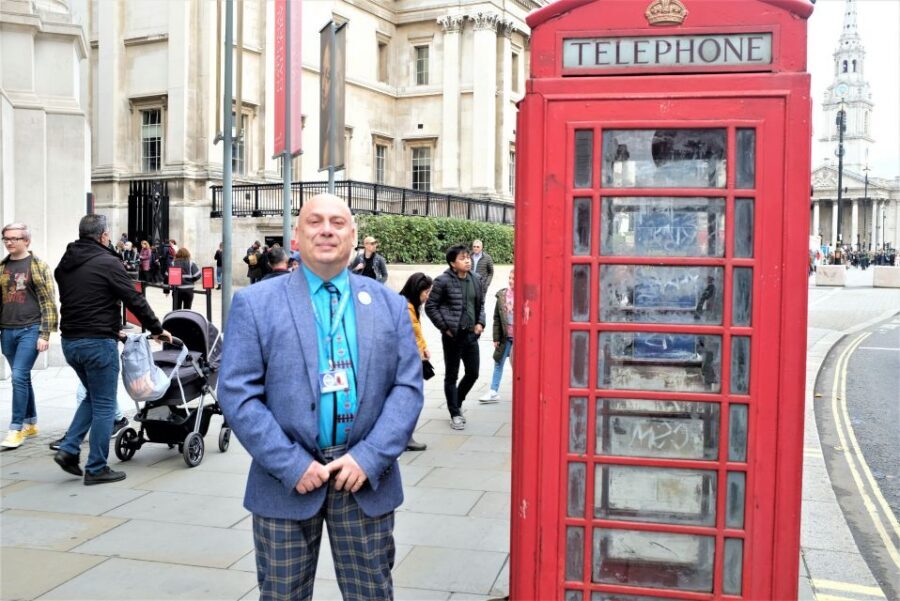
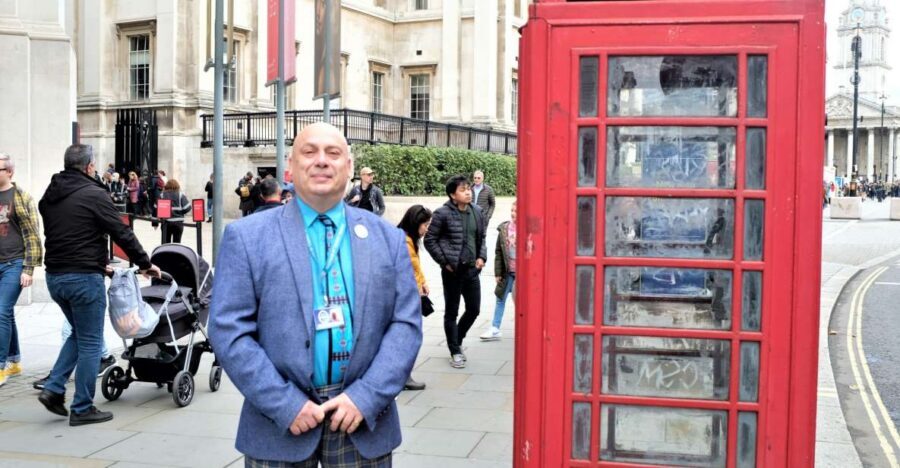
The tour meeting point is simple to find: the red telephone box at the entrance to the Sainsbury Wing of the National Gallery. That matters more than it sounds. The National Gallery area can feel like a maze of entrances and signage, so getting the meeting spot right helps you start relaxed instead of hunting.
Once you’re there, your guide gets you into the rhythm of the visit right away. You’re not just handed a list of famous paintings. You’re set up to understand what you’re about to see—style changes, who influenced whom, and why the same “subject” (religion, portraiture, everyday life) could look totally different across centuries.
And yes, it runs rain or shine, so dress like a London day can always change its mind mid-walk. The museum is indoor, but the lead-in from the meeting point is outdoors.
You can also read our reviews of more tours and experiences in London


Skip the line, then get oriented in 2.5 hours
The tour lasts 2.5 hours, and that time window is the whole game plan. You’re not trying to see everything in the National Gallery; you’re learning how to look at the collection through a guided arc. That makes it efficient for first-timers, and it’s also useful if you’ve visited before but felt lost in the crowd.
Skip-the-line entry is included, which is a big quality-of-life upgrade. Less time waiting means you spend more time with the paintings themselves—and less time doing the classic museum move of clock-watching because your body is standing in a queue.
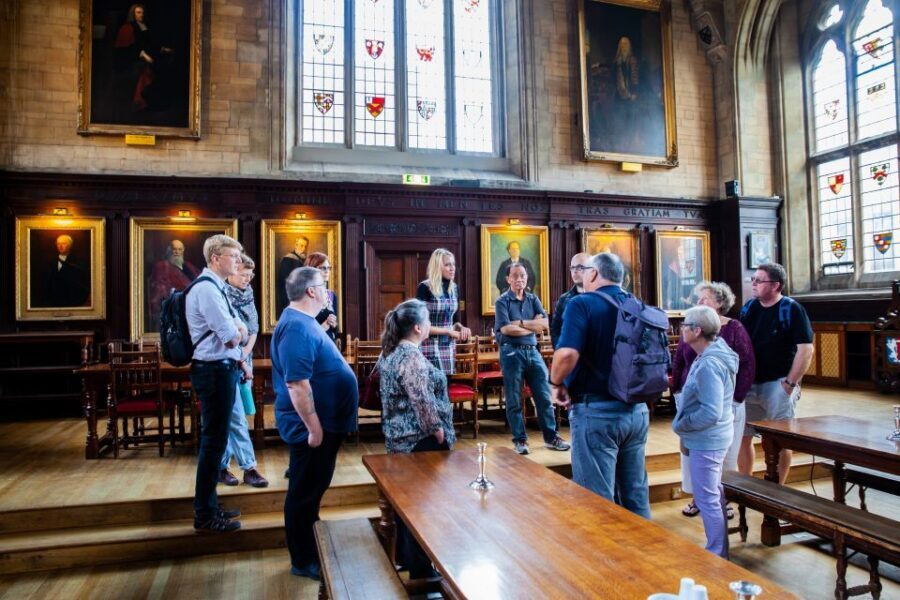
Inside, the guide focuses your attention quickly. Expect more orientation than you’d get on your own: where to look, what to notice first (faces, light, composition, realism vs. idealization), and how technique ties to the story.
How the tour traces art’s timeline (from 1300s to Impressionism)
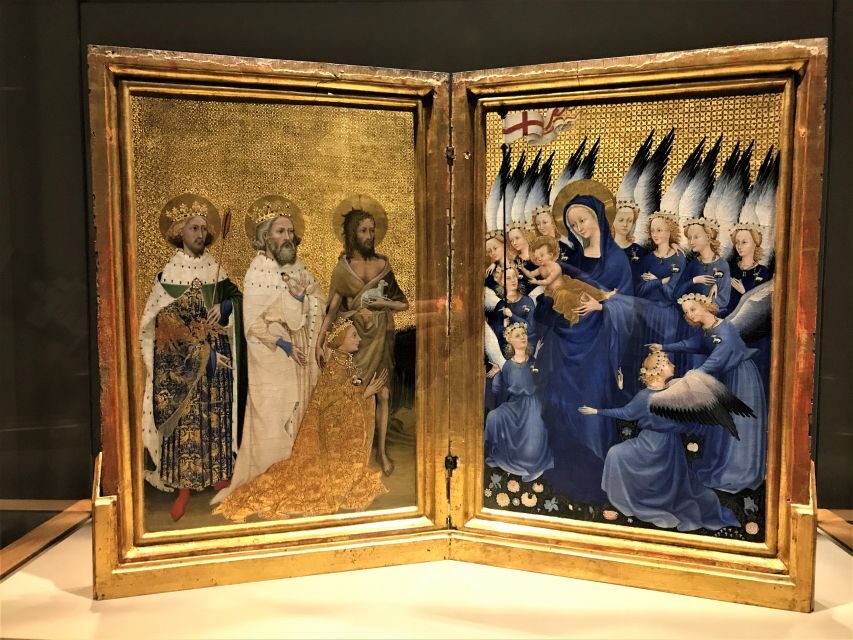
The core idea is that the National Gallery isn’t just a pile of great paintings. It’s a visual timeline of major shifts in style and purpose. On this tour, you’ll travel through broad eras—Portraiture, the Renaissance, and Impressionism are specifically called out—plus earlier medieval religious icons that show what came before.
Here’s what that timeline approach does for you:
- It gives context, so each painting feels like part of a larger conversation rather than an isolated showpiece.
- It helps you spot the “why” behind style changes: different ideas about truth, spirituality, status, and even politics.
- It makes later works (like the leap toward Impressionism) feel earned instead of sudden.
Rather than getting stuck on one era, you’ll keep moving through centuries in a way that makes your brain connect dots. If you’ve ever seen a painting and thought, Okay, I get it’s famous—now what—you’ll like this structure. It keeps giving you handles: what to look at, and what question the artist seems to answer.
From medieval religious icons to portraits: what changes and why
The tour doesn’t start with the “name you already know.” It starts earlier, where religious images set the rules for how people expected art to communicate. Those medieval religious icons aren’t just devotional objects; they show a symbolic language—simplified forms, strong visual cues, and a different relationship between sacred figures and the viewer.
Then the tour shifts toward the development of Portraiture. This is where the stories become personal. Portrait painting doesn’t just show a face—it shows identity: wealth, power, devotion, legitimacy, and sometimes grief. The tour highlights include a memorial connected with Van Eyck and a lost wife, which nudges you to look at portrait details as emotional communication, not just realism.
By the time the Renaissance themes are coming into view, you’re already trained to notice transformation:
- How realism grows and changes
- How composition becomes more controlled
- How the “role” of the subject shifts, from icon to person, from symbol to character
Renaissance through Baroque: where drama gets technical
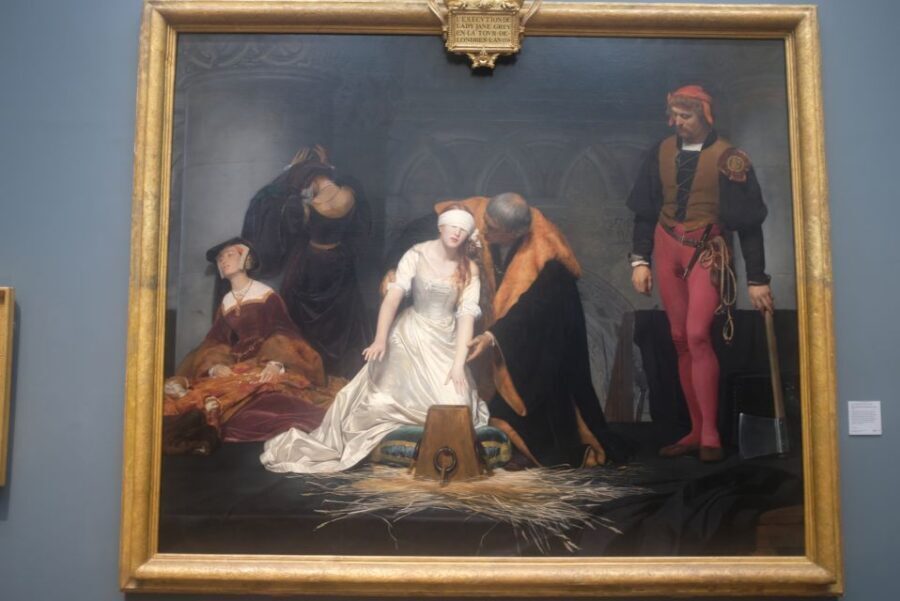
The Renaissance portion (and the shift toward later styles) is where painting technique starts to feel like part of storytelling. You’ll hear about the lives and rivalries behind artists, and you’ll see how those pressures show up on canvas.
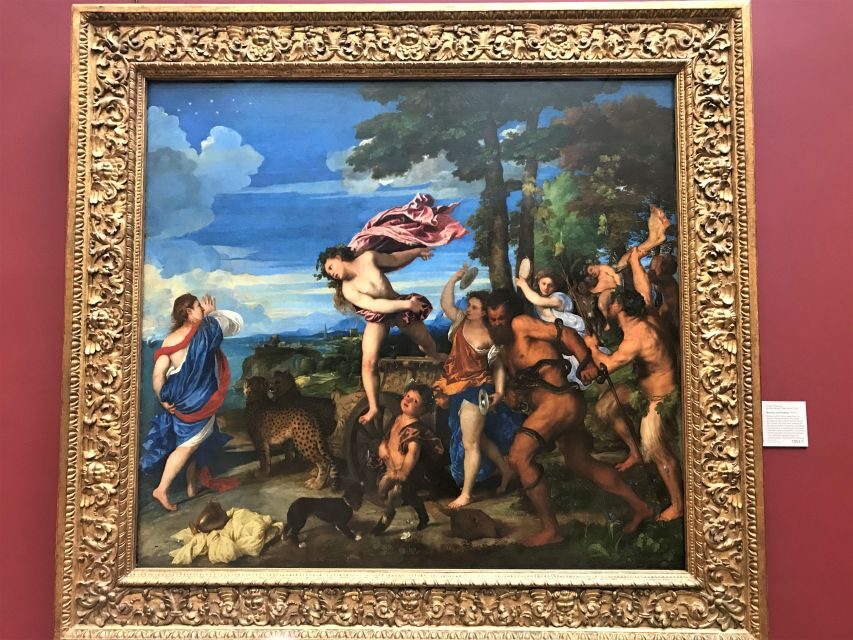
Caravaggio is a key stop in the tour narrative. The guide framing is clear: Caravaggio is presented as mad, bad, and dangerous to know, and that attitude matters because his work is tied to dramatic realism and intense emotional impact. You’ll likely find yourself looking harder at light, expression, and the way bodies and scenes are staged.
The tour also names artists across the map of the eras—Michelangelo and Raphael are part of the storyline, and Rubens is mentioned in the same arc. You’re meant to feel the evolution of style rather than treat each artist as a separate museum planet.
This kind of grouping is valuable because it teaches you how movements actually happen: artists react, borrow, compete, and refine. The guide’s approach makes it easier to understand why the “same subject” can look wildly different in different decades.
You can also read our reviews of more private tours in London

The stops you’ll remember: Da Vinci, Van Gogh, and the art of seeing
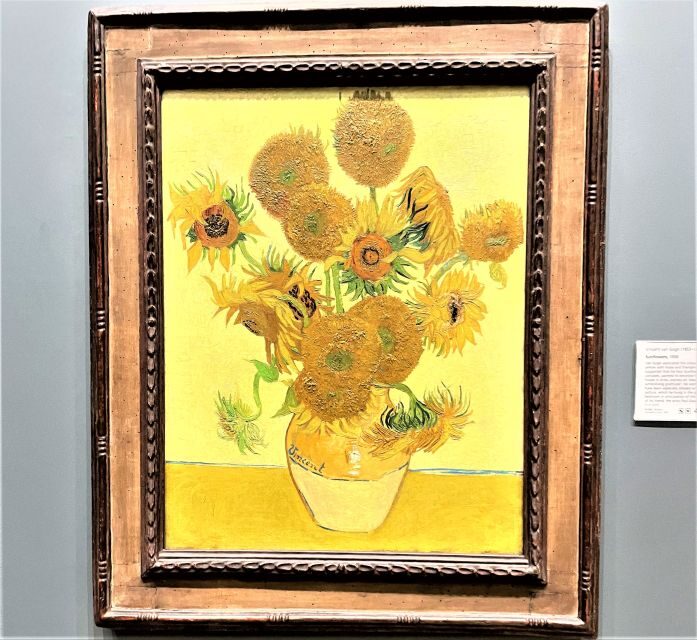
Two of the most exciting highlights named are Da Vinci and Van Gogh. Da Vinci’s The Virgin of the Rocks is specifically mentioned. If you’ve only heard about Leonardo in school terms, this kind of guided look helps you notice what makes the painting tick: how figures relate to each other, how the scene is composed, and how meaning is carried through expression and setting.
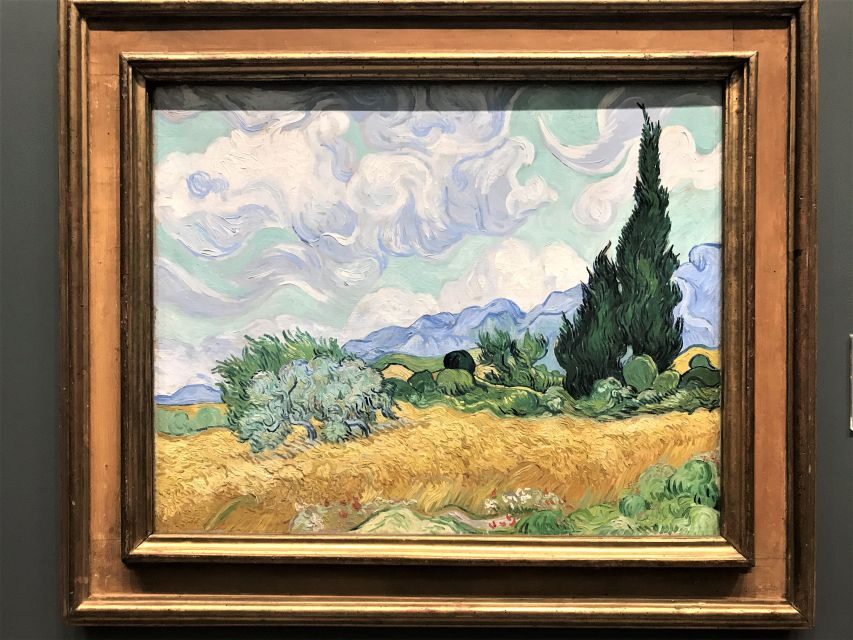
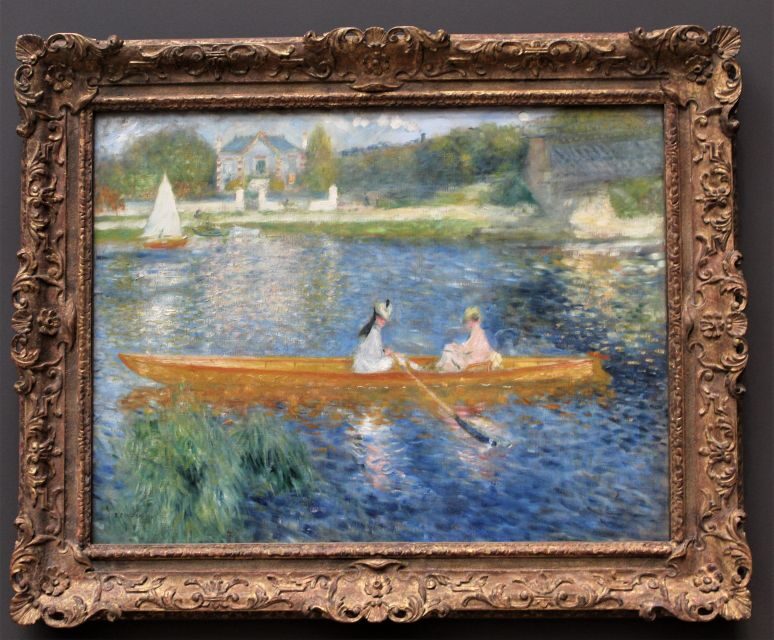
Van Gogh is part of the later arc toward Impressionism. The point isn’t just to see the famous name; it’s to understand how the style logic changes over time. By the time you reach that later period, you should be able to recognize what’s different about the way artists handle color, light, and mood.
You’ll also encounter other anchors in the story:
- Van Eyck (with the memorial-to-loss angle)
- Raphael (focusing on genius and changing styles across centuries)
- Plus multiple other artists across the timeline, including Constable and more
One of the strongest themes here is technique plus relevance. The guide doesn’t just say, This is important. He connects it to what the painting is doing—how it’s built, what it’s communicating, and what artistic choices mean.
The storytelling layer: kings, popes, apologies, and hidden meanings
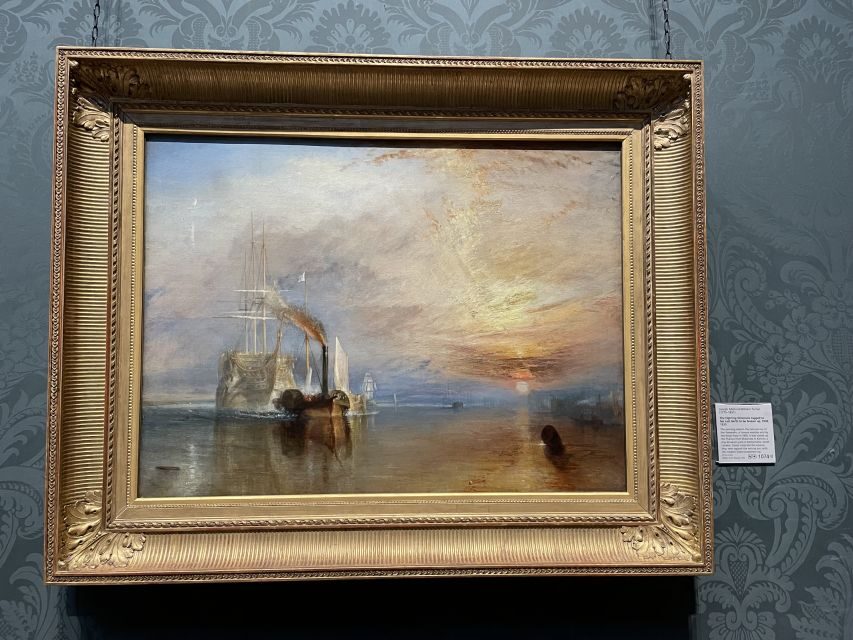
What makes this tour feel lively is the way the guide turns art history into narrative. You’re set up to look for hidden messages and provocative meaning—things like works just for a king, an apology to the Pope, and a call to arms.
That might sound dramatic, but it’s helpful. Art across these centuries wasn’t created in a vacuum. Patronage, religion, politics, and reputation could all shape what ended up on the wall.
So instead of you staring at a painting and guessing what you’re missing, the guide cues you to interpret. You’ll be watching for evidence—symbol choices, presentation style, and how the artist builds meaning through composition.
This is where Anthony’s humor and clarity really show. One review-style theme that stands out in the info you provided is that his knowledge is delivered with good humor and grace, and that he’s easy to ask questions to without the awkward pause.
Pace, questions, and a private-group feel that actually works
This is a private group up to 8 people. That size matters. It keeps the tour from turning into a slow shuffle with people asking five different questions at once. Instead, you get a pace that feels intentional—fast enough to keep momentum through the timeline, but never so rushed that you can’t stop and look.
The tour format also leaves space for discussion. That shows up in the feedback you shared: good pace, but plenty of chances for questions and further talk. This is especially useful if you’re traveling with teens or you want something that isn’t just a lecture. One family example in the provided details mentions a 13-year-old joining for the last half hour and still enjoying it—so the approach has a way of staying readable even for younger viewers.
Who should like this most?
- First-timers who want a structured way to understand the National Gallery fast
- Art lovers who want technique and context tied to specific masterpieces
- Mixed groups (adults with different comfort levels, or a teen who needs the story line)
- Anyone short on time who still wants more than a quick walk-by
If you’re the type who likes long, quiet wandering with no plan at all, you might want to treat this as a high-impact primer, then extend your visit on your own afterward.
Price and value for a group up to 8
The price is $252 per group up to 8, and entrance tickets are included. That’s the key value detail: you’re not paying extra just to get in after you book a guide.
To judge value, think in per-person terms:
- If you fill the group with 8 people, the tour works out to roughly $31.50 per person for the guide-led experience plus your ticket.
- If you have fewer people, the per-person cost rises—but you still get the advantage of skip-the-line entry and a licensed guide, which can be hard to replicate when you’re traveling independently.
Compared with doing a self-guided visit and spending most of your mental energy figuring out what to look at, this tour buys you time and clarity. For a museum that can swallow an entire day, 2.5 hours with a strong guiding thread is often the smartest use of limited time.
Also, since transportation and food/drink are not included, plan for a normal museum routine: use the tour as your “main event,” then handle the rest independently.
What to do before and after the tour
Before you go, I’d treat this like a museum “assignment,” not a scavenger hunt. Bring curiosity. If you know you like Renaissance art, tell the guide what you’re hoping to focus on when you meet. If you don’t know where to start, still tell the guide what you’re curious about—you’ll get a clearer pathway.
After the tour, you’ll know where to look next. Because the guide has linked eras and styles, you can walk back into the galleries and recognize patterns: portrait style shifts, changes in realism, and what the jump to Impressionism actually means.
If you have extra time, use it to do follow-ups:
- Return to one or two paintings you cared about most
- Compare what the guide showed you against what you notice on your own
- Take a slower look at the details the guide trained your eyes to see
Should you book this private National Gallery tour?
Book it if you want a guided timeline that makes the National Gallery feel logical, not overwhelming. The strongest reasons to choose it are the private-group format, skip-the-line entry, and Anthony’s story-and-technique approach that ties artists across centuries into a connected experience. It’s also a great choice when you only have a half-day and you still want to understand why the paintings matter.
Skip it (or pair it with more free time) if you prefer unguided wandering for hours or you’re determined to see every room. This tour is built for highlights and understanding, not for total coverage.
FAQ
Where do we meet for the tour?
You meet by the Red Telephone Box at the entrance to the Sainsbury Wing of the National Gallery.
Is skip-the-line entry included?
Yes. The tour includes skip the line through a separate entrance.
How long is the tour?
The duration is 2.5 hours.
What’s included in the price?
The price includes a private licensed guide and an entrance ticket.
What is not included?
Transportation and food and drink are not included.
Is the tour offered in English?
Yes, the live tour guide is English.
Will the tour run in bad weather?
Yes. This tour takes place rain or shine.
Can I cancel, and how far in advance?
Free cancellation is available up to 24 hours in advance for a full refund.