REVIEW · LONDON
London: Royal Hampton Court Guided Tour with Afternoon Tea
Book on GetYourGuide →Operated by Top Tasting Tours · Bookable on GetYourGuide
Step into Tudor England fast. This Hampton Court experience is timed for a real day out: a guided walkthrough that gives you the big story, then full access to the palace and gardens afterward. You get a live guide for about 2 hours of pointing, context, and behind-the-scenes details, plus a full afternoon tea stop timed in the palace grounds.
I especially like the mix of guided and independent time, because Hampton Court is huge and you need the right route. I also love how the tour connects major royal moments to physical places, from Cardinal Wolsey’s origins through Ann Boleyn’s Gatehouse and on to the Fountain Court area linked to William III and Mary II. One possible drawback: afternoon tea is included, but one review flagged it as underwhelming—so treat it as part of the day, not the single reason to book.
In This Review
- Key highlights you’ll care about
- A royal day trip that actually feels like a plan
- Where the experience starts: Hampton Court Station meeting point
- The guided portion: 2 hours that map the palace’s main eras
- Wolsey to Henry VIII: how the palace makes Tudor power feel real
- Ann Boleyn’s Gatehouse and the jump to Baroque Fountain Court
- Sunken gardens and Tudor kitchens: where scale hits you
- Tiltyard and afternoon tea: the most memorable pause
- Afternoon tea quality: what to expect, and what to watch for
- Full-day entry: why the timing is such good value
- Tips from guides named in reviews that you can use
- Who this tour suits best
- Should you book Royal Hampton Court with Afternoon Tea?
- FAQ
- How long is the guided part of the Hampton Court tour?
- Where does the tour start?
- Is skip-the-line entry included?
- Is afternoon tea included in the price?
- What’s included besides afternoon tea?
- What languages are available for the audio guide?
- Is the tour wheelchair accessible?
- Are pets allowed?
- Is a private group option available?
Key highlights you’ll care about

- A guided route that maps royal drama to real rooms (Henry VIII, Ann Boleyn, and the later William III/Mary II era)
- Skip-the-ticket-line entry with full-day access so you’re not trapped in a rushed tour
- Afternoon tea in a palace setting, served after a walk through Tudor spaces like the kitchens and Tiltyard
- A guide-led sense of place helped by audio support if you want it (multiple languages listed)
- Super practical for London: it’s built as a quick day trip, about 30 minutes out
A royal day trip that actually feels like a plan
Hampton Court Palace is close enough to London that you can do it without turning your schedule into a spreadsheet. You start at Hampton Court Railway Station, not some far-off bus stop, so you get moving fast and spend more time in the palace instead of commuting.
The best part is the pacing. You get 2 hours guided, then you’re released to explore the palace and gardens for the rest of the day. That structure matters here, because Hampton Court isn’t a small museum you can wing casually. It’s a working-feeling royal complex with courtyards, formal spaces, and long routes between sections.
Also, you’re not stuck relying only on audio. You’ll have a live English guide who explains the why behind what you see, plus an audio guide option in several languages if you want extra support.
You can also read our reviews of more guided tours in London



Where the experience starts: Hampton Court Station meeting point
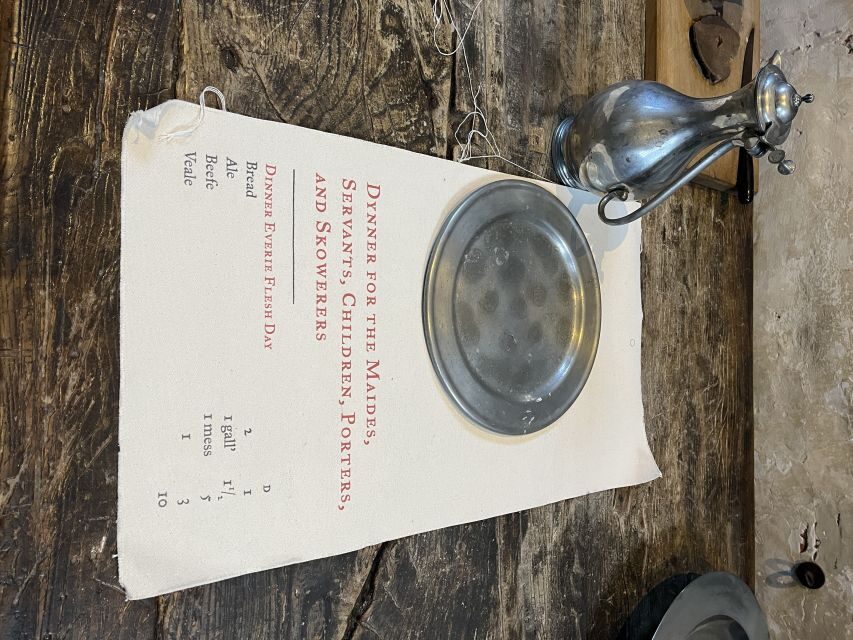
Your guide meets you at the entrance of Hampton Court Station. This is one of those small details that helps a lot. If you’re arriving from London by train, you don’t have to guess which entrance or wander around carrying your “am I late?” anxiety.
From there, you’ll move into the palace grounds with the tour flow already set up. The day is built around a smooth handoff: guided story first, independent wandering afterward. That means you don’t have to constantly check your watch, because the main route is clearly timed to finish at the palace.
Practical note: no pets are allowed, and you can’t bring oversize luggage. Pack light if you can—Hampton Court is more fun when your hands are free for photos and you’re not juggling bags on busy walkways.
The guided portion: 2 hours that map the palace’s main eras

The live guide part is about 2 hours. That’s a sweet spot for Hampton Court. Long enough to understand the storyline and make sense of major areas, short enough that you still have energy to explore afterward.
What you’ll get isn’t just dates. The guide turns places into scenes. You begin with the history tied to Cardinal Wolsey, including the idea that he created the palace and gifted it to Henry back in 1528. That framing matters, because Tudor Hampton Court isn’t just a backdrop—it’s the physical stage for Henry VIII’s power moves.
As you walk, the guide connects the architecture to specific people and events. You’ll pass under Ann Boleyn’s Gatehouse, where she lived before her execution. Whether you know her story already or you’re catching up, this kind of stop does something simple: it gives your eyes a landmark, and your brain gets a reason to pay attention.
Wolsey to Henry VIII: how the palace makes Tudor power feel real
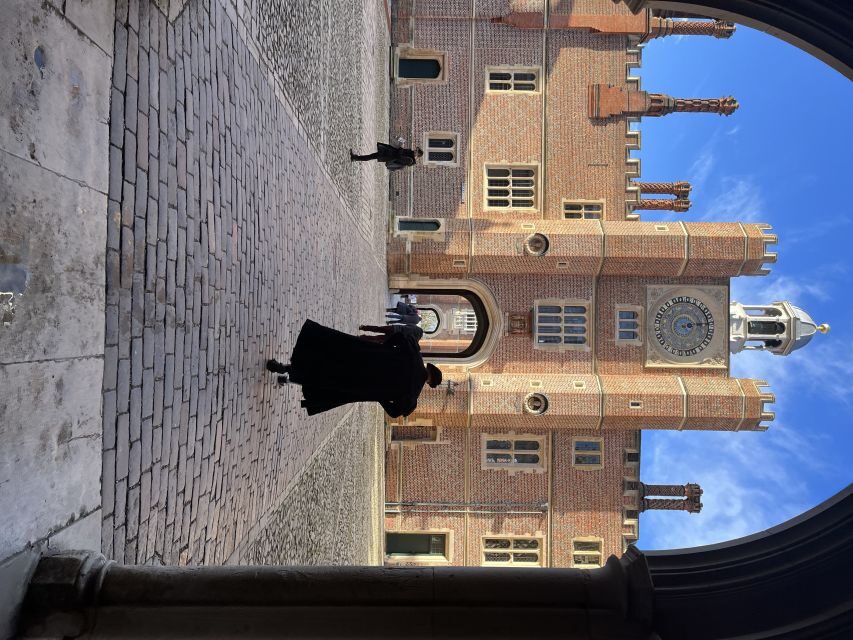
Tudor England can feel abstract from inside London classrooms. Here, it clicks because you’re moving through real courtyards and chambers tied to the royal timeline.
The tour begins with Cardinal Wolsey’s creation story and its gift to Henry. That gets you oriented fast: Hampton Court isn’t one moment in time—it’s layers of rulers building, updating, and reshaping what the palace means.
As you stroll through the courtyards, you’re shown the places that witnessed big events. This is one of the things I like most about guide-led tours here: you learn what to look for, then you get to re-spot it on your own after the guided portion ends.
Then you shift forward in time. It’s not just Tudor. The guide helps you see how Hampton Court keeps changing with each ruling family, so you don’t end up feeling like you only visited the Henry VIII wing of a bigger story.
Ann Boleyn’s Gatehouse and the jump to Baroque Fountain Court
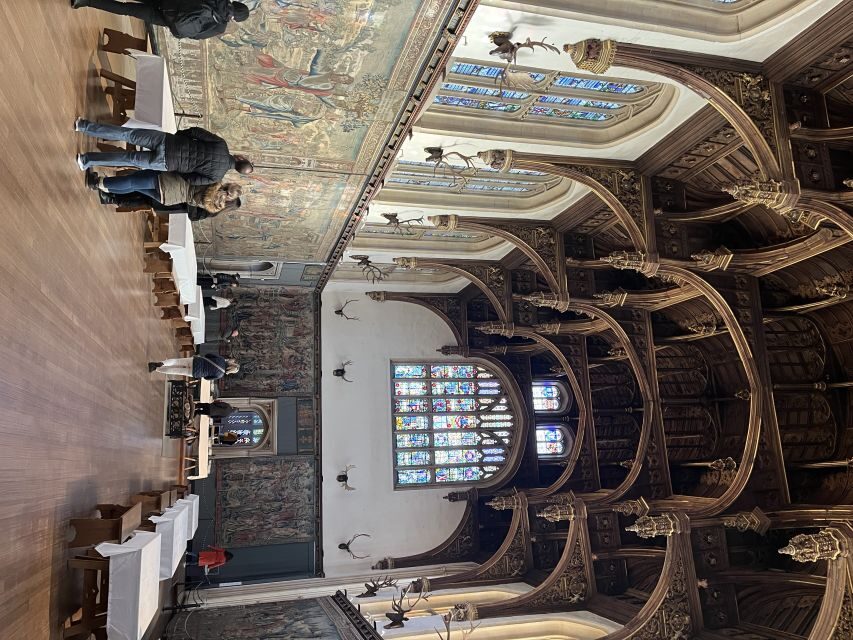
The Ann Boleyn stop is dramatic, and it’s also practical. Once you’ve seen Ann Boleyn’s Gatehouse, you understand how the palace layout supports movement—entryways, courtyards, and the pathways between major royal zones.
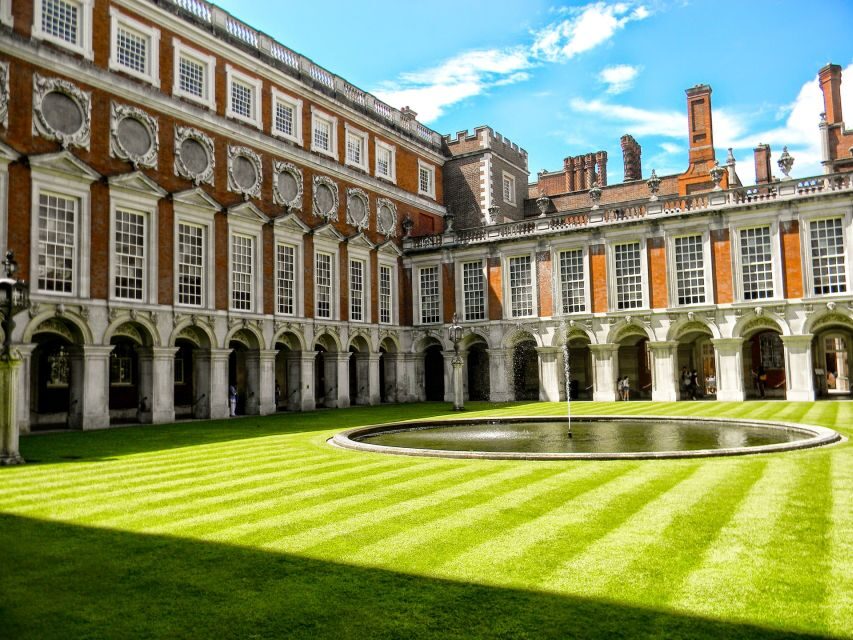
After that, you move to the magnificent baroque palace, specifically Fountain Court, which the tour ties to Sir Christopher Wren’s work for William III and Mary II. This part is great because it prevents the day from becoming a single-eras-only experience. You’ll still feel the weight of Tudor England, but you’ll also notice how royal taste changed in later reigns.
Why this matters for you: if your brain likes patterns, you’ll start spotting the contrast between formal Tudor spaces and later royal upgrades. It helps you enjoy Hampton Court rather than just list what you saw.





Sunken gardens and Tudor kitchens: where scale hits you
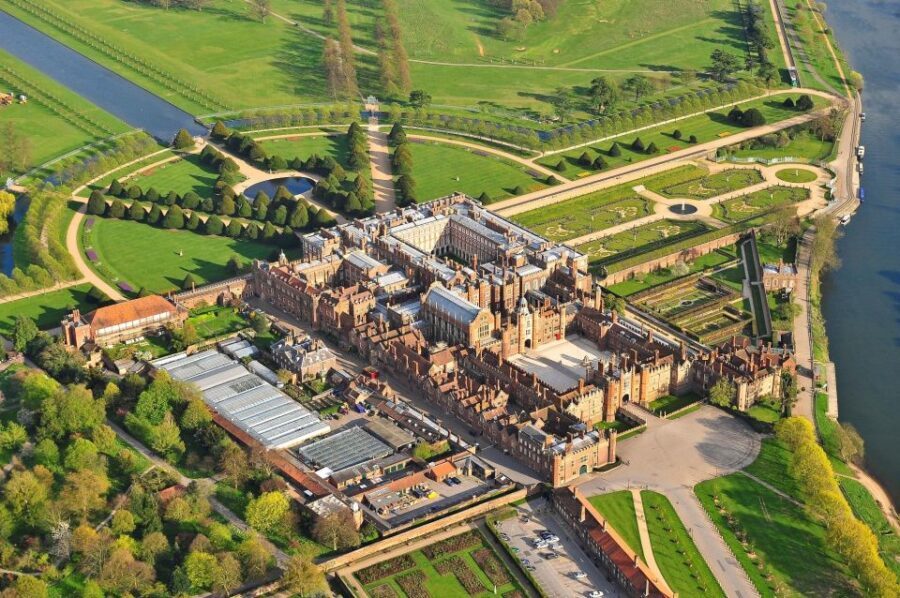
After the major storyline beats, the route continues into the palace’s restored sunken gardens and then onto the vast Tudor kitchens.
This is the moment when Hampton Court stops being a photo backdrop and becomes a place with real working logic. Gardens show how royalty shaped leisure. Tudor kitchens show how much infrastructure sat behind meals, banquets, and daily operations.
Even if you’re not a food-history person, kitchens are a smart stop in a guided tour. You see scale. You see function. And you get a more balanced sense of palace life—less only politics, more daily machine that kept the court going.
It also helps you pace your afternoon. By this point in the day, your brain is ready for variety. Gardens reset your senses. Kitchens feed your curiosity.
Tiltyard and afternoon tea: the most memorable pause
Next is the Tiltyard, originally for jousting. This detail turns the whole setting into something more than a dining break. You’re eating where the court once staged spectacle—so your afternoon tea has context, not just calories.
Then you settle in for afternoon tea described as a full traditional spread: delicate finger sandwiches, patisseries, and freshly baked scones, with a selection of premium teas. The tour also includes a bit of discussion around facts about the Royal family and even the history behind afternoon tea as a national drink, plus the ceremony behind how it’s served.
One useful takeaway from the reviews: when people loved the day, they often talked about how the guide kept the story fun and tied it to the setting of the tea. That’s exactly what you should look for—guides who connect the meal stop to what you walked through earlier.
Afternoon tea quality: what to expect, and what to watch for
Afternoon tea here is positioned as a highlight, and many accounts describe it as high standard. Some mention a good variety: multiple types of sandwiches, scones, and desserts, plus a decent selection of teas.
A few reviews also point out a difference in tea experience quality. One person felt the afternoon tea was underwhelming and suggested dropping it from the tour. I’d treat that as a heads-up that food service can be variable day to day or dependent on the exact tea setting.
My practical advice: focus on the whole experience, not just the plate. If you’re excited about Henry VIII-era storytelling and the palace grounds, afternoon tea is a well-placed break. If you’re mainly here for gourmet food, you might want to plan your food expectations accordingly and consider pairing the day with a separate meal later.
Full-day entry: why the timing is such good value
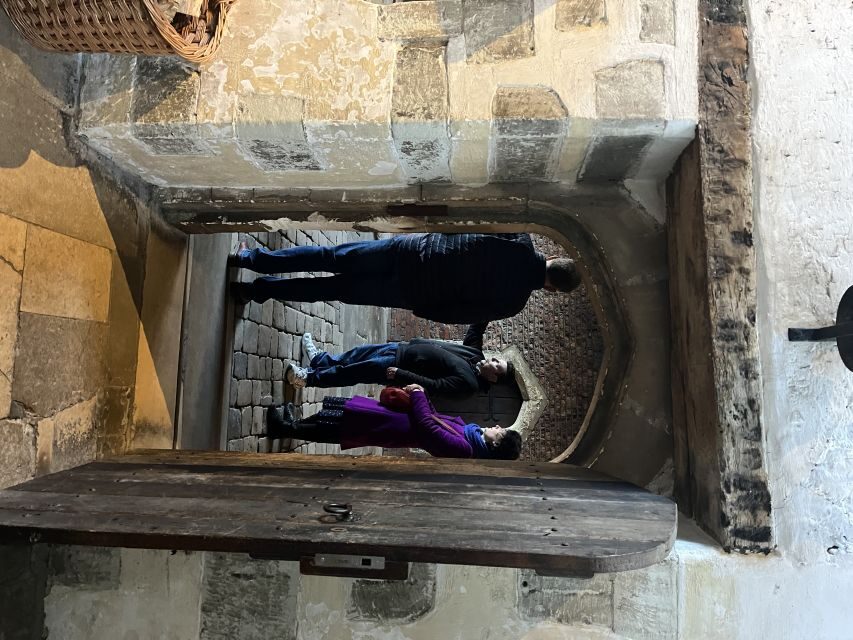
The headline value is not only that entry is included. It’s that you get skip-the-line entry and then full access for the rest of the day after the guided segment ends.
That matters because Hampton Court doesn’t run on a simple loop. You’ll want time to wander outdoors, revisit spots you liked, and explore gardens without feeling tethered to the group.
Also, you’re getting this day structure starting from Hampton Court Palace and finishing back at the palace, which keeps it easy. When your guided portion ends, you’re already in the right place to roam the 60 acres of gardens.
If you’re a planner, this is your friend. If you’re spontaneous, it’s still useful. Either way, you don’t lose time re-entering or searching for the right ticket flow.
Tips from guides named in reviews that you can use
Even though you won’t control which guide you get, the reviews give you real clues about what to look for and what to ask while you’re there.
Names that came up include Suzane, Thomas, Julie, Geraint, and Brandon (plus another guide named Tom in a couple accounts). When guides are strong, people mention that the palace feels like it comes alive: hidden passageways, painted details you’d otherwise miss, and helpful picture spots.
So here’s what you can do on the day:
- Ask your guide which areas are fastest to miss if you only do a partial circuit.
- If you’re into photos, ask where the guide suggests taking them before crowds build.
- When you’re at a major landmark like Ann Boleyn’s Gatehouse or Fountain Court, ask what people often misunderstand about the place.
This isn’t about being difficult. It’s about using your guide as the shortcut for what’s worth your limited time.
Who this tour suits best
This is a strong choice if you want a day trip that doesn’t feel like two separate activities. You’ll get a structured story, then time to wander at your own pace with full-day access.
It’s also ideal if:
- you want to see Tudor England and later royal layers (not just one era)
- you like learning what you’re looking at while you’re standing in front of it
- you want a built-in break with afternoon tea, served in a palace-area setting
It might be less ideal if:
- you’re only interested in food and care less about palace context
- you prefer very short, very casual sightseeing with no guided pacing
Should you book Royal Hampton Court with Afternoon Tea?
Yes—if you’re booking a London day trip and you want real structure plus time to roam, this format makes sense. You’re paying for the combo: a guided story, skip-the-line entry, afternoon tea, and then the freedom to explore the palace and gardens afterward.
My call: book it if you’re excited by Henry VIII, Ann Boleyn’s setting, and the later William III and Mary II updates tied to Fountain Court. Go in expecting afternoon tea as part of the day experience, not guaranteed restaurant-level perfection every single time.
If you can only choose based on one thing, choose the live guide and full-day access. The tea is the icing, not the cake.
FAQ
How long is the guided part of the Hampton Court tour?
The tour runs about 2.5 to 3 hours total, with the guided palace portion lasting around 2 hours and then time for you to explore on your own.
Where does the tour start?
Your guide meets you at the entrance of Hampton Court Railway Station.
Is skip-the-line entry included?
Yes. The experience includes a skip-the-ticket-line entry.
Is afternoon tea included in the price?
Yes. Afternoon tea is included as part of the tour.
What’s included besides afternoon tea?
An audio guide is included along with the live guide and afternoon tea.
What languages are available for the audio guide?
The audio guide is available in Spanish, Chinese, Dutch, French, German, Japanese, Kannada, Korean, and Russian, in addition to the live English guide.
Is the tour wheelchair accessible?
Yes, the experience is listed as wheelchair accessible.
Are pets allowed?
No. Pets are not allowed.
Is a private group option available?
Yes. Private group available is listed.