REVIEW · LONDON
London: The Courtauld Gallery at Somerset House Entry Ticket
Book on GetYourGuide →Operated by The Courtauld · Bookable on GetYourGuide
Art that stays with you.
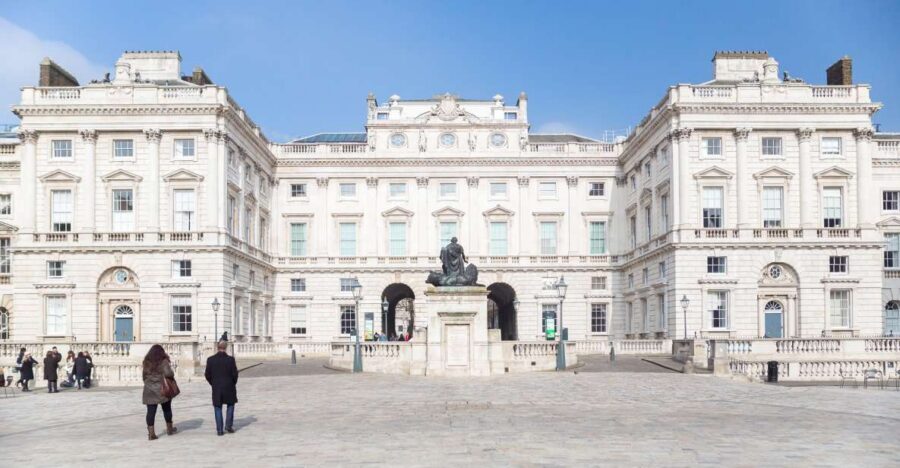
The Courtauld Gallery sits inside Somerset House, and the setting makes the art feel even more immediate. I especially like two things here: the tight, world-class concentration of major works (Van Gogh, Manet, Monet, Degas) and the way the museum teaches you history as you move room to room.
You start in the LVMH Great Room with the big names of Impressionism and Post‑Impressionism—then you climb to the Blavatnik Fine Rooms for Renaissance up to the 18th century. Along the way, you’ll hit standout works like Van Gogh’s Self-Portrait with Bandaged Ear, and Manet’s A Bar at the Folies Bergère.
One consideration: this ticket covers the permanent collection only, so you’ll miss anything that’s labeled temporary. If you’re chasing a specific special exhibit, you’ll want to plan that separately before you go.
In This Review
- Key things to know before you enter
- Why the Courtauld inside Somerset House feels different
- Your first rooms: LVMH Great Room and the Impressionist punch
- The second floor shift: Blavatnik Fine Rooms and Renaissance to 18th century
- Ruddock Family Gallery: medieval and early Renaissance focus
- 20th-century art and the Bloomsbury Group: why the change of pace matters
- How to use the audio guide without turning your day into homework
- Where the value really comes from (and what it costs you)
- Who this experience fits best
- Should you book the Courtauld Gallery permanent collection ticket?
- FAQ
- What does the London Courtauld Gallery entry ticket include?
- Are temporary exhibitions included with this ticket?
- Where is the Courtauld Gallery located?
- Is an audio guide included, and what language is it in?
- How long is the ticket valid?
- Is it wheelchair accessible, and is there English support?
- Can I cancel for a refund?
Key things to know before you enter
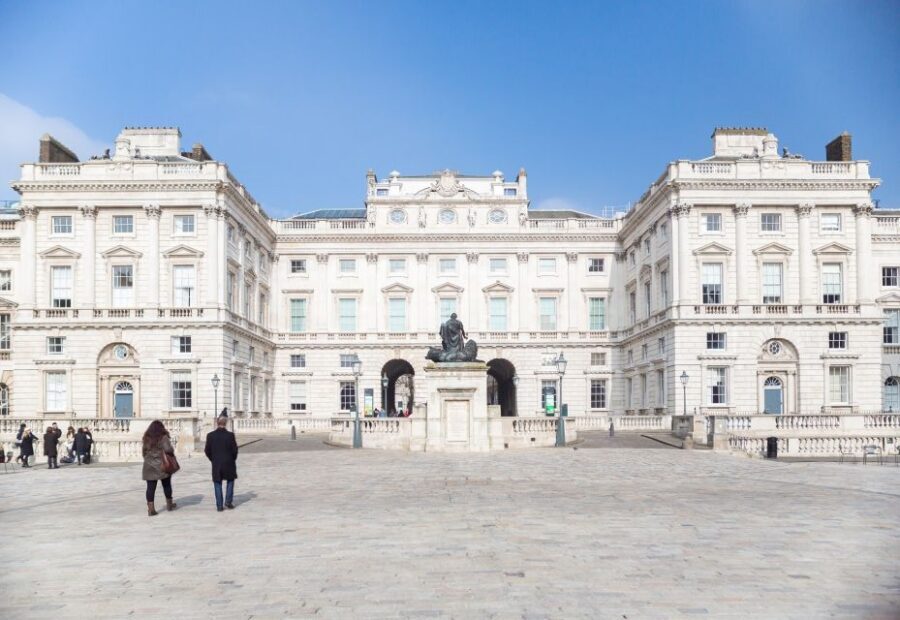
- Somerset House location: The Courtauld is housed inside one of London’s most photogenic historic complexes.
- Permanent collection only: The ticket covers the core galleries, not temporary exhibitions.
- A built-in learning route: You’ll move from Impressionist/Post‑Impressionist rooms to Renaissance-heavy rooms on the second floor.
- Audio guide included (English): Perfect if you want context without slowing down your pace.
- The big-name hits are real: Van Gogh, Manet, Botticelli, Rubens, Bruegel, and Cranach show up where you’d expect them.
- Wheelchair accessible: The venue is set up for wheelchair access.
Why the Courtauld inside Somerset House feels different
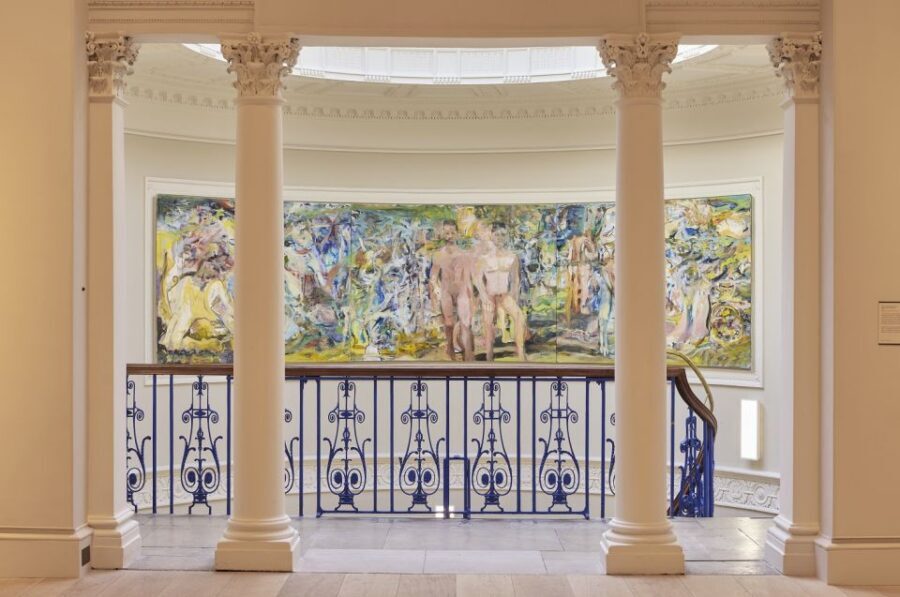
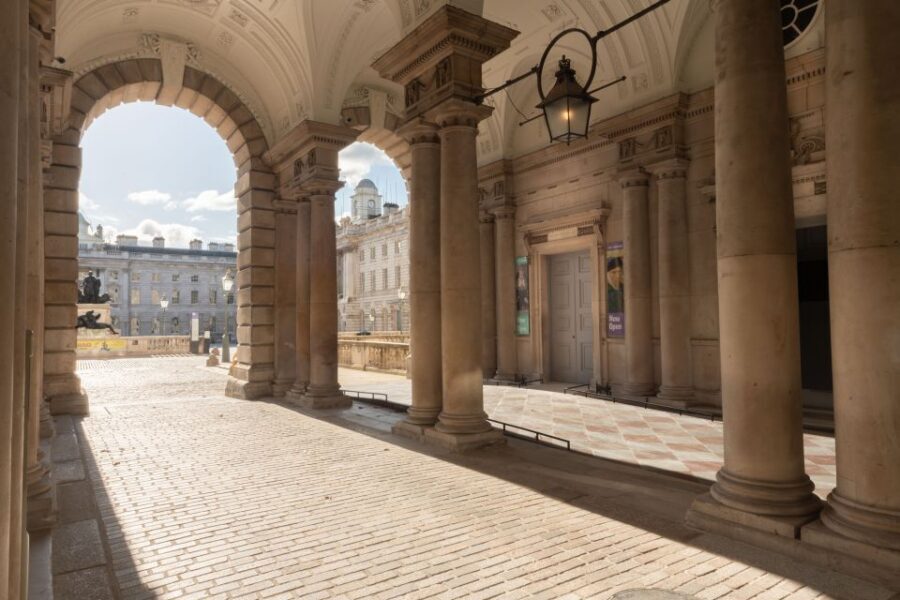
Somerset House isn’t just a convenient address. It’s part of the experience. The Courtauld’s permanent galleries are comfortably “museum-shaped,” so you can see a lot without feeling like you’re sprinting through a maze.
I like that the building doesn’t compete with the paintings. Instead, it frames them. When you enter, you get that sense of order: you’re in London, but you’re stepping into a calmer, more focused art world.
If you enjoy museums where the rooms connect logically—like you’re reading a timeline rather than wandering randomly—you’ll feel at home here. The Courtauld is built for that. You begin with later art and move toward older art, which flips the usual “start ancient” habit and keeps your brain awake.
You can also read our reviews of more tours and experiences in London


Your first rooms: LVMH Great Room and the Impressionist punch
The classic way to begin is with the Impressionist and Post‑Impressionist highlights in the LVMH Great Room. This is where the Courtauld hits hard, fast.
Here’s what you can expect based on the gallery layout and featured works:
- You’ll see major paintings tied to Impressionism and Post‑Impressionism.
- You’ll spot famous artists like Manet and Van Gogh early, which helps you orient quickly.
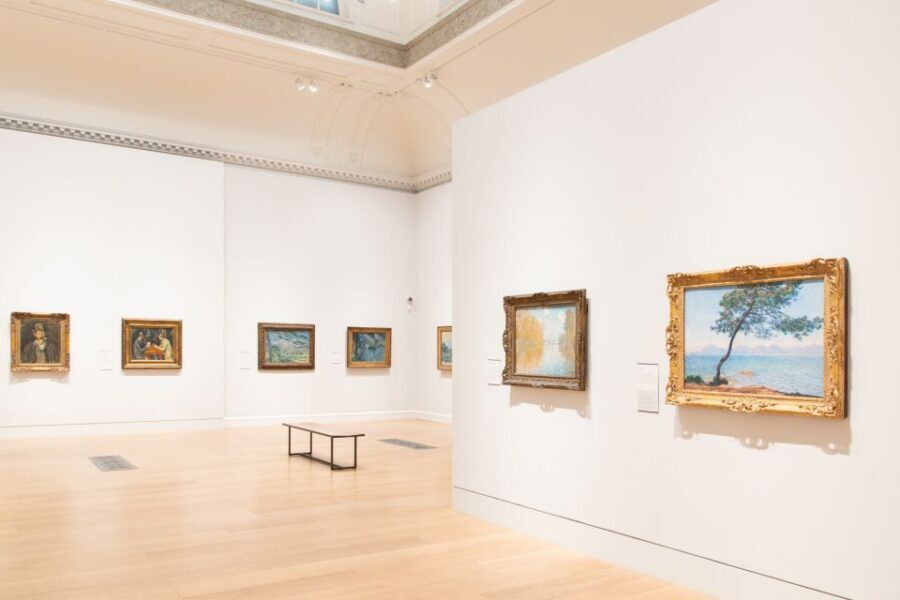
Among the specific works called out for this area, Manet’s A Bar at the Folies Bergère is the one that people remember. It’s the kind of painting that makes you look twice—first at the scene, then at how the artist structures attention.
Then Van Gogh’s Self-Portrait with Bandaged Ear adds a totally different kind of energy: more personal, more direct. It’s a good early stop because it shifts the museum from “style history” into “human story” without you needing any background.
The Courtauld also includes a UK treasure trove of Cézanne works. That matters, because it’s one thing to admire Cézanne in a lecture; it’s another to see how his approach holds up in a gallery where you can actually stand back, step closer, and watch how the paint behaves.
If you’re short on time, you don’t have to see every single painting to get value. This room alone can set your tone for the day. But if you have the energy, lingering here pays off.
The second floor shift: Blavatnik Fine Rooms and Renaissance to 18th century
After the Impressionist start, the museum moves you to the Blavatnik Fine Rooms on the second floor. This change of era is the point. One floor feels like modern eyes; the next is Renaissance-and-beyond beauty work.
This is where I think the Courtauld earns its reputation for atmosphere. The jump in subject matter and style is dramatic, and it makes the collection feel curated even though it’s simply arranged by concept and time.
You’ll encounter works and artists including:
- Lucas Cranach’s Adam and Eve
- Rubens’ The Descent From The Cross
- Botticelli’s The Trinity with Saints
- Pieter Bruegel the Elder’s Landscape with a flight into Egypt
Botticelli’s Trinity piece is the kind of painting that slows people down. It’s not just famous—it’s visually disciplined, full of beauty and structure, and it rewards careful looking. If you like religious art, you’ll probably want extra minutes here. If you don’t usually do religious art, this one can still convert you, because it’s about form and composition as much as story.
Rubens’ Descent From The Cross brings the opposite effect: motion, drama, and intensity. It’s a great counterweight to the more delicate Renaissance feel. Standing between Botticelli and Rubens is almost like watching two different theories of painting.
And Cranach’s Adam and Eve is useful as a bridge between Renaissance themes and earlier European visual traditions. It helps you understand how “old master” art often carries both symbolism and craft.
Bruegel’s Landscape with a flight into Egypt is a good reminder that European art is rarely only about one thing. Even when a scene is “landscape” in format, it’s also storytelling—packed with details that you may only notice after you’ve looked for a while.
Ruddock Family Gallery: medieval and early Renaissance focus
Then you hit the Ruddock Family Gallery, dedicated to Medieval and Early Renaissance art. This section gives you a different kind of momentum.
Instead of the big, showy drama you might associate with later Baroque painting, early European art often asks for a more patient viewer. The payoff is that you start seeing the roots of later styles: how figures get built, how symbolism gets handled, and how artists borrow and transform earlier ideas.
If you’re the type who likes art history as a chain of cause and effect, this gallery can feel satisfying. It also helps the day avoid the “Impressionists then done” problem. You’ll leave with a sense of progression instead of a single taste.
20th-century art and the Bloomsbury Group: why the change of pace matters
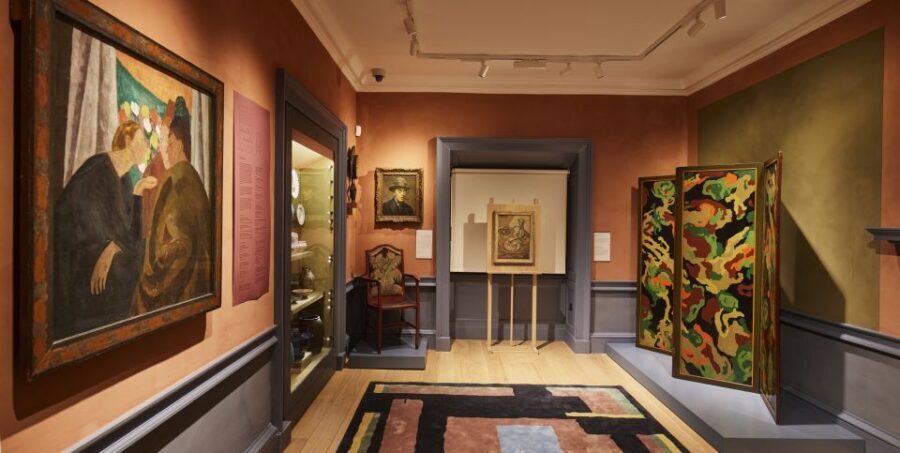
After Renaissance and medieval, the museum shifts again—into 20th-century art with rooms connected to the Bloomsbury Group. The museum notes that the 20th-century and Bloomsbury displays can change over time, which is smart. It keeps the collection from turning into a static checklist.
What you’ll get from this part isn’t just names. It’s a different kind of looking. 20th-century art tends to ask you to slow down in a new way: less about religious narrative, more about style choices, ideas, and modern social angles.
The Bloomsbury reference matters because it anchors you in a real intellectual England. It’s not just “modern art appeared.” It’s tied to a way of thinking—writers, thinkers, and artists connected to London life. Even if you’re not chasing scholarship, that context helps you interpret what you’re seeing.
This section is also where the day becomes flexible. If you’re tired of standing, you can switch your approach: pick a few works that interest you visually and spend time with those instead of forcing a full tour sweep.
You can also read our reviews of more museum experiences in London





How to use the audio guide without turning your day into homework
The audio guide is included and available in English. That’s a big deal, because it means you can get context without buying anything extra on the spot.
My practical advice: don’t try to “finish” the guide. Pick moments. Use it when you’re standing still and the painting is doing its work. Skip it when you’re already instinctively following what the artist is doing.
A great time to use the audio guide is in the rooms where the art feels more complex to decode—like Renaissance or early art with symbolism. Another good moment is when you’re seeing a painting you’ve heard about, such as Manet’s Folies Bergère scene. You’ll likely learn something that changes how you look at the composition, not just a trivia fact.
Also, audio guides work best when you build little pauses into your route. Even 30–60 seconds of quiet looking can make a huge difference.
Where the value really comes from (and what it costs you)
At about $16 per person, this ticket is decent value for London. Here’s why: you’re not buying a generic museum pass. You’re paying for entry to the Courtauld’s permanent collection, which includes major works spanning Impressionism/Post‑Impressionism and Renaissance to later periods.
Add in the fact that:
- the audio guide is included (English),
- the museum is wheelchair accessible,
- and your time here is structured around a clear, time-based path,
…and it’s easier to feel that you got your money’s worth even if you don’t have a full day of museum stamina.
But you should also know what costs you if you plan wrong. Temporary exhibitions are not included. If a temporary exhibit is the main reason you want the Courtauld, you may need another ticket. In other words: this pass is best for the collection itself, not for chasing whatever special show is running that week.
The duration is labeled as 1 day, and availability can affect starting times. That means you should check available entry slots when you book, so you don’t arrive hoping for a time window that isn’t offered.
Who this experience fits best
This is a strong choice if:
- you like art history that moves through time in a logical sequence,
- you want major names (Van Gogh, Manet, Botticelli, Rubens, Bruegel, Cranach) without hopping between multiple museums,
- you enjoy a museum setting where the rooms are part of the experience, not just storage for artworks.
It’s also a good fit if you’re the kind of traveler who likes stopping at a handful of key works and then letting the room guide the rest of your attention.
If you only ever do one or two museums in London, this one can be a smart pick. You get a lot of eras under one roof, and the transition between eras feels designed rather than accidental.
Should you book the Courtauld Gallery permanent collection ticket?
I’d book it if your priority is the permanent collection and you’re happy spending time in both Impressionist/Post‑Impressionist and Renaissance-focused galleries. The lineup of highlighted works is strong, and the Somerset House setting gives you a pleasant “London day” vibe without chaotic logistics.
Skip it or plan extra tickets if temporary exhibitions are your main goal. Since this ticket doesn’t include them, you’ll want to confirm what’s on during your dates and decide whether you’re okay focusing on the core collection only.
If you want a museum day with a clear route, major masterpieces, and an included audio guide in English, this ticket is a practical, good-value way to do it.
FAQ
What does the London Courtauld Gallery entry ticket include?
It includes entry to the Courtauld Gallery permanent collection.
Are temporary exhibitions included with this ticket?
No. Entry to temporary exhibitions is not included.
Where is the Courtauld Gallery located?
The Courtauld Gallery is within Somerset House.
Is an audio guide included, and what language is it in?
Yes. An audio guide is included in English.
How long is the ticket valid?
The ticket is valid for 1 day, and availability is checked to see starting times.
Is it wheelchair accessible, and is there English support?
Yes, it is wheelchair accessible. The host/greeter language is English, and the activity language is English.
Can I cancel for a refund?
Yes. Free cancellation is available up to 24 hours in advance for a full refund.