REVIEW · LONDON
Royal London: from Saxons to Tudors & Stuarts Walking Tour
Book on GetYourGuide →Operated by Reign of London · Bookable on GetYourGuide
London’s monarchy, told street by street. This Royal London walking tour threads together Saxons, Tudors, and Stuarts as you move through central London’s royal past, spotting the kinds of places where the British monarchy leaves clues for anyone willing to look. You’ll get answers to big setup questions like what William Conquer did, why the Tudors matter, and who Edward the Confessor was—then the stories sharpen fast.
I love two things most. First, the way the tour hits major drama points in real London locations, including the spot tied to Henry VIII and Anne Boleyn and the steps connected to Charles I’s execution. Second, I like that the guide doesn’t just name rulers and dates; they explain how the story works, with humor and quick answers when you ask questions (I’ve heard from people who got guides like Natalie and Nichole, both praised for making it feel lively).
One consideration: this is an outside-only walk for the full two hours. If rain or cold hits, you’ll feel it unless you plan for it with an umbrella, warm layers, and solid shoes.
In This Review
- Key things you’ll like about this Royal London walk
- Starting at Trafalgar Square: the vibe before the monarchy stories kick in
- What it means to walk through the site of the largest royal palace
- The Stuart-era Shakespeare angle: why premieres matter
- Charles I’s footsteps: following romance and power toward execution
- Henry VIII and Anne Boleyn: why the marriage story is central
- From Saxons to Stuarts: how the tour keeps the timeline from getting messy
- The small-group format (max 6) and the pacing you’ll feel in your legs
- Rain, shoes, and water: the practical checklist that makes this tour comfortable
- Price and value: what $29 buys you in two hours of London storytelling
- Who this Royal London walk is best for
- Should you book Royal London: from Saxons to Tudors & Stuarts?
- FAQ
- How long is the Royal London: from Saxons to Tudors & Stuarts Walking Tour?
- Where do I meet for the tour?
- Is the tour inside a museum or outside?
- Do I need comfortable shoes or special clothing?
- What’s the group size limit?
- Is the tour suitable for children or wheelchair users?
Key things you’ll like about this Royal London walk
- Small group (max 6) keeps the pace human and makes questions actually work.
- Two hours outside, rain or shine means you see the sites as part of the living city, not behind doors.
- Shakespeare’s premiere story in the Stuart era gives the tour a theatrical spark beyond royal family gossip.
- Whitehall’s lost-palace story (where the largest royal palace once stood) turns ruins and street corners into context.
- Guides with humor can make the monarchy feel less like a textbook and more like unfolding drama.
Starting at Trafalgar Square: the vibe before the monarchy stories kick in
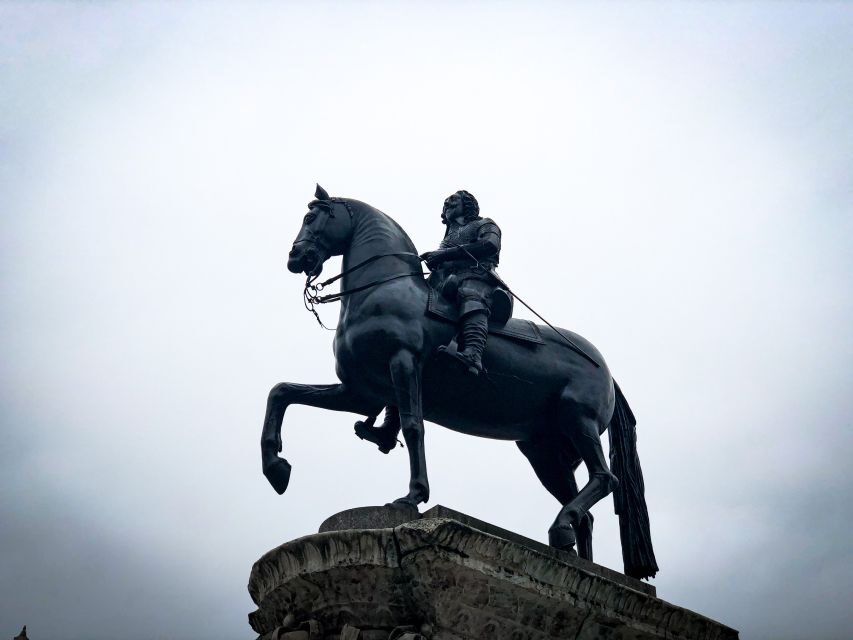
Your tour starts at the entrance to Waterstones bookshop on Trafalgar Square (WC2N 5EJ). It’s a smart meeting point: you’re already in a landmark part of central London, so it’s easy to orient yourself before the walk turns historical.
There’s also a fun detail to the start. The guide is described as a quirky short lady, and that matters because this kind of tour lives or dies on tone. You’re not just hearing facts; you’re getting a guided storyline that links Saxons, Tudors, and Stuarts into one continuous thread. The best guides keep the pace brisk and the focus clear, and the reviews around this tour strongly suggest that’s what you’ll get.
This walk is designed for people who enjoy royal-era storytelling—especially if you like series such as The Tudors, Becoming Elizabeth, Gunpowder, The White Queen, Mary & George, and Outlander. If you’ve watched those shows, you already know the emotional stakes. What you’ll gain here is how the real locations shaped the drama.
You can also read our reviews of more walking tours in London



What it means to walk through the site of the largest royal palace
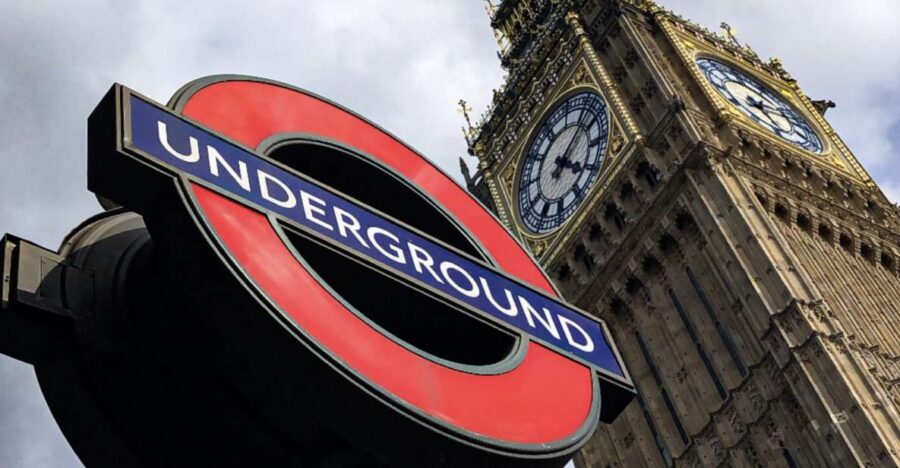
One highlight is exploring the site where the largest royal palace once stood. Even if you don’t know the exact building history, you’ll feel the significance as you learn what used to be there and why London’s royal power clustered in this area.
This is where the tour becomes more than a highlights reel. When you hear the story of a palace on the scale of “largest,” it’s not just bragging rights—it helps explain how monarchy worked day to day. Big palaces weren’t only about grandeur. They were about administration, ceremony, political control, and visibility. In other words: power had a stage, and London was it.
I also like that the tour frames the monarchy as a long arc. It’s titled from Saxons to Tudors & Stuarts, and you can feel that structure while walking. You’re not jumping randomly from king to queen. You’re watching how the system evolves, so later stories—like Shakespeare and Charles I—don’t feel bolted on. They feel like the next chapter.
The Stuart-era Shakespeare angle: why premieres matter
Another standout is the Stuart gem connection to Shakespeare premiering his plays. This part is a great reminder that monarchy and culture weren’t separate worlds. Royals patronized art, and art amplified authority. Theater wasn’t only entertainment; it was also a powerful way of shaping public imagination.
What makes this section valuable for you is perspective. If you mainly know Shakespeare through school or modern film versions, you might think of premieres as modern “opening night” energy. Here, you’ll learn to picture premieres in the court and city context—where the audience’s identity and the political mood could change what a performance meant.
It’s also a smart shift in the tour’s emotional rhythm. After palace scale and political authority, Shakespeare gives you a different kind of royal connection: not only who ruled, but how stories circulated. If you like the creative side of Tudor and Stuart drama, this is the part that often makes people lean in and start asking questions.
Charles I’s footsteps: following romance and power toward execution
One of the tour’s highlights is following the footsteps of the love-torn king doomed to be executed. That wording tells you how the guide is likely to handle this section: not only with the political headline, but with the human cost that makes monarchy drama so watchable.
This is where the walking format shines. Execution stories can sound clinical when you read them. Standing and walking near the places associated with Charles I’s fate adds physical scale: you understand this wasn’t a distant chapter in a history book. It happened in the real city people used every day.
You’ll also see why the tour includes earlier context like Saxons and the early setup questions about major figures. When you understand how power hardened over time, the later tragedy hits harder. The tour doesn’t pretend it’s one straight upward line. It shows that monarchy can be both spectacle and danger.
A practical note: this part of the walk can feel emotionally heavy compared to the theatre and palace stories. The guide’s humor—mentioned in reviews—helps keep it from becoming a lecture. You’ll likely finish this segment with a clearer sense of how personal decisions can reshape political reality.
Henry VIII and Anne Boleyn: why the marriage story is central
The tour also includes a stop where Henry VIII married Anne Boleyn. This is one of the most valuable parts of the walk because it anchors so many later cultural and religious shifts. Even if you only know the story through pop references, the marriage point gives you a concrete “where” to attach all the “what.”
And the tour goes one step further by pointing toward what it calls the greatest royal love story of all time. You should take that as the tour leaning into the emotional narrative—the devotion, the rivalry, and the consequences. That’s the reason this walking experience appeals to fans of period drama: the monarchy story is framed like a relationship story with high stakes.
For you, the win here isn’t memorizing names. It’s learning how to connect the dots. When you can tie the love story to a location, it stops being background noise. It becomes a map in your mind. Later, when you see a painting, a TV scene, or a book reference, you’ll know the geography that sits behind it.





From Saxons to Stuarts: how the tour keeps the timeline from getting messy
A lot of “royal London” tours feel like they list monarchs in a row. This one’s different because it explicitly tackles the big framing questions: what William Conquer changed, why the Tudors are important, and who Edward the Confessor was. That matters because it gives you the missing context to understand why later events become possible.
I also like that the guide treats kings and queens like they lived inside systems. You’re not just hearing who had power; you’re hearing why they could hold it and what they inherited. That approach is what keeps a two-hour tour from turning into information overload.
One review specifically praised that some kings aren’t even named in typical retellings, which can create the kind of false picture people get from too much marketing and too many simplified storylines. You’ll likely notice this tour makes room for the “in-between” rulers and the transitions. That’s where London’s monarchy becomes interesting, not repetitive.
And because the group is small—limited to six—there’s room for the guide to respond to questions rather than rushing past them. If you’re the kind of person who likes to ask why something happened, you’ll probably feel the tour is designed for you.
The small-group format (max 6) and the pacing you’ll feel in your legs
This is a two-hour walk with a limit of six participants. That number might sound small on paper, but it’s a big deal in practice. It changes how the guide can explain things at each stop. You won’t spend the whole walk trying to hear around a crowd.
It also affects pace. The tour is outside the entire time, and the review feedback suggests it’s not exhausting. You still need to take it seriously—this is walking around central London locations—but the tight group size usually helps the guide keep the movement manageable.
This tour isn’t a “bring the family and let the kids run around” situation. It’s noted as not suitable for children under 13, and it’s not meant for wheelchair users or people with mobility impairments. So if your group includes anyone who needs step-free access, you’ll want to consider alternatives.
Rain, shoes, and water: the practical checklist that makes this tour comfortable
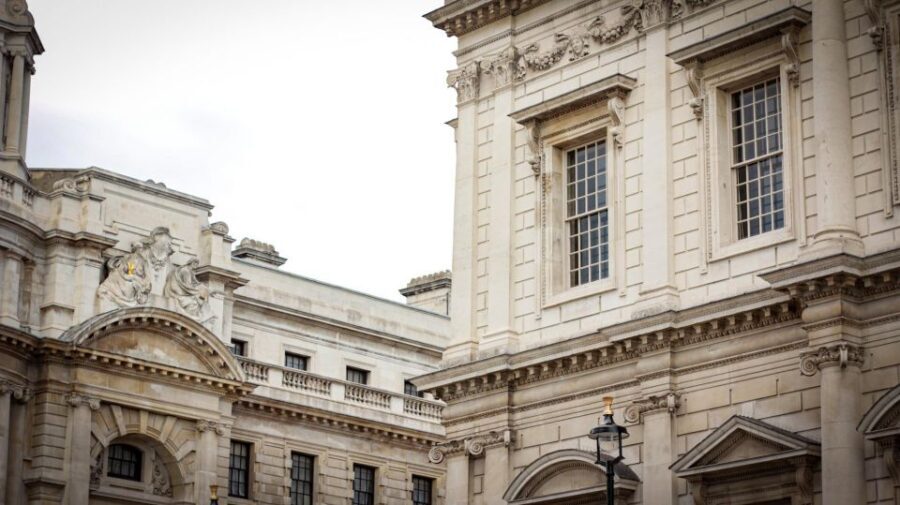
Because it’s outside for the full two hours, plan for weather. The guidance is straightforward: it runs rain or shine, bring an umbrella just in case, wear comfy shoes, and bring a bottle of water to stay hydrated.
Also, you’ll have toilets in Trafalgar Square, but opening hours can change. That’s one of those “it’s fine until it isn’t” things—so if you’re sensitive to restroom timing, give yourself a small buffer before the walk and don’t assume everything will be open later.
This is the kind of tour where small practical choices affect your memory later. If you’re wearing good shoes and you’re not fighting the weather, you’ll absorb the stories instead of thinking about your feet or your coat. And since the guide is answering questions and making connections, comfort helps you stay engaged.
Price and value: what $29 buys you in two hours of London storytelling
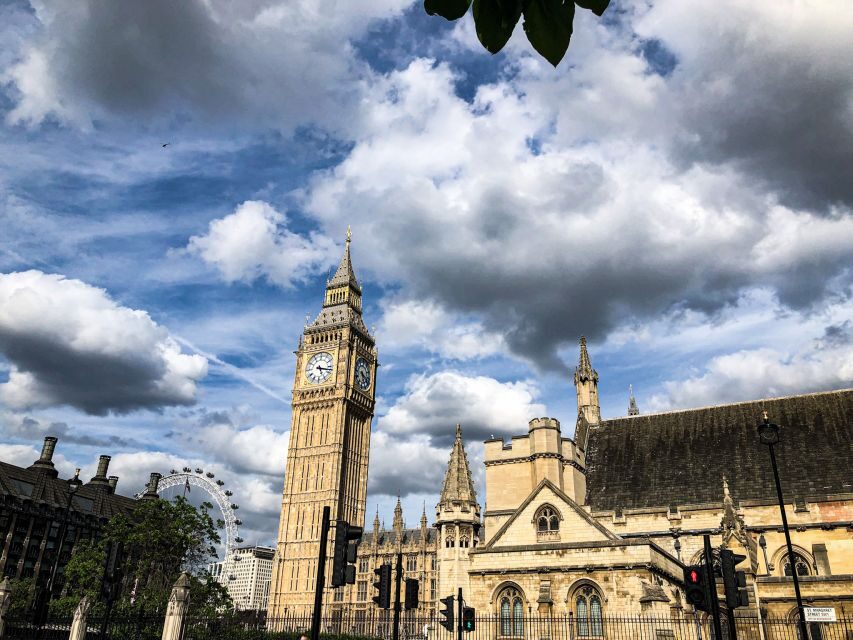
The price is listed at $29 per person, and at two hours long, you’re paying for a focused, guided route rather than a full-day schedule. I think that’s good value if you like guided context. You could read about Henry VIII, Anne Boleyn, Charles I, and Shakespeare on your own—but you’d have to stitch the timeline together yourself.
Here, the tour does that stitching. It starts with broad monarchy framing (Saxons through Tudors and Stuarts), then moves into the emotional highlights: palace scale, Shakespeare premieres, Charles I’s execution fate, and Henry VIII’s marriage point. If those topics are already on your “I want to understand this” list, a small-group walk is a fast way to turn scattered knowledge into a coherent mental map.
One extra note on value: a review mentioned a private tour option for £15. That doesn’t mean it’s always available, but it’s a reminder that sometimes you can find lower-cost variations depending on how bookings fill. If you see a private or smaller option on the day, it could be worth considering.
Who this Royal London walk is best for
This is a strong fit if you:
- Like period drama and want the real places behind the TV stories.
- Want a short, high-impact experience rather than a half-day museum plan.
- Enjoy talking with the guide and getting answers, not only listening.
- Prefer a small group where you can hear what matters.
It’s also a decent fit for first-timers to London who want royal-era focus without getting overwhelmed by an all-day circuit. And if Shakespeare is your hook, the Stuart premiere angle helps keep the tour from being only royal politics.
Should you book Royal London: from Saxons to Tudors & Stuarts?
Yes—if your goal is a compact, story-driven introduction to royal London, this is an easy recommendation. Two hours is long enough for the guide to connect the eras, but short enough that you can still explore on your own afterward.
I’d especially book it if you care about the emotional storylines: Henry VIII and Anne Boleyn, Charles I’s tragic end, and Shakespeare’s premiere link in the Stuart era. The small group size and the guide’s humor (including the kind of lively presentation people described from guides like Natalie and Nichole) make a difference here.
I’d think twice if you need accessibility support, if you’re bringing a younger child, or if two hours of outside walking is difficult for your group. Also, if you dislike umbrellas and weather unpredictability, this might feel like extra hassle.
If you’re good with comfy shoes and you want your monarchy lessons delivered like a walking drama, you’ll likely feel you got your money’s worth.
FAQ
How long is the Royal London: from Saxons to Tudors & Stuarts Walking Tour?
It lasts 2 hours and runs as a live guided walk in English.
Where do I meet for the tour?
Meet at the entrance to Waterstones bookshop, Trafalgar Square, WC2N 5EJ, UK.
Is the tour inside a museum or outside?
It takes place outside for the entire two hours and does not include visits to places of interest.
Do I need comfortable shoes or special clothing?
You should wear comfortable shoes. The walk is outdoors, and you may want an umbrella because it runs rain or shine.
What’s the group size limit?
The group is small and limited to 6 participants.
Is the tour suitable for children or wheelchair users?
It is not suitable for children under 13, wheelchair users, or people with mobility impairments.