REVIEW · LONDON
Southwark to Shoreditch Shakespeare Promenade
Book on GetYourGuide →Operated by Lights of London Productions · Bookable on GetYourGuide
Shakespeare walks with you. This Southwark to Shoreditch Promenade pairs Thames skyline views with actor-guided performances that retell how the Globe and the Elizabethan Renaissance Theatre took shape. You’re not just sightseeing—you’re hearing the story in motion, with performance moments and Shakespeare quotes at key points along the route.
I also love the mix of old-city landmarks and modern culture. The Barbican Centre break gives you a breather in an arts setting tied to Shakespeare, and the end in Shoreditch adds serious street-art energy. One drawback to plan for: this is a real walking tour and it isn’t suitable for people with mobility issues (including wheelchair users) or for those with visual or hearing impairments.
In This Review
- Key highlights that make this tour worth your time
- A South Bank-to-Shoreditch story that starts with the river
- Price and timing: what $21.55 buys you (and what it doesn’t)
- Getting started at Mansion House (and why the meeting matters)
- Stop-by-stop: from Thames views to the Globe’s orbit
- Thames walk: the view that sets the tone
- Southwark Bridge: where the city shifts
- Shakespeare’s Globe Theatre: exterior views, story inside
- Millennium Bridge: back across the past
- Blackfriars and St Paul’s: city landmarks that anchor the playhouse era
- Guildhall and London Wall: the city as a stage-set
- The Barbican break: brutalist architecture, Shakespeare energy
- Bunhill Fields to Shoreditch: where the story goes street-level
- Who should book this promenade (and who might skip)
- The booking decision: should you do it?
- FAQ
- How long is the Southwark to Shoreditch Shakespeare Promenade?
- Where do I meet the guide?
- Is food or drink included?
- Is the Shakespeare’s Globe Theatre entry included?
- What’s the group size?
- Who is this tour suitable for?
- What is the cancellation policy?
Key highlights that make this tour worth your time
- Actor-led storytelling that links theatre history to the actual streets you’re walking
- South Bank river views plus bridges that reshape the vibe as you cross
- A practical 20-minute reset at the Barbican Centre
- Globe-area sighting without paying for entry, so it stays value-focused
- Shoreditch street art and playhouse origins at the finish
A South Bank-to-Shoreditch story that starts with the river
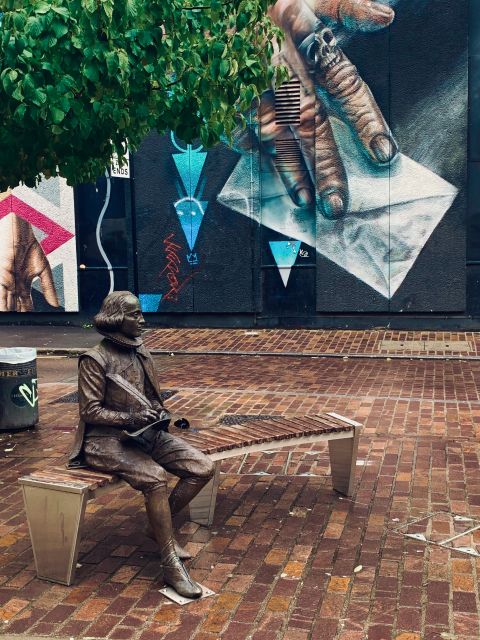
This tour is built around one simple idea: London’s theatre story is easiest to feel when you experience the city as theatre—routes, entrances, crowds, and sightlines included. You start on Garlick Hill by Mansion House Station, then work your way down toward the Thames. From there, you cross into the theatre conversation in a very literal way, using the river and bridges as your timeline markers.
The biggest win for me is the way the actor guide uses performance to move ideas from bookish to memorable. You get Shakespeare speeches and quotes placed at “this is what mattered here” moments, so the city landmarks feel like stage directions instead of random stops. If you like your history with dialogue and timing, you’ll be in the right place.
You can also read our reviews of more tours and experiences in London.



Price and timing: what $21.55 buys you (and what it doesn’t)
At $21.55 per person, this isn’t a “pay a lot, see a museum” type of experience. You’re paying for a small group (up to six) and a professional actor guide who provides the script, pacing, and performance. That’s the value: fewer people means you can hear the storytelling and keep your place on the route without feeling like you’re in a herd.
In terms of time, plan on about 2 hours of walking, plus a 20-minute refreshment break at the Barbican Arts Centre. Total length can shift based on walking pace, but the structure is clear: long enough to feel like a proper stroll through history, short enough to keep your day flexible.
Two things to know upfront: food and drink are not included, and there’s no Globe Theatre ticketed visit. The tour gives you sightseeing of the Globe area, not entry into the venue.
Getting started at Mansion House (and why the meeting matters)
You meet on Garlick Hill at Exit 1 of Mansion House Station, where the guide waits. That matters because the route begins right away with getting your bearings, then heading down toward the river via Queenhithe. This is the part where you quickly learn the walk isn’t just “point and go”—the guide is setting a narrative rhythm.
Once you’re moving, the tour keeps a steady flow. You get a short walk segment along the Thames, then a bridge crossing that changes the scenery and the story’s focus. If you arrive flustered, you’ll feel it, because the guide’s performance cues are woven into the walking.
Stop-by-stop: from Thames views to the Globe’s orbit
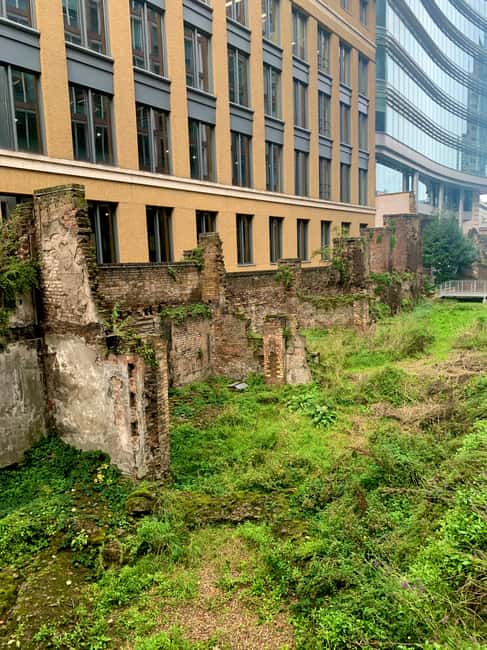
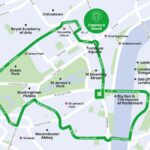
Below is what the route feels like as it moves through the city. Times are approximate, and the guide’s pace can vary, but the order is consistent.
Thames walk: the view that sets the tone
The first stretch is about 15 minutes along the River Thames. Even if you’ve seen London from photos, the river here works because it shows how central this waterway is to how the city developed. You’ll also get those classic skyline angles that make the story feel cinematic.
Practical note: water-adjacent walking can mean wind. Bring a layer even if the forecast looks mild.



Southwark Bridge: where the city shifts
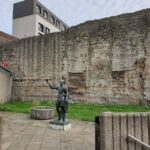
Next comes about 10 minutes on and around Southwark Bridge. This crossing is more than a photo stop. It’s a pivot point in the story—South Bank is where many people place the Shakespeare-era energy, and the bridge gives you a natural “turn the page” moment.
If you’re into city views, this is one of the places you’ll want to pause without rushing the group.
Shakespeare’s Globe Theatre: exterior views, story inside
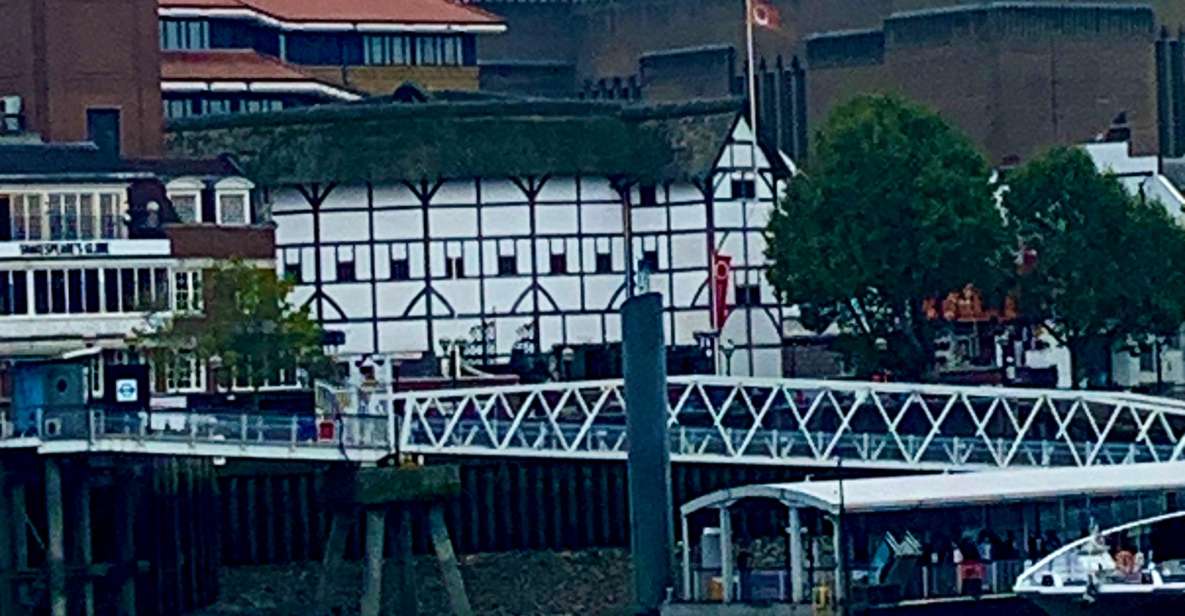
You’ll spend around 10 minutes on Shakespeare’s Globe Theatre sightseeing. Since entry isn’t included, you’re not paying for a ticket—you’re getting a look that grounds the talk in a real location. The guide uses this moment to connect the theatre’s public-facing story to the earlier foundations behind it.
If you’re hoping for a full interior visit, this won’t replace that. Think of it as the dramatic cue that pulls you into the next phase.
Millennium Bridge: back across the past
You cross via Millennium Bridge for about 15 minutes. This is where the tour keeps time moving—back and forth across the river while the narrative traces the theatre’s “birthplace” and development. The change in bridge scenery helps your brain separate eras without needing a lecture.
Blackfriars and St Paul’s: city landmarks that anchor the playhouse era
After the bridge, there’s a Blackfriars segment (around 10 minutes), followed by St Paul’s Cathedral sightseeing (about 10 minutes). These are big-name landmarks, but the point on this tour isn’t to check boxes. It’s to use the landmarks as anchors so the guide can explain how theatre culture fit into London’s evolving geography.
St Paul’s in particular gives you a sense of scale, and it helps the story feel like it lives in a whole city, not just one theatre block.
Guildhall and London Wall: the city as a stage-set
You’ll then see Guildhall (about 10 minutes) and London Wall (also about 10 minutes). This is where the walk starts to feel like a guided “how the city grew” lesson, but told through theatre logic. London Wall and nearby civic spaces help explain why entertainment didn’t exist in a vacuum—it was part of how people gathered, worked, and socialized.
If you’re the type who likes connecting streets to meaning, this is a strong stretch.
The Barbican break: brutalist architecture, Shakespeare energy
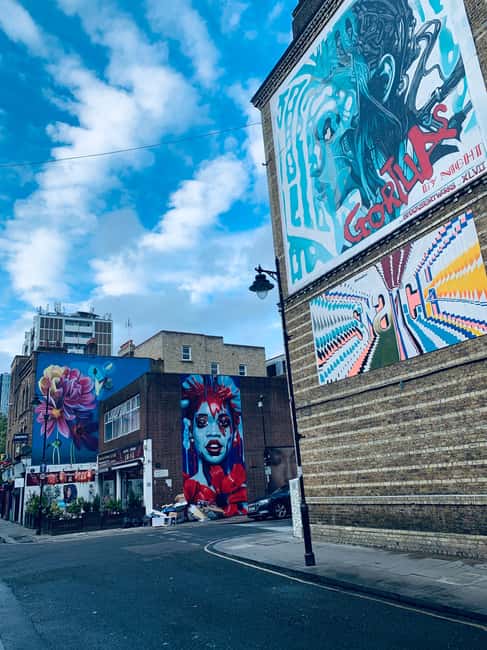
The best “pause and reset” moment is the 20-minute break at the Barbican Centre. It’s scheduled, not optional, and it’s timed to give your feet and brain a breather after the central-city landmarks.
Why this stop is smart: the Barbican Arts Centre has a cultural identity, and it’s tied to Shakespeare through the Royal Shakespeare Company connection. So even while you’re resting, the overall theme stays on-track. You’re not shoved out of the story—your downtime still feels like part of the day.
The tour also includes a cut through the Barbican estate as part of the experience. That matters because it turns a “sit down and regroup” break into a change of scenery. You get architecture contrast: stark modern forms after centuries of older street patterns.
Bunhill Fields to Shoreditch: where the story goes street-level
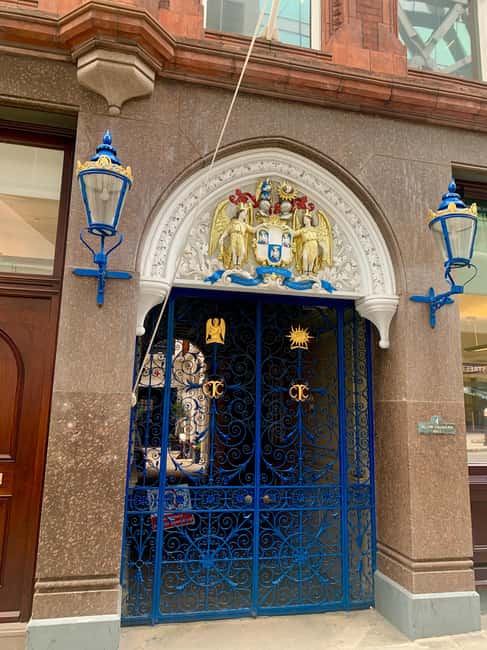
After the Barbican, the walk continues through Bunhill Fields (about 10 minutes) and then into Shoreditch (about 20 minutes). This final approach is designed to shift your focus from formal landmarks to the city’s creative surface.
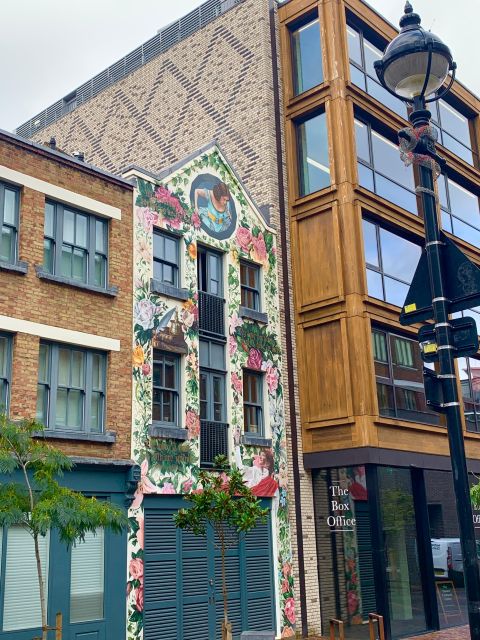
Shoreditch is where you’ll notice the modern layer: street art that gives the area its own kind of performance language. The guide’s framing helps you see it as more than decoration—it becomes another way London tells stories in public.
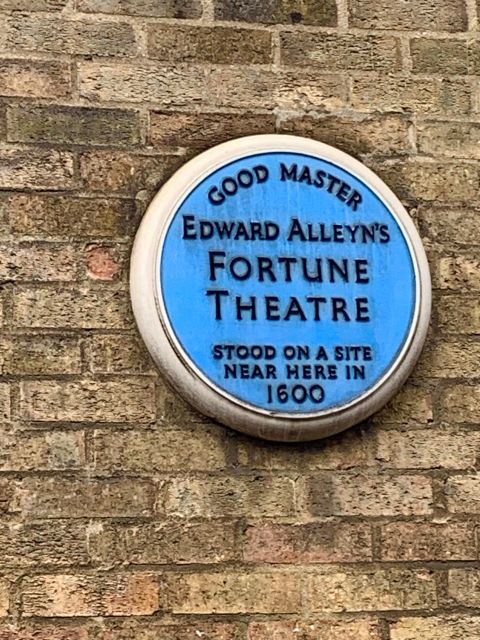
The finish lands in the heart of Shoreditch at New Inn Yard. This is tied to the foundational sites of the first two playhouses: The Curtain and The Theatre. That ending choice is thoughtful: you finish with origin points that give the earlier Globe-area viewing and timeline talk a concrete payoff.
Who should book this promenade (and who might skip)
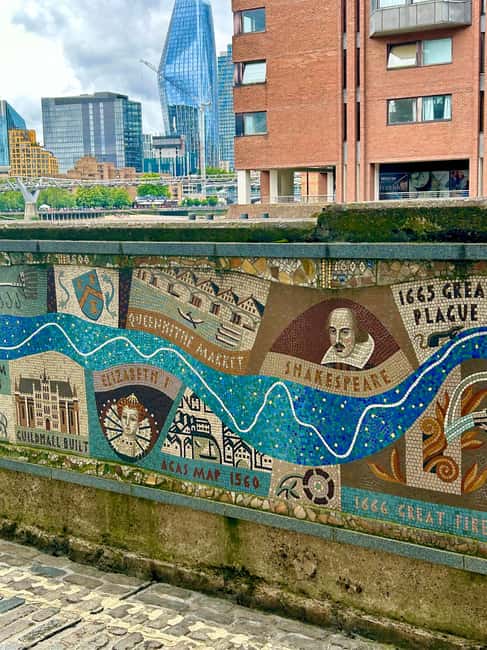
This tour is best for you if you want Shakespeare and theatre history without sitting in a classroom. It’s also ideal if you like walking tours that keep moving, with short sightseeing stops and frequent “why this matters” storytelling.
You’ll probably enjoy it most if you’re a theatre fan, a literature fan, or someone who likes the human side of history—how people spoke, performed, and built art in specific places.
You should consider skipping if you can’t manage a walking route. The tour is not suitable for wheelchair users or people with mobility impairments, and it’s also not suitable for those with visual or hearing impairments. It’s for ages 16+, and it’s not recommended for people over 80. Also, if you hate walking outdoors or you need a fully seated itinerary, this won’t match that style.
The booking decision: should you do it?
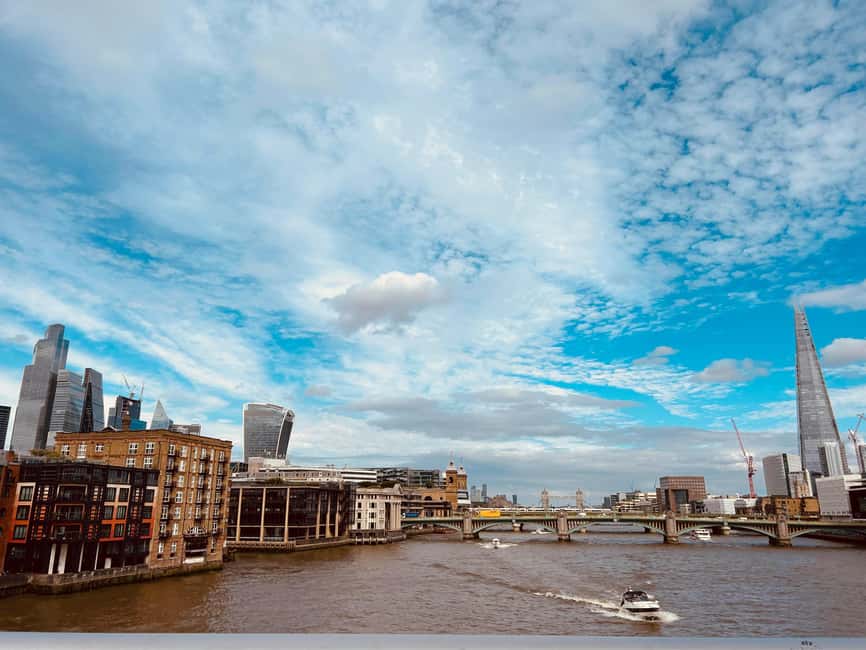
If you want a small-group, actor-led walk that connects Shakespeare to London’s street geography, I’d say this is a strong pick for the time you spend. The value comes from performance plus route design, not from included museum entry or meals.
If your main goal is an in-depth Globe Theatre visit inside the building, you may need a different add-on for that. But for getting the theatre story’s “why” and “where” while enjoying skyline views, a Barbican reset, and Shoreditch street art, this promenade is a practical way to make Shakespeare feel like it belongs to the city you’re actually standing in.
FAQ
How long is the Southwark to Shoreditch Shakespeare Promenade?
The tour is about 2 hours of walking, plus a 20-minute break. Total time can vary based on walking pace.
Where do I meet the guide?
You meet at Mansion House Station, Exit 1 on Garlick Hill, where the guide will be waiting.
Is food or drink included?
No. Food and drink are not included, though there is a scheduled 20-minute refreshment break at the Barbican Centre.
Is the Shakespeare’s Globe Theatre entry included?
No. The visit to the Globe Theatre is not included, though you do get sightseeing of the Globe area.
What’s the group size?
It’s a small group limited to up to six participants.
Who is this tour suitable for?
It’s for ages 16+. It’s not suitable for children under 16, and it is not suitable for wheelchair users or people with mobility impairments. It’s also not suitable for people with visual or hearing impairments, and it’s not suitable for people over 80.
What is the cancellation policy?
You can cancel up to 24 hours in advance for a full refund.