REVIEW · LONDON
Tate Britain London: Private Guided Tour – 3 Hour
Book on GetYourGuide →Operated by ArtGuides · Bookable on GetYourGuide
Great art gets smarter with a guide.
This private, bespoke Tate Britain tour turns a museum walk into a guided story, with an expert art historian who connects paintings to the why behind the choices. I especially like the focus on British art across centuries and the way the conversation can center on what you care about, from portraits to modern masters. One thing to keep in mind: the tour does not include temporary exhibitions, which are separate and may cost extra.
Two things I really appreciate: the guide-led pacing (private means you can ask questions without feeling rushed), and the chance to hit major highlights in just three hours. In one memorable booking, Robert Miller’s passion for the Turner collection made the visit feel like a guided masterclass rather than a checklist. The only real drawback is that if you’re hoping to see every single gallery detail or a specific temporary show, you’ll need more time and/or separate tickets.
In This Review
- Key highlights at a glance
- Why Tate Britain in 3 hours can actually feel satisfying
- Meeting at the front entrance by the Thames (and getting started fast)
- How your guide steers the collection from 16th century to modern art
- What’s included, and what’s intentionally not
- The early stops: Rubens, Van Dyck, and the power of portrait-making
- The 18th century and British taste: Hogarth, Canaletto, Reynolds, and Gainsborough
- Turner and the 19th century: seeing light like a practiced eye
- From Millais to Sargent and beyond: why the collection feels like a timeline
- The 20th century shift: Bacon, Freud, Epstein, Hockney, and Moore
- The biggest value: expert guidance that makes you ask better questions
- Price and value for $263 per group up to five
- Who should book this private Tate Britain tour
- FAQ
- FAQ
- How long is the Tate Britain private guided tour?
- What group size is this tour for?
- Where do we meet for the tour?
- Does this tour include temporary exhibitions?
- Can the tour be tailored to my interests?
- Is there a live guide, and what language is the tour?
- Is there free cancellation, and can I pay later?
- Is the tour wheelchair accessible, and is it suitable for everyone?
- Should you book it
Key highlights at a glance
- Private groups up to 5 means more questions, less waiting, and a calmer pace.
- 16th to 20th-century range keeps the tour moving across major styles and themes.
- Expert art historian commentary brings context and stories to the paintings.
- Tour can be tailored to your interests, not just generic highlights.
- Temporaries are excluded, so plan for separate tickets if that matters to you.
Why Tate Britain in 3 hours can actually feel satisfying
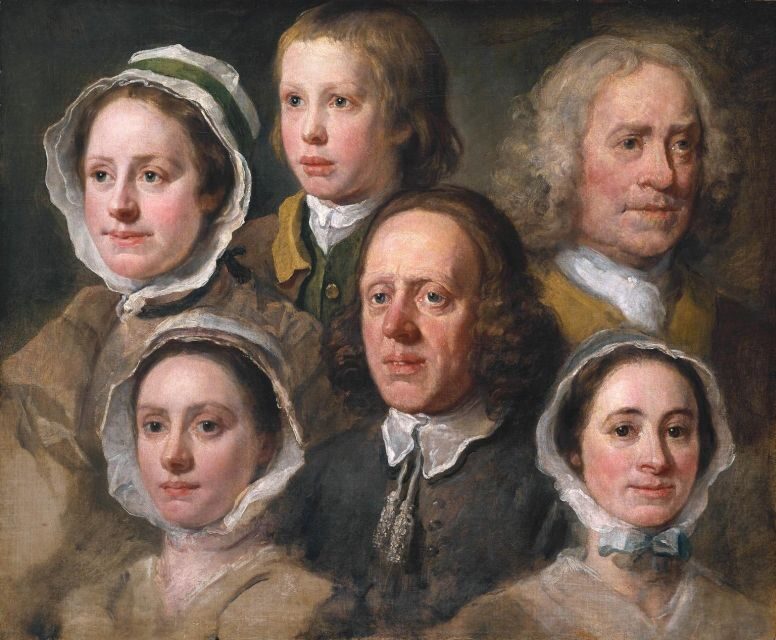
Tate Britain is big enough to overwhelm you. A self-guided visit can turn into a lot of staring at labels and hoping the meaning lands. In a private 3-hour format, your guide can choose the strongest “threads” through the collection and keep you pointed at the right works at the right time.
This is also a good length for attention span. You get enough time to see major pieces and still have room for questions. And because it’s private, you’re not competing with a busload of people for sightlines.
You can also read our reviews of more guided tours in London



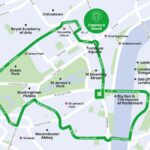
Meeting at the front entrance by the Thames (and getting started fast)
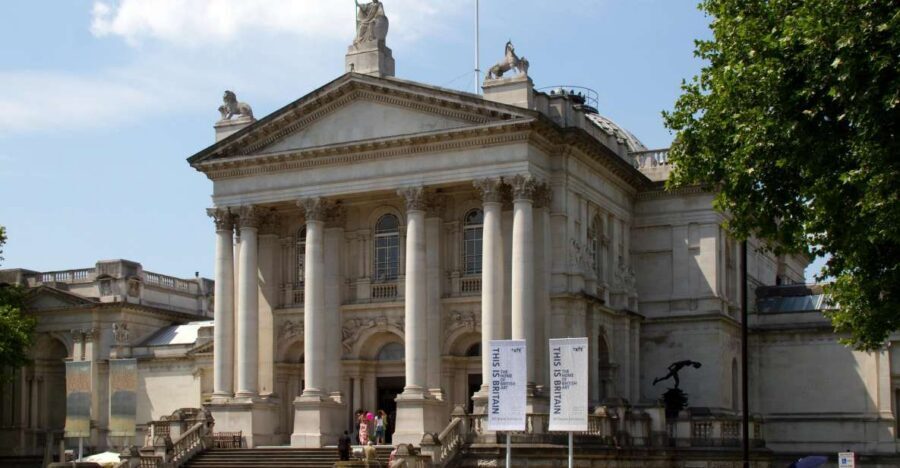
You meet at the front entrance overlooking the River Thames. Your guide will have a name card printed with your name, which makes it easy to find them right away.
That matters more than it sounds. Tate Britain visitors often waste time figuring out where the tour is supposed to begin. Starting at the entrance gives you a clear beginning point, and it helps you get your bearings fast instead of wandering.
How your guide steers the collection from 16th century to modern art
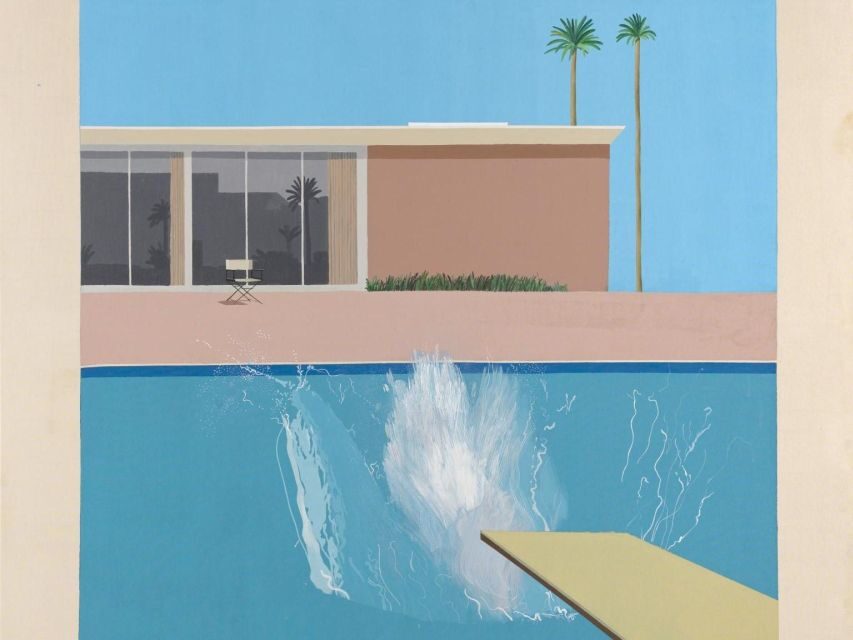
The tour covers works from the 16th century through contemporary pieces, and it includes celebrated artists like Rubens, Van Dyck, Reynolds, Gainsborough, Turner, Sargent, Millais, Bacon, Freud, Hockney, Moore, and others. Your guide won’t try to show you everything. Instead, you’ll be guided through a sequence of key works that show shifts in taste, technique, and subject matter.
In practice, the big win is that you’re not just looking at paintings—you’re learning how to look. Your guide’s job is to point out what to notice: brushwork, composition, symbolism, and why a subject mattered in its moment.
What’s included, and what’s intentionally not
Your tour focuses on the permanent collection. Temporary exhibitions are excluded, since they require separate pre-booked tickets and can add cost. If you’re visiting during a major special show, you may want a two-part plan: one ticket for the temporary exhibition, and this tour for the permanent collection foundations.
The early stops: Rubens, Van Dyck, and the power of portrait-making
When the tour turns to the older masters, you’ll be in a different visual world. Artists such as Rubens and Van Dyck are famous for something you can actually see even if you’re not an art expert: confidence in paint, strong figure presence, and a sense of drama built into posture and lighting.
This section of the tour is where a guide can really help you “decode” what you’re seeing. For example, portraits in this era aren’t just faces. They often signal status, influence, and politics. A good guide will help you notice details like how hands are posed, how fabrics are rendered, and how the background supports the story.
If you like art history that connects to people and power (not just technique), this is one of the most rewarding parts.
You can also read our reviews of more private tours in London



The 18th century and British taste: Hogarth, Canaletto, Reynolds, and Gainsborough
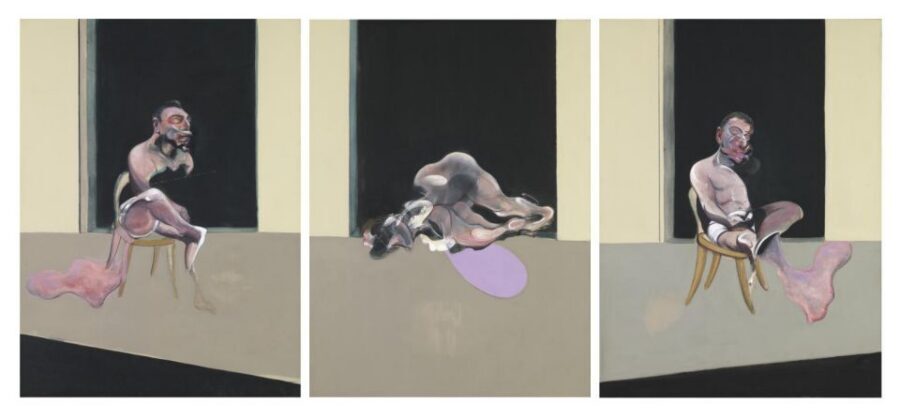
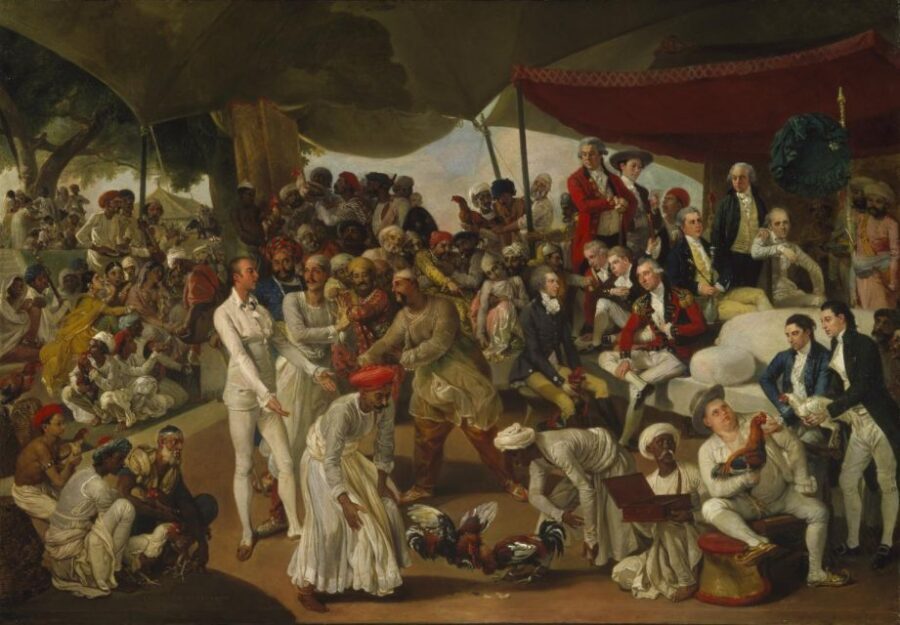
As the tour moves forward, you get a sense of British art developing its own voice. With artists like Hogarth, Canaletto, Reynolds, and Gainsborough in the mix, the themes can shift quickly—from social scenes and satire to elegant portraiture and city views.
Here’s a practical way to think about this segment: you’ll start noticing how British painters balanced two big impulses. One is storytelling (what’s happening in the scene and why). The other is style (how form, lighting, and elegance make an image persuasive).
Guides tend to do well with this period because there’s a lot to talk about that isn’t obvious on first glance. You might find yourself learning why certain subjects were popular, how artistic status worked, and why portrait commissions carried meaning beyond vanity.
Turner and the 19th century: seeing light like a practiced eye
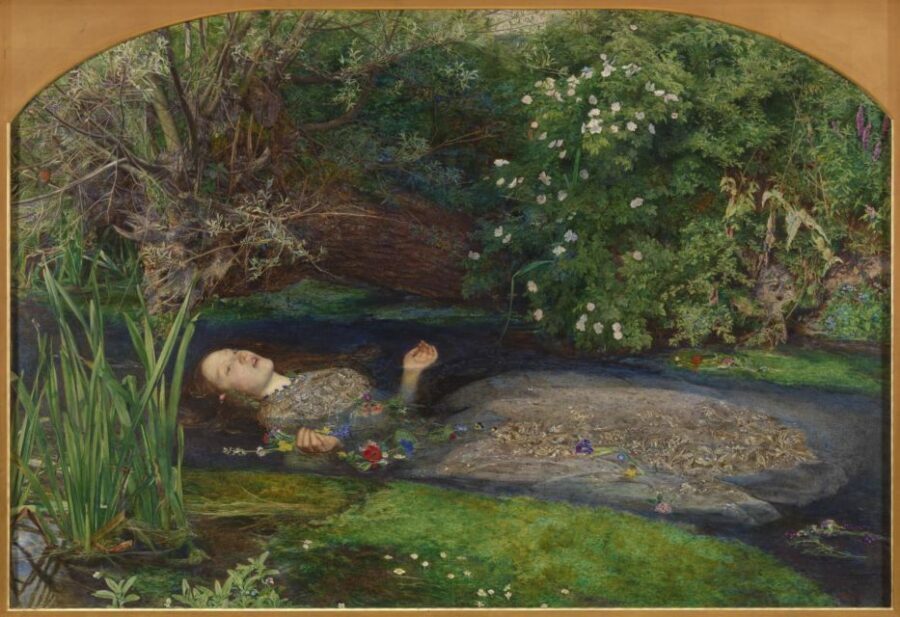
One of the biggest reasons people book this tour is the chance to spend real time with the Turner holdings. In at least one booking, Robert Miller’s enthusiasm for Turner was a standout. That kind of energy matters because Turner rewards attention. His work often feels emotional and immediate, but it’s also built with serious control.
Your guide’s job here is to help you slow down. Instead of rushing through, you’ll be encouraged to look at how Turner handles atmosphere, color transitions, and the movement of a scene. Even without knowing the technical terms, you can learn what to focus on: edges, glow, and the way the painting guides your eye.
If you’ve ever stood in front of a masterpiece and thought, I like it, but I can’t explain why, this is where a guide can turn uncertainty into clarity.
From Millais to Sargent and beyond: why the collection feels like a timeline
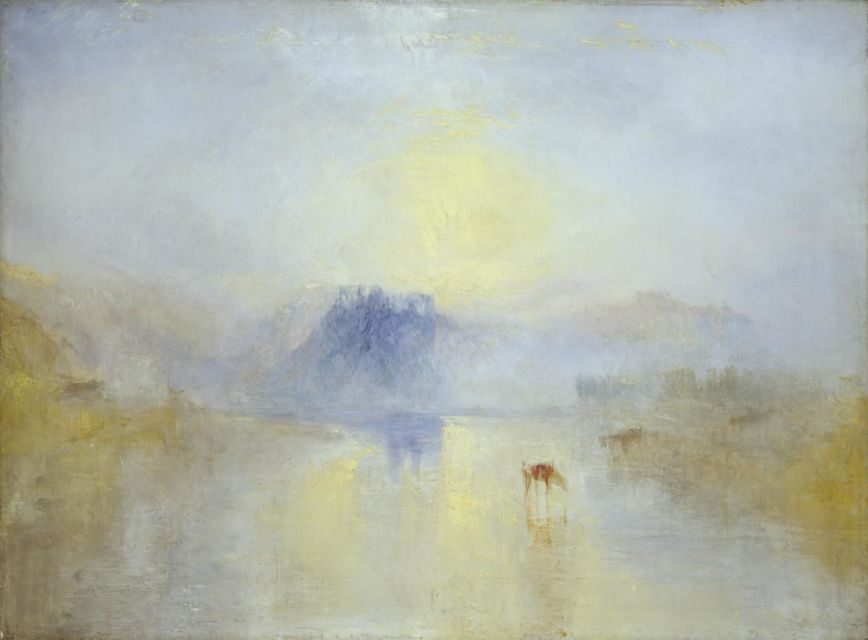
The tour also includes painters like Millais and Sargent, which can make the 19th-century stretch feel like a living timeline. You can see changing tastes in what gets emphasized: character, realism, drama, and sometimes a more modern sense of how a figure fits into a world.
What I like about this stage is that it teaches you to compare. You’re not just seeing one great picture; you’re learning how to spot differences in approach over time. That’s one reason this tour works well even if you don’t consider yourself an art person.
Your guide can also connect these works to broader shifts in society and culture. You’ll likely walk away with a better sense of what people wanted from art—whether it was beauty, moral story, social status, or emotional impact.
The 20th century shift: Bacon, Freud, Epstein, Hockney, and Moore
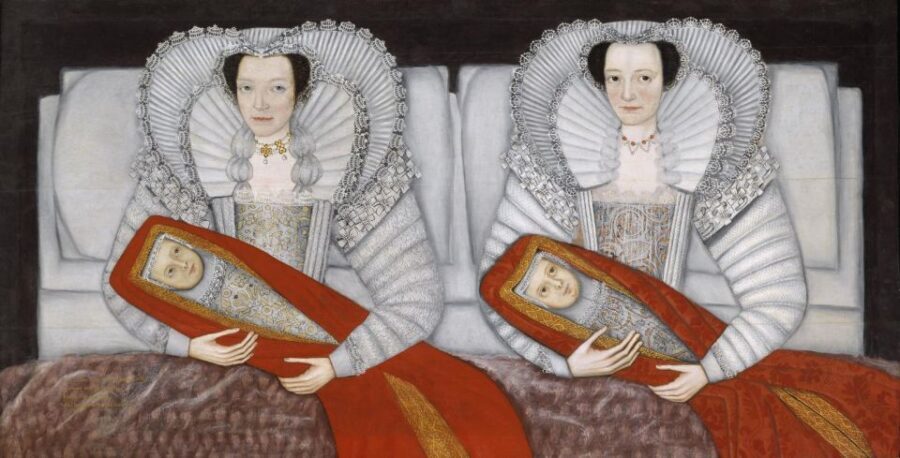
After the classical and portrait-heavy stretches, the tour can shift into 20th-century territory with artists such as Bacon, Freud, Epstein, Hockney, and Moore. This is where many visitors either feel invigorated or a little lost. The best guides handle both reactions by giving you a path to look.
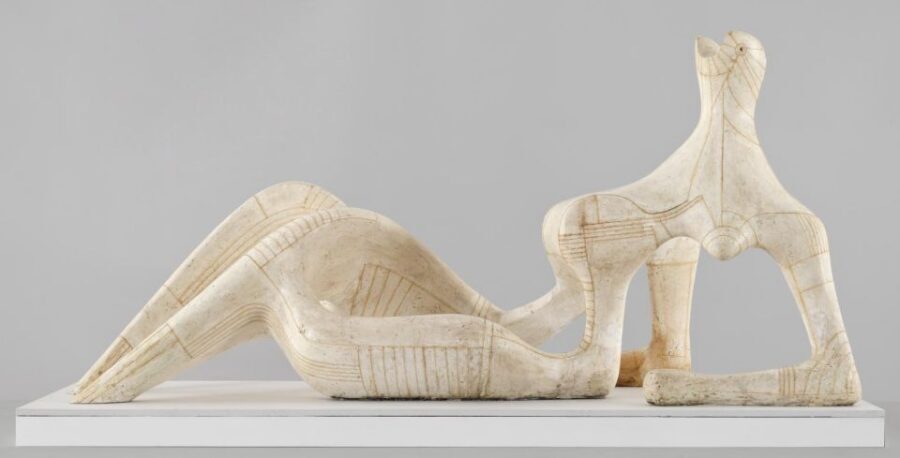
With Bacon and Freud, the conversation often lands on psychological intensity—why the image feels tense, why the expression matters, and how the paint supports the mood. With Hockney, you may spend time thinking about observation and modern ways of seeing. With Moore, the focus can turn toward form and sculpture-like presence, even when you’re looking at paintings that share similar ideas.
You don’t have to “get it” instantly. A good guide helps you understand what you’re looking at and why artists were experimenting in the first place. That turns confusion into curiosity.
The biggest value: expert guidance that makes you ask better questions
The tour is led by an expert and entertaining art historian, and the format matters. Because it’s private, you can ask as many questions as you want. You’re not stuck reading labels silently while others surge past.
What stood out in one booking is how Robert Miller communicated. People lingered nearby because his explanations were clear enough to be interesting even if they weren’t part of the group. That’s not just “good talking.” It means the guide was making connections you could actually follow.
Your guide will also include context about the gallery and its collecting. That’s a big deal in Tate Britain. Knowing how a collection is built helps you understand why certain works are here and how the gallery’s view of British art is shaped.
One more small detail that adds value: in at least one case, after the tour Robert Miller helped point the way to the tube station. It’s not a museum requirement, but it’s the kind of practical kindness that makes the end of the visit smoother.
Price and value for $263 per group up to five

At $263 per group for up to five people, the value depends on your group size. If you book with four or five people, you’re effectively paying far less per person than a ticketed private experience for each individual.
For couples or small groups, it can be a smart move if you care about getting more from the visit than a quick highlight scan. The price is basically buying three things: a guided selection of major works, expert interpretation, and a pacing that doesn’t rush you.
If you’re traveling solo and don’t want the cost of a group booking, you might compare against other options. But for a family group, friends, or a pair of adults who want real context, this format often feels like the most efficient way to see the best of Tate Britain without getting lost in the rooms.
Who should book this private Tate Britain tour
This tour is a strong fit if:
- you want expert guidance to make the art easier to understand
- you like a structured visit but still want Q&A time
- you’re curious about British art history from 16th century onward
- you especially want time for Turner-related works
- you enjoy seeing how British artists evolved over time, from portraiture to modern expression
It’s also a good choice if you prefer comfort and clarity over wandering. With three hours, you get a meaningful arc rather than a scattershot museum experience.
On the other hand, if temporary exhibitions are your main goal, note that this tour does not include them. You’ll want separate tickets for those.
FAQ
FAQ
How long is the Tate Britain private guided tour?
It lasts around three hours.
What group size is this tour for?
It’s a private group for up to five people.
Where do we meet for the tour?
Meet at the front entrance overlooking the River Thames. Your guide will have a card printed with your name.
Does this tour include temporary exhibitions?
No. The tour focuses on the collection, and temporary exhibitions are not included.
Can the tour be tailored to my interests?
Yes. The tour can be tailored to include your particular interests.
Is there a live guide, and what language is the tour?
Yes, it’s a live tour guide in English.
Is there free cancellation, and can I pay later?
Yes. You can cancel up to 24 hours in advance for a full refund, and you can reserve now & pay later.
Is the tour wheelchair accessible, and is it suitable for everyone?
The tour is wheelchair accessible, but it is not suitable for visually impaired people or hearing-impaired people.
Should you book it
I’d book this if you want a guided, question-friendly way to see Tate Britain’s best-known British art across centuries, with a guide who can explain what you’re looking at and why it matters. The big selling point is the private pace plus strong focus on major works, including the Turner holdings.
Skip it only if your priority is temporary exhibitions or if you need a format designed for visual or hearing support. Otherwise, this is a very solid way to turn a tough-to-navigate museum into a clear, engaging story.