REVIEW · LONDON
The Beatles London Walking Tour
Book on GetYourGuide →Operated by BestTours · Bookable on GetYourGuide
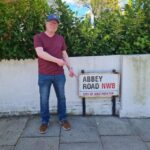
Beatles street corners hit different in London. This tour follows the band’s pull across the city, tying together recording spots, film locations, and the places that helped shape the music. I love the chance to stand at Abbey Road for the wall-sign moment and a photo on the crossing, if things allow.
My second favorite part is the small-group guide approach. Guides like Ana and Tim in particular seem to keep the pace friendly, add laughs, and even show old photos or articles on their phones to make the stories click. One consideration: you’ll need a short tube ride for the Abbey Road section, and that tube station isn’t accessible.
In This Review
- Key highlights you’ll actually care about
- Starting at Dominion Theatre: quick to find, easy to settle in
- Denmark Street and Soho Square: where pop business met street life
- Trident Studios area and Wardour Street: the recording-spot mood shift
- The Prince of Wales Theatre and London Palladium: big-name entertainment in one walk
- Carnaby Street: the swinging 60s on foot
- Savile Row and the Apple rooftop era: music history with an urban viewpoint
- The tube ride gap: why the break exists and how to use it well
- Abbey Road Studios and the crossing: the photo moment without the chaos rush
- Price and value: what $55 buys you in real terms
- Who this Beatles London walk is best for
- Practical tips so the day runs smooth
- Should you book this tour?
- FAQ
- How long is the Beatles London Walking Tour?
- How much does it cost?
- Where do we meet the guide?
- Do we use public transportation?
- Is the tube station accessible for the Abbey Road section?
- What should I bring and wear?
- Is the tour suitable for wheelchair users or back problems?
Key highlights you’ll actually care about
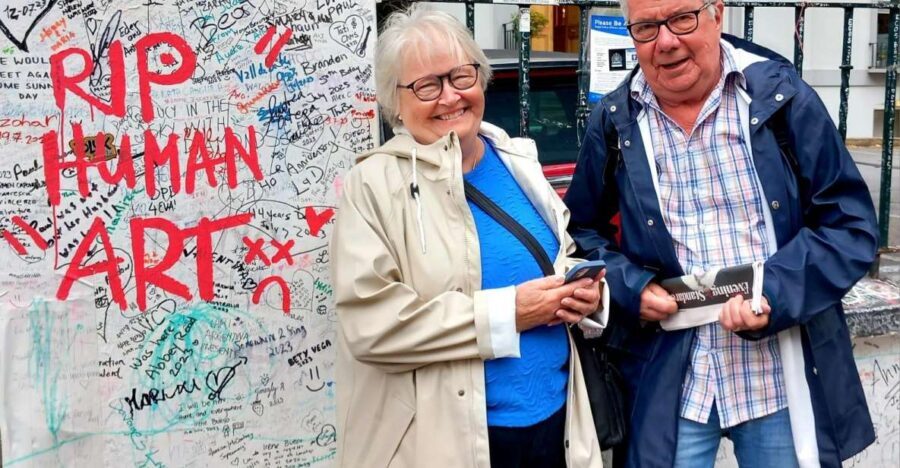
- Abbey Road finish: sign the wall in front of Abbey Road Studios and try for the crossing photo when transport permits
- Paul McCartney stops: you’ll see Paul’s office and hear about the spot tied to the melody that became Yesterday
- Soho to Carnaby Street: walk the corridors of the swinging 60s with time built in for facts at each stop
- Trident Studios site + recording connections: you’ll pass the former Trident Studios area and get linked to major Beatles recording moments
- Harry Potter premiere venues: the route includes theatres tied to those premiere events
- Photo help on the go: guides often help you line up shots so you don’t end up fighting the crowd
Starting at Dominion Theatre: quick to find, easy to settle in
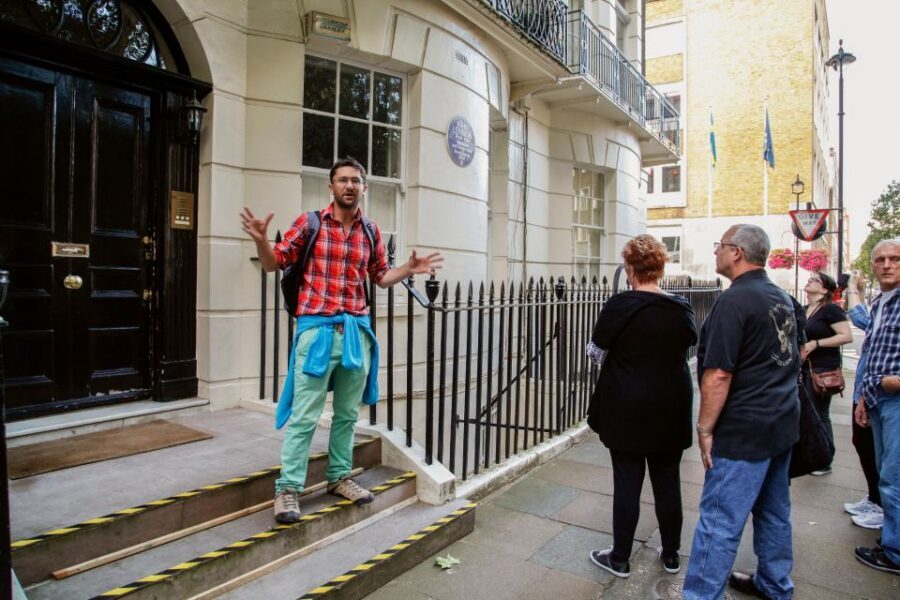
You’ll meet at Dominion Theatre, right across from Tottenham Court Road Tube Station. It’s a practical start point because it’s central and easy to reach before you start walking. If you’re even slightly late, you can throw the whole rhythm off—this tour is run with tight timing, and the guide works to finish on schedule.
Plan to arrive a few minutes early, not because you’re nervous, but because you want the calm start. Once the group gathers, the guide sets expectations and starts turning London street names into Beatles clues.
You can also read our reviews of more walking tours in London



Denmark Street and Soho Square: where pop business met street life
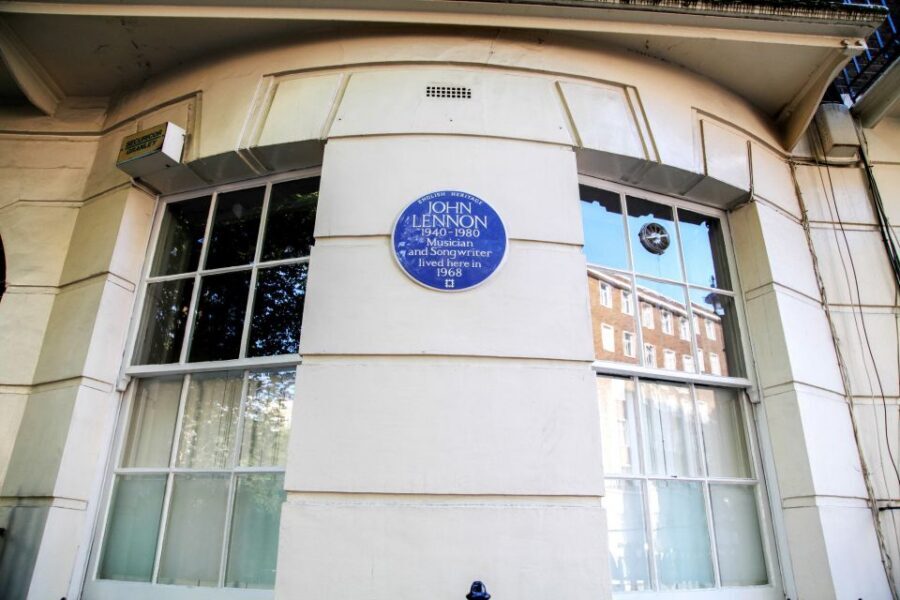
The tour wastes almost no time getting into the right neighborhoods. Denmark Street is one of those London zones where you can feel the idea of music happening before anyone says the word Beatles. You’ll get a guided chunk here that focuses on the band’s surroundings and why this area mattered.
Then you’ll roll into Soho Square. This is the kind of stop that works well even if you’re not trying to memorize every fact—because the guide connects the Beatles story to what Soho looked like around that era. You’ll walk away with a better sense of the city’s “scene” energy, not just the band’s biography.
Trident Studios area and Wardour Street: the recording-spot mood shift
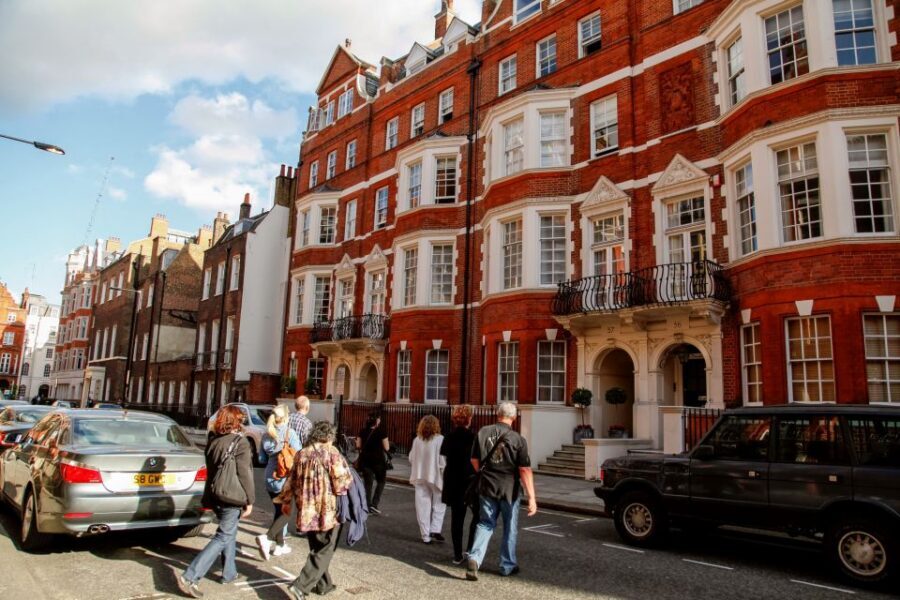
After Soho, the story leans more toward creation—where songs went from idea to sound. The former site of Trident Studios is a key pivot point. You’re not touring a museum building; you’re seeing a real city location tied to major studio culture and Beatles-era production.
Wardour Street follows, and this section tends to be where the tour feels more like a guided soundtrack. The guide points out connections that help you understand what kind of places shaped the band’s work ethic and sound. If you like linking music to places, this is a strong stretch.
The Prince of Wales Theatre and London Palladium: big-name entertainment in one walk
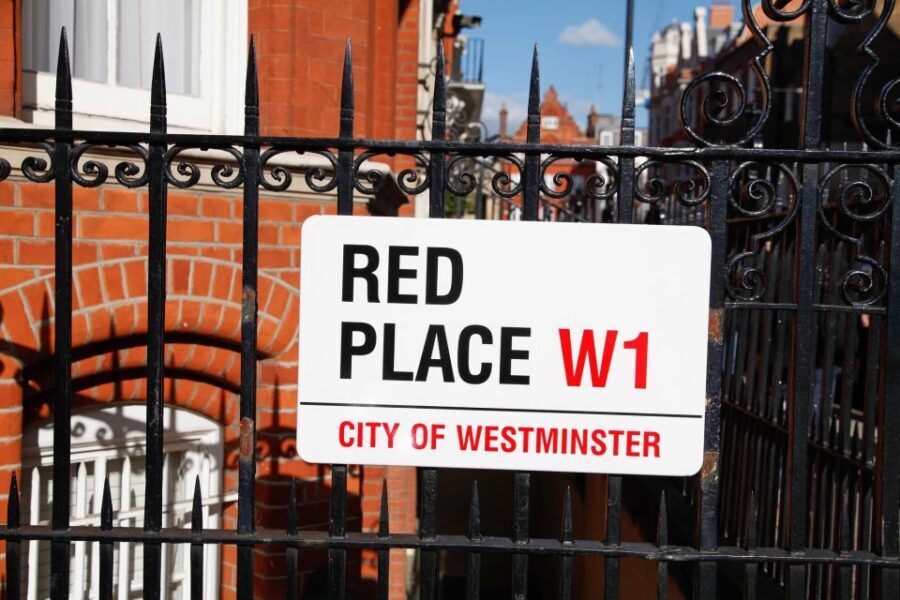
Next up are theatre stops that help explain how the Beatles lived inside broader London pop culture. You’ll pass the Prince of Wales Theatre and then the London Palladium, both connected to major premiere events in later years, including Harry Potter world premieres.
This pairing is more than trivia. It shows you how London’s entertainment infrastructure kept recycling itself—new stars, new franchises, same stage doors. So even if you’re a pure Beatles fan, you’ll still come away with the sense that these are the venues people queue for when they want to be part of something.
Carnaby Street: the swinging 60s on foot
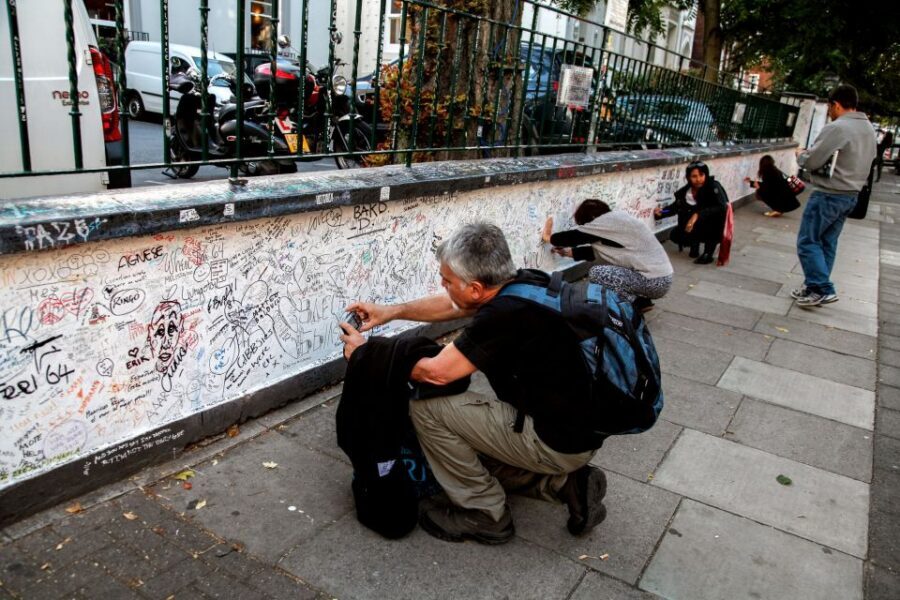
Carnaby Street is the neighborhood highlight most people are hoping to hit, and the tour treats it that way. This is where the swinging 60s idea becomes a walkable reality, not a vague phrase.
You’ll get guided time here that explains why Carnaby mattered culturally—and how the Beatles’ London story fits into that wider fashion-and-music ecosystem. If you’re the type who likes to see how style and sound share the same timeline, you’ll enjoy this section most.





Savile Row and the Apple rooftop era: music history with an urban viewpoint
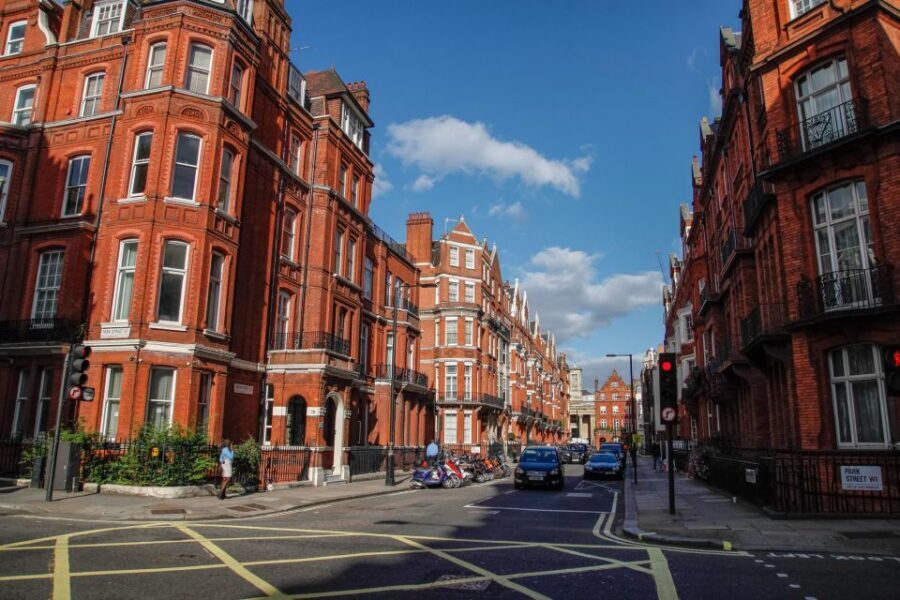
Savile Row is a smart inclusion because it’s London with a different vibe—more composed, still connected to big-name creativity. The guide connects this area to key Beatles moments and the Let It Be rooftop story you’ve probably heard about.
This segment also helps you understand a shift in tone. Earlier stops feel like the Beatles finding their footing. Here, the tour highlights how their presence became part of London’s identity. It’s a good transition before you hop to Abbey Road.
The tube ride gap: why the break exists and how to use it well
Between Savile Row and Abbey Road, the tour includes a public transport segment—listed as about 25 minutes. The key thing to know is that the Abbey Road part requires this short tube ride, and the station used for that transfer isn’t accessible.
It’s not a “fun” part like the street stops, but it’s a useful one. It prevents the walk from turning into a long slog and helps keep the tour on schedule. Use the ride to look back at notes on your phone, or just reset your energy—your feet will thank you later at Abbey Road.
Also, note the tour’s pacing rules. The guide adjusts the itinerary if a group is especially enjoying a location, but they still aim to conclude on time. If you know you’re chatty or you love pictures, give yourself a little buffer at each stop.
Abbey Road Studios and the crossing: the photo moment without the chaos rush
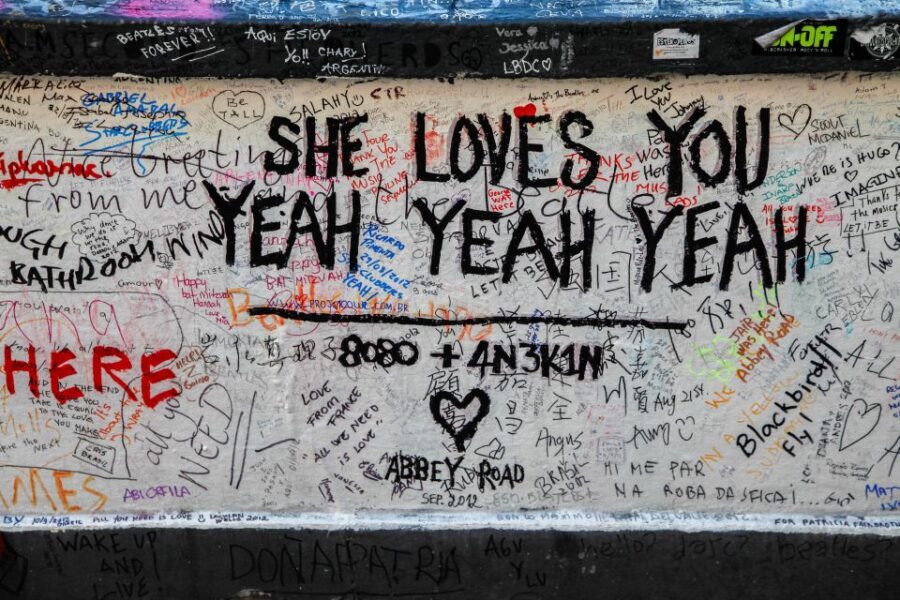
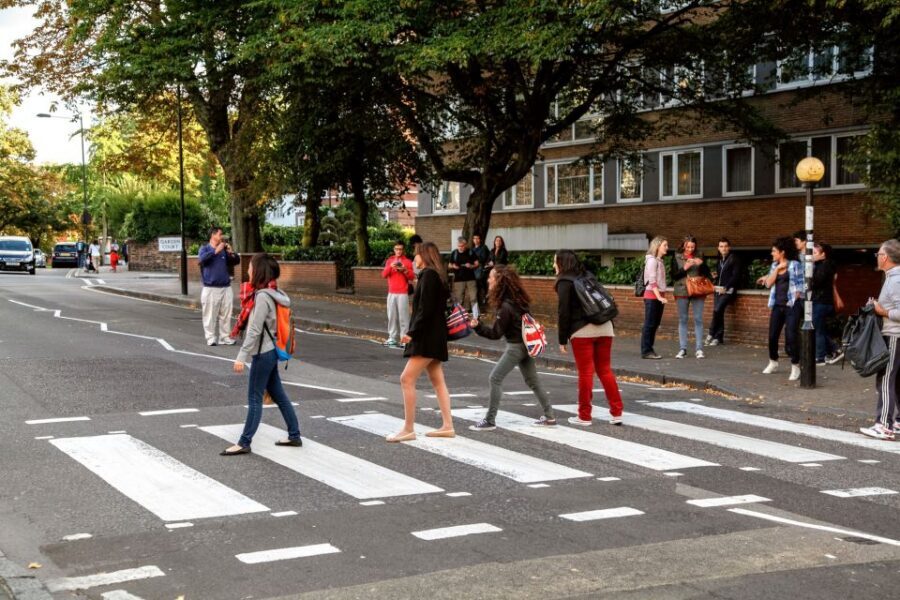
The final stretch is built for payoff. You’ll reach Abbey Road Studios, spend time at the signing wall, and then get your chance at a photo on the zebra crossing if conditions allow. The tour description makes it clear that the crossing photo depends on transport permitting, and that’s realistic—this is one of the busiest music landmarks on earth.
Here’s how to make it work for you:
- Wear shoes you can stand in comfortably for a bit. The crossing area can be slow-moving.
- Be ready to reposition quickly if the guide calls it. The goal is a photo moment, not a photo marathon.
- If it’s rainy, you may get a different vibe. One guide-led experience tied rain to fewer crowds at the crossing, which can make pictures easier.
If you’re traveling solo, this is also where an attentive guide can be helpful for taking photos. Multiple guides on the tour have been praised for assisting with picture moments at Abbey Road, which matters when you’re trying to avoid crowding strangers or setting up your camera ten times.
Price and value: what $55 buys you in real terms
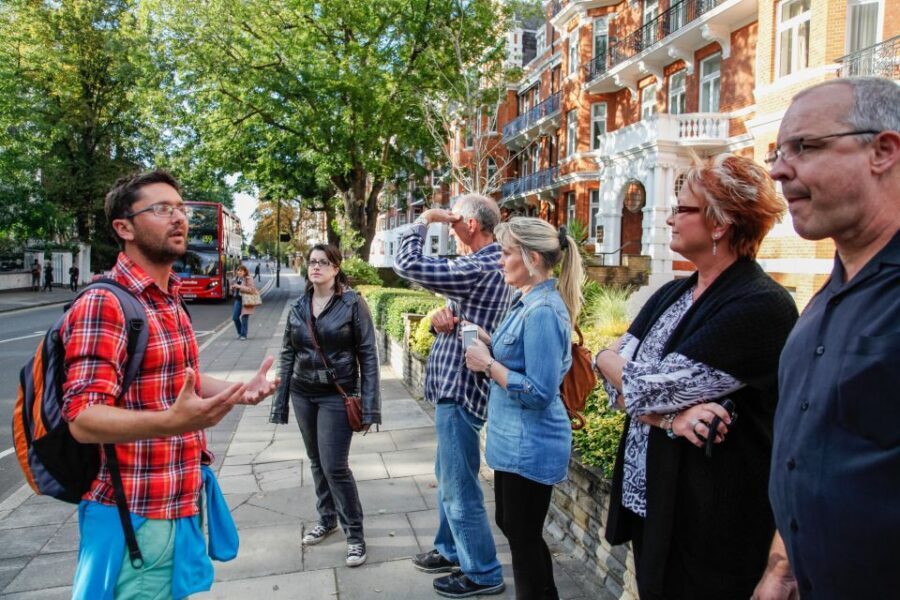
At $55 per person for about 2 to 2.5 hours, you’re paying mainly for two things: a professional guide and a tight route that hits multiple iconic nodes without wasting time. It’s not just a walking loop; it’s a structured storytelling route with planned stops, plus the required public transport segment for the Abbey Road portion.
Also check what’s not included: transportation costs. That matters because it changes what you’ll actually spend on the ground. Still, when you compare it to buying individual tickets for attractions, you’re essentially paying for guided interpretation plus access to the places you’d otherwise only pass by.
From a “value” point of view, the tour is strongest if you enjoy learning while you walk. If your style is more self-guided, you might feel it’s less flexible. But if you want the Beatles story connected to London’s streets in a time-efficient way, this price tends to feel fair.
Who this Beatles London walk is best for
This tour suits Beatles fans who want more than a checklist. You’ll get the big sites, yes, but the guide also links the city’s atmosphere to the band’s development—so it feels like London shaped the music and the music shaped the city back.
You’ll likely enjoy it most if you’re comfortable walking for the full duration in one go. It’s not built for slow strolling with long breaks, and the tour isn’t suggested for people who are pregnant, have back problems, or use wheelchairs.
If you’re doing London for the first time, it’s a good “culture plus music” sampler. If you already know the songs, it helps you place the stories in the right streets.
Practical tips so the day runs smooth
Start with footwear. Comfortable shoes are the big non-negotiable, because you’ll be on foot for most of the tour. Also leave bulky bags at your accommodation—luggage or large bags aren’t allowed, and you don’t want to carry extra weight while the guide moves the group.
If you smoke, don’t. Smoking isn’t allowed. And if you’re traveling with a pet, you’ll need a different plan since pets aren’t permitted.
Finally, keep your phone ready for photos and quick notes. Several guides have used their phones to share old photos and articles, which means you’ll want to capture the ones you care about.
Should you book this tour?
Book it if you want a focused Beatles walk that connects Paul McCartney’s London trail, Carnaby Street, and Abbey Road into one logical route. It’s also a smart move if you value a guide who keeps the group moving at a friendly pace and helps with photos at the big finish.
Skip it if you need an accessible route for the tube transfer, or if you can’t handle a walking tour due to back or pregnancy considerations. And if you hate group timing, be aware punctuality is part of how this works.
If you’re a Beatles fan who likes your London stories grounded in real places, this one is likely to hit the sweet spot.
FAQ
How long is the Beatles London Walking Tour?
The tour lasts between 2 and 2.5 hours, depending on the group’s walking pace.
How much does it cost?
It’s $55 per person.
Where do we meet the guide?
You meet at Dominion Theatre, across the street from Tottenham Ct Rd Tube Station, Tottenham Court Road 268-269, W1T 7AQ London, GB.
Do we use public transportation?
Yes. There’s a short public transport segment (about 25 minutes) for the Abbey Road portion.
Is the tube station accessible for the Abbey Road section?
No. The tube station used for the Abbey Road section is not accessible.
What should I bring and wear?
Bring comfortable shoes. You’ll be walking for most of the tour.
Is the tour suitable for wheelchair users or back problems?
It is not suitable for wheelchair users, and it’s also noted as not suitable for people with back problems or pregnant women.