REVIEW · LONDON
London: 3-Hours Private Walking Tour
Book on GetYourGuide →Operated by Khoroshko · Bookable on GetYourGuide
Westminster becomes way easier with a guide. You get a private walk with a route built around what you care about, and you’ll connect major landmarks without the usual self-guided guessing. I like that the pace stays human-sized, and that you’re not just collecting photos—you’re learning how all the pieces fit together.
My favorite part is the story you get from the details: the Westminster Abbey setting, the former Benedictine monastery features (stone cloisters, Chapter House, Strong Room), and the surrounding government buildings you can read from the sidewalk. One consideration: this experience depends heavily on the guide and how they structure the walk. If the timing and flow feel loose, the 3–4 hours can feel long for the price.
In This Review
- Key highlights worth clocking
- Why this Westminster-to-Trafalgar walk works so well
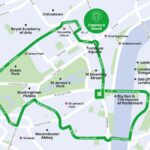
- Meeting at Westminster Tube Exit 1 (toward the Thames)
- Westminster Abbey: beyond the postcard
- Houses of Parliament and Big Ben: the building you can actually read
- Buckingham Palace and Changing of the Guards: what to expect
- Whitehall to Trafalgar Square: Banqueting House, No. 10, and the final landing
- How the private guide shapes your 3–4 hours
- Price and value: $337 per group up to 6
- What’s included (and what you’ll need to plan yourself)
- Who this tour is best for
- Should you book this London private walking tour?
- FAQ
- How long is the London private walking tour?
- Where do I meet the guide?
- Is this a private tour?
- What languages are available for the live guide?
- Are tickets to attractions included?
- Is food or drinks included?
- Is the tour wheelchair accessible?
Key highlights worth clocking
- Small private group (up to 6): more questions, fewer bottlenecks.
- Start point that makes sense: meet at Westminster Tube Station, Exit 1 toward the river.
- Westminster Abbey stops with architectural focus: stone cloisters, Chapter House, Strong Room.
- Big Ben and Parliament from street-level viewpoints: you’ll see the Clock Tower and the Gothic facade context.
- Royal area option: you’ll either watch the Changing of the Guards or go straight to Buckingham Palace.
- Smart finish at Trafalgar Square: land at the National Gallery area for an easy next step.
Why this Westminster-to-Trafalgar walk works so well
This is one of those London plans that makes the center of town feel logical. Instead of hopping randomly between famous stops, you follow a line of power and culture: royal residence, parliament, state offices, then public art at Trafalgar Square. It’s not only efficient. It’s also more meaningful.
You’ll be walking through areas where London’s roles overlap. The royal world sits close to the government world, and both sit close to the public-facing world of museums and monuments. With a private guide, you get help noticing the stuff your phone can’t explain on its own—why a building looks the way it does, what it’s associated with, and how the area evolved into what you see today.
And since this is private, you’re not locked into the most rigid version of the route. Your guide can steer the conversation toward what you want, whether that’s the royal pageantry vibe at Buckingham Palace or the more solemn tone around Westminster Abbey.
You can also read our reviews of more walking tours in London



Meeting at Westminster Tube Exit 1 (toward the Thames)
The meet-up point is practical: by exit number 1 of Westminster tube station, in the direction of the river Thames. If you’re staying anywhere central, this is an easy way to start without a taxi and without “where exactly is that?” anxiety.
Here’s what I’d do before you arrive: take 2 minutes to confirm you’re at the right exit and that you can quickly spot the guide once you’re outside. Since this is a walking tour, being even a little late can turn into an uncomfortable scramble.
Also, the tour is wheelchair accessible. If you need a specific pace or routing, you’ll want your guide to know early so they can manage the walking sections smoothly.
Westminster Abbey: beyond the postcard
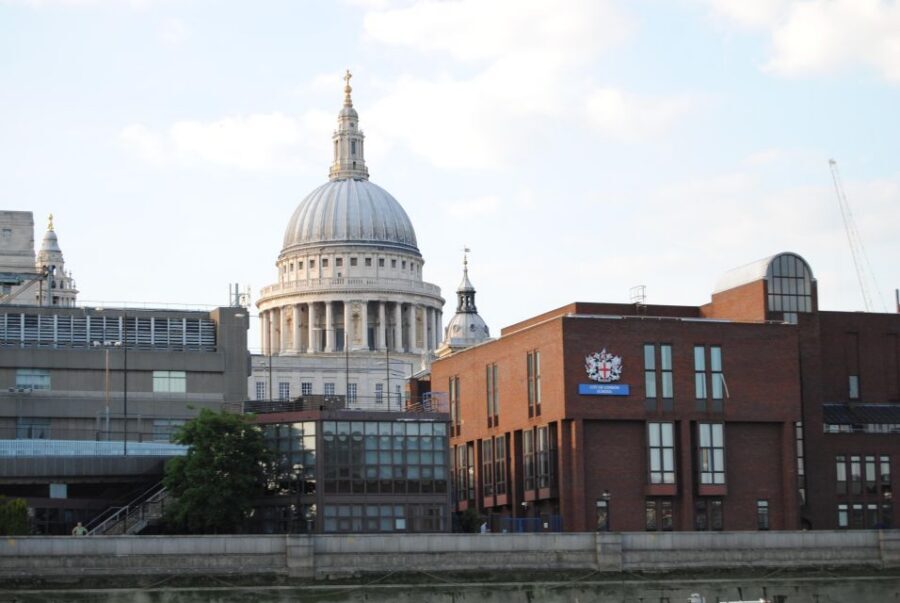
Westminster Abbey is the kind of place where first impressions are big, and second impressions are better. You’ll stop to see why it matters as the final resting place of kings, queens, poets, and statesmen—and then you’ll look more closely at the physical details that give the abbey its weight.
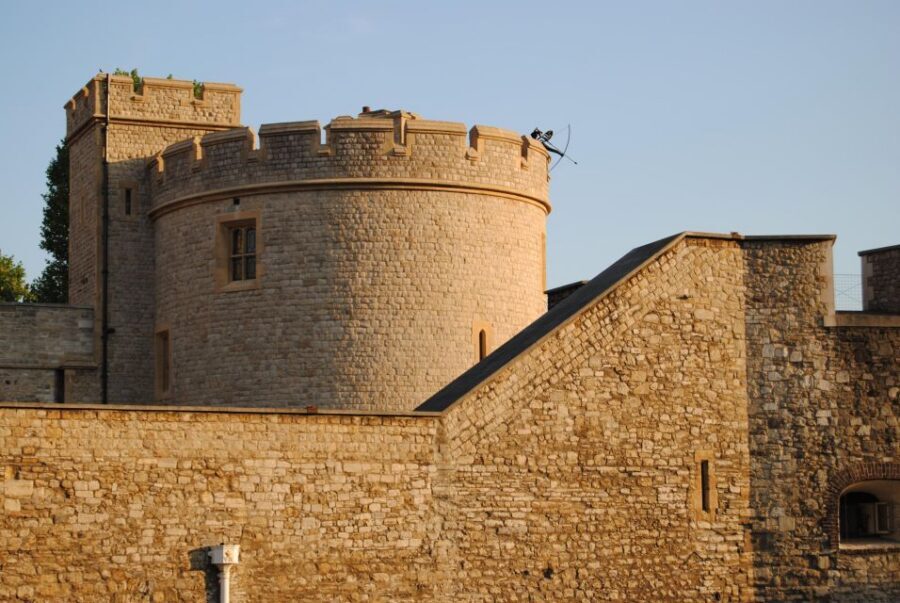
The standout here is how the tour keeps shifting from people to architecture. The experience specifically calls out features from the former Benedictine monastery, including the stone cloisters, the Chapter House, and the Strong Room. Those names might sound like trivia until you’re standing near them and your guide connects what you’re seeing to why it’s there.
If you’re the type who likes a deeper explanation but not a long-winded lecture, this is a good match. You get to keep your feet moving while your guide explains the meaning behind what you’re seeing.
A small practical note: Westminster Abbey is a site people associate with quiet and reverence. Even with a lively guide, I’d treat the atmosphere with respect—keep your voice down, and be ready for occasional crowd-flow adjustments around entrances and viewing points.
Houses of Parliament and Big Ben: the building you can actually read
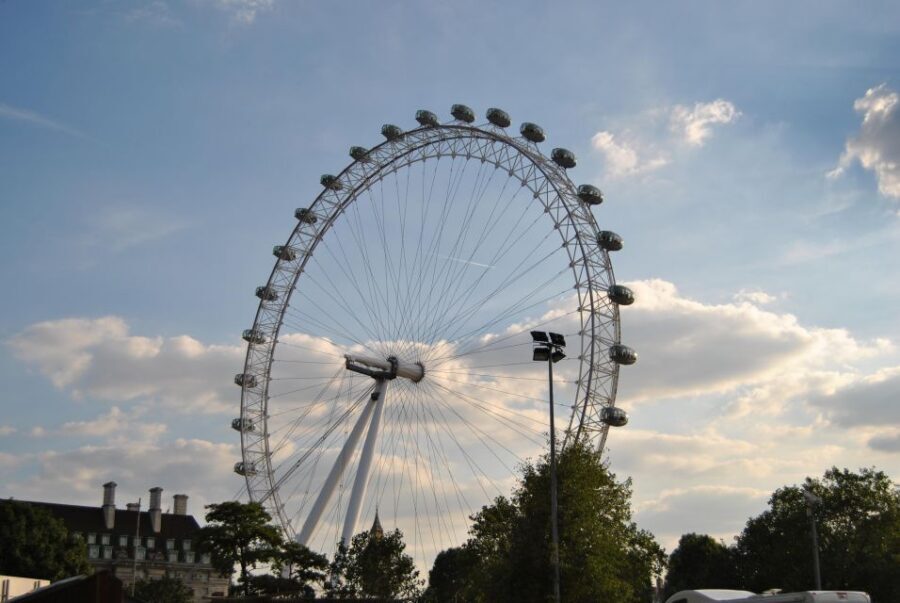
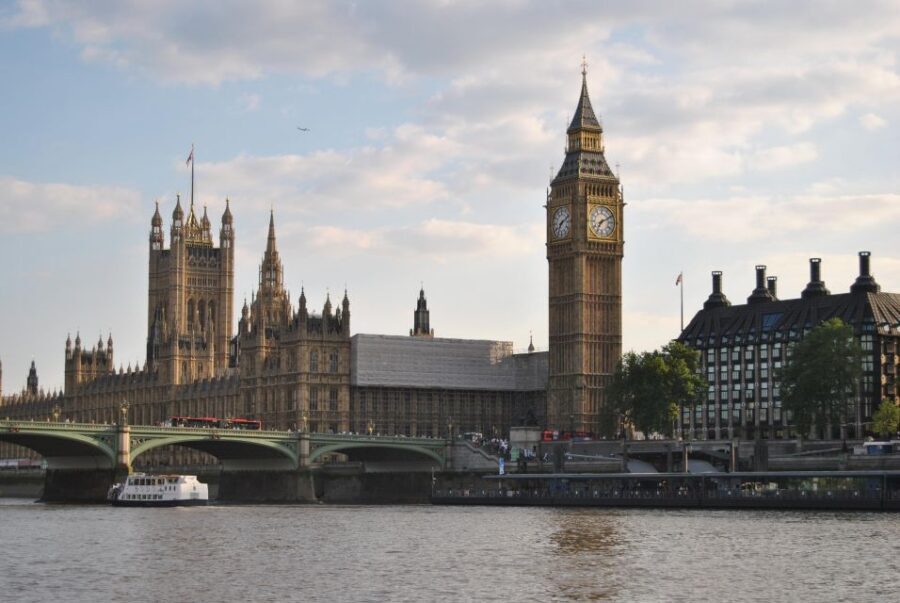
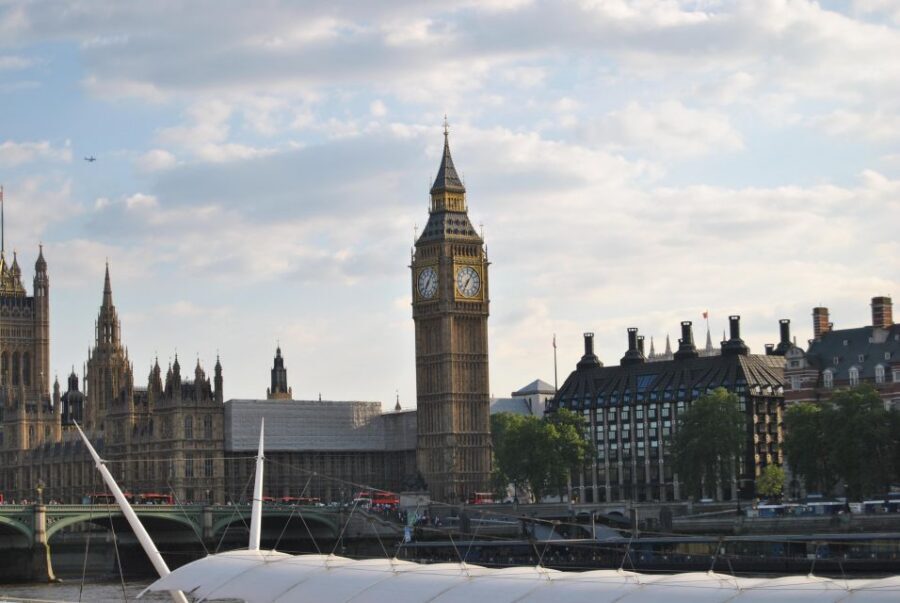
After Westminster, you move into the government core—Houses of Parliament and the Clock Tower known as Big Ben. From street-level, the buildings can feel like a single dramatic silhouette. A good guide turns that silhouette into readable parts: what to look for, what style elements mean, and how the whole complex functions.
The tour specifically includes time to take in the Clock Tower and the Gothic edifice of the Houses of Parliament. That’s useful, because the Gothic look can be hard to interpret unless someone points out what matters and what doesn’t.
What I like about this part is the angle. You’re not just staring upward to say wow. You’re being taught what to notice so you can appreciate the design choices. Even if you don’t go inside for tickets (tickets aren’t included), you still leave with a clear sense of the building’s identity.
Buckingham Palace and Changing of the Guards: what to expect
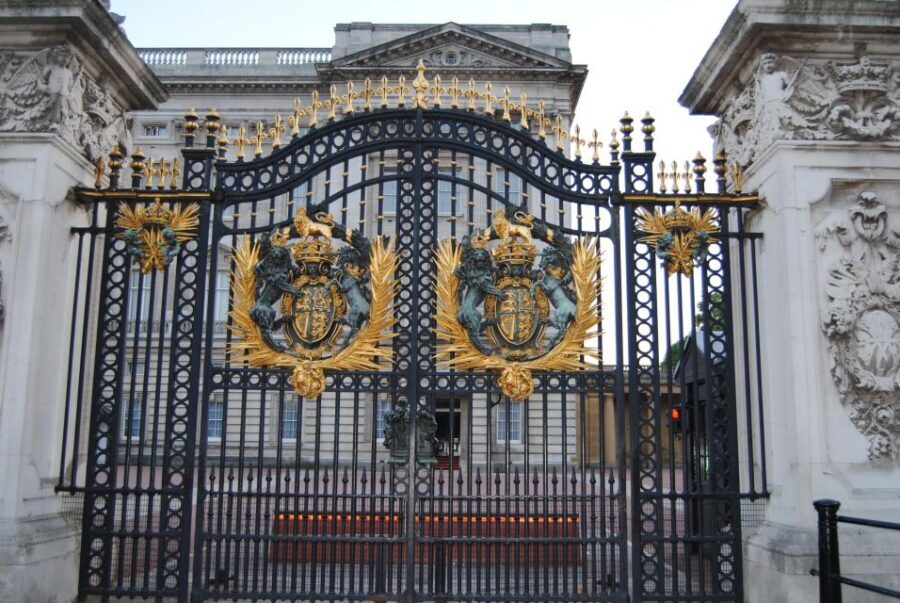
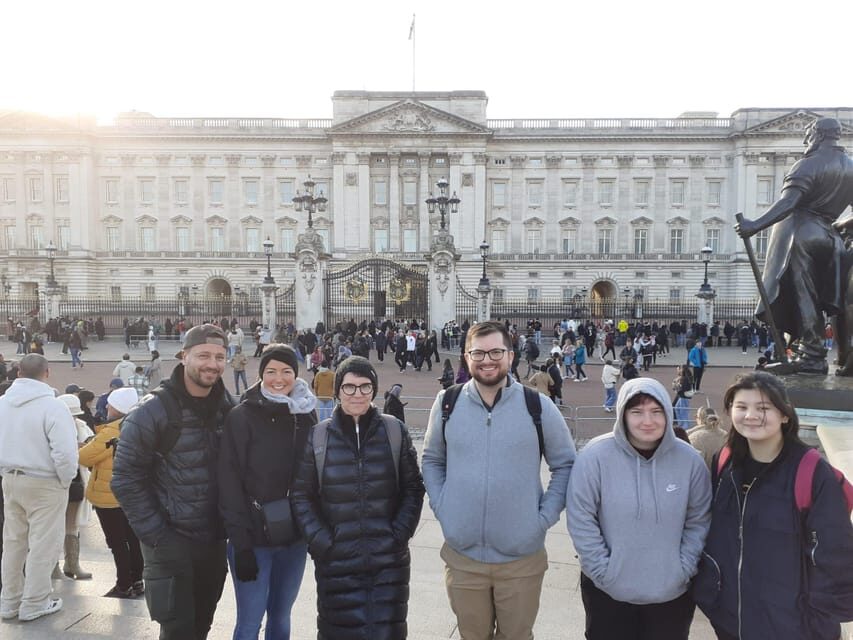
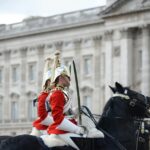
The experience gives you a choice point: you can watch the Changing of the Guards or focus on Buckingham Palace. That’s smart for real life, because these moments depend on timing and conditions. A private guide can also help you position yourself to see what you came for without wasting time.
If you do the Changing of the Guards, the goal isn’t just the spectacle. It’s the structure around it—why the ceremony exists, how the palace fits into it, and how the area’s layout supports the ritual. If you choose Buckingham Palace instead, you still get the royal residence context and the sense of scale you don’t fully grasp from pictures.
Either way, remember this is a walking tour. You’ll want comfortable shoes. Royal-area viewing spots can mean standing more than you expect, so plan for that and don’t assume you’ll be moving every single minute.
You can also read our reviews of more private tours in London




Whitehall to Trafalgar Square: Banqueting House, No. 10, and the final landing
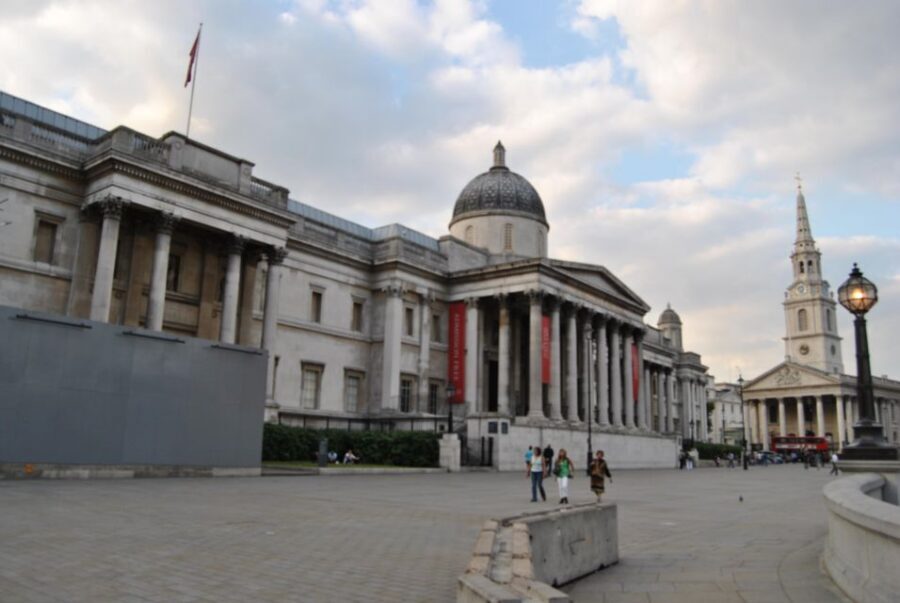
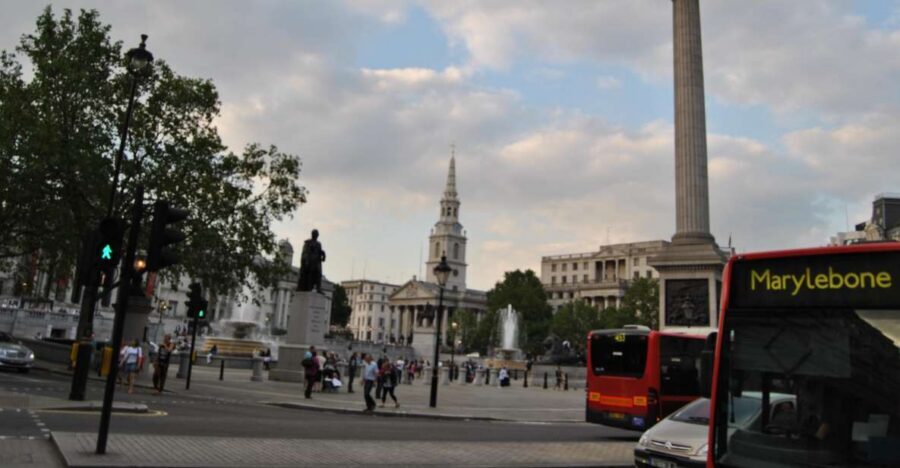
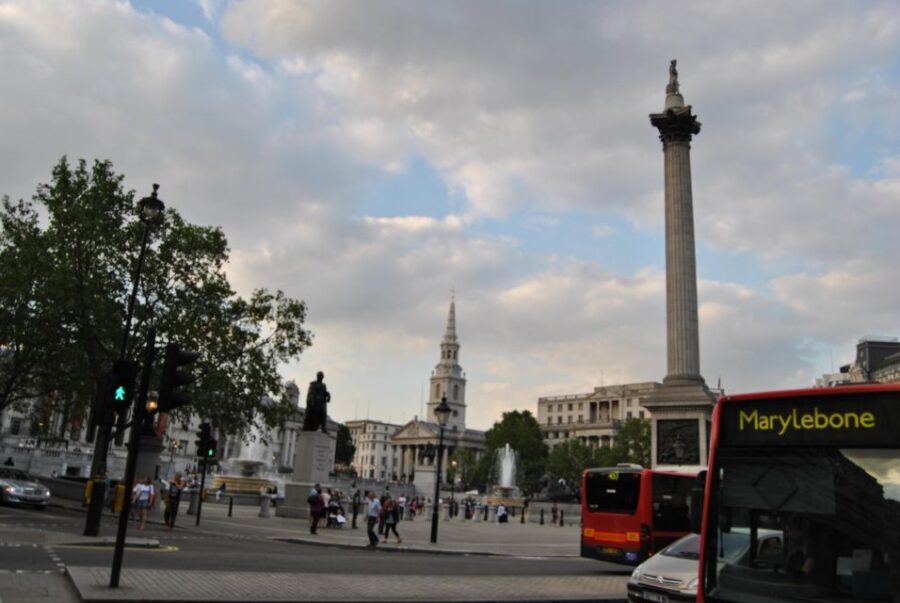
Then you head up Whitehall, passing places that feel like names you’ve seen forever in headlines and history books. The tour includes stops along the way such as Banqueting House and No. 10 Downing Street, then it lands you at Trafalgar Square and the National Gallery area.
This is a strong sequence because it shifts from individual icons to a whole corridor of power. Whitehall is basically a visual timeline of government and ceremony side by side. When your guide connects the dots between the buildings, you start to understand the geography of influence—not just the symbols.
Trafalgar Square is a good finish because it gives you room to breathe and decide what’s next. If you’re continuing your day on foot, this area makes it easy to branch out toward museums, shopping, or more walking.
If you’re hungry or need a break, you’ll appreciate that you end at a place where food and transit options are easier than at some other stops.
How the private guide shapes your 3–4 hours
This tour succeeds or stumbles based on how the guide works. The good news: when the guide hits the right rhythm, this can feel like London’s center is suddenly organized for you.
You’ll get a live guide in English, French, German, Italian, Russian, or Spanish. That matters more than people think. The best tours don’t just translate words—they shape the flow of the story. In the materials behind this experience, certain guides are specifically mentioned for lots of anecdotes and strong explanations. If your guide brings that energy, you’ll likely enjoy the tour a lot more because the landmarks stop feeling like a checklist.
Here’s the practical advice I’d give you: before you get deep into the walk, ask a simple question like what the plan is for the next hour. If the guide can explain it clearly, you’ll usually get a better-paced experience. If the route feels vague, you can steer them back toward structure.
Also, note that some bookings have complained about language quality or licensing in certain situations. That’s a reminder to choose your language carefully and ask yourself one question: can you comfortably follow explanations in the guide’s language? If not, pick another language option. It’s worth it.
Price and value: $337 per group up to 6
At $337 per group (up to 6), the value equation changes depending on your travel style.
If you’re traveling as a pair or a small group, private guiding can be a smart use of money. You’re paying for fewer people, more interaction, and a route that can flex with your interests. Instead of spending half the day fighting for “just one more photo” and trying to figure out what you’re looking at, you buy clarity and momentum.
If you’re solo, you’ll feel the cost more. But even then, this can still make sense if you want a tight focus on the classic Westminster corridor and you don’t want to spend hours doing research and navigation.
The best way to judge this price is by your expectations:
- If you want guided meaning—why places matter—this can be worth it.
- If you only want the quick hit of the big names with minimal storytelling, you might find you could do it cheaper on your own and simply use a free walking route.
My suggestion: treat this as a “make London click” purchase. When the guide is strong, the $337 feels less like a fee and more like a shortcut to understanding.
What’s included (and what you’ll need to plan yourself)
Included:
- A private and personalized experience
- 3-hour walking with a private tour guide (with the experience running in the 3–4 hour range)
- Walking experience
- Live guide in multiple languages
- Wheelchair accessible
Not included:
- Food and drinks
- Tickets to any attractions
- Transportation costs
That last point changes how you should plan the day. Since attraction tickets aren’t included, you shouldn’t count on an entrance that requires paid admission during your allotted time. Instead, think of this as a guided street-level and architectural experience, with the guide helping you understand what you’re seeing and what you could do next if you want to visit further.
Also, since food and drinks aren’t included, build in a snack break either before you meet or after you finish near Trafalgar Square. You’ll enjoy the final hour more if you’re not trying to power through hunger.
Who this tour is best for
This fits best if you:
- Want a classic Westminster and central London route without spending your brainpower on navigation
- Prefer learning from a person rather than an audio app
- Like asking follow-up questions and getting answers that feel tailored
- Are traveling in a small group where private guiding is financially comfortable
It can also be a great choice for first-time London visitors who want the big icons plus enough context to avoid feeling lost.
If you’re the type who likes very structured tours with a tight agenda and consistent pacing, I’d keep your expectations ready. This experience is private and can be personalized, but structure depends on the guide’s style. If you care about that, ask early how they’ll manage the time.
Should you book this London private walking tour?
I’d book it if your goal is to understand Westminster and central London as a connected story—royalty, government, solemn memorials, then public culture—without wasting hours figuring it out yourself. The meeting point is straightforward, the route hits the most famous anchor sights, and the private format gives you room to steer the conversation.
I wouldn’t book it if you’re price-sensitive as a solo traveler and you only want the highlights with no deeper explanation. And I’d be cautious if you strongly prefer a very strict, classroom-style schedule, because the pacing and clarity can vary with the guide.
If you do book, do one thing that pays off immediately: come ready to walk, wear good shoes, and be ready with one or two interests (royal ceremony, Parliament, Westminster’s architecture, or Whitehall’s power corridor). With that mindset, the guide’s job becomes easy—and that’s when this tour feels like real value.
FAQ
How long is the London private walking tour?
The duration is listed as 3 to 4 hours, with a 3-hour walking experience with a private tour guide.
Where do I meet the guide?
You meet by the exit number 1 of Westminster Tube Station, toward the river Thames.
Is this a private tour?
Yes. It’s a private group experience with a group size of up to 6.
What languages are available for the live guide?
The live guide is available in English, French, German, Italian, Russian, and Spanish.
Are tickets to attractions included?
No. Tickets to any attractions are not included.
Is food or drinks included?
No. Food and drinks are not included.
Is the tour wheelchair accessible?
Yes, the tour is wheelchair accessible.