REVIEW · LONDON
London: British Museum Guided Tour
Book on GetYourGuide →Operated by Z-Ocean Tours LLC · Bookable on GetYourGuide
Some museums move too fast. This one slows things down.
The British Museum guided tour is built for people who feel overwhelmed by big collections but still want the good stuff. You’ll spend two hours with a live English guide, with a small group limited to 10 participants, and you’ll focus on Mesopotamia plus the wider web of ancient Egypt and Greece. It’s also discussion-led, so you’re not stuck just staring at labels.
Two things I really like: first, the guides help you make sense of key masterpieces instead of treating them like disconnected objects. People have specifically praised guides such as Wesley for tailoring the route to interests, and Diana for flexibility on what to see. Second, the tour structure is made for questions, so you can push past the basics and get answers while you’re standing right in front of the artifact.
One drawback to keep in mind: the museum can have areas closed at times. A guide can still adapt, but that means your exact highlights may shift depending on what’s accessible on the day.
In This Review
- Key Takeaways Before You Go
- Why This British Museum Tour Feels Manageable
- Meeting Point at Starbucks: Simple, but Arrive Early
- Mesopotamia: The Story of the Cradle of Civilization
- Egypt and Greece: How the Tour Builds Connections
- Spotlight Objects You’ll Likely Hear About
- Discussion Time: Asking Questions Without Feeling Lost
- Small Group Size: Why Max 10 Changes the Feel
- Price and Value: What $90 Buys You in London
- The Day-Of Reality: When Parts of the Museum Are Closed
- Who This Tour Suits Best (and Who Might Skip It)
- Practical Tips to Get More From Your Two Hours
- Should You Book the British Museum Guided Tour?
- FAQ
- How long is the British Museum guided tour?
- What is the group size?
- What language is the tour offered in?
- Where do I meet the guide?
- What’s included in the price?
- Is food or hotel pickup included?
- Are pets allowed?
- What cancellation options are available?
Key Takeaways Before You Go

- Small group (max 10) means more back-and-forth, not just one-way lecturing.
- Mesopotamia focus gives you a clear “cradle of civilization” storyline you can carry through the rest of the museum.
- Live English guide turns famous pieces into understandable context.
- Flexible route is part of the experience, with guides like Wesley and Diana noted for adjusting to interest.
- Two hours is short enough to be doable, but long enough for real discussion if you ask questions.
Why This British Museum Tour Feels Manageable
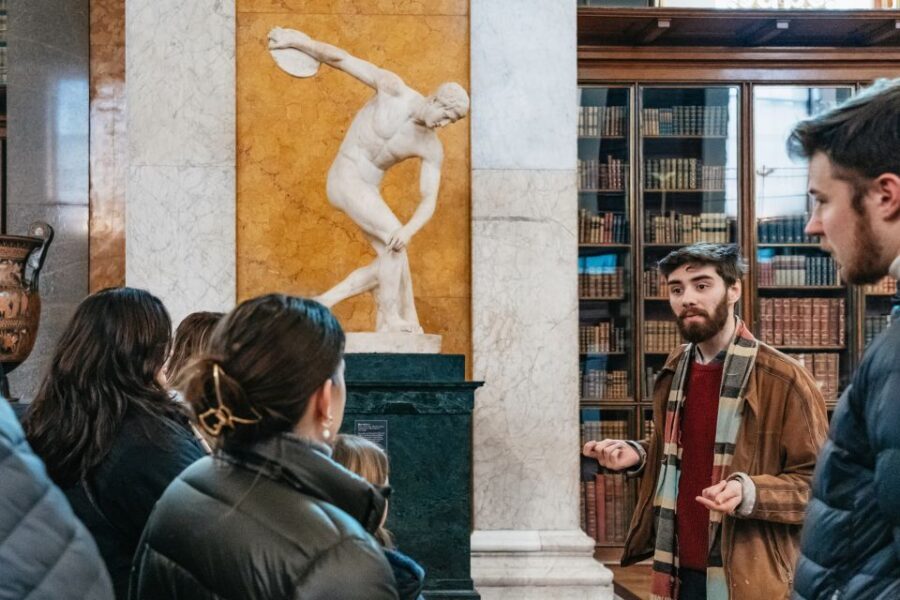
The British Museum is huge, and it’s easy to lose the plot. This guided tour gives you a plan for what to look at and what to ask, without trying to cover everything. That matters because your brain remembers stories better than random facts, and a guide can connect the dots between civilizations that look unrelated at first glance.
At 2 hours, you’re getting a focused sweep rather than a marathon. The format also keeps you moving with purpose, which is exactly what you want on a first visit—or a return visit when you want more meaning and less wandering.
And since it’s a small group, you can actually interact. This isn’t a “sit in the back and hope” style tour. It’s built so you can ask follow-up questions and get answers right away while the context is still fresh.
You can also read our reviews of more guided tours in London



Meeting Point at Starbucks: Simple, but Arrive Early
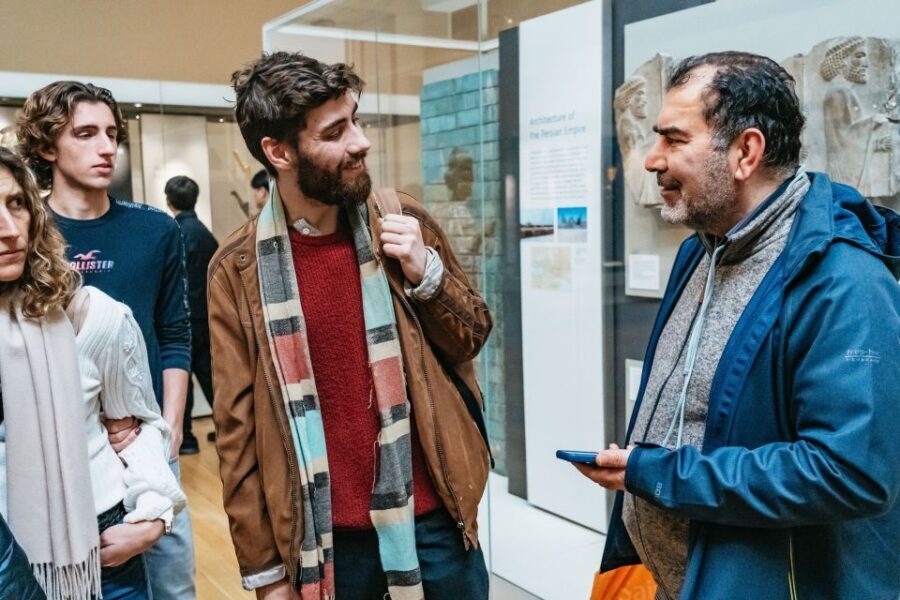
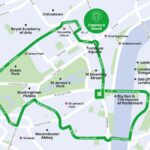
The guide meets you in front of Starbucks, just across the museum entry. That’s refreshingly clear, and it reduces that awkward “where exactly is the group?” feeling.
Since you’ll only have two hours total, arrive a few minutes early so you don’t start the tour stressed. If you’re bringing this into a wider day plan, give yourself time to get through the museum entrance and get to the right spot calmly.
Also note the tour is English, and the tour is described as a live guide experience. That means you’ll get the benefit of human pacing—slower when questions come up, quicker when you’re ready to move.
Mesopotamia: The Story of the Cradle of Civilization
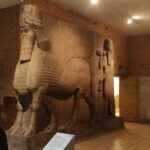
The biggest thematic anchor here is Mesopotamia. The tour’s highlights explicitly point to “unearthed” artifacts tied to the cradle of civilization, and that’s the smartest way to start because it gives you a foundation.
When you focus on Mesopotamia first, everything else clicks faster. You can start thinking in terms of shared technology, trade, belief systems, and power structures—rather than treating each gallery like its own separate universe.
This is where a good guide earns their fee. Mesopotamia artifacts can look like symbols and materials until someone explains the “why” behind them. The tour experience is designed to decode those ancient mysteries: what you’re looking at, what it meant, and how it connects to later civilizations you’ll see in the museum.
If you like learning in layers—basic context first, then the deeper details—this is the right approach. You’ll get enough explanation to make the artifacts feel like evidence, not just decoration.
Egypt and Greece: How the Tour Builds Connections
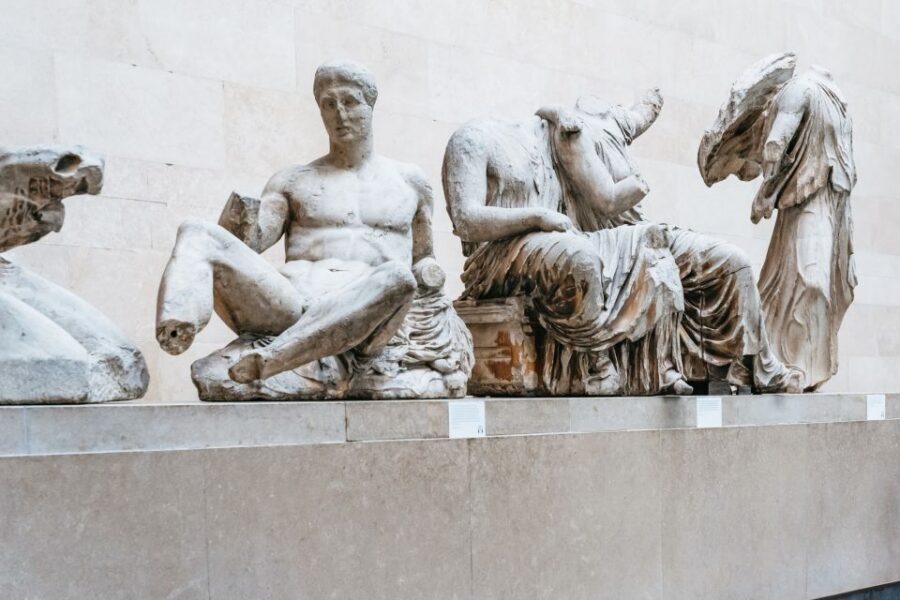
After Mesopotamia, you’ll move into the broader sweep that includes ancient Egypt, Greece, and beyond. The value here isn’t simply seeing more items. It’s understanding how the museum’s collection can feel like one long conversation across time.
Guides are described as encouraging lively discussions and facilitating questions. That matters because Egypt and Greece are often approached through “style” (art, sculpture, motifs). But with the right explanation, you’ll also be thinking about function—royalty, ritual, storytelling, identity.
So instead of just walking past galleries, you’re collecting themes:
- how societies recorded ideas
- how power used art and monumental works
- how cultural exchange shaped what survived
This is also a good style for second-time museum visitors. If you already know you want the famous objects, the tour helps you see them as part of a wider network of meaning.
Spotlight Objects You’ll Likely Hear About
The tour description points to several specific high-interest items, and that’s useful because you can set expectations before you go. You’ll hear context and anecdotes tied to major artifacts, including:
- Rosetta Stone
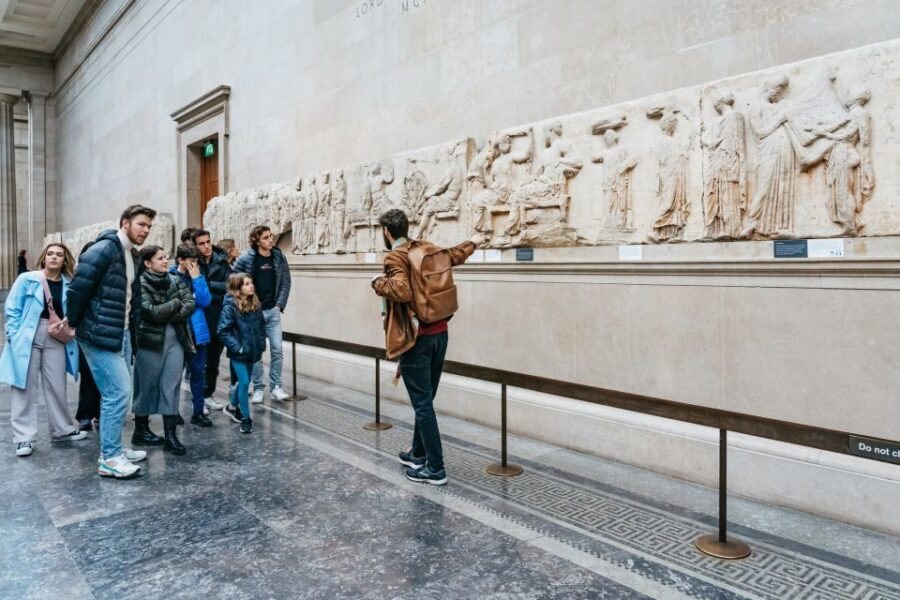
- Elgin Marbles
- Rosalila Temple intricate details
One practical reason this matters: these are the objects people commonly crowd around. Without guidance, you can spend a lot of time looking and still leave with a fuzzy understanding of why they matter so much. With a guide, you get the historical significance and the “what to notice” moments that turn looking into understanding.
Another reason I like this “spotlight objects” approach is pacing. In two hours, you don’t have time to gain depth on everything. But when a guide picks the right anchor pieces—then uses them to explain broader themes—you leave with a sharper mental map.
You can also read our reviews of more museum experiences in London






Discussion Time: Asking Questions Without Feeling Lost
This tour isn’t presented as a lecture. It’s framed as visitors being active participants, with guides facilitating dialogue and encouraging questions.
That style pays off in two ways:
1) You can steer the learning. One review praised Wesley for being willing to customize the tour to interests. Another praised Diana for flexibility in what you should visit. Even if the overall theme is set, you still get a say.
2) You can clear up confusion in the moment. Museum labeling is helpful, but it’s not always enough when you’re trying to connect symbolism, dating, politics, and art style.
If you’re the kind of person who likes to ask, you’ll do well here. If you’re less chatty, you can still benefit, because a good guide can prompt you gently and keep things moving.
Small Group Size: Why Max 10 Changes the Feel
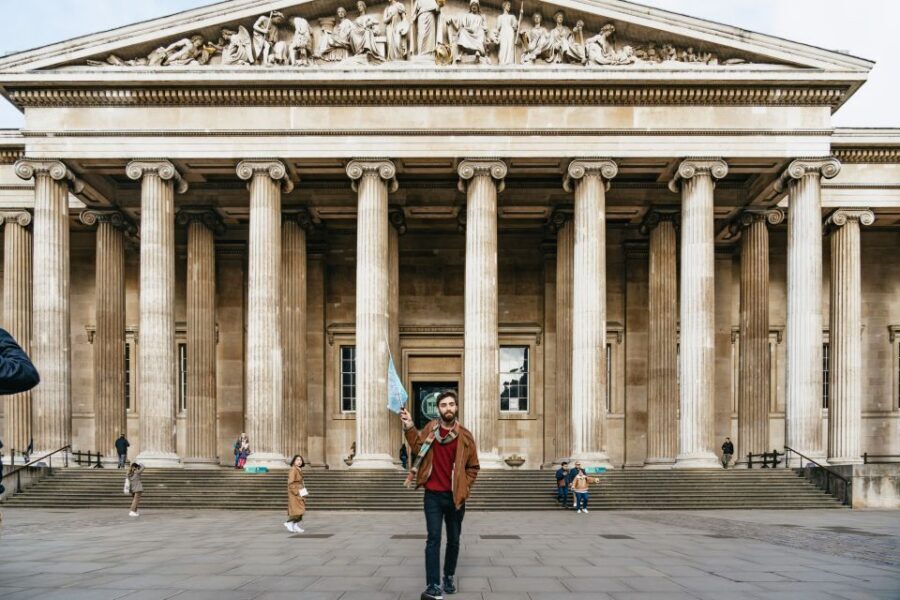
A limit of 10 participants is a big deal in a museum setting. In larger groups, you get speed and minimal attention. In small groups, you get chances to slow down and get personal clarification.
This also affects how the tour flows. When the guide has fewer people to manage, they can respond to questions without losing the group’s momentum. That can be the difference between leaving with “I saw things” versus leaving with “I get the story.”
The tour descriptions and reviews emphasize professional guides, expert-led conversation, and a less overwhelming experience. That’s exactly what small-group pacing tends to deliver: less stress, more comprehension.
Price and Value: What $90 Buys You in London
At $90 per person for a 2-hour guided tour with museum entry and a live guide, the value is mainly in time and interpretation. You’re not paying just for access to the museum—you’re paying for someone to translate the collection into a coherent experience.
Here’s the practical way to judge it: if you’d normally spend your time bouncing between highlights and getting only partial context, a guided format can compress your learning into the time you have. With the kind of discussion-led approach described here, you’re also buying the ability to ask “why” questions on the spot.
If you’re the type who loves museum self-guided wandering and you already know the stories you want, you might not need a guide. But if you want a clear structure and you want to feel less overwhelmed, this price can feel fair because it replaces guesswork with direction.
The Day-Of Reality: When Parts of the Museum Are Closed
One review mentioned that a large portion of the museum was closed, which reduced the experience score. The takeaway for you is simple: plan for adjustments.
A smart guide will reroute and focus on what’s available. Still, closures can affect which specific rooms you pass through. If you have must-see objects tied to your trip, it’s worth being flexible and letting the guide’s route do its job.
This is also where customization can help. Reviews praising flexibility (including guides like Wesley and Diana) suggest the guide can adapt to what you want—within what the museum makes possible that day.
Who This Tour Suits Best (and Who Might Skip It)
This tour is a great match if you:
- want a guided plan instead of trying to decide on your own in a massive museum
- enjoy “story first” explanations for famous artifacts
- like asking questions and getting answers while you’re looking at the object
- prefer small groups over crowded tours
- want a strong entry point into ancient civilizations, starting with Mesopotamia
You might consider skipping if you’re:
- only interested in a quick visit and you already have a detailed plan for exactly what you want
- not interested in discussion or Q&A formats
Because it’s 2 hours, it also suits people who want museum time without burning half the day.
Practical Tips to Get More From Your Two Hours
Bring your curiosity. This is one of those experiences where asking one good question can change how you see several artifacts.
Also:
- Arrive a bit early at the Starbucks meeting point so you start relaxed.
- Wear comfortable shoes. You’ll be moving through galleries.
- If you have specific interests—Mesopotamia, Egypt, Greece—think about them before you meet the guide. The tour format supports adapting to interests.
- If you’re on a tight London schedule, build in buffer time for entry lines and the walk to your meetup spot.
And one small mindset shift: instead of trying to memorize dates, try to remember relationships—how cultures influenced each other. That’s where the tour’s connecting-the-dots approach pays off.
Should You Book the British Museum Guided Tour?
I’d book it if you want a manageable, small-group way to understand the museum’s ancient civilizations—especially if Mesopotamia is on your list and you’d like context for major highlights like the Rosetta Stone and Elgin Marbles.
It’s not a must-book if you love solo museum wandering and you already have a strong plan for what you want and why. But if you’re worried the museum will feel overwhelming, this tour is built to reduce that problem with structure, expert-led explanation, and room for questions.
If you want to see famous artifacts and also understand what they mean, this is a solid use of two hours in London.
FAQ
How long is the British Museum guided tour?
The tour duration is 2 hours.
What is the group size?
It’s a small group limited to 10 participants.
What language is the tour offered in?
The live tour guide speaks English.
Where do I meet the guide?
The guide meets you in front of Starbucks, just across the museum entry.
What’s included in the price?
Museum entry and a tour guide are included.
Is food or hotel pickup included?
No. Food and drinks are not included, and hotel pickup and drop-off are not included.
Are pets allowed?
Pets are not allowed.
What cancellation options are available?
There’s free cancellation, and you can cancel up to 24 hours in advance for a full refund.