REVIEW · LONDON
London: Brutalist Architecture & History Walking Tour
Book on GetYourGuide →Operated by explorabilia · Bookable on GetYourGuide
Concrete tells a louder London story. This is a 2.5-hour Brutalist architecture walk through central London, paced for a small group and built around the idea that concrete, politics, and post-war rebuilding are all tangled together. I like that the tour doesn’t treat Brutalism like a museum piece, but like something you still have to read in real street-level life.
What I especially enjoy is how Evan connects buildings to the people and events behind them, from modern engineering choices to the cultural and social pressures shaping post-war plans. One thing to plan for: you only visit exteriors. No interior access means your best experience comes from close-up looking, details spotting, and photos, not from walking inside.
In This Review
- Key things you’ll notice on this London Brutalism walk
- Why Brutalism in London feels personal (even if you hate it)
- Meeting outside Russell Square: start point, pace, and what to bring
- Your first section: learning to spot Brutalism on sight
- Institute of Education: when modern design meets public purpose
- National Theatre: a dramatic photo stop with real context
- How post-war events shaped London’s concrete era
- The guide’s approach: Evan’s energy, plus how he handles questions
- What this tour is (and isn’t): interiors, access, and expectations
- Price and value: what you’re paying for at $47
- Practical logistics: tube credit, weather, and where your best photos happen
- Who should book this Brutalist architecture tour?
- Should you book? My take
- FAQ
- Where is the meeting point for the London Brutalist Architecture & History Walking Tour?
- How long is the tour?
- Is public transportation included?
- What should I bring?
- Will we visit the interiors of buildings?
- Is the tour suitable for children?
- Is the tour accessible for people with mobility impairments?
- In what language is the tour delivered?
Key things you’ll notice on this London Brutalism walk
- Evan’s guide style: energetic, personable, and tailored when you want more context
- Concrete as a design decision: not just a material, but a message about modern life
- Photo-first moments around big names like the National Theatre
- Post-war and global influence: how worldwide events fed into London’s rebuild
- Small group limits: up to 6 participants, so questions actually get answered
- Exteriors only: bring your walking shoes and your camera, not your ticket to interior rooms
Why Brutalism in London feels personal (even if you hate it)
Brutalism is one of those styles that divides a room fast. You’ll either love the blunt honesty of concrete or feel like you’re staring at a stack of unfinished forms. Either reaction is valid, because the buildings were designed to be seen that way.
On this tour, you’ll learn to read Brutalism as more than looks. Concrete shows up as a practical engineering choice and as a public-facing statement, tied to the post-war push to rebuild quickly and visibly. That’s why the history here matters: it explains the choices behind the drama, not just the dates on a plaque.
The best part is you get to stand in the middle of today’s city and see how those decisions landed. Brutalism can feel cold from a distance, then oddly human up close once you start noticing texture, edges, and the way structures frame light. And if you’re the type who likes a strong point of view, this tour gives you plenty of fuel.
You can also read our reviews of more walking tours in London



Meeting outside Russell Square: start point, pace, and what to bring
You meet outside Russell Square Underground Station on the Piccadilly Line. It’s a handy spot because you can link up your Tube route without turning the day into a logistical puzzle.
The walk is 2.5 hours with a small group capped at 6, which keeps things from feeling like a lecture. You also use the Tube once for a short journey, so plan a basic transport rhythm rather than assuming this is purely walking the whole time.
Bring a public transport ticket and make sure you have enough credit for one trip in Zone 1. Even if you love walking, that one short Tube hop helps you cover central London efficiently without rushing past the important buildings.
One more practical note: the tour may be postponed or canceled in bad weather. If you’re traveling in a season with unpredictable rain, bring something that lets you keep your footing and your photos clean.
Your first section: learning to spot Brutalism on sight
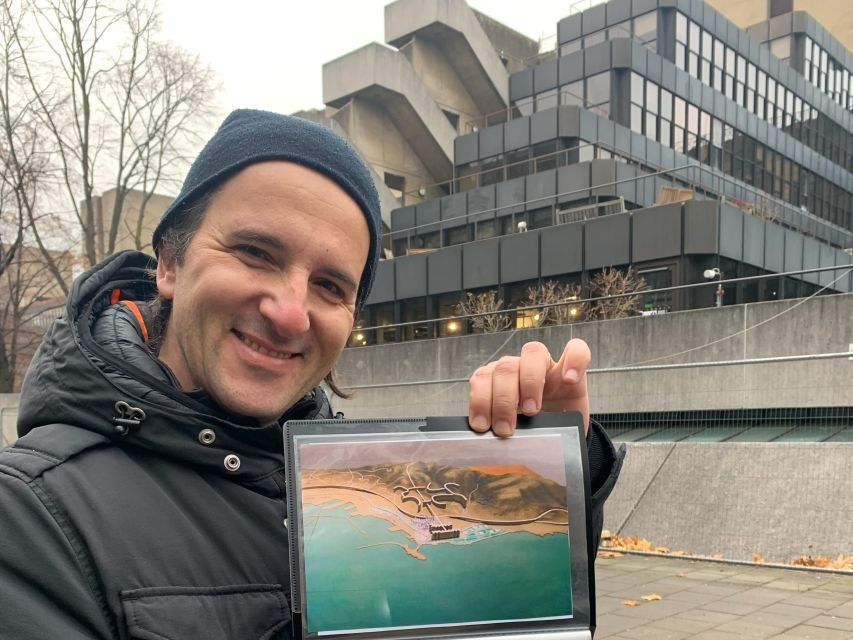
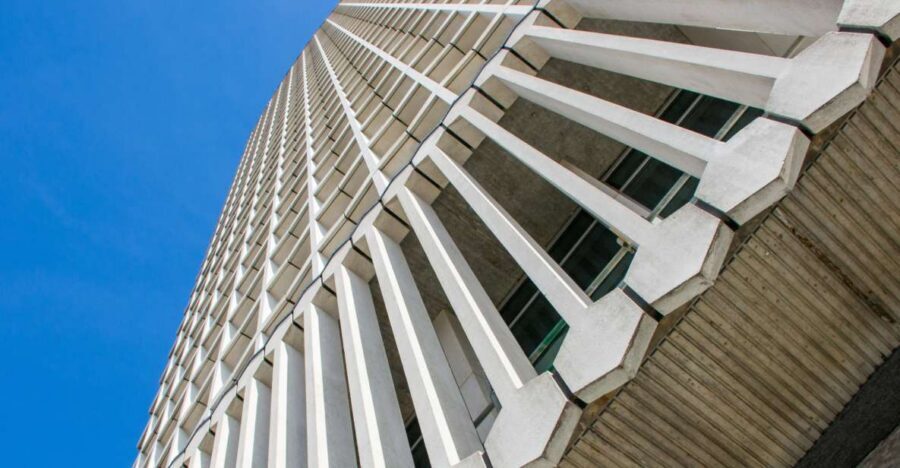
Early on, the guide’s main job is to teach your eyes how to look. Brutalism isn’t subtle in its goals, but it’s surprisingly varied in execution. You’ll start noticing how the style uses large blocks of form, bold massing, and a raw feel to surfaces that many people associate with mid-century modern engineering.
Concrete is the core theme here, and you’ll hear how it became a star material. It’s not just that concrete exists in these buildings, but that it was used as a visible system. That matters, because it changes how the buildings communicate: instead of hiding structure, they often highlight it.
This first section also sets up the bigger question the tour returns to: why London embraced these monumental, modern plans after the war, and why the reception was mixed. You’ll be given enough context to understand why people loved the ambition—and why others saw it as too heavy, too harsh, or too disconnected from everyday needs.
Institute of Education: when modern design meets public purpose
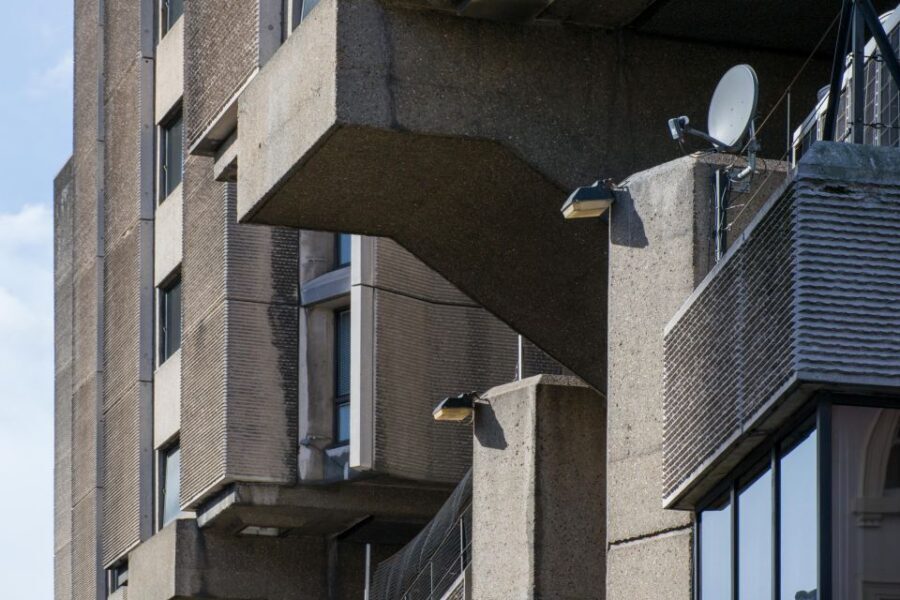
One of the landmarks you’ll focus on is the Institute of Education. Even if you’re not a hardcore architecture nerd, this stop is a good entry point because it connects the visual style to real-world function: education, public life, and the post-war belief that design could help society.
At this exterior-only viewing, you’ll be looking at how Brutalism turns structure into a kind of readable surface. The guide talks about the use of concrete in engineering and architecture, but the point isn’t technical trivia for its own sake. It’s about how building choices shaped public perception and daily experience.
This stop is also where you’ll start hearing the tour’s theme about ongoing tension. The style may have aged into legend for some people, but it’s still argued over by preservation groups, local authorities, and residents. That conflict is part of why these buildings remain relevant.
If you’re the type who enjoys details, keep an eye on the way massing and openings create rhythm. Brutalism can look blunt at first glance, then more intentional once you start seeing the patterns.
National Theatre: a dramatic photo stop with real context
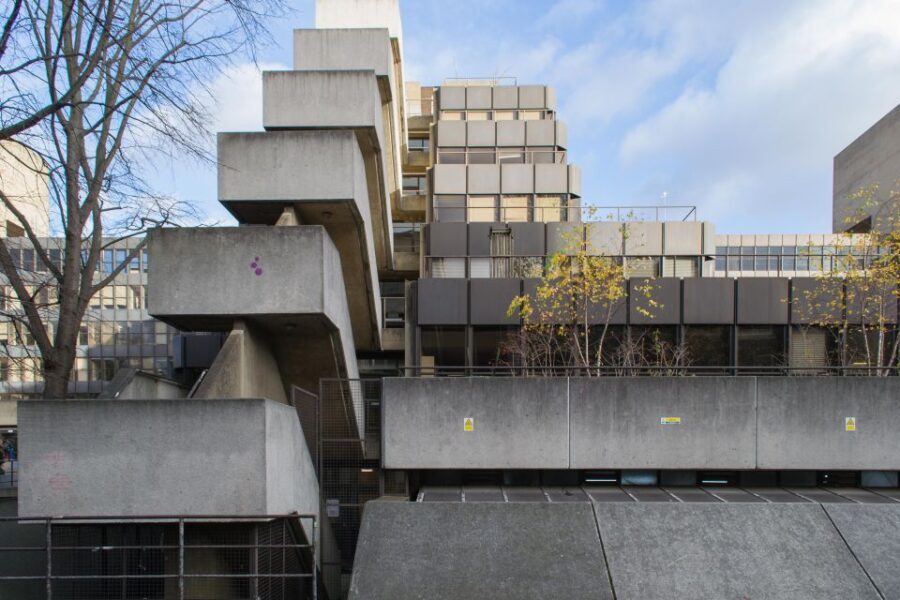
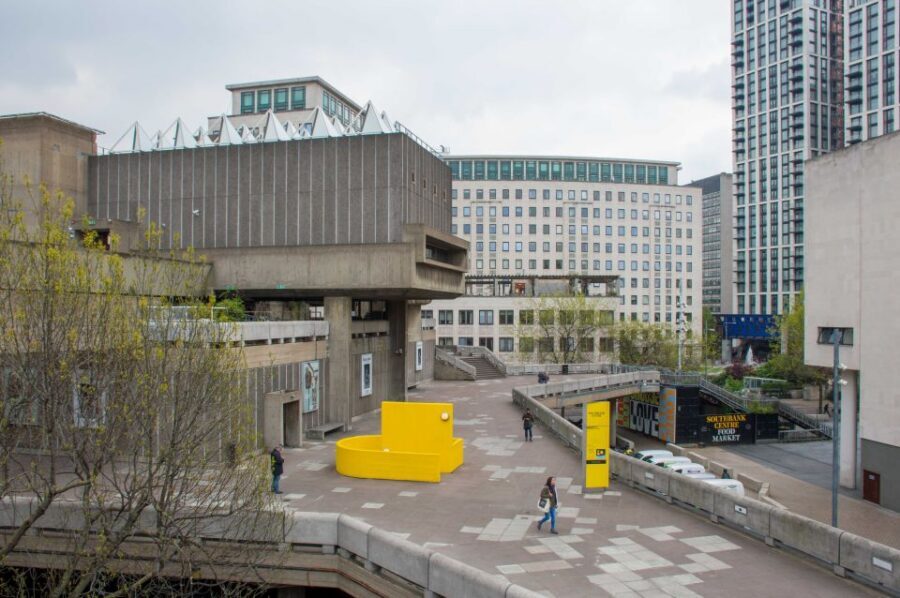
The National Theatre is the headline photo location for this walk. It’s the kind of building that makes people step back, tilt their heads, and decide whether the structure feels inspiring or aggressive. Either way, it gives you something to react to, and that reaction becomes part of the learning.
This is also where the tour’s history lens really sharpens. The guide ties the theater’s construction to the social and political circumstances that helped shape modern London. You’ll hear how global events influenced post-war architecture, and how those pressures affected the choices London planners and institutions made.
The practical takeaway: don’t treat this as a quick stop for one angle. You’ll have time to look and compare views so you can see how the building’s geometry plays with the street. Since interiors aren’t visited, your best results come from using the exterior as your whole “museum.”
For photography, think in layers. Capture the big massing, then zoom in mentally for the concrete textures and edges the guide highlights. Brutalism can look flat in one shot, but it comes alive when you frame it carefully.
You can also read our reviews of more historical tours in London





How post-war events shaped London’s concrete era
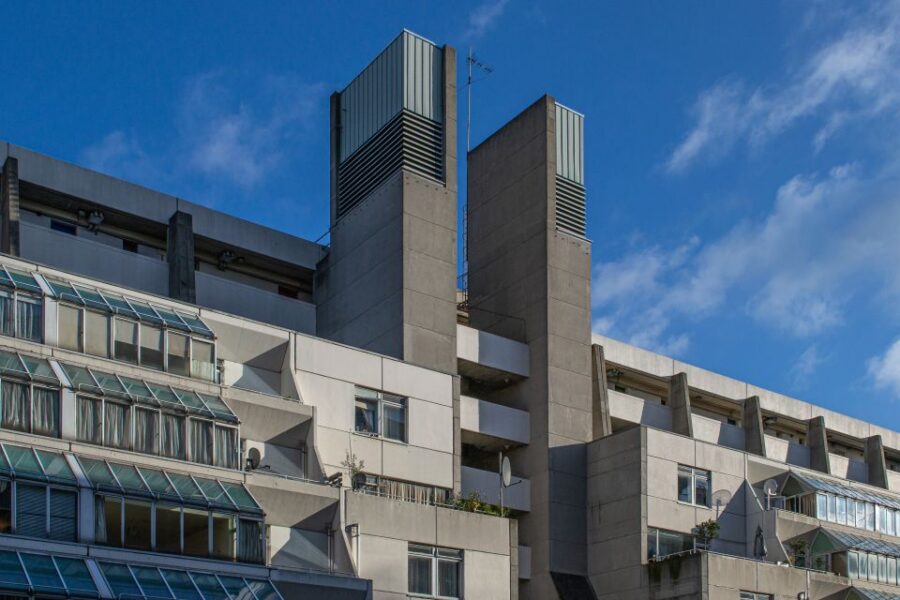
A major theme on this tour is that Brutalism didn’t appear out of nowhere. You’ll connect the style to the broader push for rebuilding after the war, when modern engineering promised speed and stability.
The guide also connects London’s changes to the wider world. You’ll learn how global events influenced the city’s post-war architecture and why that mattered for what got built and how it was funded. That context helps you understand why these buildings feel like they’re speaking a future language—sometimes in a way people weren’t ready to hear.
You’ll also hear about key characters in European Modernism and how their ideas traveled into London’s concrete-heavy direction. The point here isn’t to memorize names; it’s to understand that architectural modernism was part of a larger cultural shift, not just a British aesthetic trend.
And one more useful angle: the tour touches on cultural, social, and environmental impact. Even when you only see the exterior, it’s worth thinking about what it takes to maintain these big concrete forms, and why future use can become a political fight.
The guide’s approach: Evan’s energy, plus how he handles questions
Evan is the name you’ll hear again and again in the tour experience. People praise how enthusiastic he is about the built environment and how clearly he explains what you’re looking at. The vibe isn’t stuffy. It’s more like a smart friend walking you through a city argument, with strong reasoning and a love for architecture facts.
A common highlight is how Evan adapts. If you bring curiosity but not expertise, he’ll still keep the tour accessible. If you bring more background—like a parent or partner who wants to compare ideas—he can flex the explanation so the details land.
Evan also aims for more than surface-level description. You’ll get insights that connect building design to social context, and you’ll likely hear extra notes that you wouldn’t get from a quick self-guided stop. That’s a big deal on a niche topic like Brutalism, where a walking route without interpretation can feel like just looking at buildings.
The one caution to keep in mind: not every architecture claim will land perfectly for everyone. There’s at least one instance where a guest noted a couple misconceptions in specific trivia points. That doesn’t mean the tour isn’t worth it; it does mean you should come with curiosity and a sense of humor, and ask follow-up questions if you’re the type who fact-checks everything.
What this tour is (and isn’t): interiors, access, and expectations
This is an exterior-focused walking tour. Interiors are not visited, so don’t expect to see inside the buildings or access any exhibition-like spaces.
That limitation shapes the whole experience in a good way if you’re open to it. Exterior viewing turns into close reading. You’ll learn to notice the details that make Brutalism feel dramatic: how concrete is treated, how openings punctuate mass, and how the buildings sit in their urban surroundings.
But it can be a dealbreaker if you want the full building experience. If you’re hoping for interior access or architectural walkthroughs, you’ll need a different style of tour.
Also keep in mind who it’s not designed for. It’s not suitable for children under 16 and it isn’t suitable for people with mobility impairments. The combination of walking time and the way the tour moves through central streets matters here.
Price and value: what you’re paying for at $47
At $47 per person for 2.5 hours, you’re mostly paying for the guide and the focus. You’re not paying for any paid attractions or interior tickets, since those aren’t included. You also need to cover public transportation costs, and the tour includes Tube usage once for a short trip.
So is it good value? For the right person, yes—because this isn’t a general sightseeing stroll. It’s a specialist tour on Brutalist architecture, a style that many people struggle to interpret without context. If you like architecture, design, or post-war history, paying for guided meaning is usually where the value comes from.
The small group size (max 6) also supports the price. You’ll get more room for questions, and the guide can keep explanations tied to what you can see in front of you. With Brutalism, the difference between a blurry photo and a satisfying understanding often comes from interpretation. That’s exactly what you’re buying here.
With a 4.8 rating from 42 reviews, the pricing looks even more sensible. That kind of score usually indicates that the guide’s communication and the tour focus are landing well for most people.
Practical logistics: tube credit, weather, and where your best photos happen
You’ll use the Tube once for a short journey, so plan your day around that. Make sure your Zone 1 credit is ready, and don’t count on ticket vending machines to save you if you arrive right at departure time.
Weather can affect the schedule. If conditions are unfavorable, the walk may be postponed or canceled. Bring a rain layer, because central London drizzle can happen without warning.
For photos, treat the big names—especially the National Theatre—as your anchor points. Then use the rest of the walk to practice framing. Brutalism can look more interesting in indirect light, and concrete textures can pop when the sky isn’t flat grey.
Also, since you won’t go inside, be ready to get the shots you want from sidewalks and viewing positions the guide uses during the walk. The best strategy is to be flexible with angles and not assume one viewpoint will cover everything.
Who should book this Brutalist architecture tour?
Book it if you want a focused London experience where architecture is the main story. It’s especially suited to you if:
- You like modern design and want to understand the why, not just the what
- You’re curious about how post-war rebuilding shaped the city you walk through today
- You want a guide who can connect concrete to social and political change
Skip it if you need interior access, wheelchair-friendly pacing, or a kid-friendly experience. This is an architecture-and-history walking format, and it expects you to be comfortable on the move.
Should you book? My take
If Brutalism makes you curious, this tour is a strong way to get past the first reaction. The combination of Evan’s guide energy, the concrete-and-history framing, and the exterior photo opportunities like the National Theatre makes it easy to feel like you left with more than just pictures.
Just go in with the right expectation: you’re seeing exteriors and learning to interpret them, not touring buildings inside. If you’re okay with that trade, the $47 price feels like a fair exchange for a specialty walk in central London with a guide who clearly cares about the subject.
FAQ
Where is the meeting point for the London Brutalist Architecture & History Walking Tour?
You meet outside Russell Square Underground Station on the Piccadilly Line.
How long is the tour?
The tour lasts 2.5 hours.
Is public transportation included?
No. Public transportation costs are not included, and the tour uses the Tube once for a short journey.
What should I bring?
Bring a public transport ticket and make sure you have enough credit for one trip in Zone 1 for the Tube segment.
Will we visit the interiors of buildings?
No. The interiors of buildings are not visited, so you’ll view structures from the outside.
Is the tour suitable for children?
No. It’s not suitable for children under 16.
Is the tour accessible for people with mobility impairments?
No. It’s listed as not suitable for people with mobility impairments.
In what language is the tour delivered?
The live tour guide speaks English.