REVIEW · LONDON
London: Witches and History Bankside Walking Tour
Book on GetYourGuide →Operated by Enthral Experiences · Bookable on GetYourGuide
Witches and history, in real London streets. This costumed character-led walk turns spooky London folklore into a guided route you can follow step by step, from Southwark over to St Paul’s. I like how the performance stays funny and human while the facts stay grounded. I also love the tight hit of big sights—Southwark Cathedral, the Clink, Shakespeare’s Globe, Millennium Bridge, and St Paul’s—without long detours. The main drawback: at 75 minutes, it can feel a touch short once you get the momentum.
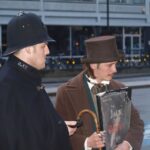
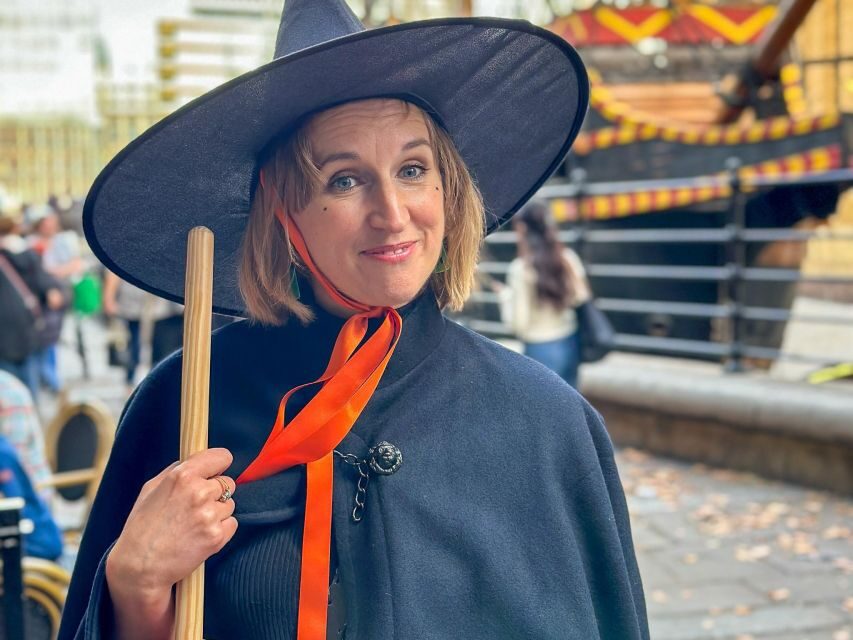
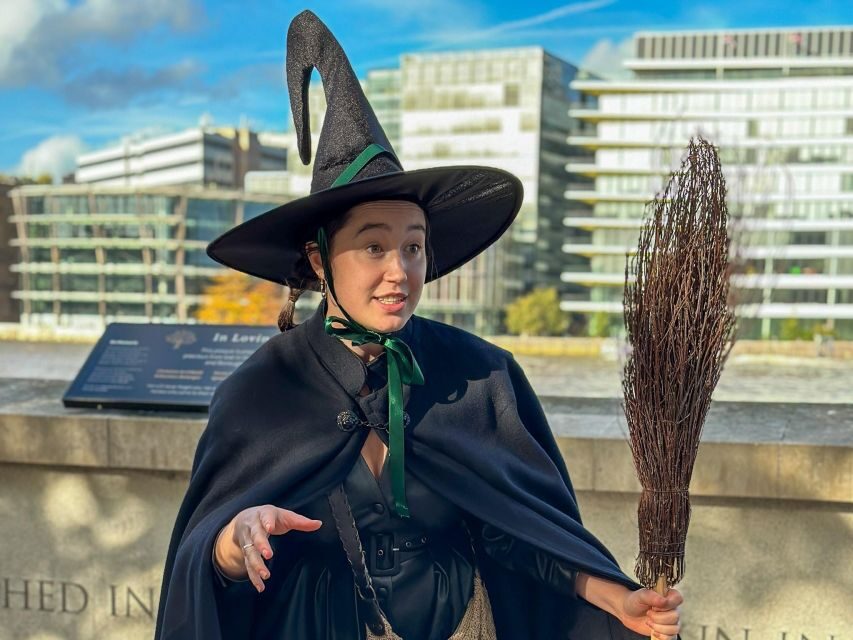
One of the best parts is the guide in full role. I’ve seen names like Gary the Grey, Veronica, and Beatrix pop up in the guide lineups, and the common thread is delivery: clear storytelling, sharp humor, and plenty of room for questions. You’ll hear witch-related tales across ages, including real historical names people argue about even today, like Nicholas Culpepper, Elizabeth Barton, Jinny Bingham, and Old Joan Butts. The tone can be spooky, but it’s also educational in a practical way, not just for atmosphere.
You’ll be walking outside through the Southbank and Bankside area, so plan for weather. You’ll cover a compact stretch of Southwark cobbles and narrow streets, and the route helps you see corners of London that most sightseeing schedules skip.
In This Review
- Key highlights worth your attention
- Getting your bearings at Southwark Viewpoint
- Southwark Cathedral: where the witch stories start to make sense
- Borough Market edges and the sense of everyday London
- The Golden Hinde: a Tudor ship with real presence
- Winchester Palace ruins: history that feels broken on purpose
- Clink Prison Museum: the dark turn you remember
- Shakespeare’s Globe and Bankside drama
- Thames views: Millennium Bridge to St Paul’s Cathedral
- How the guide performance shapes the whole experience
- It’s short, so use the time wisely
- Price and value: why $24 can make sense in London
- Who this tour fits best
- Should you book this London witches and history walk?
- FAQ
- FAQ
- How long is the London Witches and History Bankside Walking Tour?
- Where do I meet the guide?
- Where does the tour finish?
- How much does it cost?
- Does the tour run in rain or shine?
- Is the tour wheelchair accessible?
- Can I reserve now and pay later, and is there free cancellation?
Key highlights worth your attention
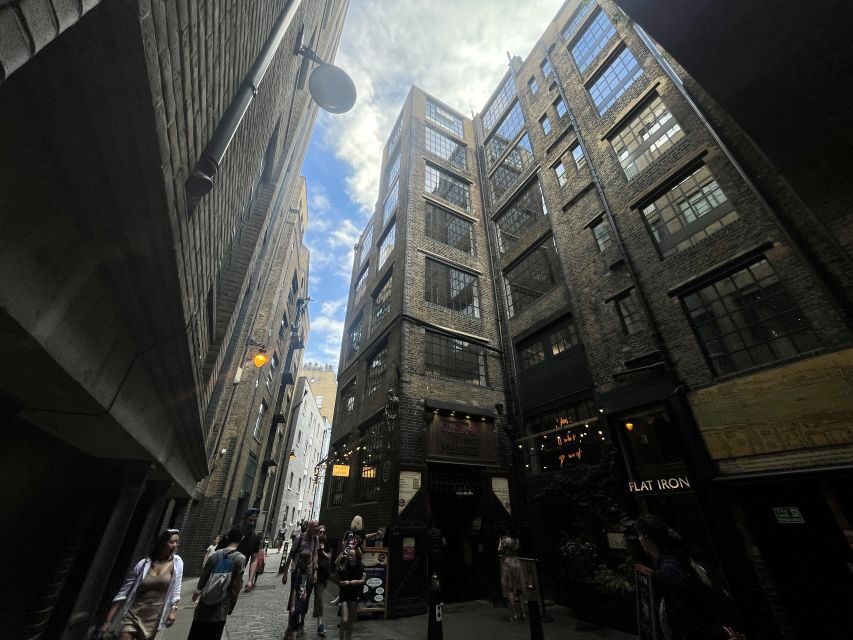
- Costumed guide in character with comedic timing and strong storytelling focus
- Southwark to Bankside route built around famous spots and lesser-seen streets
- The Golden Hinde and Tudor-era context tied into the witch-and-history narration
- The Clink Prison Museum moment where the dark past becomes very real
- A mix of humor and unsettling truths, including how sexism shaped witch persecutions
Getting your bearings at Southwark Viewpoint
The tour starts at Southwark Viewpoint in Minerva Square, which sits right by Southwark Cathedral. It’s a smart beginning point because you get oriented fast: you’re in the right neighborhood for the whole story to make sense, not just hunting for one photo stop.
This is also a good area to arrive a few minutes early. Southwark Cathedral is an obvious landmark, so you can anchor your meetup timing visually, then focus on the walk once the guide gathers the group. From here, the tour moves into the older-feeling street grid of Southwark.
You can also read our reviews of more walking tours in London



Southwark Cathedral: where the witch stories start to make sense
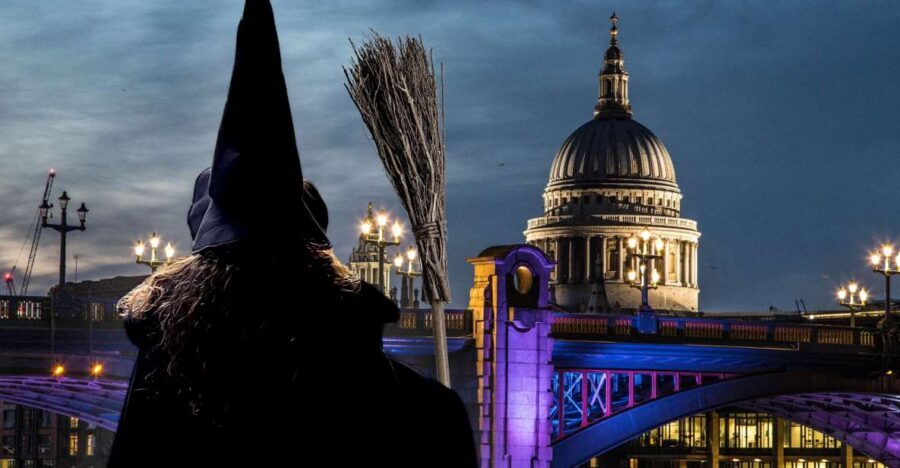
Your first stop is Southwark Cathedral, and the guide uses it as more than a backdrop. Expect stories that connect the cathedral area to London’s long-running belief systems and social tensions, not just generic “this is old” sightseeing.
What I like about starting with the cathedral is that it sets expectations. You’re not on a jump-scare haunted walk. You’re on a guided history walk where the witch theme becomes a way to talk about fear, rumor, power, and punishment in real communities.
Borough Market edges and the sense of everyday London
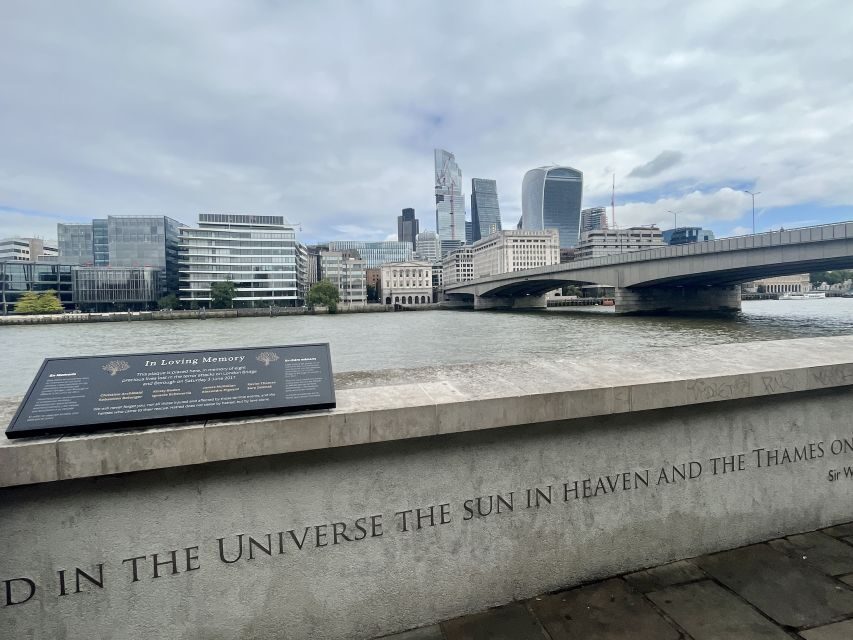
After the cathedral, you’ll spend time in the orbit of Borough Market. You likely won’t be spending a long time browsing stalls, but you do get that feeling of local London life nearby—past and present sharing the same streets.
This is a key pacing moment. The tour keeps moving, so you avoid the trap of standing too long in one place. You get a break from pure “dark history” mood while still staying in the witch-and-history frame.
If you’re the type who likes to snack while you sightsee, consider grabbing something nearby before or after. The walking time is short enough that a full meal doesn’t fit well mid-tour, but a quick bite can help you enjoy the whole 75 minutes.
The Golden Hinde: a Tudor ship with real presence
One of the standout stops is The Golden Hinde, the Tudor-era ship that adds a physical anchor to the time period being discussed. When a tour connects witch stories to the world people lived in—trades, voyages, everyday hardship—the details land better.
Even if you’re not a maritime history person, a ship like this gives you scale. You can look at it and instantly visualize how London’s economy and global reach shaped society. That matters when the guide moves from names and accusations into the bigger “why people believed” question.
Winchester Palace ruins: history that feels broken on purpose
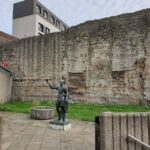
Next comes Winchester Palace, discussed as ruins and remnants. This kind of stop can be frustrating on some tours, because ruins can feel vague if the guide doesn’t do the work for you. Here, the guide role is crucial: the narration helps you see what you’re looking at rather than just admiring old stone.
This is also where the route starts to feel more like Bankside proper. The streets and sightlines shift from “tourist core” into a more lived-in older London feel, which makes the witch stories feel less like a theme park and more like social history.
You can also read our reviews of more historical tours in London


Clink Prison Museum: the dark turn you remember
The most emotionally sharp stop is the Clink Prison Museum, the notorious medieval prison. The tour description leans into the moment, and that makes sense. When you arrive at a prison site, the witch trials stories stop being abstract and start feeling immediate.
What makes this moment work is the way the guide balances drama with context. You’ll hear about suspected witches and the machinery behind persecution, and the setting supports the story without needing extra theatrics.
If you’re sensitive to grim topics, you’ll probably handle this fine because the overall walk stays light enough to keep it moving. But this is clearly the point where the tour turns darker.
Shakespeare’s Globe and Bankside drama
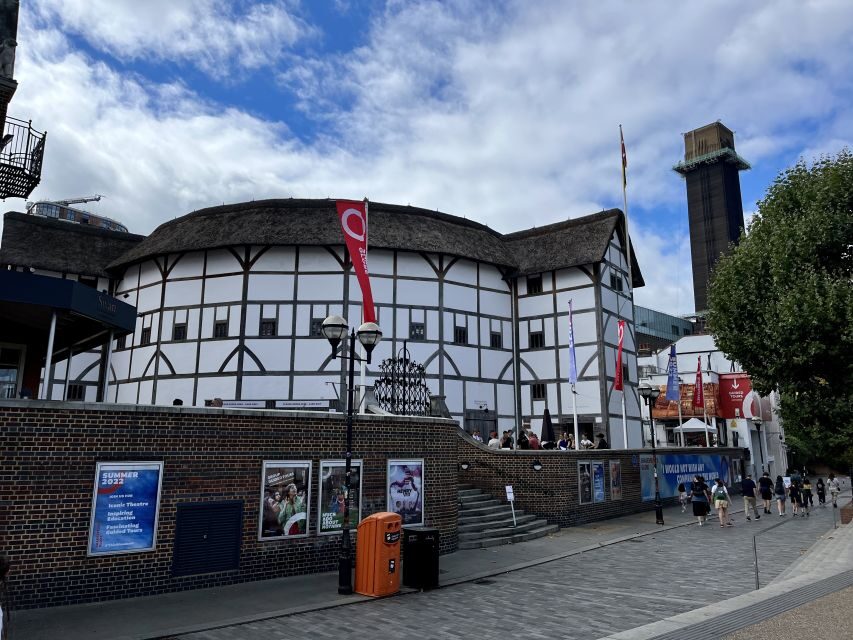
After the prison, the tour moves toward Shakespeare’s Globe Theatre and the Bankside river stretch. This is a clever switch in tone. Witchcraft stories and Shakespeare-era England sit in the same cultural landscape of rumor, superstition, and public performance—whether you’re watching plays or hearing accusations.
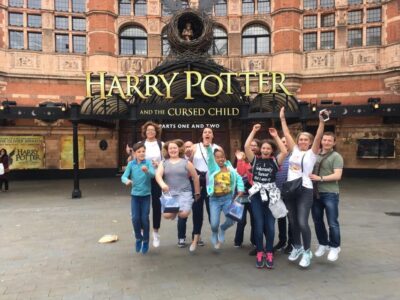
You might also spot filmmaking connections the guide points out, including possible links to Harry Potter scenes along the way. Even if you don’t catch them, the point is that Bankside has a long tradition of stories being staged here.
This section also helps you understand the city’s layers. You’re not just walking past famous buildings. You’re moving through places where London’s storytelling—stagecraft, politics, fear—keeps showing up in different forms.
Thames views: Millennium Bridge to St Paul’s Cathedral
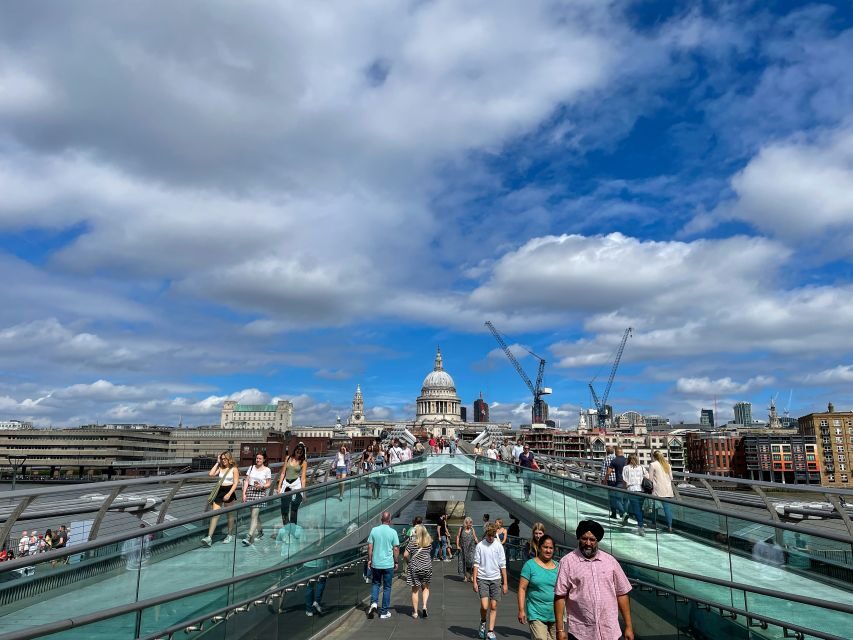
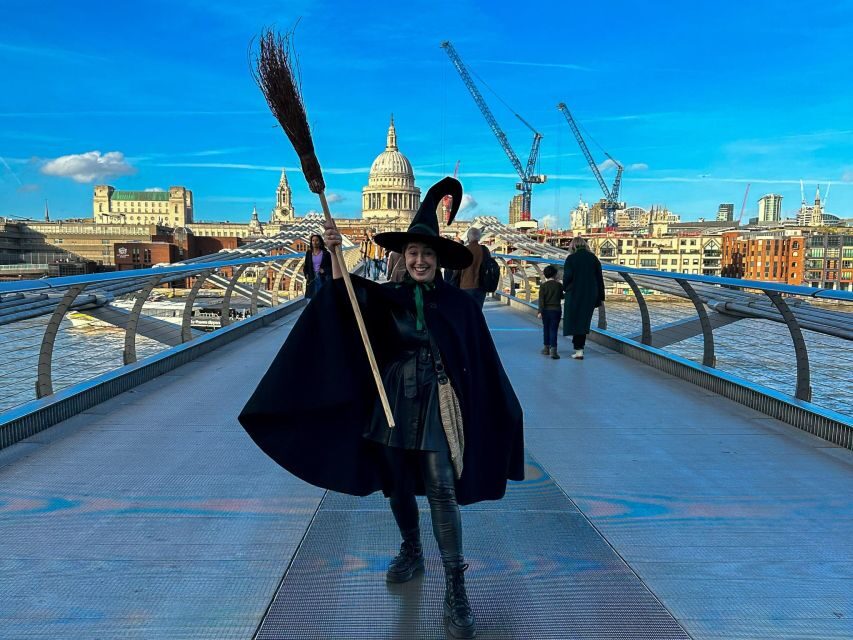
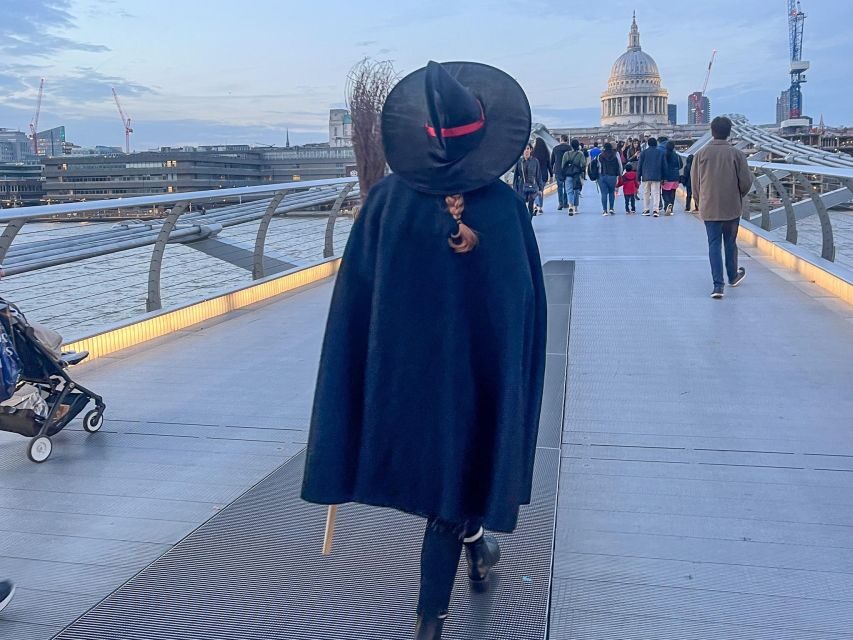
The tour then follows the River Thames area, with a highlight at Millennium Bridge. River walks can get boring fast if the narration is weak, but the witch-and-history angle gives you something to focus on: the guide keeps tying what you see to what London believed, feared, and punished.
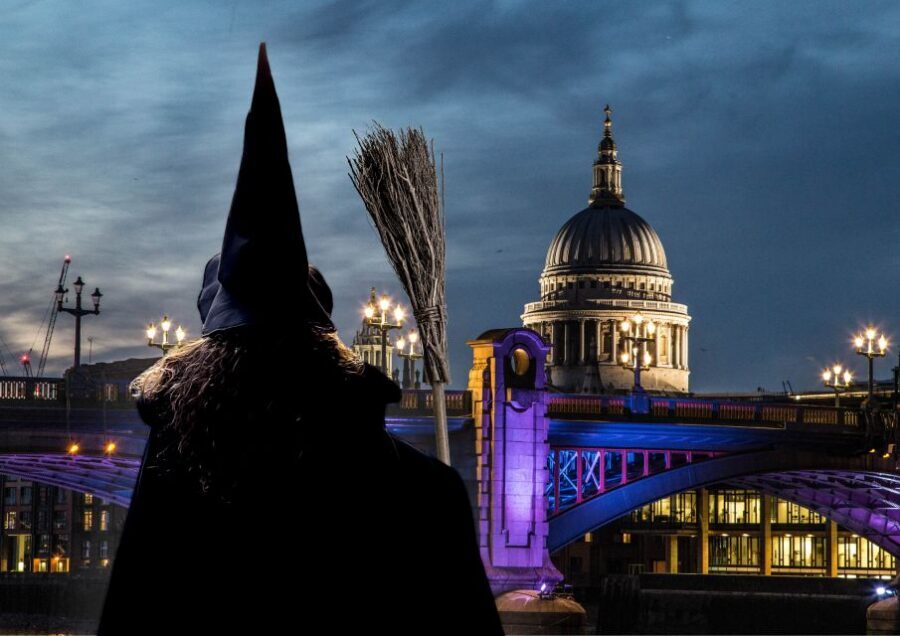
Finally, you end near St Paul’s Cathedral. If you’re a first-time London visitor, this matters. You finish with a skyline icon that anchors the whole walk. It’s a strong closer because it turns your route into a complete loop: old streets, prison history, stage connections, then the grand city view.
The finish point is at 101 Queen Victoria Street (EC4V 4EH), which is practical for heading onward by transit or on foot.
How the guide performance shapes the whole experience
This tour lives or dies on the guide. And in the guide lineup you’ll see names like Gary the Grey, Witch Veronica, and Beatrix, the best common trait is character with clarity. The humor isn’t random, and the history isn’t dumped in a lecture tone.
You’ll hear stories about named figures such as:
- Nicholas Culpepper, where the question of herbal medicine and reputation gets center stage
- Elizabeth Barton, presented as a figure people argued over
- Jinny Bingham, tied to the nickname Mother Damnable
- Old Joan Butts, connected to the idea of getting off Scot-Free
The point isn’t that every detail will match your personal beliefs. The point is that you’re learning how stories spread and how people got labeled. It’s also where you learn that witchcraft persecution wasn’t just about magic. It was tied to social power, gender expectations, and public fear. Some guides also point out how sexism shaped the persecutions without making the tone feel like a lecture.
Also, the guide style tends to be interactive. If you’ve got kids with you or you just enjoy asking questions, this format usually works well because it invites back-and-forth instead of a one-way talk.
It’s short, so use the time wisely
Because it’s only 75 minutes, your success depends on how you show up. If you come in expecting a long, document-heavy seminar, you might feel impatient. But if you’re happy with a story-driven walk that points you at the places where history happened, you’ll feel like the tour did what it promised.
Here’s how to get more out of it:
- Stand close enough to hear every line, especially near the Clink
- Ask one question you genuinely want answered rather than trying to collect everything
- Take photos, but don’t let them steal your attention at the prison and cathedral moments
Price and value: why $24 can make sense in London
At $24 per person for a 75-minute guided walking tour, the value is less about “bargain” and more about “time well spent.” In London, transportation, museum entry, and long tours add up fast. This one packages the experience: an in-character live guide plus a short walk linking major points you’d otherwise spend separate time tracking down.
You’re also paying for the delivery method. A costumed guide isn’t just costume; it’s a storytelling device. When it’s done well, it turns street corners into narrative anchors, and that’s what you’re buying.
Who this tour fits best
This works best if you like:
- Spooky-but-educational city walks
- Storytelling that includes names, rumors, and social context
- Short outings that fit a tight sightseeing schedule
It also looks like a solid family option. Guides manage questions well, and the pace isn’t built on long distances or heavy climbing.
If you’re someone who only wants strictly academic history and wants every claim fully footnoted, you might find the witch folklore angle a little too theatrical. But if you’re open to learning how belief systems functioned in the past, you’ll probably enjoy the experience.
Wheelchair access is supported with a route that can be arranged by request in advance, and the tour runs outdoors in rain or shine.
Should you book this London witches and history walk?
I’d book it if you want a short, story-led way to see Southwark and Bankside that connects famous sites with darker, human-scale history. The Clink Prison Museum stop alone makes it worth considering, and the combination of Globe and St Paul’s gives you a satisfying arc from grim to iconic.
Skip it if you need a long, quiet, research-heavy format or if you dislike outdoor walking in bad weather. Also, if you hate spooky themes, you may not love the tone at the Clink.
If you’re the kind of traveler who likes London best when it feels slightly off-script—when the streets become characters—this is a good match.
FAQ
FAQ
How long is the London Witches and History Bankside Walking Tour?
It lasts 75 minutes.
Where do I meet the guide?
Meet at Southwark Viewpoint, Minerva Square, opposite Southwark Cathedral’s entrance (London SE1 9DF).
Where does the tour finish?
The tour finishes at 101 Queen Victoria St, London EC4V 4EH.
How much does it cost?
The price is $24 per person.
Does the tour run in rain or shine?
Yes. The tour takes place in rain or shine, since it is an outdoor walking tour.
Is the tour wheelchair accessible?
Yes. It is wheelchair accessible, and a wheelchair accessible route can be arranged by request in advance of booking.
Can I reserve now and pay later, and is there free cancellation?
Yes. You can reserve now & pay later, and you can cancel up to 24 hours in advance for a full refund.
If you want, tell me your travel dates and whether you’re going with kids or anyone with mobility needs, and I’ll help you pick a smart time window and packing checklist for the weather.