REVIEW · LONDON
London: Medieval History Walking Tour from The Tower
Book on GetYourGuide →Operated by The Sights of London Tour · Bookable on GetYourGuide
Medieval London is closer than you think. Start at Tower Hill and you’ll get the big picture of the Tower of London in a way that actually sticks, then carry it with you across the river. I love how the guide turns centuries into a clear timeline you can follow without feeling lost.
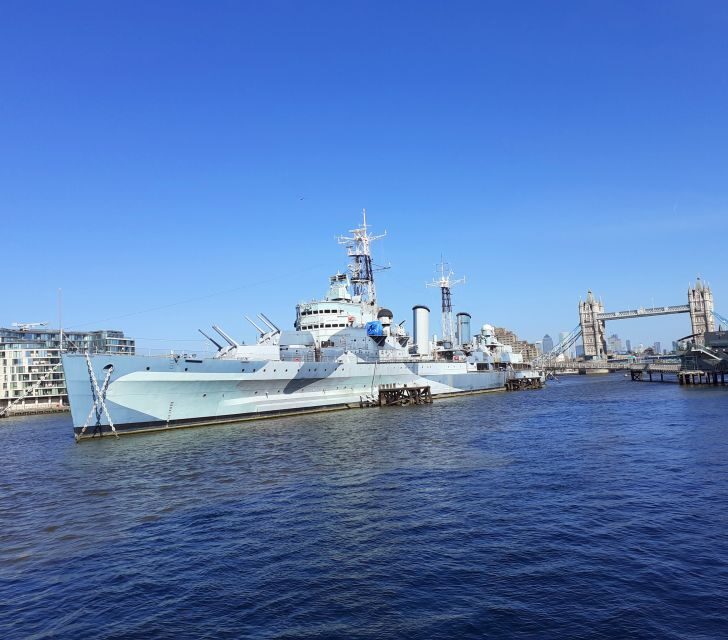
I also like the variety of scenes packed into one walk. You’ll stand by HMS Belfast for its D-Day connection, then shift to Shakespeare’s riverside world at Shakespeare’s Globe and see how power, religion, and culture all lived side by side.
One consideration: it runs rain or shine, and you’ll be on your feet for the full two hours, so comfy shoes are not optional.
In This Review
- Key things I’d circle on your plan
- Tower Hill start: finding the guide and setting your medieval frame
- Tower of London: the 1000-year story that makes the walls make sense
- Tower Bridge crossing: how the Thames got its most recognizable span
- HMS Belfast and London Bridge: from royal walls to wartime pressure
- Borough Market, Southwark Cathedral, and The Golden Hinde: medieval life beyond castles
- Winchester Palace and Shakespeare’s Globe: where medieval authority meets theatre
- Walking the Thames toward St Paul’s: why the end feels like a finale
- What makes the pace work in 2 hours
- The guide matters: story context, answers, and humor
- Price and value: $24 for a high-stop Thames route
- Who should book this medieval Thames walking tour
- Should you book this tour from the Tower?
- FAQ
- Where do I meet the guide for the London Medieval History Walking Tour from The Tower?
- How long is the tour?
- What are the main sights included on the walk?
- Will the tour run in bad weather?
- Is the tour wheelchair accessible?
- What should I bring?
Key things I’d circle on your plan
- Tower Hill meetup with a flag-pole guide so you can start confidently
- Tower of London context that explains why this site mattered for centuries
- Tower Bridge build story as you cross one of London’s most iconic spans
- HMS Belfast and WW2 stakes right along the Thames
- Winchester Palace + Globe Theatre linking medieval power and theatre culture
- St Paul’s Cathedral finish that gives your walk a dramatic, city-scale ending
Tower Hill start: finding the guide and setting your medieval frame
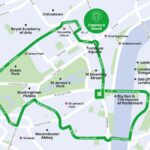
The tour begins at Tower Hill, outside the western exit of the tube station. Look for the guide holding a flagpole with a flag flying from it, near Trinity Square and close to the Citizen M Hotel and the Tower Hill Tram burger van. It’s a straightforward meeting spot, and having that flag in view makes it easy to latch on right away.
From the first minutes, you’re not just looking at old buildings. You’re learning how the river, the port, and the royal stronghold shaped what London did next. That matters, because once you understand the Thames as a working artery, every stop on the route feels less random.
The group walks in all weathers, so dress like you mean it. Bring comfortable walking shoes and plan for damp pavement if it’s wet, because this is a “step-by-step” experience, not a ride where you can sit and scroll past the view.
You can also read our reviews of more walking tours in London



Tower of London: the 1000-year story that makes the walls make sense
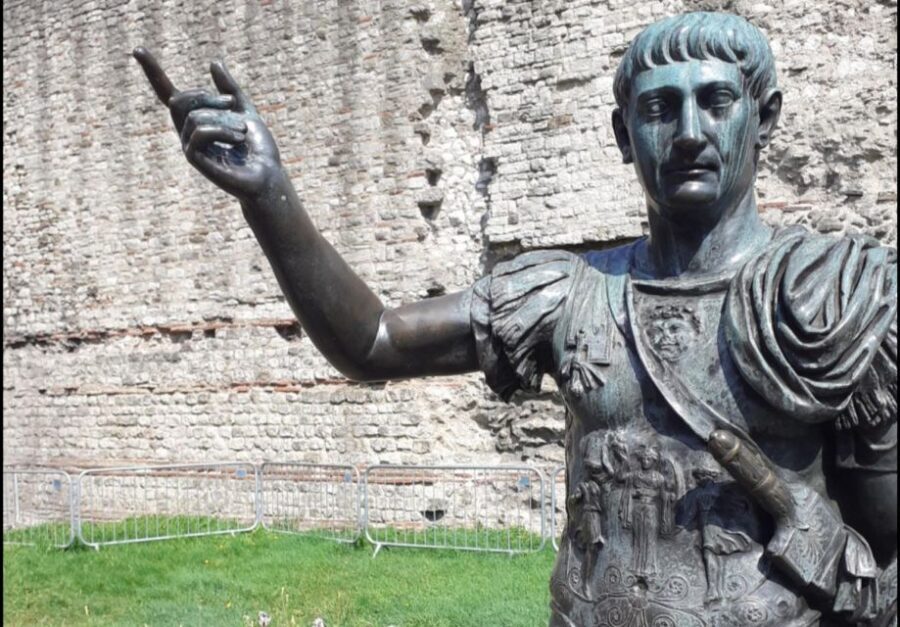
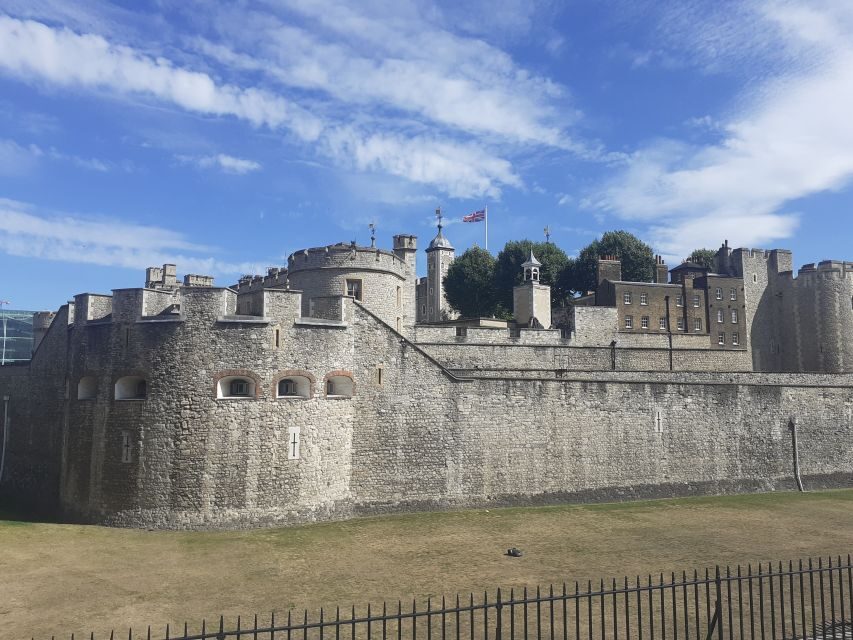
You’ll first get your bearings by the Tower of London, where the scale alone is jaw-dropping. But the real payoff is hearing how the site stretches back for roughly a millennium, not just as a tourist landmark, but as an engine of control. The Tower wasn’t only a prison or a fortress in people’s imaginations. It was a place tied to authority, defense, and the shifting politics of London over time.
This is where the tour’s “expert historian” style shows. The guide connects details to bigger themes—who held power, why the river mattered for access and supplies, and how decisions played out on the ground. If you enjoy asking questions, this is also the stage where the guide can use examples to answer them clearly.
Practical tip: if it’s crowded around the Tower area, keep your eyes up and listen. You don’t need to stare at every wall texture to understand the story; you’re absorbing the reasons behind it.
Tower Bridge crossing: how the Thames got its most recognizable span
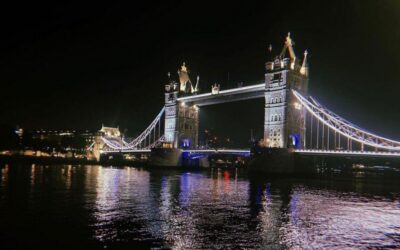
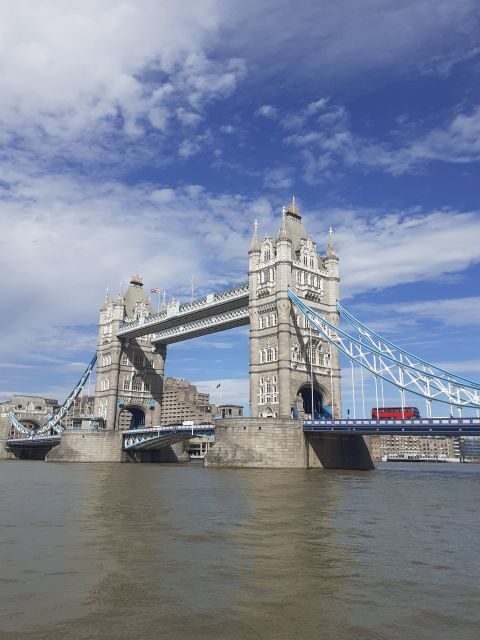
Next you cross Tower Bridge, and the tour doesn’t treat it like a photo stop. You’ll hear how it was built and why it belongs in the same story as the Tower nearby. That’s a smart way to travel, because it links medieval geography to modern engineering rather than making them feel like separate worlds.
Even though Tower Bridge is from a more recent era than the Tower, it sits in the same crucial setting: a major river crossing at a narrow, high-stakes point. Once you understand that, you start to see how London keeps reinventing itself in the same physical locations.
Photo note: you’ll have chances to frame the bridge and the river, but the best photos usually come when you pause and let the guide finish a key explanation. Stand still for 30 seconds, listen, then snap. You’ll get a better angle because you know what you’re looking at.
HMS Belfast and London Bridge: from royal walls to wartime pressure
After the bridge, you shift toward HMS Belfast, a museum ship with a major role in WW2, including participation in the D-Day landings. It’s a powerful contrast after medieval stone and royal authority. Suddenly the Thames feels like logistics—ships, movement, and strategy—rather than only spectacle.
Then you pass London Bridge, another reminder that this river crossing has always been about more than getting from A to B. The Thames has always been tied to trade, defense, and the ability to project power. Hearing the story of the bridge and the ship in sequence makes the river feel continuous, not layered.
If you care about military history, you’ll likely appreciate that the tour doesn’t stop at naming events. The guide’s job is to explain how the river setting connects to the broader story of conflict and protection. If you ask a question that’s a little niche, this is the kind of tour where your guide can usually connect it back to real context.
Borough Market, Southwark Cathedral, and The Golden Hinde: medieval life beyond castles
The tour moves from power to people—how London ate, prayed, worked, and entertained itself. You’ll pass Borough Market, described as an ancient market area, and it’s one of those spots where the present is built on older rhythms. Even from outside or while passing through, it’s easy to see why food and commerce belonged right here by the river.
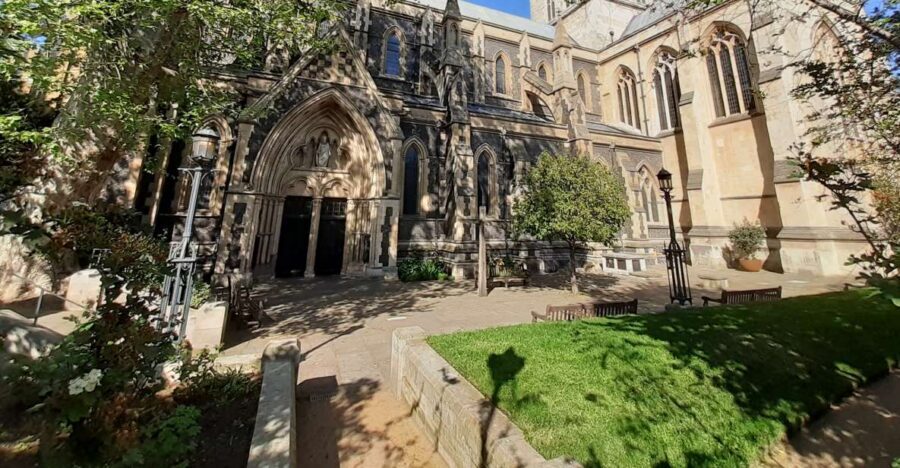
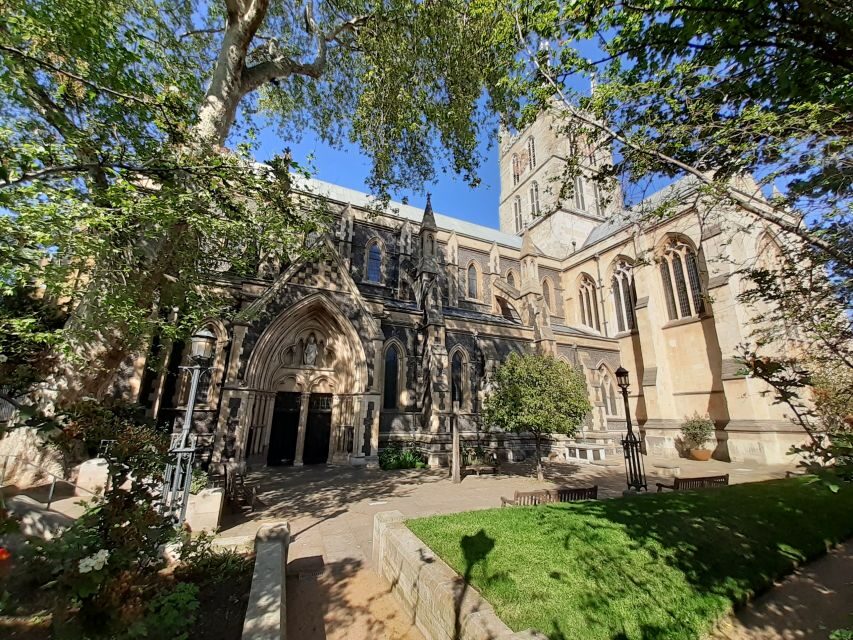
Then comes Southwark Cathedral (noted as a 15th-century landmark). Southwark is historically tied to the opposite side of the city’s official narratives, and the cathedral helps explain how religion and local community mattered right alongside court politics.
After that, you’ll see The Golden Hinde, an exact replica tied to Sir Francis Drake’s voyage. This is a clever stop because it gives you a different lens on the medieval-to-early-modern transition: exploration, shipping, and reputation. It also helps connect the Thames to London’s wider role in the wider world.
If you’re the type who usually skips “passing stops” on walking tours, don’t. This part of the walk is where the tour stops feeling like a list and starts feeling like everyday London.
You can also read our reviews of more historical tours in London





Winchester Palace and Shakespeare’s Globe: where medieval authority meets theatre
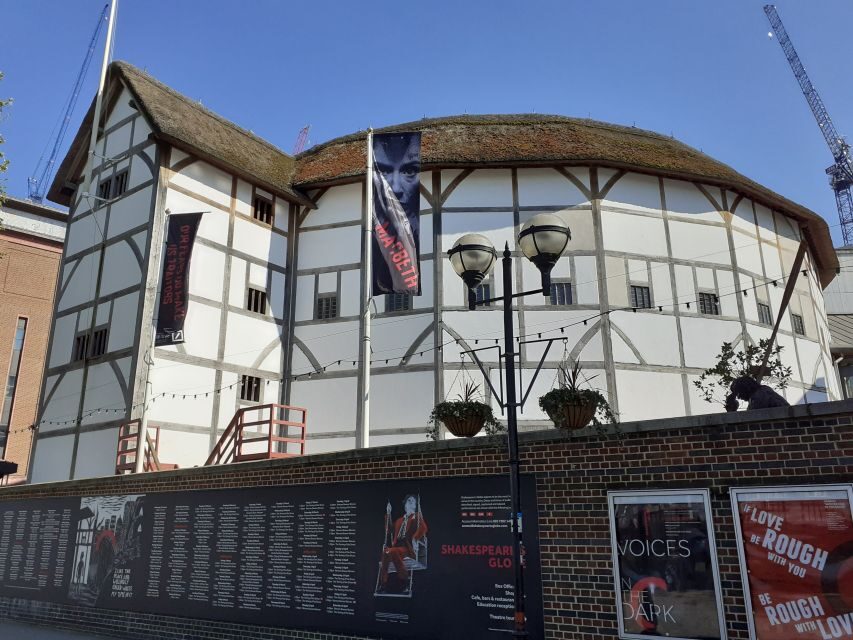
One of my favorite parts of this kind of walking route is when the guide connects institutions that you’d assume are separate. Here, Winchester Palace (noted as 12th-century) brings you back to a time when powerful residences and political influence were tightly linked to London’s geography.
From there, the route leads you to Shakespeare’s Globe Theatre, a famous riverside site. Theatre might sound like a break from “serious” history, but the tour’s value is that it explains why performance belonged in the same city that ran on power struggles and public life. Shakespeare’s world wasn’t floating in isolation; it was tied to the people who lived, worked, and argued in London’s streets.
This is also one of the best stretches for people who like culture as history. You’ll walk in the same broad orbit as Shakespeare’s London—then learn how that orbit formed and why it was shaped by the river and by institutions along the way.
Walking the Thames toward St Paul’s: why the end feels like a finale
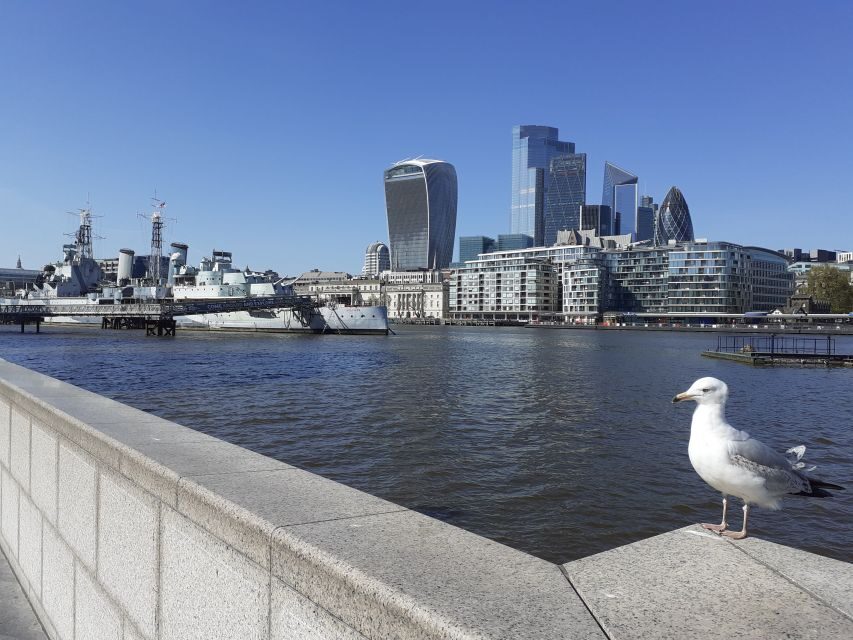
As you continue along the River Thames, you get more of the river as a moving thread. That’s important because it ties together earlier stops: the Tower’s grip, the bridge’s crossing logic, the ship’s strategic purpose, and the market’s everyday demand.
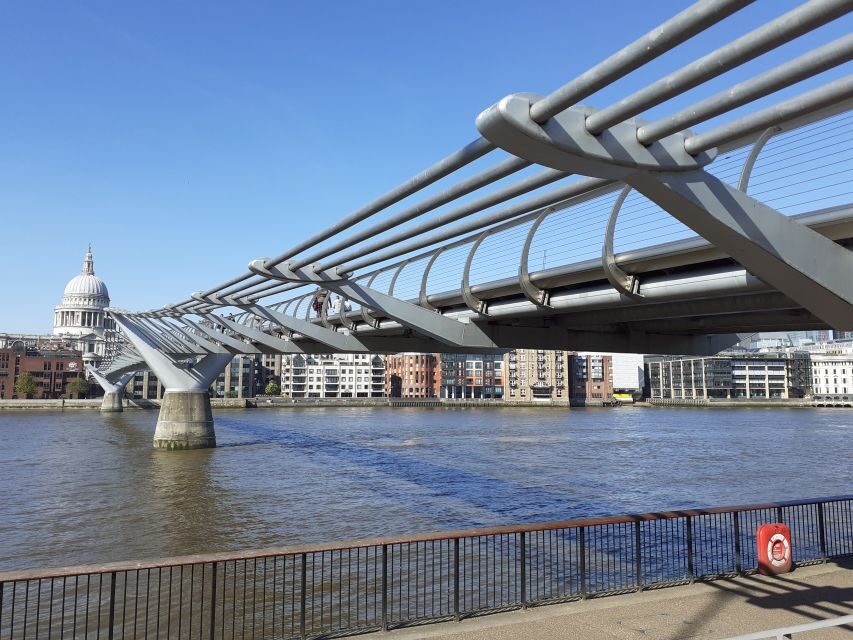
You’ll also pass Millennium Bridge, a modern landmark that helps underline a key point: London keeps layering new chapters over the same old corridor. The city changes its architecture, but it keeps returning to the river as its backbone.
Then the tour finishes at St Paul’s Cathedral, a grand payoff after a long string of specific sites. St Paul’s feels like a moment where the scale of London comes into focus—so even if you’re mainly there for medieval history, you end with a sense of how the city’s story expands forward.
If you still have energy, use the finish point to plan a short self-guided wander around nearby streets. You’ll recognize more of the city’s “why” once you’ve learned the Tower-to-Thames-to-cathedral chain.
What makes the pace work in 2 hours
A tight schedule can go one of two ways: either you feel rushed, or you feel guided. This one tends to feel guided. You cover a lot of ground, but the stops are chosen so you get a story at each one, not just a name and a photo.
Because the tour is only two hours, it’s best for people who want a strong first connection to London’s medieval-era setting without committing to a half day. It’s also a solid choice for repeat visitors, because you’re not just collecting the biggest landmarks—you’re getting the “how it connected” angle that makes you notice new details on later visits.
Bring water if it’s warm, but keep it simple. The main thing is comfort: you’ll be standing at multiple points along the route, and crowded sections near major landmarks can make it harder to hear unless you keep your position and focus on your guide.
The guide matters: story context, answers, and humor
What elevates this tour is the way the guide teaches. The style is not just dates and facts. The guide’s focus is on politics, religion, and daily life, with explanations that keep the “bigger picture” easy to follow. You’ll also be encouraged to ask questions, and the answers tend to connect back to what you’re seeing in front of you.
Many groups mention guides like Mick Priestly by name, especially for storytelling that feels natural and engaging rather than rehearsed. You might also notice a visual element—some guides use a photo portfolio with archival images to show how places looked earlier, which is a great way to make buildings feel less abstract.
If you like a tour where you can keep asking follow-ups, this format works well. The guide is patient, and the pace is moderated so the group can keep up and still absorb what’s being said.
Price and value: $24 for a high-stop Thames route
At around $24 per person for two hours, this tour is good value because it bundles an expert guide with a dense set of major sites along the Thames. You’re not paying for a single landmark. You’re paying for a guided explanation that links many landmarks into one coherent walk: the Tower, Tower Bridge, HMS Belfast, Borough Market, Southwark Cathedral, The Golden Hinde replica, Winchester Palace, Shakespeare’s Globe, the Thames itself, Millennium Bridge, and St Paul’s.
On a per-hour basis, that adds up fast. Even if you plan to visit a few of these on your own, doing it with a guide saves you time and reduces the guesswork of what to look for. And because the walk is compact, you’re getting a lot of context without spending your whole day commuting or switching between multiple transit stops.
This is also a budget-friendly option compared with doing everything as separate paid attractions. You won’t get the same depth as an indoor museum visit at every stop, but you’ll get the connective tissue that makes later visits more meaningful.
Who should book this medieval Thames walking tour
This fits you if:
- You want medieval London context without a lecture vibe.
- You like walking tours that connect sites to themes like power and everyday life.
- You’re into British culture, including Shakespeare, and you want it tied to real geography.
- You want a short, high-impact outing that works even if you’re only in London for a couple days.
It might be less ideal if:
- You hate walking in crowds or standing for long stretches.
- You’re hoping for a slow pace with minimal travel between stops.
That said, the route is wheelchair accessible, and the guide tends to pace in a way that keeps the group together. If mobility is a concern, wear supportive shoes and consider moving slowly through busier crossings.
Should you book this tour from the Tower?
If you want a smart introduction to medieval London that also explains how later eras (like WW2 and modern bridge engineering) still tie into the same river corridor, this is an easy yes. The stops are major, but the real win is the storytelling that connects them—so you leave with a mental map, not just photos.
My advice: book it early in your trip. Once you’ve learned why the Tower and the Thames matter, you’ll start seeing the city’s logic everywhere else.
FAQ
Where do I meet the guide for the London Medieval History Walking Tour from The Tower?
Meet outside the western exit of Tower Hill tube station, near Trinity Square, the Citizen M Hotel, and the Tower Hill Tram burger van. The guide will be holding a flagpole with a flag flying from it.
How long is the tour?
The tour lasts 2 hours.
What are the main sights included on the walk?
You’ll pass or visit landmarks such as the Tower of London, Tower Bridge, HMS Belfast, London Bridge, Borough Market, Southwark Cathedral, The Golden Hinde, Winchester Palace, Shakespeare’s Globe Theatre, the River Thames, Millennium Bridge, and St Paul’s Cathedral.
Will the tour run in bad weather?
Yes. The tour takes place in all weathers, rain or shine.
Is the tour wheelchair accessible?
Yes, the tour is wheelchair accessible.
What should I bring?
Bring comfortable shoes and weather-appropriate clothing.