REVIEW · LONDON
London: Churchill and World War 2 Walking Tour in London
Book on GetYourGuide →Operated by See The Sights Tours · Bookable on GetYourGuide
Churchill’s London still feels close. This 150-minute walk ties Winston Churchill’s life to the places where wartime decisions, sacrifice, and public memory still show up in stone, names, and monuments. You move through the heart of government and then shift into remembrance, so the story lands in both power and people.
What I like most is how you get to see real-world “command centers” like 10 Downing Street and the Ministry of Defence area, then connect that to the emotional side of the war at sites like the Cenotaph and the Women of World War II Memorial. If you’re lucky enough to get a guide like Adam, his way of linking Churchill’s personal story to the events leading up to WWII makes the route feel tight and meaningful instead of like a list of stops.
One thing to consider: it’s a walking tour, and it’s not set up for people with mobility impairments, wheelchair users, or low fitness. Also, the finish at Churchill War Rooms is exterior only, so if you want to go inside, you’ll need separate entry planning.
In This Review
- Key things to know before you go
- Starting at Embankment Pier Exit: where the tour begins
- Whitehall stops: Downing Street, Ministry of Defence, Cabinet Office, and HM Treasury
- Paying respects: Cenotaph and the Women of World War II memorial
- Battle of Britain and the big Parliament photo moments
- St Margaret’s Church and Churchill’s favourite pub: the personal side of the leader
- Churchill War Rooms finish (exterior only): what to do next
- Price and pacing: is $18 worth it for 150 minutes?
- Who should book this Churchill and WWII walking tour?
- Should you book this tour?
- FAQ
- Where does the Churchill and World War 2 walking tour start?
- How long is the tour?
- How much does it cost?
- What are the main included sights?
- Is entry to Churchill War Rooms included?
- Is the tour guided?
- What language is the tour in?
- Are large bags or luggage allowed?
- Is the tour suitable for wheelchair users or people with mobility impairments?
- Does the tour offer free cancellation or flexible booking?
Key things to know before you go
- 150 minutes through the Churchill and WWII “power to remembrance” route
- Downing Street, Ministry of Defence, Cabinet Office, and HM Treasury views
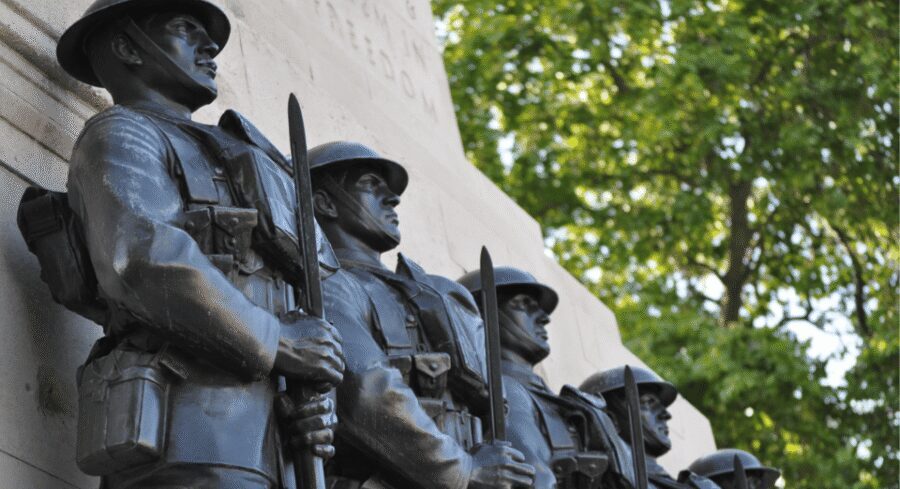
- Battle of Britain memorial stop with bravery-focused stories
- Cenotaph and Women of World War II Memorial for proper reflection
- Churchill statue and Parliament/Big Ben views in one sweep
- St Margaret’s Church and Churchill’s favourite pub for the human side
Starting at Embankment Pier Exit: where the tour begins
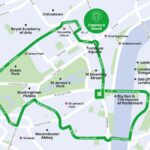
The tour meets at Embankment Station, at the Embankment Pier Exit. Go inside the station, look for the signposted exit, and watch for your guide holding a yellow umbrella.
This is a smart start point if you like getting oriented quickly before you commit to a concentrated 150 minutes on foot. You’ll be walking through central London, so wearing comfortable shoes matters more than you’d think.
Because this is a guided walk, you’re not just looking at landmarks. You’re getting the “why this place matters” thread from the people who guide the route.
You can also read our reviews of more walking tours in London



Whitehall stops: Downing Street, Ministry of Defence, Cabinet Office, and HM Treasury
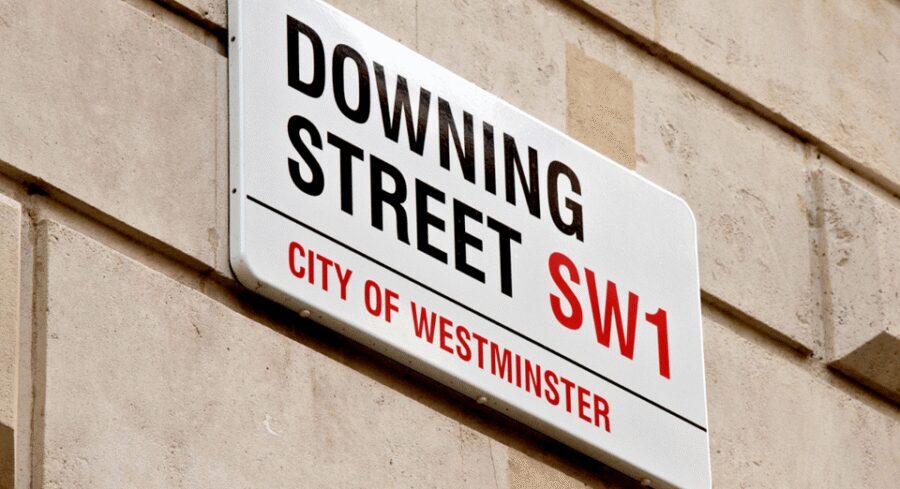
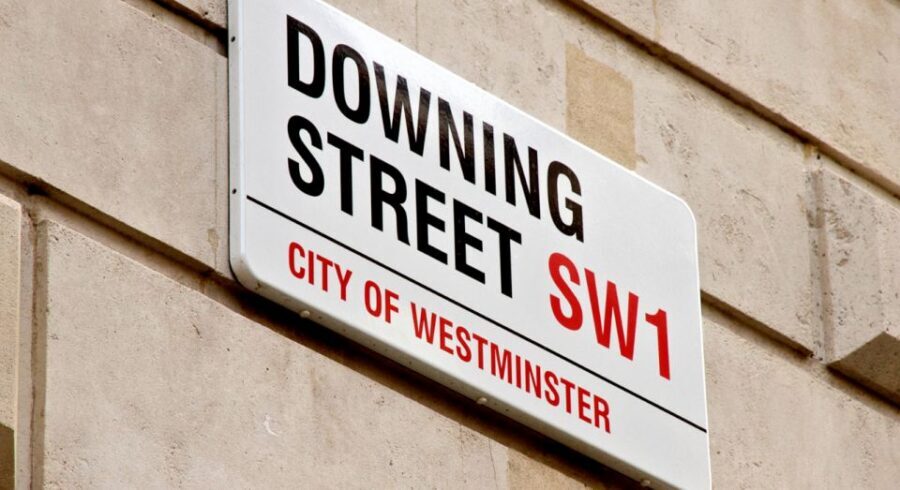
The core of the experience starts with Churchill’s political and wartime setting. You’ll see 10 Downing Street, the centre of British government and Churchill’s headquarters during the war period.
From there, the walk keeps tightening around wartime administration. You’ll pass the Ministry of Defence, where key military decisions were made, and also the Cabinet Office, with its role in government planning and coordination. You’ll even see HM Treasury, which matters because war isn’t only fought with pilots and soldiers. It’s also run through budgets, priorities, and national resources.
What I like about this section is that it helps you picture how the war was managed day to day. Instead of treating WWII like something that happened “out there,” the stops keep bringing you back to the decisions made within government walls.
Practical note: these areas are busy and public. You’ll want to stay with the group and keep your phone handy for photos, but don’t expect stop-and-start wandering off script.
Paying respects: Cenotaph and the Women of World War II memorial
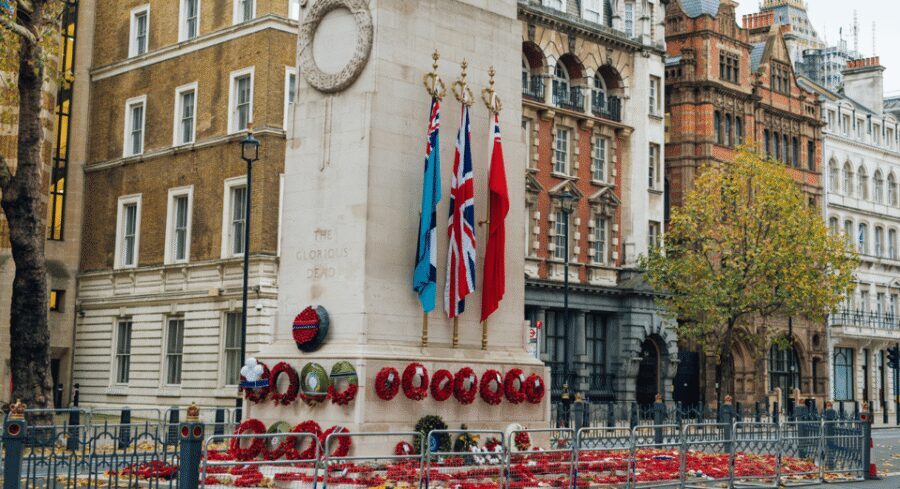
After the government stops, the tone shifts in the best way. You’ll reach the Cenotaph, widely seen as Britain’s key war memorial, and it’s the kind of place where your eyes naturally slow down. It’s about remembering lives lost in the two World Wars.
Next you’ll visit the Women of World War II Memorial, which places focus on the vital roles women played during the conflict. This matters because it corrects the common habit of thinking WWII stories are only about the battlefield.
Together, these stops do something important for your understanding. They turn “history” into acknowledgement. You can’t walk through places like this on autopilot, and the guide’s framing helps you notice what the memorials are designed to communicate.
If your goal is to leave with a more complete picture of WWII, this section is one of the strongest reasons to take the tour. It balances the politics with the human cost and the human contribution.
Battle of Britain and the big Parliament photo moments
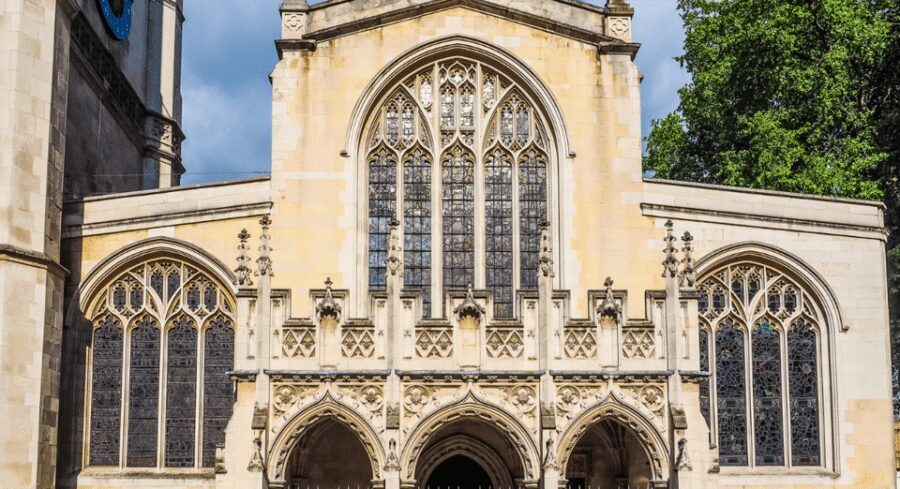
Then you’ll head toward the iconic sightline zone where Churchill’s legacy visually connects to Britain’s public face. You’ll see the Battle of Britain Memorial, a tribute to the pilots who defended Britain. Expect the guide to focus on bravery and courage, and to connect the memorial to what was at stake.
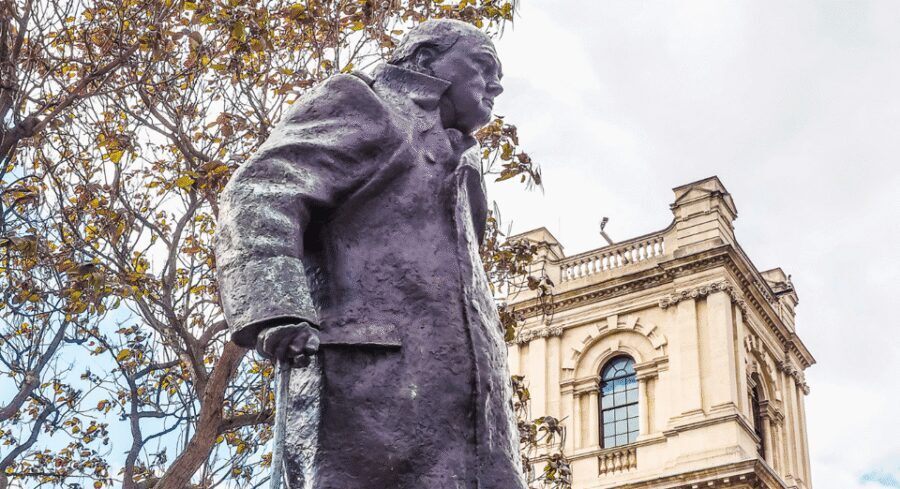
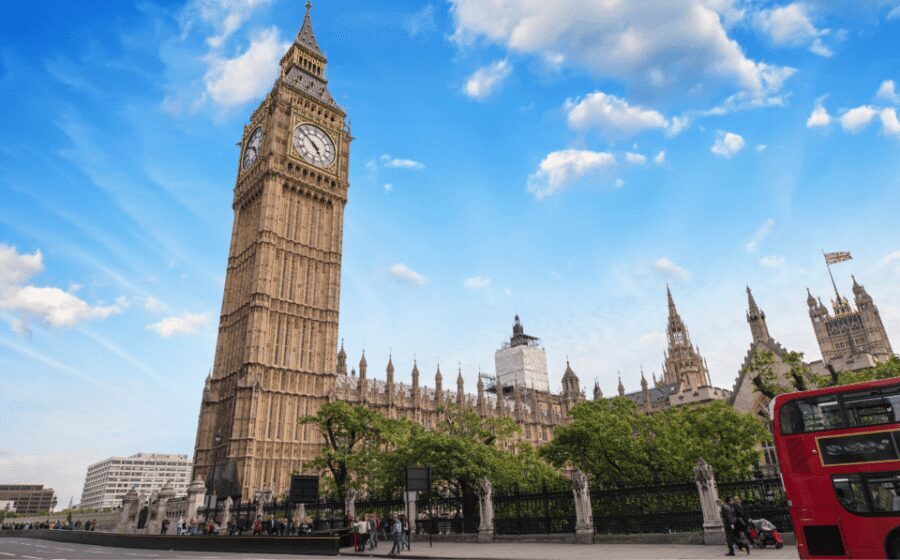
From there, you’ll spot the Churchill statue overlooking the Houses of Parliament and Big Ben. It’s a classic London scene, but this time it’s not just postcards. With the tour context, you’re reading the view like a timeline: leadership, survival, and remembrance all in one frame.
This is also where the tour earns its “follow in Churchill’s footsteps” promise. The statue isn’t the only point. The placement—overlooking Parliament—makes it feel like Churchill is part of the story Britain tells about itself.
Tip for photos: aim for clear sightlines, then listen while the group stays positioned. The guide’s commentary is timed to help you understand what you’re looking at, not just what’s in view.
St Margaret’s Church and Churchill’s favourite pub: the personal side of the leader
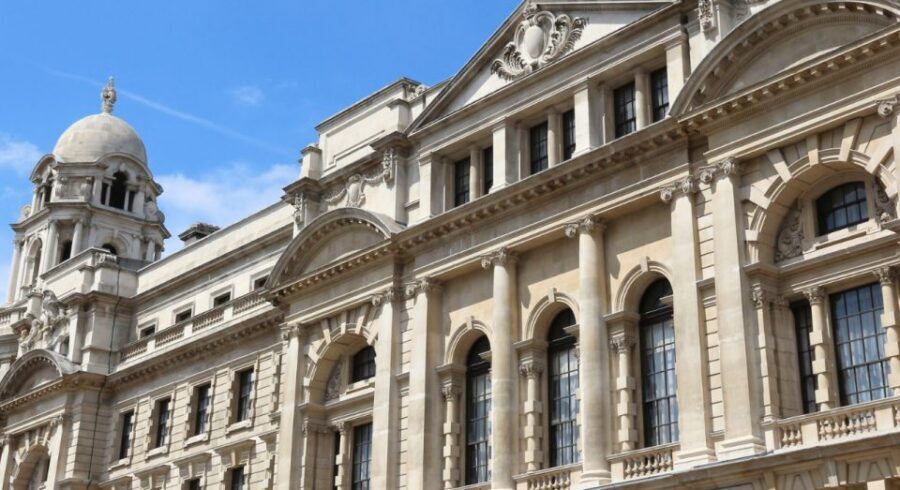
One of the best surprises on this route is how it brings Churchill down from monument scale. You’ll visit St Margaret’s Church, where Winston Churchill married Clementine Hozier. That single detail changes the stop from “another landmark” into a place with direct personal meaning.
You’ll also pass Churchill’s favourite pub, where you’ll learn about the man behind the leader and his connection to London’s traditional drinking establishments. It’s a small slice of life, but it helps you understand how Churchill moved through London as a person, not only as a symbol.
This section works well if you like history that feels human. You get the sense that leadership isn’t only speeches and offices. It’s routines, relationships, and the places that shaped day-to-day thinking.
One consideration: pubs are public areas with foot traffic. The guide’s role here is more about storytelling than lingering. So keep your expectations focused on learning, not hanging out for drinks.





Churchill War Rooms finish (exterior only): what to do next
The tour ends at Churchill War Rooms, with exterior only viewing. That means you get the emotional and visual “arrival moment,” but you don’t get entry during this specific tour.
Still, the finish is well chosen. Ending underground-themed sights right after you’ve walked through decision-making landmarks and memorial space creates a clean mental arc: from authority, to sacrifice, to strategy.
If Churchill War Rooms are your main “must do,” this tour can be a great prelude. You’ll likely leave with enough context to make the interior visit feel more purposeful.
And if you’re someone who wants just a guided taste of this part of London, the exterior finish keeps the tour time tight and avoids a long museum detour.
Price and pacing: is $18 worth it for 150 minutes?
At $18 per person for about 150 minutes, this tour is priced for accessibility. You’re paying for a professional live English-speaking guide plus a concentrated route with major landmarks included in the walking portion.
What makes the value feel real is the mix of sites. You’re not paying to stand in one place for an hour. You’re moving through government power points, official memorials, and standout Churchill-linked sights like the statue and St Margaret’s Church.
Also, the tour includes many specific stops such as Downing Street, the Ministry of Defence, the Cenotaph, the Women of World War II Memorial, HM Treasury, and the Battle of Britain memorial. Those are the kind of landmarks that are hard to connect properly on your own unless you’ve already done homework.
The main “value trade-off” is the same one many walking tours have: it’s not designed for long indoor time, and Churchill War Rooms entry is not included. But for the price and time window, the route gives you strong context without asking for a half-day commitment.
One more practical point: no luggage or large bags is allowed. Pack light, or plan to leave bulky items elsewhere in advance. London public transit and central sidewalks will thank you.
Who should book this Churchill and WWII walking tour?
This tour is a great fit if you want WWII taught through place. You’ll like it if you’re the type who enjoys understanding how government decisions connect to memorials and public remembrance.
It’s also a strong choice if you like guided storytelling rather than self-guided wandering. The guide’s job here is to connect Churchill’s life story with the war’s wider arc, and you’ll get that “thread” as you walk.
Who might want to skip it? If you need wheelchair access or mobility support, the tour isn’t suitable. If walking 150 minutes is a stretch for you, that’s also a clear sign to look for a less demanding format.
Should you book this tour?
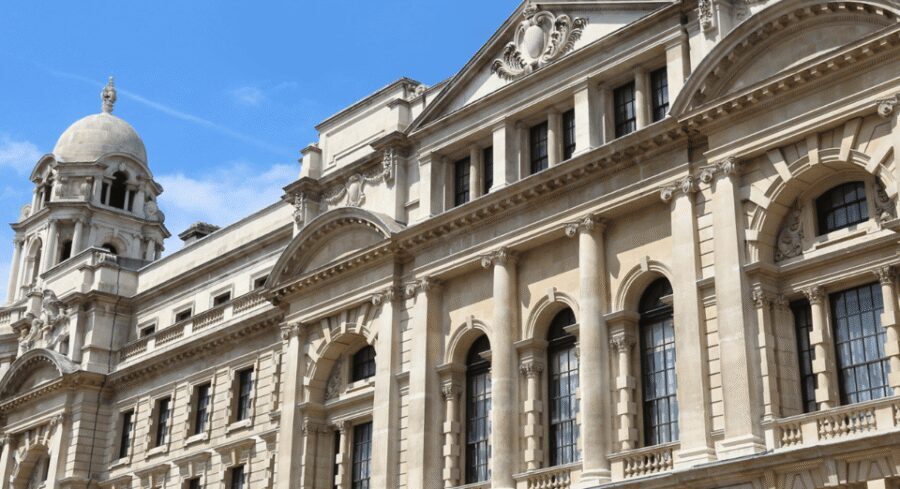
I’d book it if you want a focused, guided route through the Churchill-era London that helps you make sense of both power and remembrance. For $18 and 150 minutes, you get a lot of the landmarks that people associate with WWII and Churchill, plus context that turns those stops into a coherent story.
Skip it if you need to include Churchill War Rooms entry during your visit, or if your walking stamina is limited. In those cases, you’ll probably feel rushed or you’ll end up wishing you had time for indoor space.
FAQ
Where does the Churchill and World War 2 walking tour start?
The tour starts at Embankment Station, at the Embankment Pier Exit. You should meet your tour guide there, who will be holding a yellow umbrella.
How long is the tour?
The duration is 150 minutes.
How much does it cost?
The price is $18 per person.
What are the main included sights?
The tour includes stops such as 10 Downing Street, the Ministry of Defence, the Cenotaph, the Women of World War II Memorial, HM Treasury, the Churchill statue, the Houses of Parliament, Big Ben, St Margaret’s Church, and Churchill War Rooms (exterior only).
Is entry to Churchill War Rooms included?
No. Churchill War Rooms entry is not included; the tour includes exterior viewing only.
Is the tour guided?
Yes. It includes a professional tour guide and a guided walking tour on Winston Churchill and World War 2 in London.
What language is the tour in?
The tour is available in English.
Are large bags or luggage allowed?
No. Luggage or large bags are not allowed.
Is the tour suitable for wheelchair users or people with mobility impairments?
No. It’s not suitable for people with mobility impairments or wheelchair users.
Does the tour offer free cancellation or flexible booking?
You can cancel up to 24 hours in advance for a full refund. It also offers reserve now & pay later, meaning you can book and pay nothing today.