Baker Street has a secret side.
This Hidden London tour takes you beyond the normal platforms and ticket hall and into the station’s older workings tied to the origins of the Underground. I love the exclusive behind-the-scenes access and the way the London Transport Museum brings the story to life with real archive material. One thing to consider is the tour involves a lot of walking in low light with stairs and uneven ground, so it’s not an easy stroll.
You’ll spend 85 minutes stepping through parts of Baker Street that are usually out of bounds, including corridors and old lift shafts last seen by the public decades ago. I also like the human scale of the stories, especially the firsthand staff-style accounts and the way guides like Anthony, Sophie, and Pat connect the station to daily Underground life. The main drawback: it’s not suitable for people with mobility impairments or claustrophobia, and there are no elevators.
In This Review
- Key things to know about the Hidden Baker Street tour
- Getting started at Baker Street (and why the meeting point matters)
- The big promise: what makes this tour different from normal station sight-seeing
- Stop-by-stop: where you go inside Baker Street and what each section teaches you
- Entering the station’s 1863 story: the Underground’s early passenger mindset
- Original platforms and station spaces that feel like you found a workroom
- The staff rifle range: a startling slice of Underground life
- Corridors and old lift shafts: the 75-years-ago feeling
- The operational headquarters angle: how Baker Street served staff as much as passengers
- The guides: what makes the storytelling work
- Timing and physical reality: walking, stairs, and low lighting
- Price and value: is $60 a fair deal?
- Who should book this Hidden Baker Street tour (and who should skip it)
- A few practical tips so you enjoy it more
- Should you book the Hidden Baker Street Tube Station tour?
- FAQ
- Where do I meet the guide?
- How long is the tour?
- What is included in the ticket price?
- Is the tour offered in English?
- What should I bring and what should I avoid?
- Is this tour suitable for children?
- Is it accessible for people with mobility impairments?
- Does the tour involve stairs or elevators?
Key things to know about the Hidden Baker Street tour
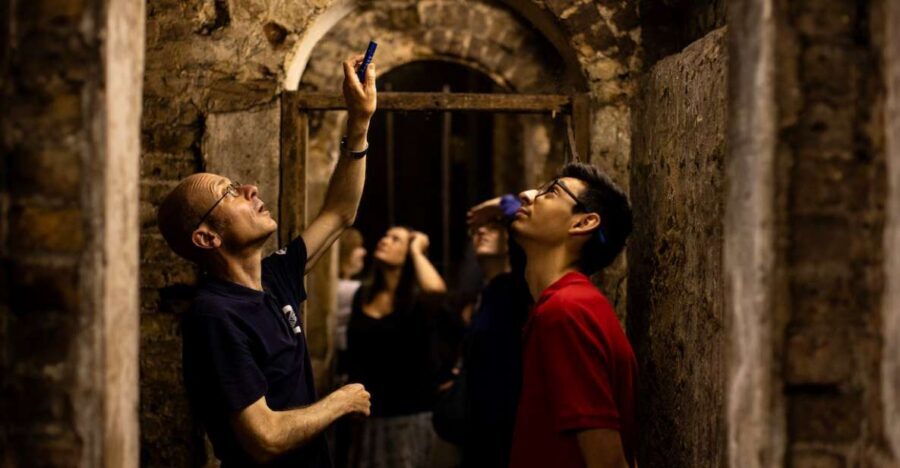
- Out-of-bounds areas: you get access to spaces other visitors don’t see on a regular station visit
- 75-year time gap: corridors and lift shafts haven’t been used by the public for about that long
- Staff-only details: you’ll hear about the operational headquarters of the London Underground and the people who worked there
- Victorian steam-era context: it connects the station to the 1863 start of passenger Underground travel
- Guides with personality: Anthony, Sophie, and Pat are specifically named in tour accounts for their energy and clarity
- Physical requirements: plan for uneven ground, low lighting, stairs, and no lifts
Getting started at Baker Street (and why the meeting point matters)
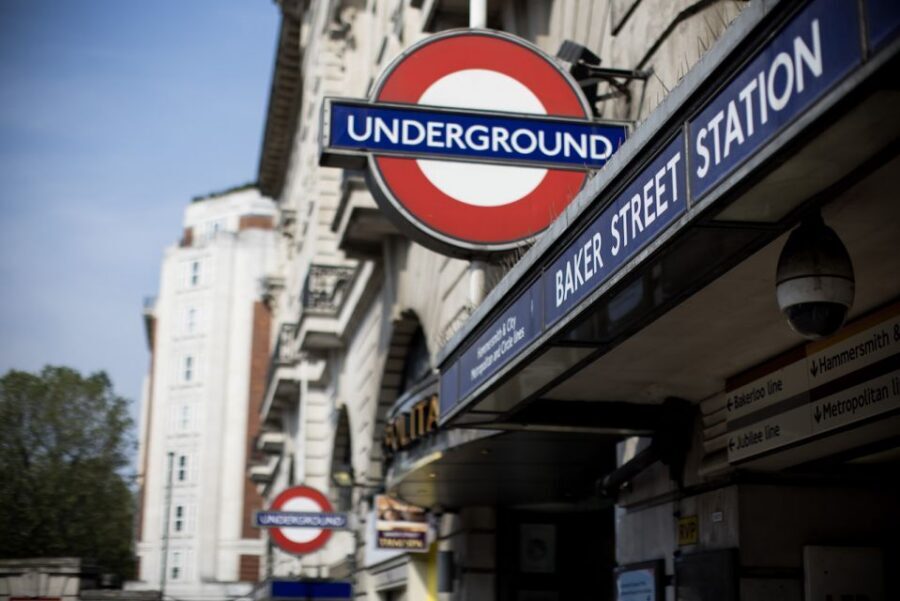
The tour starts outside Baker Street Underground Station at the Sherlock Holmes statue. It’s a good setup because you can orient yourself right away and recognize you’re in the right neighborhood fast. Baker Street is one of those London names that can feel like a theme park if you’re not careful, but this tour nudges you toward the real spine of the city’s transit system.
Bring comfortable shoes and water. You’ll want shoes you trust on uneven ground, and you’ll be in parts of the station with low lighting. Also plan to bring a passport or ID card, since the tour asks for it. If you’re traveling with a big bag, don’t—luggage or large bags aren’t allowed on this experience.
You can also read our reviews of more tours and experiences in London.



The big promise: what makes this tour different from normal station sight-seeing
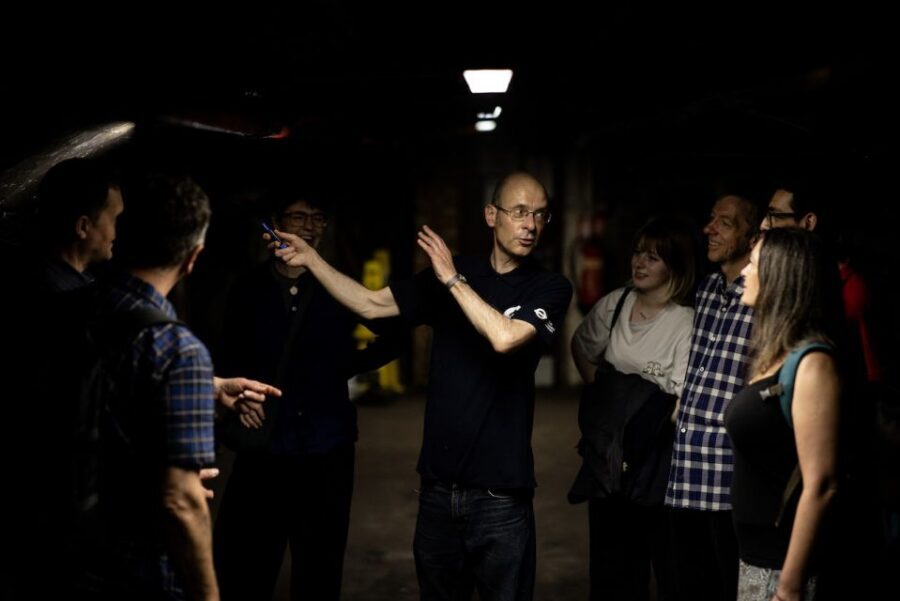
This isn’t a standard “walk past the platforms” experience. The whole point is access—areas that are closed to the public and that show how Baker Street functioned behind the scenes. The tour is described as having exclusive access to hidden station areas, including portions not seen by everyday travelers for about 75 years.
That time gap is the hook. When you normally visit a Tube station, you’re seeing today’s layer. Here, you’re seeing the older operating structure underneath, with features that help you understand how early Underground travel actually worked. It makes the Underground feel less like a modern machine and more like an engineered experiment that evolved.
Stop-by-stop: where you go inside Baker Street and what each section teaches you
Entering the station’s 1863 story: the Underground’s early passenger mindset
Baker Street opened on January 10, 1863 as part of the Metropolitan Railway. That date matters because it anchors the tour in the world’s early Underground experiment—when passengers were, in effect, trying something new under a city that was already crowded above ground.
On the walk, you’re guided through areas tied to those early operations, and you’ll hear what the very first passengers thought of underground travel in 1863. I like this because it gives you a human “wait, would I do this?” perspective. The Underground wasn’t just a technical feat; it also had to persuade people that going beneath London was safe and worth it.
One practical note: because you’re moving through older parts of a working station, you should expect that conditions aren’t like a museum gallery. Plan your pace accordingly, especially if you’re sensitive to stairs or dim areas.
Original platforms and station spaces that feel like you found a workroom
You’ll see closed-off parts of the station, including original platforms. Even if you’ve been through Baker Street many times, it can be surprising to think of platforms as the station’s “public face” while other spaces served the operational machine.
This is where the tour helps you connect dots. You start to understand Baker Street not only as a place where people commute, but as a station designed to manage movement underground—movement that needed staffing, procedures, and space that most passengers never notice.
If you’re the kind of visitor who loves seeing the physical clues—old layouts, hidden corridors, and structural leftovers—this portion tends to land well. If you hate crowds and cramped spaces, keep in mind the tour is conducted inside tight station areas, and that can feel enclosed at times.





The staff rifle range: a startling slice of Underground life
One of the most memorable named stops is the staff rifle range. Yes, really. It’s the kind of detail that makes you stop and think: this Underground wasn’t only about trains and timetables. It had security and staffing needs, and the station’s back-of-house spaces reflected that reality.
Hearing about the staff rifle range also changes how you interpret the station’s history. You stop viewing “the Underground” as a single story and start seeing it as a workplace shaped by the era’s priorities. It’s one of those moments where the guide’s storytelling adds context that you’d never guess just by looking at the station today.
Corridors and old lift shafts: the 75-years-ago feeling
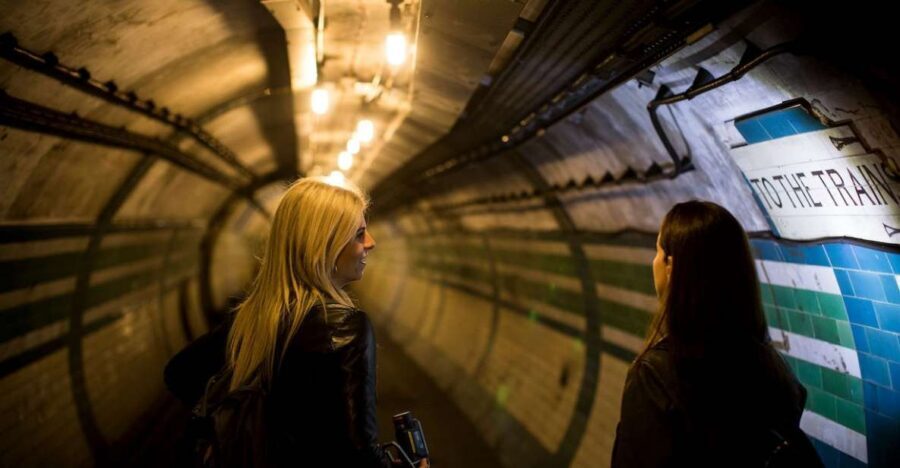
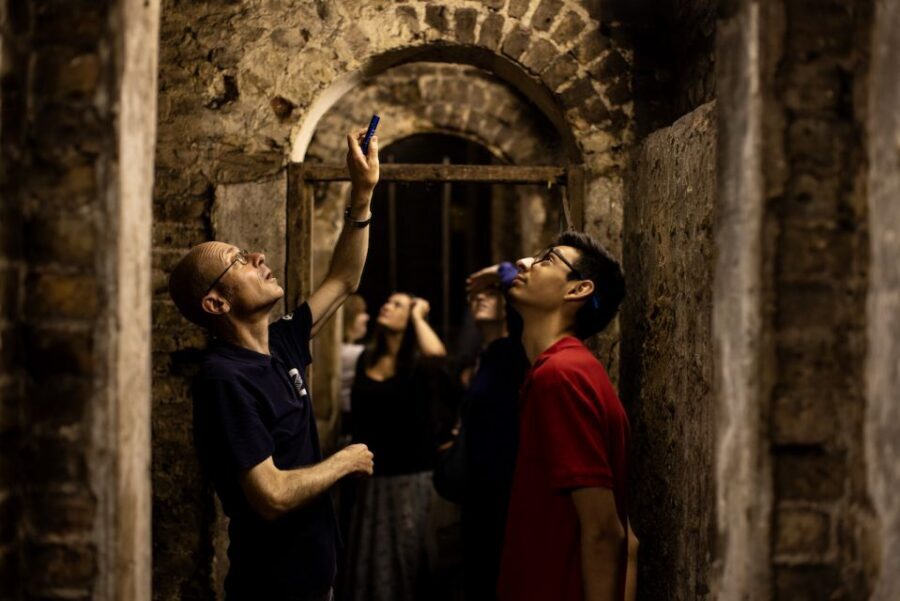
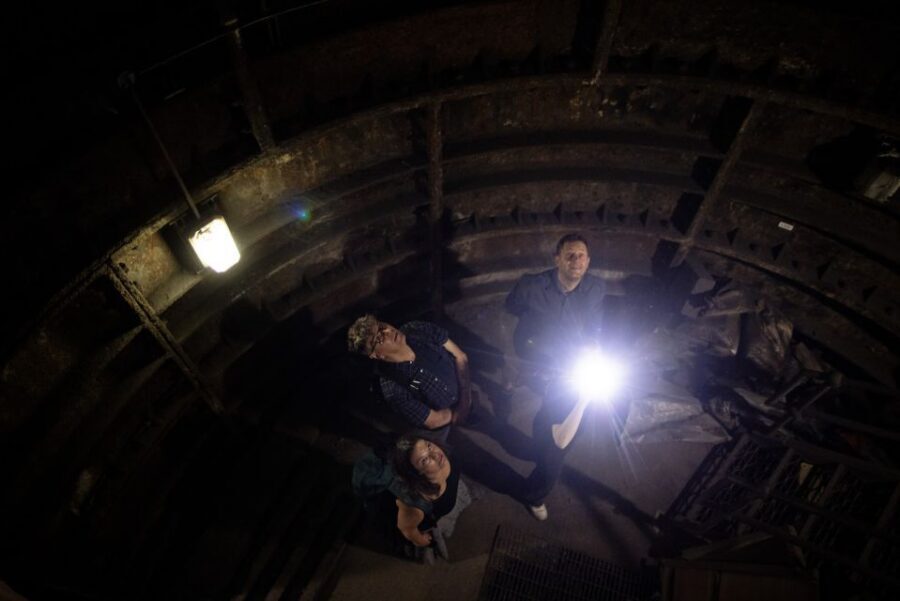
The tour highlights corridors and old lift shafts that were last accessed by the public as far back as 1945, with the experience describing areas not used by the public for about 75 years. Walking through these sections—old routes, older infrastructure, and hidden pathways—makes the station feel layered, like the city kept changing around a core.
This is also where your camera habits should be realistic. Low lighting and enclosed passages usually make photos less satisfying than you’d hope. Instead of chasing perfect shots, focus on what the space is telling you: these corridors and shafts help explain how movement and operations may have been managed when the station was running under different standards.
The operational headquarters angle: how Baker Street served staff as much as passengers
Baker Street also served as the operational headquarters for the London Underground. This is a big deal for the tour’s tone because it shifts the narrative from passenger experience to organizational reality—who ran the show, what decisions needed to be made, and how the station fit into the broader system.
You’ll hear stories about the staff who worked there over the years, and the guides use facts and material drawn from the London Transport Museum’s extensive archive and collection. I like this structure because it avoids turning the Underground into a spooky ghost story. It’s more practical and grounded: people worked there, managed operations, and lived with the station as their environment.
The guides: what makes the storytelling work
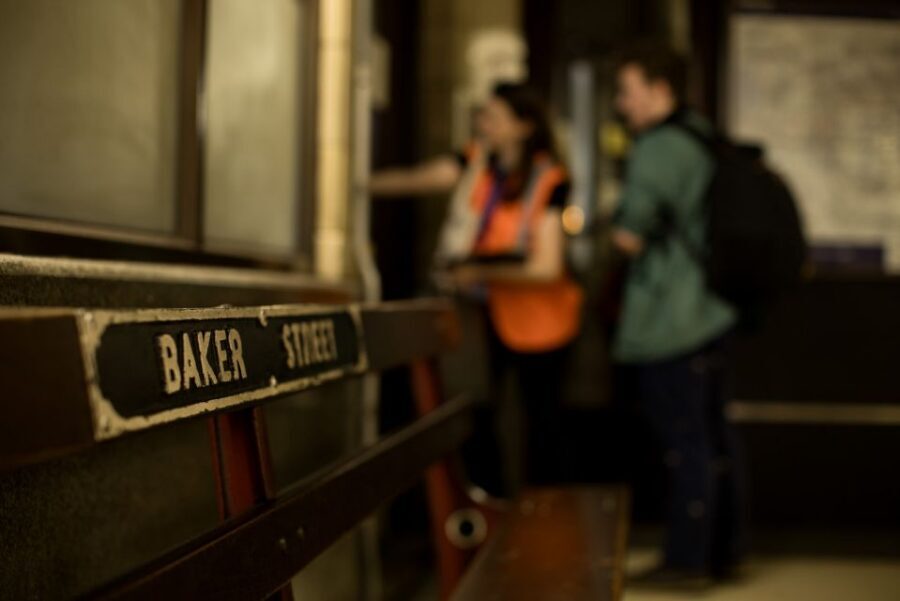
The quality of this kind of tour lives and dies on the guide’s ability to make old infrastructure readable. In tour accounts, guides such as Anthony, Sophie, and Pat are singled out for being friendly, enthusiastic, and full of energy, while also staying clear about what you’re looking at.
That combination matters. When you’re underground and moving through areas with low light and stairs, you want your guide to do two things well:
- Point out what you’re seeing so you can make sense of it
- Keep the pacing steady so you don’t feel rushed or lost
If you enjoy tours where the guide feels like a storyteller with authority—someone who can connect details to the bigger Underground timeline—this experience fits.
Timing and physical reality: walking, stairs, and low lighting
The tour lasts 85 minutes. It’s not just talk time. You’ll be moving through multiple parts of the station, including areas with uneven ground, low lighting, and stairs. There are no elevators.
This means you should plan like you’re doing a compact walking tour in a tricky environment. Wear shoes that grip. Don’t count on being able to pause for long at every corner, and be ready to keep your footing. If you’re traveling with kids, the tour allows a maximum of four children aged 10–15 per adult, and it isn’t suitable for children under 10.
Also, the tour is not suitable for people with mobility impairments and for people with claustrophobia. If either of those applies, skip this one for something that matches your comfort level.
Price and value: is $60 a fair deal?
At about $60 per person for 85 minutes, this isn’t bargain-basement sightseeing. But the value comes from exclusivity. You’re paying for access that regular visitors don’t get, including original platforms, hidden corridors, old lift shafts, and a staff-focused look at how the Underground operated—plus guidance that uses archival storytelling rather than generic station facts.
If your London plans include the major museums, you might be tempted to treat this as optional. I’d argue the opposite: this is exactly the kind of tour that adds a different layer to a first or second visit to London. It’s not competing with a classic landmark. It’s showing you the city’s infrastructure side, where design and daily life intersect.
You’re also getting a small slice of time—85 minutes—so it won’t hijack your whole day. For many people, that’s the sweet spot: enough to feel special, not so long that it becomes a chore.
Who should book this Hidden Baker Street tour (and who should skip it)
Book it if you:
- Love transit history and how systems evolve
- Want a behind-the-scenes look at a famous station
- Enjoy guides who bring stories to life with archival detail
- Prefer practical sightseeing over big crowds and long lines
Skip it if you:
- Have mobility challenges that make stairs and uneven ground hard to manage
- Have claustrophobia, since the tour involves enclosed underground spaces
- Prefer open, bright, low-constraint environments
It also helps if you like the idea of early Victorian steam travel history and the “first passengers” mindset of 1863. This tour is built around making that origin story tangible, not just recited.
A few practical tips so you enjoy it more
- Wear closed-toe shoes with solid grip. Open-toed shoes aren’t allowed.
- Pack only what you need—food and drinks aren’t allowed, and large bags aren’t allowed.
- Bring water, since you’re instructed to bring it.
- If you’re sensitive to dim areas, mentally prepare for low lighting.
- Keep your expectations focused on infrastructure and stories, not luxury comfort.
Should you book the Hidden Baker Street Tube Station tour?
If you’re the type of traveler who likes seeing how places really work, this is worth your time. The strongest reason to book is simple: you’re getting exclusive access to station spaces that most people never see, with a guided explanation that connects Victorian beginnings to how the Underground ran as an organization.
If stairs and enclosed spaces are a problem, don’t force it. Choose a different kind of London tour that matches your comfort level.
For the right person, this is one of those London experiences that changes the way you understand the city after you leave the station.
FAQ
Where do I meet the guide?
Meet your guide outside Baker Street Underground Station, in front of the Sherlock Holmes statue.
How long is the tour?
The tour duration is 85 minutes.
What is included in the ticket price?
It includes a guided walking tour.
Is the tour offered in English?
Yes, the live tour guide speaks English.
What should I bring and what should I avoid?
Bring comfortable shoes and water, and bring a passport or ID card. Food and drinks aren’t allowed, and luggage or large bags aren’t allowed. Open-toed shoes aren’t allowed either.
Is this tour suitable for children?
It is not suitable for children under 10. For children aged 10–15, there is a maximum of four children per adult.
Is it accessible for people with mobility impairments?
No. The tour is not suitable for people with mobility impairments.
Does the tour involve stairs or elevators?
Yes, there are stairs and low lighting, and there are no elevators.