REVIEW · LONDON
London: Household Cavalry Museum Entry Ticket
Book on GetYourGuide →Operated by Household Cavalry Museum · Bookable on GetYourGuide
Horses and history share one doorway. The Household Cavalry Museum is a living museum inside Horse Guards at Whitehall, where you get a close look at the working Household Cavalry. I love the view into the 18th-century stables through the glazed partition, and I also like how the exhibits use first-hand troopers’ accounts to explain what training looks like.
There’s also one thing to keep in mind: this museum is compact. If you’re expecting a huge, free-roaming stable experience, the experience is more about observation and storytelling than walking around like a horse whisperer.
In This Review
- Key Things I’d Put at the Top of Your List
- Household Cavalry Museum in Horse Guards: What You’re Really Visiting
- Price and Value: Why $14 Feels Fair (or Not)
- A 60-Minute Visit Flow That Keeps You From Rushing
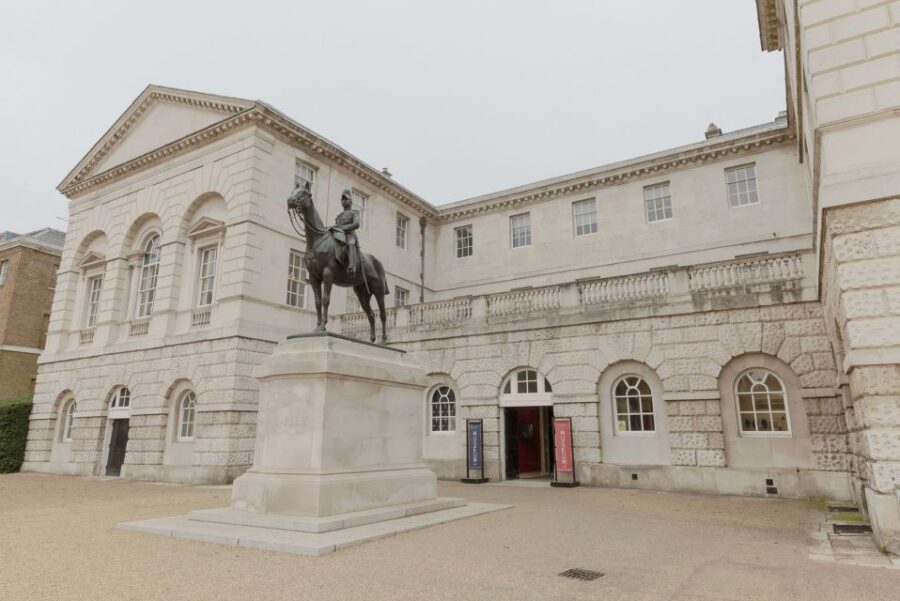
- The 1750 Horse Guards Building and the Household Division Headquarters
- Looking Through the Glazed Partition: 18th-Century Stables Up Close
- Troopers’ Training Stories and Interactive Displays That Actually Help
- Rare Objects and What It Means When Pieces Are on First Public Display
- Life Guards and the Blues and Royals: Sorting Out the British Army Connections
- Who Should Book This, and Who Might Want to Skip
- Practical Tips to Make Your Hour Go Well
- Should You Book the Household Cavalry Museum Entry Ticket?
- FAQ
- What is included with the ticket?
- Where should I meet for this experience?
- How much time should I plan for my visit?
- Is the museum wheelchair accessible?
- Are pets allowed inside?
- Is a tour guide included?
- Can I cancel and get a full refund?
Key Things I’d Put at the Top of Your List
- Glazed partition views of working troopers and horses in the original stables
- Personal accounts of rigorous training from people who live the routine
- A building with roots in 1750, still tied to the Household Division
- Interactive displays that explain what the House Guards do and why it matters
- Rare objects, including pieces described as on public display for the first time
- Clear links to the Life Guards and the Blues and Royals, two senior British Army regiments
Household Cavalry Museum in Horse Guards: What You’re Really Visiting
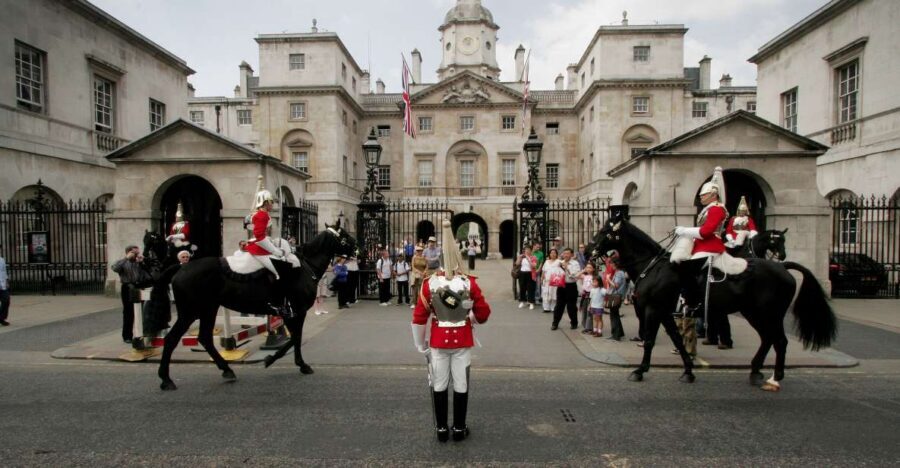
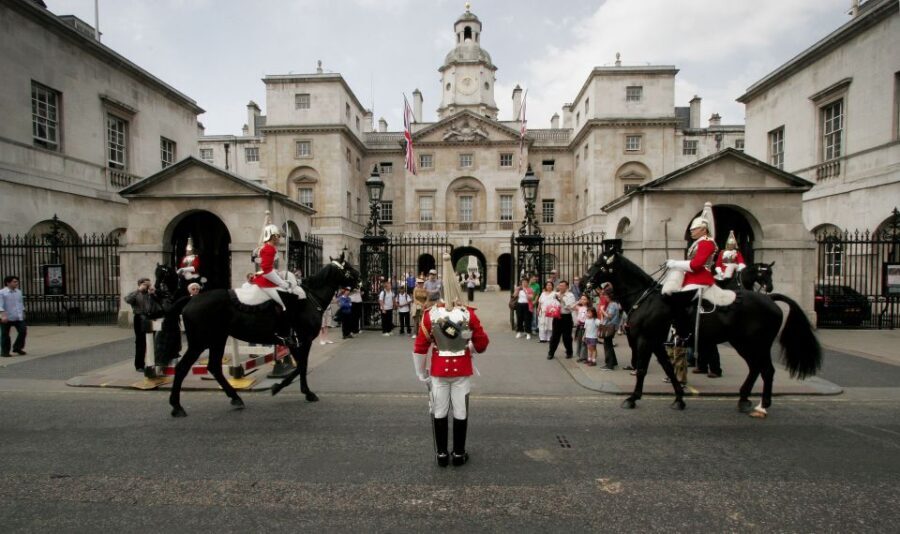
You’re not just touring old photos in a museum room. You’re inside an active headquarters area for the Household Division at Horse Guards in Whitehall, central London. That difference matters because the place feels like it still has a job to do, not just a display case to maintain.
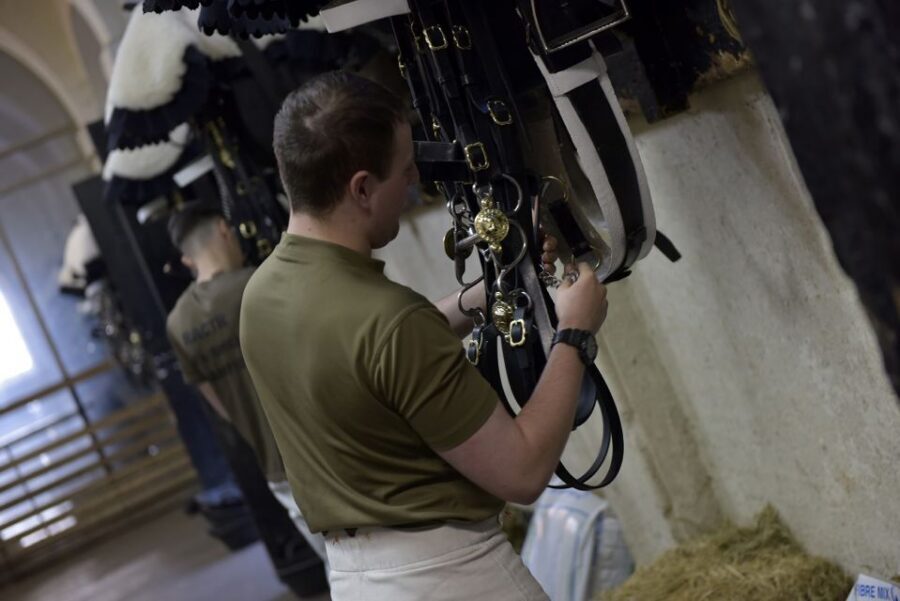
The museum is focused on the Household Cavalry, and it’s designed around one main experience: getting eyes-on with the troopers and horses. You’ll see them through a large glazed partition looking into the stables, which lets you watch without trying to squeeze into a working space. It’s a clever setup for visitors, and it keeps the focus on the real purpose of the unit.
Even if military history isn’t your usual hobby, the museum makes it understandable. It uses first-hand stories and training details to translate what otherwise sounds like a distant tradition. And because the building itself dates to the mid-1700s, the setting reinforces the feeling that you’re seeing something continuous.
You can also read our reviews of more tours and experiences in London


Price and Value: Why $14 Feels Fair (or Not)
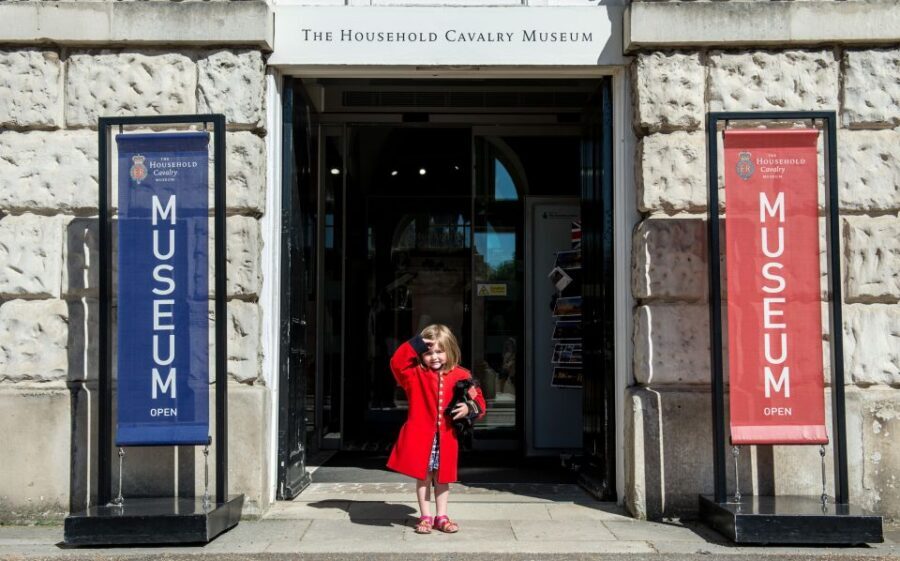
At about $14 per person, this ticket is priced like a thoughtful museum stop, not a big-ticket attraction. For me, the value comes from the mix: you get a working cavalry look, a historic building, and exhibits with personal accounts. Many museums can do one or two of those. This one tries to do all three in a single visit.
The main value question is your expectations. If you’re the type who loves seeing how things actually operate today—horses, routines, training—this is easy money. If you expect a long, sprawling museum experience with lots of space to roam, you may feel like the time compresses a bit faster than you want.
My advice: treat it as a high-quality hour. If you show up with a plan for how you’ll spend that hour, you’re more likely to feel satisfied with the price.
A 60-Minute Visit Flow That Keeps You From Rushing
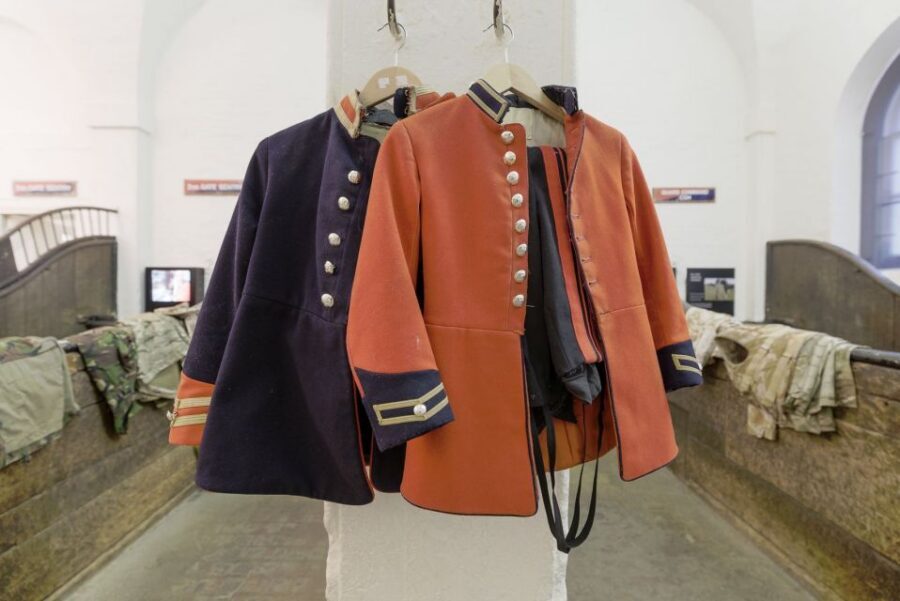
The museum asks you to allow at least 60 minutes, and that’s a good target. Don’t plan it as a quick five-minute photo stop. Instead, plan it like an afternoon mini-break between other Whitehall sights.
Here’s a practical order that tends to work well:
- Start by going straight to the stables viewing area so the horses and troopers become your anchor for the visit.
- Then move through the museum exhibits and interactive displays while the training stories make sense in context.
- End by looking at the featured rare objects and the building’s historic role as headquarters.
You’ll get more out of it if you don’t bounce randomly. The exhibits are set up to explain what you’re watching and why those traditions exist. When you see the stables first, the rest of the museum reads like the reason behind what you’re observing.
The 1750 Horse Guards Building and the Household Division Headquarters
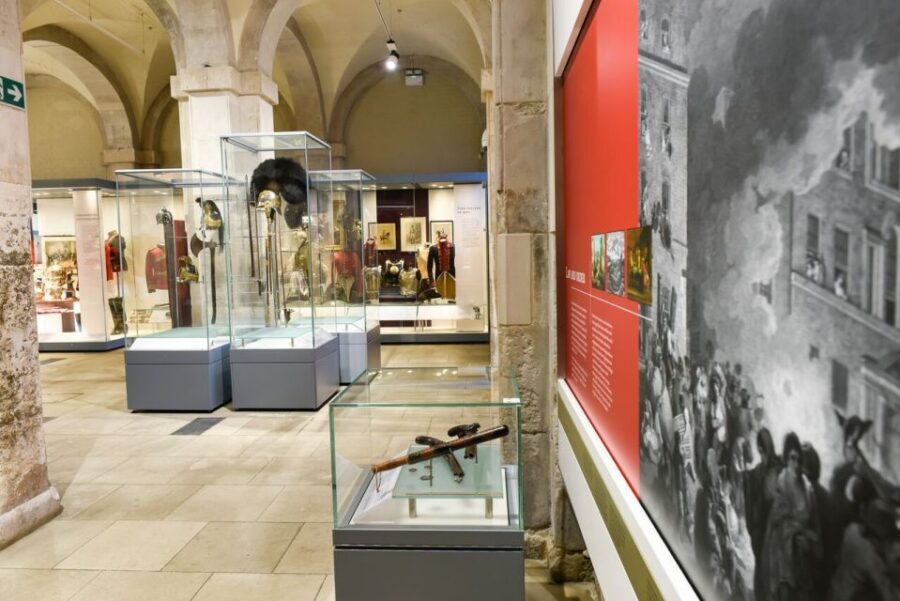
One of the most striking details here is the building itself. You’re in a structure dating from 1750, and it’s not just decorative. This is the type of space where you can feel the “still working” element of history.
The museum highlights that this is still the headquarters area of the Household Division, and that the Household Cavalry has performed the Queen’s Life Guard for over 350 years. That’s not a vague claim on a wall—it shapes how you understand what the unit does. You’re seeing a museum that’s built into an ongoing role.
If you’re the kind of traveler who likes to connect architecture with function, this part is for you. The building isn’t a backdrop; it’s part of the story of how the cavalry’s presence became institutional, not just ceremonial.
A quick note: if you’re easily distracted by “big sights” in London, you might miss this section. Don’t let that happen. Take a moment and look at the setting, because it’s part of the emotional payoff.
Looking Through the Glazed Partition: 18th-Century Stables Up Close
The headline experience is the view into the stables. You’ll see the working Household Cavalry through a large glazed partition into the original 18th-century stables. That means you can watch horses and troopers while still respecting the fact that this is a functional space.
For me, the value is how direct it feels. You’re not relying on a video screen to tell you what the space looks like. The partition gives you a real sense of scale and routine. You also get to see that the stables are part of the museum story rather than an afterthought.
Also, keep your expectations realistic. You’re observing from a public viewing point, not wandering freely among equipment and hay bales. That’s the trade-off that helps keep the working side intact.
If you love animals and you’re curious about daily stable life, this is the part you’ll talk about later. If you were hoping for a hands-on stable walkthrough, you may be slightly disappointed—but for most people, the view is enough to make the visit worthwhile.
You can also read our reviews of more museum experiences in London





Troopers’ Training Stories and Interactive Displays That Actually Help
The museum doesn’t stop at objects and visuals. It leans on first-hand personal accounts of troopers and explains the rigorous, demanding side of training. That’s a big deal, because it turns a uniform and a title into something human.
You’ll also find interactive displays that help you understand the building’s story and the House Guards’ role. The goal is clear: make the British Army’s Household Division easier to grasp without turning it into textbook material.
One thing I appreciated is that the training details and personal accounts feel tied to what you’re seeing in the stables. It’s not random storytelling. It builds a cause-and-effect picture: this is how the unit trains, and this is what you see as a result.
If you’re visiting with kids, this style tends to work well. It’s easier for younger visitors to stay interested when the exhibits talk about real routines instead of only dates and ranks.
Rare Objects and What It Means When Pieces Are on First Public Display
The museum features rare objects, and the experience is described as including items that are on public display for the first time. I like when museums are honest about what’s special right now. It gives your visit a reason beyond being “always open.”
Even without a long list of specific object names provided here, you can still benefit from how the displays are presented. The artifacts matter because they’re connected to the Household Cavalry’s identity and the long-running role of the Household Division.
The best move is to slow down at the featured object sections. Don’t treat them like a hallway stop. Read closely and let the context from the stables and troopers’ accounts guide what you’re seeing.
If you’re a collector-type who loves equipment details, you’ll likely enjoy the rare-object emphasis. If you’re more casual, you’ll still get value from the way those objects reinforce the museum’s main story.
Life Guards and the Blues and Royals: Sorting Out the British Army Connections
Another highlight is the way the museum connects the Household Cavalry to the two senior regiments of the British Army: the Life Guards and the Blues and Royals. This is where your visit can feel more than entertaining. It becomes useful.
Instead of treating the cavalry as a standalone curiosity, the museum gives you a framework. Once you understand those two senior regiments, you can read other references you’ll see in London—ceremonial mentions, uniform descriptions, and the general Household Division identity.
This section also helps you place what you’re witnessing into the bigger British Army picture. It’s not just London pageantry. It’s an organization with roles, training, and structure.
If you only have one museum stop to make around Whitehall, this is a strong choice because it offers context fast.
Who Should Book This, and Who Might Want to Skip
I’d book this entry ticket if you enjoy:
- British military history that’s explained through real people, not just dates
- Watching working animals and routines in a historic setting
- A museum stop that’s compact but thoughtfully focused
- A visit that works for families with kids who like horses and short, clear stories
I’d hesitate if:
- You need a long museum crawl with lots of rooms and free-flow wandering
- You expect a hands-on stable experience rather than viewing through the glazed partition
- You’re looking for a guided deep explanation (there’s no tour guide included)
One more honest point: because the museum is relatively small, your experience depends a lot on your mood. If you arrive tired or distracted, it can feel shorter than you hoped.
If you arrive curious and ready to pay attention, the visit lands.
Practical Tips to Make Your Hour Go Well
First, treat it as a single, focused circuit. You’ll get the most satisfaction by starting with the stables view and then letting the exhibits explain what you saw. It’s the easiest way to build a clear mental picture.
Second, don’t hunt for a guided tour experience. The ticket is for museum entry, and the value comes from the exhibits and interactive displays, not from a staff guide walking you through everything.
Third, build a little time buffer around it. The “allow at least 60 minutes” guidance is smart. If you’re staying nearby in Whitehall, plan it as a mid-day or early evening break when you can linger without rushing.
Finally, if you’re traveling with someone who loves animals, this is likely to be the highlight. The stables view gives everyone something concrete to look at.
Should You Book the Household Cavalry Museum Entry Ticket?
Yes, I think you should book it if you want a high-value, story-driven museum stop that connects directly to the living work of the Household Cavalry. For the price, the combination of the historic 1750 building, the 18th-century stables view, and the troopers’ training accounts is a strong mix.
But if your priority is a big, expansive museum experience with lots of space and a hands-on feel, you may prefer a larger attraction. This one is more focused and observation-based, which is exactly why it works for many people—and why a few may feel it’s too small.
If you’re planning a London day around Whitehall anyway, this is a smart add-on that won’t chew up your whole schedule.
FAQ
What is included with the ticket?
Your ticket includes entry to the Household Cavalry Museum.
Where should I meet for this experience?
Meet directly at the Household Cavalry Museum.
How much time should I plan for my visit?
Allow at least 60 minutes for your visit.
Is the museum wheelchair accessible?
Yes, the experience is wheelchair accessible.
Are pets allowed inside?
Pets are not allowed, but assistance dogs are allowed.
Is a tour guide included?
No, a tour guide is not included.
Can I cancel and get a full refund?
Yes. You can cancel up to 24 hours in advance for a full refund.