REVIEW · LONDON
London: Jack the Ripper tour in Spanish (RLA Winner)
Book on GetYourGuide →Operated by Whitechapel Tours · Bookable on GetYourGuide
Jack the Ripper stops being a spooky story fast. This 2-hour walking tour in Spanish takes you to real locations tied to the Whitechapel murders and pairs the facts with smart, human explanations. I like that it’s guided by José Oranto, an author and award-recognized investigator, not a generic “boo and mystery” performance.
Two things I really like: the guide welcomes questions and debate as you go, and the pacing stays manageable for most people. A possible drawback: because it’s focused on documentation and argument, you’ll get the most out of it if you don’t mind hearing competing ideas instead of one neat conclusion.
If you want your London sightseeing to feel grounded in place—Victorian streets, architecture, and the everyday settings around the case—this is a strong pick.
In This Review
- Key reasons this tour earns top marks
- Whitechapel becomes real when you follow the actual streets
- Meet José Oranto: award-winning historian, Spanish delivery
- Two hours on foot: smart pace, real stops, minimal strain
- Starting at St Marys Whitechapel Church Memorial: the tone setter
- Brick Lane to Gunthorpe Street: the case grounded in addresses
- Flower and Dean Walk (quick pass) and Banglatown Arch (visit)
- Hanbury Street and Ten Bells Spitalfields: neighborhoods, landmarks, and context
- Mitre Square Garden: a breather with story weight
- Goulston Street and White’s Row: the tour’s final proof trail
- What you’ll learn: myth versus documented thinking
- Price and value: why $21 makes sense here
- Who should book this Jack the Ripper tour in Spanish
- Should you book it?
- FAQ
- Where does the tour start?
- How long is the tour?
- What language is the tour in?
- How much does it cost?
- Is the tour wheelchair accessible?
- Is video recording allowed?
- Is the tour very tiring to walk?
- Can I ask questions during the tour?
- What should I bring?
- Is there free cancellation?
Key reasons this tour earns top marks
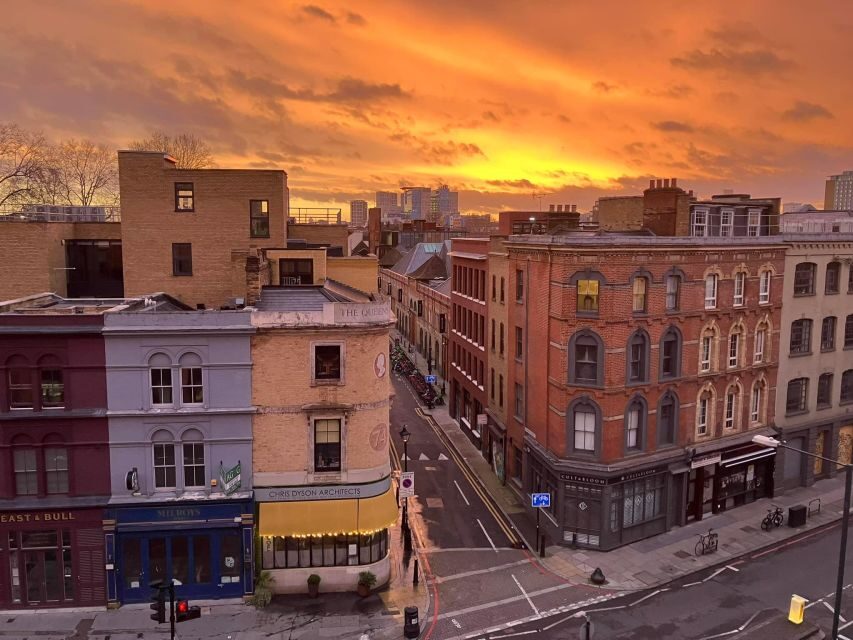
- José Oranto brings research credibility (RLA Award 2023) and clear storytelling tied to the case
- You walk to real crime-related streets rather than just looking at famous plaques
- Q&A is part of the experience, not a quick afterthought
- Photos and visual material add realism to the narration
- The walking pace feels reasonable, so you can stay engaged without feeling wiped out
Whitechapel becomes real when you follow the actual streets
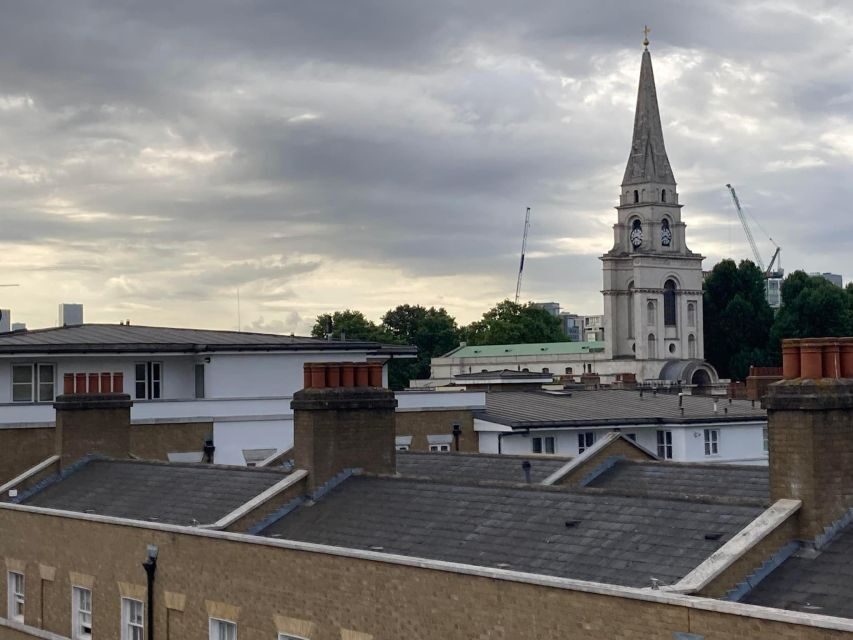
Whitechapel is one of those London areas where you can feel time layering on top of itself. On this tour, you don’t just “see the vibe.” You move block to block with a guide who keeps connecting the Victorian architecture and street layout to what people were living through.
That matters because the Jack the Ripper story is overloaded with myth. Here, the emphasis is on what can be supported and what questions still linger. You’ll spend more time thinking like an investigator than like a fan of horror movies.
Even the way the route is built helps. You start at a memorial setting in Whitechapel, then you work your way through the streets where the case unfolded in real geography—tight streets, corners, and building fronts that make the narrative feel tied to actual addresses.
You can also read our reviews of more tours and experiences in London.



Meet José Oranto: award-winning historian, Spanish delivery
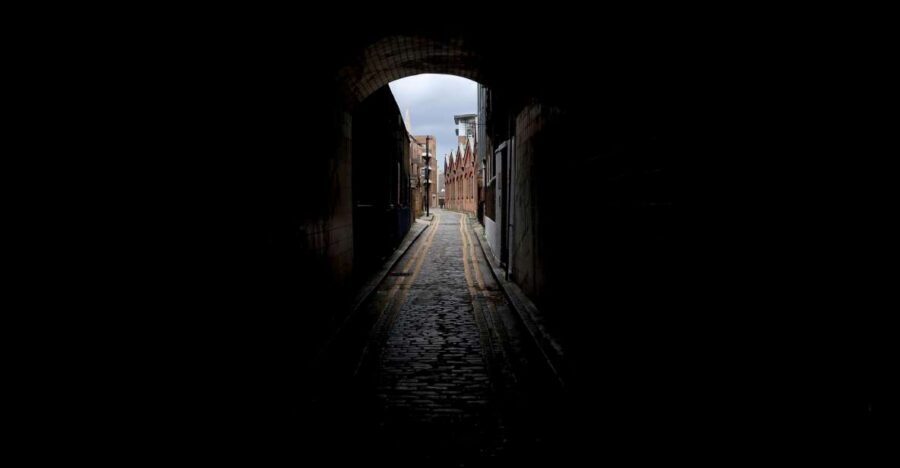
The biggest reason this tour works is the guide. José Oranto isn’t described as a hobbyist—he’s a historian and specialist in the historical investigation of the Whitechapel murders. He has authored Jack el Destripador y las crónicas de Whitechapel, collaborated on specialized publications, and earned recognition including the Robert Linford Award in 2023. He’s also noted as one of the top figures in the field by Ripper-related scholarship coverage.
In practice, what you feel is structure. He explains, then he adjusts. If something doesn’t click, you can ask. If you have a theory, you can argue it. That Q&A tone shows up in the way the tour stays lively instead of turning into a monologue.
The tour is in Spanish, and that’s not a minor detail. It shapes the whole experience. If you’re comfortable in Spanish, you’ll get the rhythm of the evidence and the back-and-forth discussions. If you’re not, you’ll still see the sights, but you might miss how the guide explains uncertainty and competing interpretations.
Two hours on foot: smart pace, real stops, minimal strain
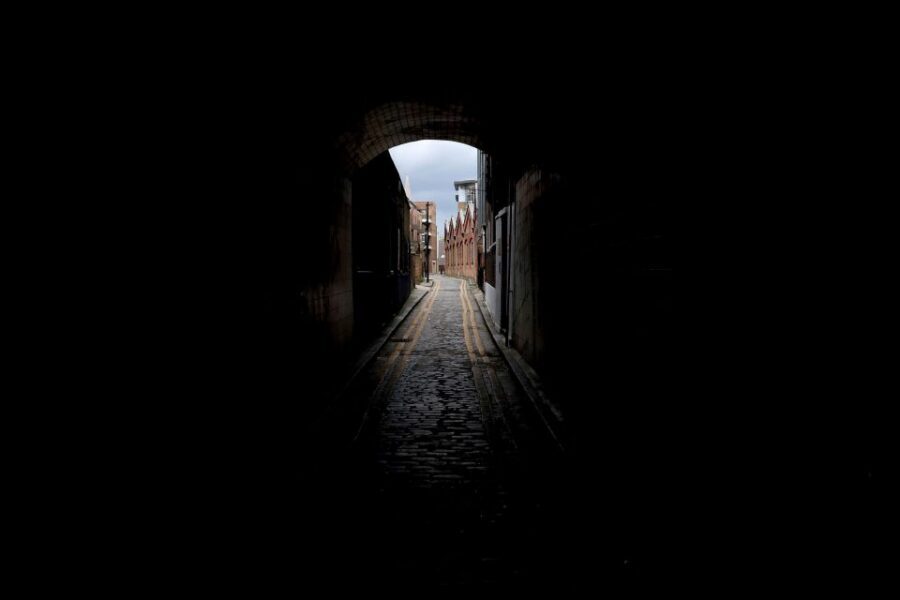
This is a 2-hour walking tour. The pace is designed so you’re not grinding through miles. One consistent theme from the experience is that it’s not built around nonstop trekking, which helps if you want to stay focused on the story instead of on sore legs.
You’ll move between multiple streetfront stops and a few places you pass by quickly. That means you get both: places where you slow down enough to take in details, and other points where you catch the setting and keep momentum.
A practical plus: the tour is wheelchair accessible. So if you use a wheelchair or need mobility support, this is one of the more realistic “history on streets” options in the area.
Also note: video recording isn’t allowed. Bring normal camera use if you want photos, but plan on listening more than filming.
Starting at St Marys Whitechapel Church Memorial: the tone setter
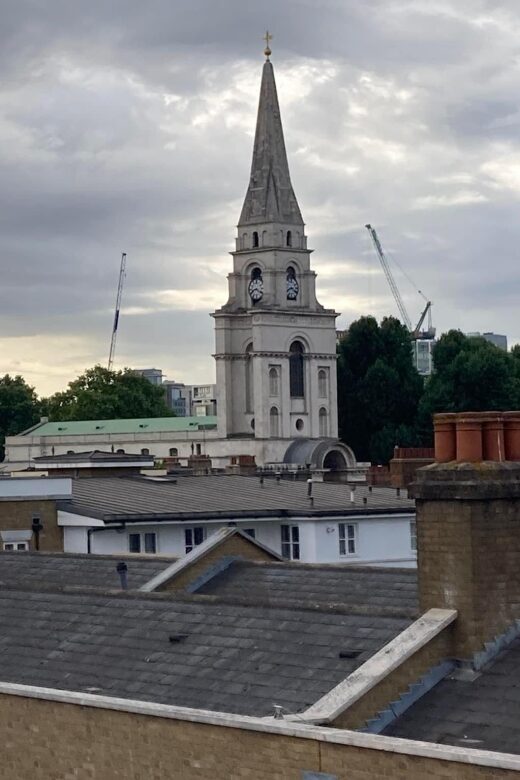
You begin at the St Marys Whitechapel Church Memorial. Starting in that setting does two helpful things.
First, it cues a respectful tone. This isn’t a one-note scare tour. Second, it gives you a mental anchor before you start sprinting through street names and building numbers. When the case discussion starts, you’re already in the right headspace.
From here, you head into the lived-in geometry of Whitechapel. That opening moment is small but important. It’s the difference between watching history and standing on it.
Brick Lane to Gunthorpe Street: the case grounded in addresses
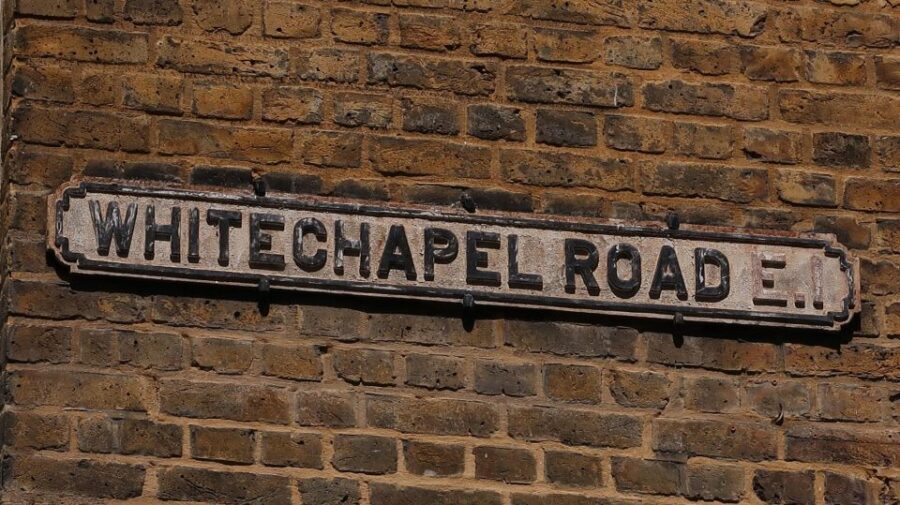
One of the strengths of the route is how it uses building numbers and street blocks to make the narrative feel concrete. You visit 1 Brick Lane and then continue to 16 Gunthorpe St.
At these stops, the guide’s focus is on the real locations and the surrounding architecture. Even if you’ve read about the case before, this approach tends to reset your mental map. Instead of thinking of Whitechapel as a general foggy backdrop, you start picturing corners, street widths, and the way people would actually move through the area.
The drawback to be aware of: street-by-street accuracy can be intense. If you were hoping for a relaxed stroll with only light facts, you might find your brain working a bit harder than expected. The upside is you’ll understand the story as geography, not just as legend.





Flower and Dean Walk (quick pass) and Banglatown Arch (visit)
Next you pass 49 Flower and Dean Walk, so you get a quick visual sense of the neighborhood’s back-street character. You’re not meant to linger there—this segment feels like a bridge between more substantial stops.
Then you move to the Banglatown Arch, where you spend more time. This is one of those places where the modern neighborhood presence matters. It’s a reminder that Whitechapel is not frozen in 1888. People live here now, and the city’s layers keep stacking on top of each other.
For many people, that makes the case feel less like a relic and more like something that happened inside a real community. It also helps the tour avoid turning the area into a theme park. You see the continuity of place.
Hanbury Street and Ten Bells Spitalfields: neighborhoods, landmarks, and context
You visit 29 Hanbury St, and this is where the tour keeps returning to “where” questions. Where did something happen? Where did daily life happen? The guide ties the case to how the streets looked and functioned.
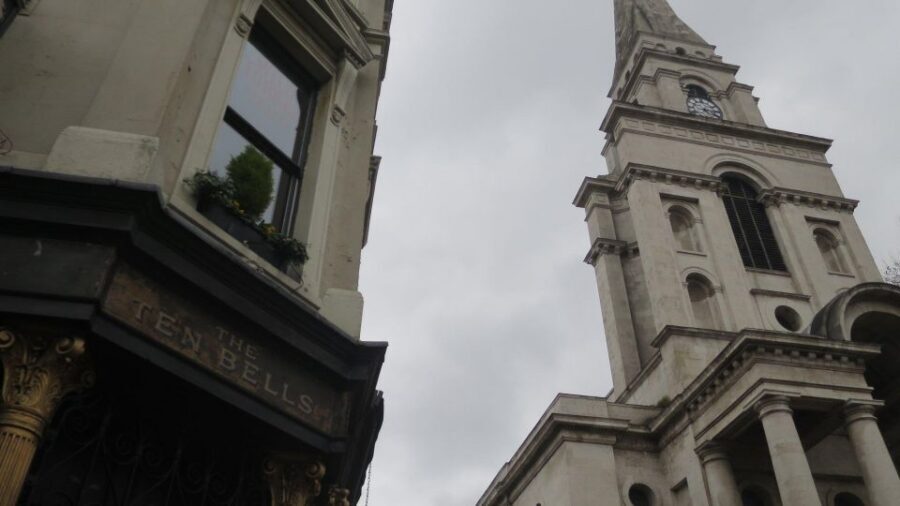
Then you pass the Ten Bells Spitalfields area. You don’t stop long here, but it gives you a familiar-looking landmark moment—a brief snapshot that helps you keep bearings as you continue.
The good part about mixing “visit” stops with “pass by” points is flow. You don’t spend the entire tour staring at only one kind of scene. You get to build a neighborhood picture instead of repeating the same street vibe every ten minutes.
Mitre Square Garden: a breather with story weight
You visit Mitre Square Garden, and this is a smart pause point. A garden square gives your eyes and your brain somewhere to rest. But you’re not just getting a break.
These kinds of stops are where you can better absorb how the urban layout affects the story. Open space, surrounding buildings, and the way sightlines work can change how you imagine movement through the area.
In other words: it’s a breather that still fits the evidence-based approach. It makes the tour feel less like a checklist and more like a guided reconstruction.
Goulston Street and White’s Row: the tour’s final proof trail
You then visit 46 Goulston St and later 6 White’s Row to finish the walking arc.
By the time you reach these final addresses, you’ll likely notice a pattern in how the guide teaches. He doesn’t just drop facts. He explains how different interpretations get built, and why the case still sparks debate. You’re encouraged to ask questions, and if you bring your own ideas, the guide is ready to discuss them.
The last stop tends to linger in your mind because it closes the loop geographically. You’ve seen the path, you’ve heard the evidence framing, and you can step back and think: this is a story tied to actual corners of London, not just a character name and a rumor.
What you’ll learn: myth versus documented thinking
The tour’s promise is truth behind the myth—but the real value is how it gets there. You’re not sold a single cinematic version. Instead, you’re guided toward documented reasoning and honest uncertainty.
The experience also uses supporting material like photos that help make the explanations feel real. That visual layer is a big deal for a case like this. When you can connect an image to a specific street context, the story stops floating.
And because Q&A is encouraged, you can ask about anything that doesn’t fit your understanding. That’s how you come away with new clarity instead of just more names.
Price and value: why $21 makes sense here
At about $21 per person for a 2-hour guided walking tour, the pricing feels fair for what you get—especially the caliber of the guide.
Most London tours at this length give you a chatty overview of famous sites. This one uses documented investigation as its backbone, delivered in Spanish by a recognized expert, with time built in for questions and debate. If you care about depth, that’s where the value shows up.
Another quiet value factor: the tour doesn’t try to exhaust you physically. A manageable walking pace means you get your money’s worth in attention, not just in distance.
Who should book this Jack the Ripper tour in Spanish
Book it if:
- You want real street locations tied to the Whitechapel murders, not just general “Ripper London” atmosphere
- You like asking questions and comparing theories in an open, guided way
- You’re comfortable with Spanish and want the story delivered fully in that language
- You want expert framing from José Oranto rather than a generic script
Skip it if:
- You only want a light, casual ghost-story walk and plan to tune out evidence details
- You need a fully guided experience in English (since the tour is in Spanish)
Should you book it?
Yes—if your goal is a sharper, evidence-focused way to understand Jack the Ripper in London. This tour is built for people who want to see the geography and discuss the uncertainties, not just collect a few spooky facts.
If you’re the type who gets restless when history becomes vague, you’ll probably love the way José Oranto keeps everything grounded in place and documentation. And if your Spanish is solid, this becomes one of those rare tours where the language helps you think, not just listen.
FAQ
Where does the tour start?
It starts at the St Marys Whitechapel Church Memorial.
How long is the tour?
The tour lasts 2 hours.
What language is the tour in?
The live guide speaks Spanish.
How much does it cost?
The price is listed as $21 per person.
Is the tour wheelchair accessible?
Yes, the tour is wheelchair accessible.
Is video recording allowed?
No, video recording is not allowed.
Is the tour very tiring to walk?
It is designed so you do not have to walk too much, and the pace is kept engaging as you go.
Can I ask questions during the tour?
Yes. All questions are welcome, and the guide is set up for direct discussion.
What should I bring?
Bring weather-appropriate clothing.
Is there free cancellation?
The activity offers free cancellation up to 24 hours in advance for a full refund.