REVIEW · LONDON
London: Music walking tour of Soho
Book on GetYourGuide →Operated by Walking Music Tour of London's Soho · Bookable on GetYourGuide
Soho has a soundtrack you can walk through. This 2-hour, fully guided music tour threads together the places where rock history really took shape, from Beatles-era links to the streets where later stars built their early momentum.
What I especially like is how it stays practical while still feeling cinematic: you get great photo stops plus tight explanations that connect the people to the streets you’re standing on. I also love the ending in an old pub built in 1734, where the vibe shifts from facts-on-the-go to stories you can actually absorb.
One consideration: this is a walking tour, and it is not aimed at kids under 11. If you want a mostly sit-down, museum-style experience, you may find 2 hours on foot a bit more active than you expected.
In This Review
- Key highlights that make this Soho tour worth your time
- Soho’s music story makes sense when you see it block by block
- Starting outside the Dominion Theatre: where the tour pulls you in fast
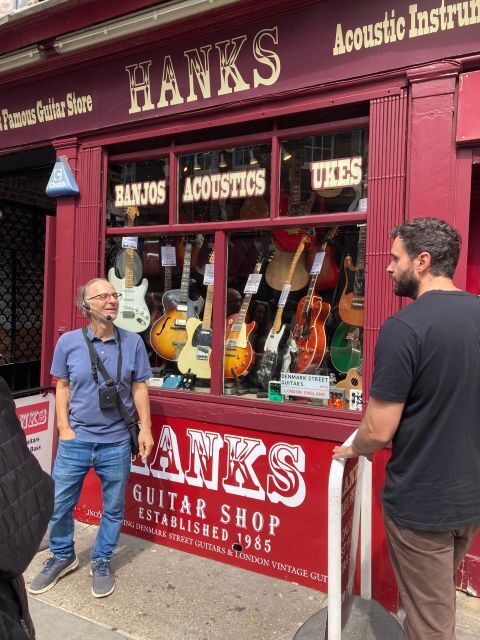
- Denmark Street: the street where early music momentum feels real
- Soho Square and the business side of fame
- The Beatles thread: studios, managers, and the Apple Records moment
- Sex Pistols, Elton John, and the small details that make the street feel alive
- Soho Lofts, Reckless Records, and studio-hunt street energy
- Finishing at The Dog and Duck: a 1734 pub where stories land better
- Price and value: what you really get for $33 in London
- Who should book this Soho music walking tour
- Should you book? My honest take
- FAQ
- Where does the tour start?
- How long is the walking tour?
- What is the tour price?
- What language is the guide?
- Where does the tour finish?
- Is food or drink included?
- Is this tour suitable for children?
- Do you get free cancellation?
- Is the tour wheelchair accessible?
Key highlights that make this Soho tour worth your time
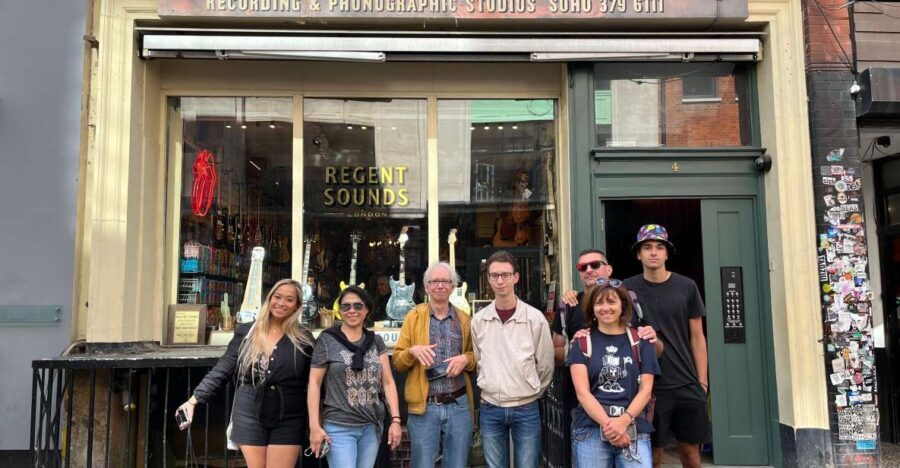
- Denmark Street: the music-street energy, with stops that show how careers started and took shape
- Beatles and Apple Records: pinpointed locations tied to the Beatles recording story
- Jimi Hendrix in 1967: the Brian Epstein connection placed in its real street context
- Soho Square and Paul McCartney’s business links: a classic landmark used as a jumping-off point
- Sex Pistols, Elton John, and more: oddball details and real-world origins you can only get by walking
- Finish at The Dog and Duck (1734): a historic pub ending that turns the last stretch into a debrief
Soho’s music story makes sense when you see it block by block
London’s music history can sound like a list. On this walk, it turns into a map.
Soho is small, dense, and packed with “how did it all happen here?” moments. You’ll move through the kind of streets where recording, management, gigs, and record-shop culture rubbed shoulders. The payoff is that you stop treating famous names like distant myth and start treating them like people who worked, experimented, and hustled in real places.
I like that the tour leans into connections—who influenced who, and why certain streets mattered. You’re not just collecting celebrity trivia. You’re learning how a neighborhood can function like a pipeline: talent shows up, people find it, and the whole scene feeds itself.
You can also read our reviews of more walking tours in London



Starting outside the Dominion Theatre: where the tour pulls you in fast
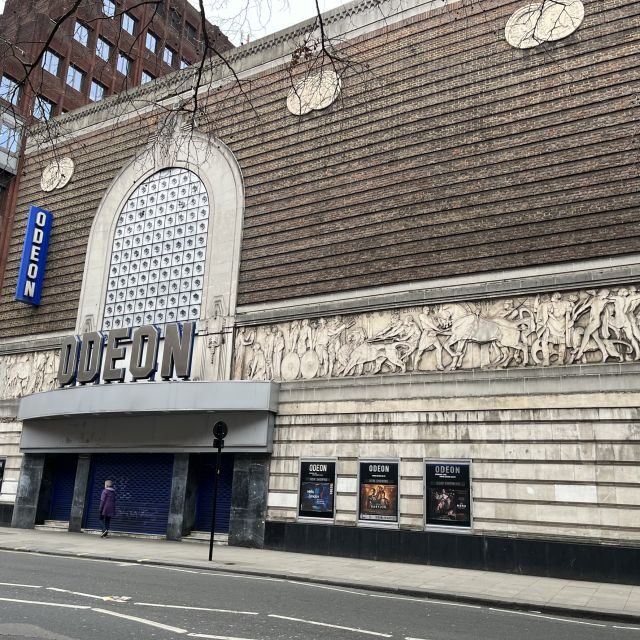
You meet outside the main entrance to the Dominion Theatre at Tottenham Court Road underground station. That location is useful because it puts you in the Soho orbit right away—no long warm-up walk, no wandering to find your group.
Once you start, the pace is easy to follow: you spend time walking between spots, then you get short photo-stop pauses while the guide sets the scene. The rhythm matters. You get just enough time to look around, then the story lands while the locations are still fresh.
The tour is led by a live guide in English, and the experience is designed to be wheelchair accessible. It’s also clearly aimed at adults and older teens: children under 11 are not suitable.
Tip for your comfort: Soho sidewalks can get busy around attractions. If you’re sensitive to crowds, aim to arrive a couple minutes early so you can start with fewer bottlenecks.
Denmark Street: the street where early music momentum feels real
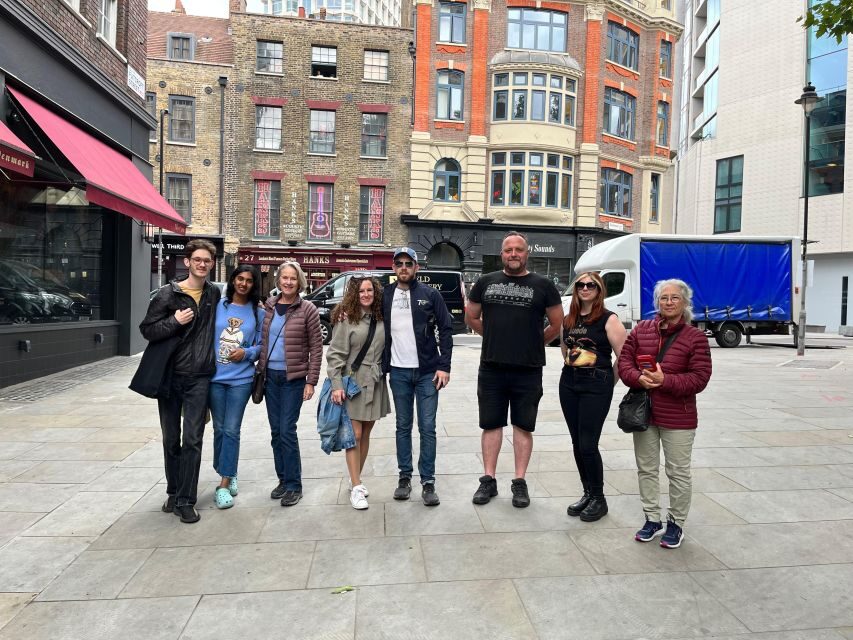
One of the first big stops is Denmark Street, famous for how music businesses used to cluster there. Standing in this area, it becomes easier to understand why so many artists and industry workers orbited the same corners.
This part of the tour is about more than the street name. You’ll get to see the scale of the neighborhood and how close everything is—recording-world connections living next to ordinary streets and storefronts. That closeness is what makes Soho feel different from other “music cities” you might visit.
If you love rock history, this stop gives you a baseline. It’s the difference between hearing about legends and seeing the kind of environment that helped them move from idea to action. Even if you don’t know every reference, you’ll catch the patterns: the scene was built by people taking chances and showing up in the same places again and again.
Soho Square and the business side of fame
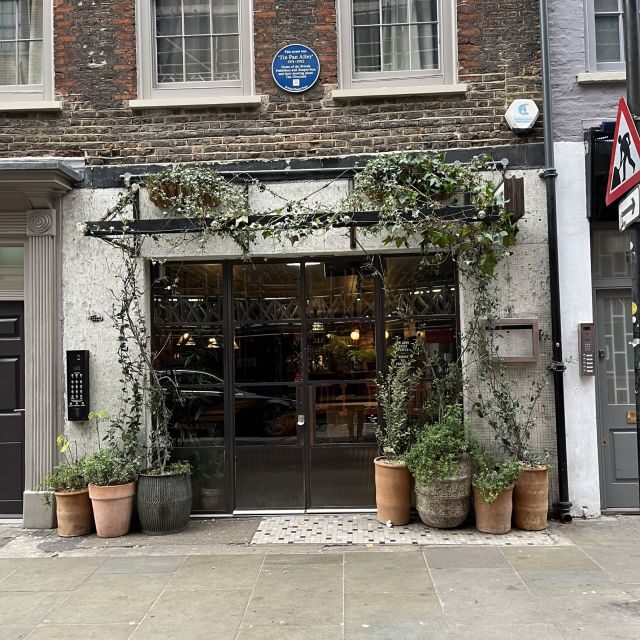
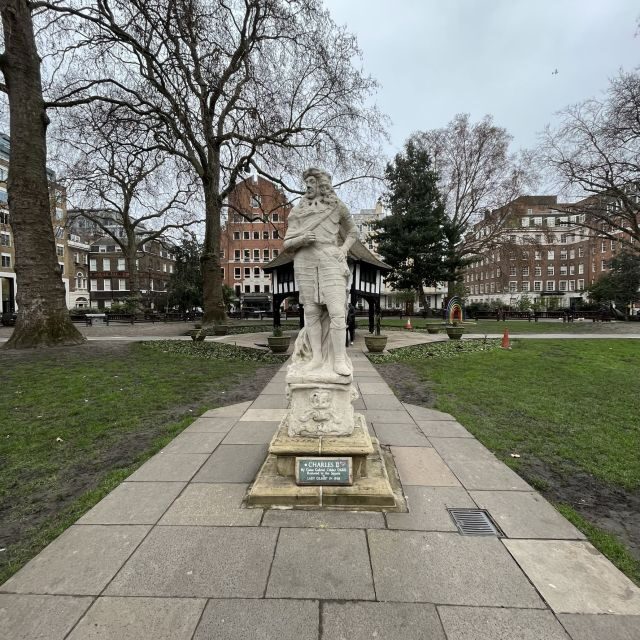
Next comes Soho Square, another strong anchor because it’s a recognizable landmark you can orient to. This is where the tour shifts slightly from street-level music culture to how careers were managed and built.
You’ll hear about Paul McCartney’s business headquarters connection to the area. That matters because it reminds you that pop music is not only creative energy—it’s also structure. Management decisions, offices, and practical networking helped artists move faster than talent alone could.
Soho Square also works as a mental reset. After a few stops with fast-fire anecdotes, you get a calmer moment to take photos and absorb what the guide is really doing: connecting famous names to a working neighborhood, not a stage set.
The Beatles thread: studios, managers, and the Apple Records moment
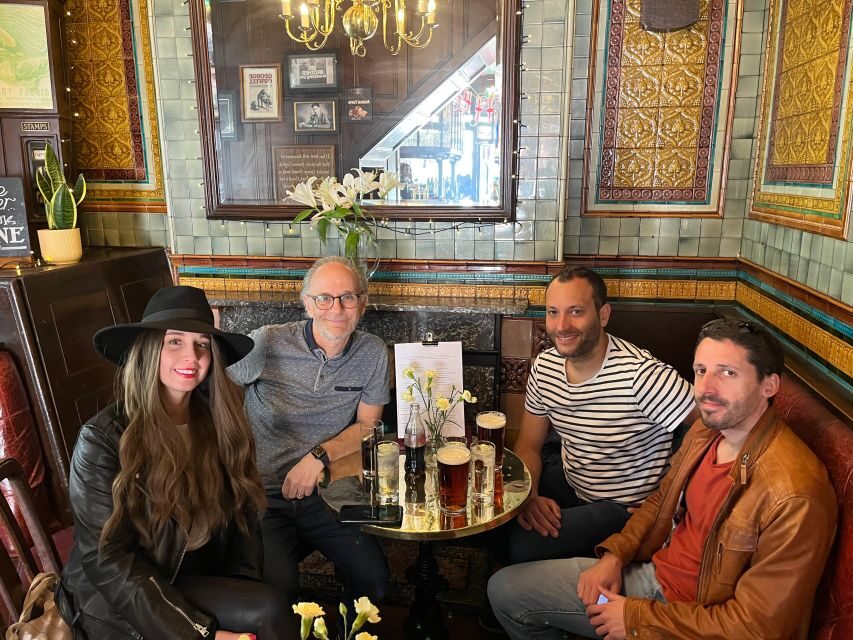
A major draw here is the Beatles link, including where they recorded their first release on Apple records. The tour uses specific studio-related street spots to give you a sense of where that era lived when it was happening—not just decades later as a museum-style memory.
You’ll also learn about the role of Brian Epstein, including the story of him taking over and staging Jimi Hendrix in 1967. Hearing that connection while you’re looking at the kind of local venues and production areas Soho had makes the story feel grounded.
And yes, David Bowie is part of this section too, including a stop tied to where Bowie recorded. The tour basically shows you one of Soho’s big secrets: it was a meeting point for different waves of British music, not a single era.
Practical note: this segment has multiple stops that are quick but meaningful. If you want to keep photos sharp, hold your camera steady during each brief pause and let the guide finish the main story before you rush to the next corner.





Sex Pistols, Elton John, and the small details that make the street feel alive
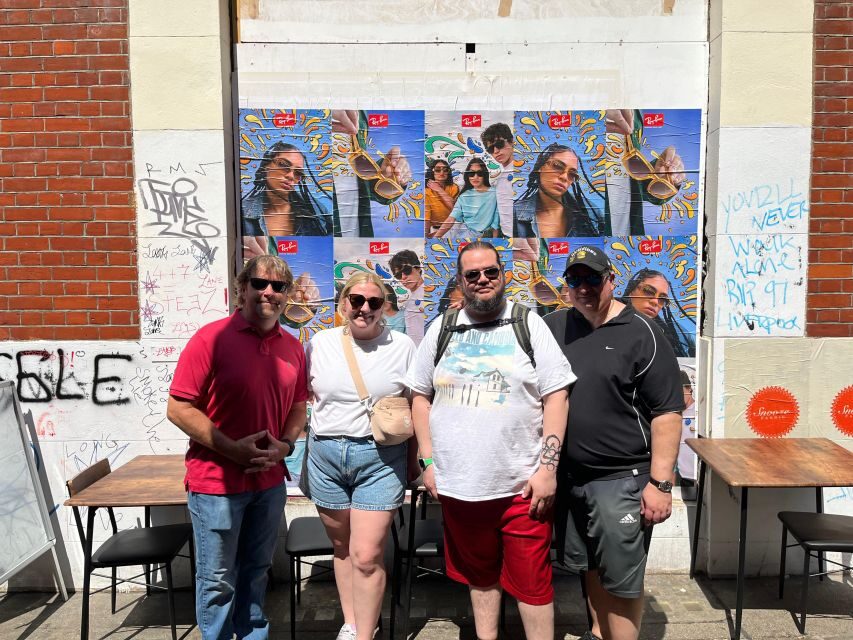
Here’s where the tour earns its reputation for leaving you with memories, not just facts. You’ll hear about where the Sex Pistols squatted, plus a detail about Elton John’s first ever job as a tea boy.
These aren’t the big headline facts you’d expect from every Beatles-themed tour. Instead, they’re the kinds of origin details that explain how careers start in unglamorous ways, and how quickly ambition can turn into visibility when the right scene is nearby.
The tour also points out places connected to John Lennon and a famous comedy routine, plus a stop tied to where an Oasis album cover photo was taken. Even if you’re not a deep-dive fan of every reference, these pop-culture breadcrumbs make Soho feel current and layered rather than locked in the 1960s.
Soho Lofts, Reckless Records, and studio-hunt street energy
The tour includes several street-level stops that feel like you’re doing your own mini “music detective” work, but with context handed to you.
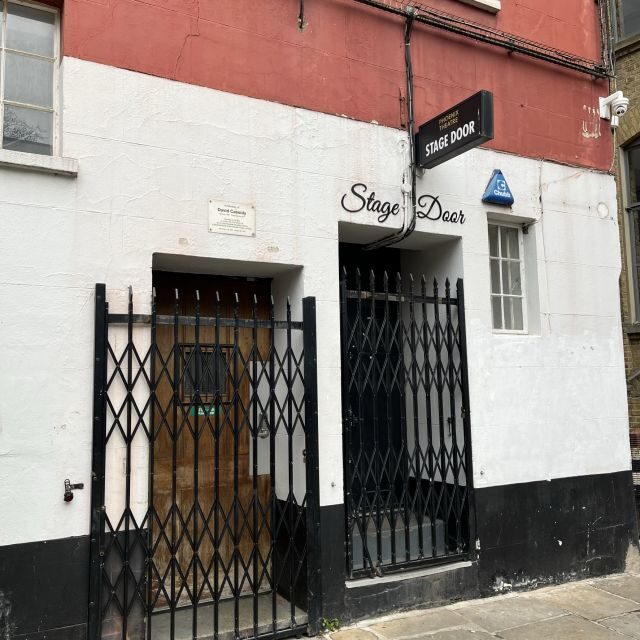
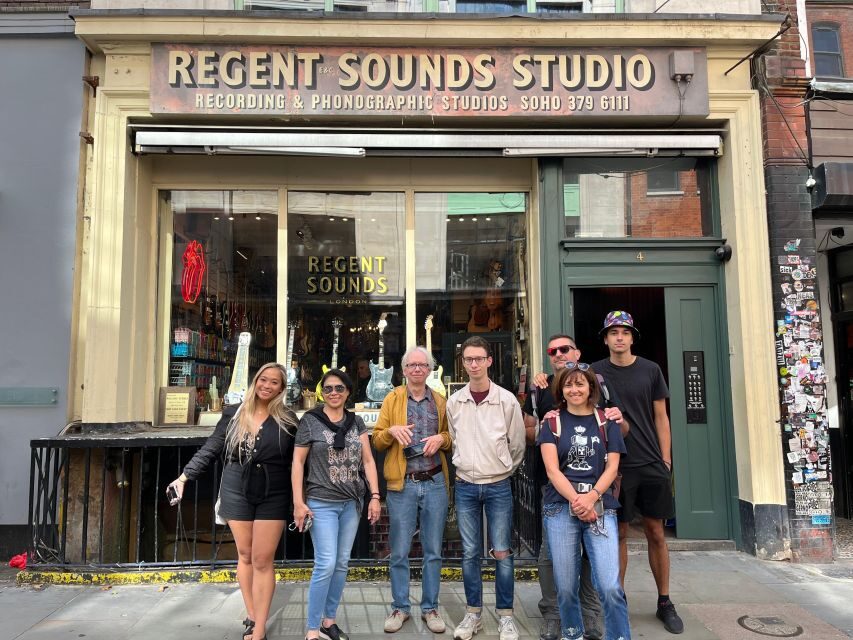
You’ll see Soho Lofts, then stop at Reckless Records, which helps connect the older music history to the record-shop culture that kept feeding the scene. There’s also a stop for the former site of Trident Studios, which gives you a real sense of how much production history the area holds.
Another important beat is the presence of a studio stop tied to both Bowie and the Beatles recordings. When you hear multiple artists connected to a similar recording ecosystem, the neighborhood stops being a set of unrelated stories and starts becoming one system.
This is also one of the most photo-friendly stretches. You’re constantly getting short guided pauses, which means you’re not just walking through scenes—you’re also collecting the visual proof to make the memories stick.
Finishing at The Dog and Duck: a 1734 pub where stories land better
The tour ends at The Dog and Duck, an historic pub first built in 1734. This finish is a smart move. Instead of running off after the last stop, you get a place to slow down and let the story connect in your head.
The guide also shares personal music business involvement stories if you want that angle. That added human layer is one of the most praised aspects of the experience because it makes the tour feel less like a scripted slideshow and more like a conversation with someone who understands the industry side too.
This is a good spot to ask follow-up questions. If you care about particular artists—maybe the Beatles, Bowie, Elton John, or the later rock wave—this is the moment to get practical recommendations on what to listen to next, based on what the guide thinks matters.
A small, real-world reminder: drinks and food aren’t included. If you plan to stay after, bring a card and decide in advance what you’re comfortable spending.
Price and value: what you really get for $33 in London
At $33 per person for about 2 hours, this is a strong value for London—especially if you like music history and you prefer walking tours with clear context.
Why it feels worth it:
- You get a fully guided route with multiple high-impact stops rather than a generic “Soho overview”
- You end with a historic pub finish built in 1734
- The guide brings anecdotes and personal stories that make the places more memorable
- You spend your limited sightseeing time in a concentrated area instead of dispersing across the city
It’s not a bargain if you’re only casually interested in music trivia. But if you love rock, pop, and the behind-the-scenes origin stories, this is the kind of tour that pays you back in replay value—later, when you hear a song, you’ll remember the street.
Who should book this Soho music walking tour
This is ideal if you:
- Care about British rock history and want to see it in physical context
- Like fast, story-driven walking tours with frequent photo stops
- Want an ending in a classic pub setting, not just a “good luck, bye” finish
You might skip it if you:
- Don’t enjoy walking for 2 hours
- Are traveling with kids under 11, since the tour is not suitable for that age group
- Prefer museums or exhibitions over street-level storytelling
Should you book? My honest take
If your London trip includes a music fan moment—a concert playlist you keep replaying, a favorite band you connect to strongly—book this. The tour’s biggest strength is that it uses Soho’s real layout to explain why so many legends cluster in the same few blocks.
Also, the format is easy: guided, paced well with short stops, and finished in a place you’ll actually want to linger. For $33, you’re buying both logistics and narrative. You walk away with locations you can picture, not just names you’ve read about.
FAQ
Where does the tour start?
You meet outside the main entrance to the Dominion Theatre.
How long is the walking tour?
The tour runs for 2 hours.
What is the tour price?
It costs $33 per person.
What language is the guide?
The tour guide speaks English.
Where does the tour finish?
The tour finishes at The Dog and Duck.
Is food or drink included?
No. Food and drinks are not included (and gratuities are not included either).
Is this tour suitable for children?
No. It is not suitable for children under 11.
Do you get free cancellation?
Yes. You can cancel up to 24 hours in advance for a full refund.
Is the tour wheelchair accessible?
Yes. It is wheelchair accessible.