REVIEW · LONDON
London: Private City Kickstart Walking Tour
Book on GetYourGuide →Operated by LocalCoolTour · Bookable on GetYourGuide
A London primer, tailored to you.
This private 3-hour city kickstart is built for first-timers who want big landmarks plus small orientation wins, without the stressful crowd shuffle. You start near London Bridge, get a quick guided taste of key sights, then move by foot and Tube to Westminster, finishing at Covent Garden Market.
I especially like two things: the private guide feel (it’s just your group) and the way the route blends icons with practical city-learning moments, so you can navigate the rest of your trip. It’s also a solid option if you’re traveling with kids, since the tour can be adjusted when you request it.
One consideration: with this many stops, the pacing is brisk, and some segments are intentionally short. If you want slow, deep explanations at every curb, you may need to ask for extra time or clarifications as you go.
In This Review
- Key moments that make this tour work
- Kicking off near The Shard and getting your London bearings
- London Bridge to Borough Market: a riverfront sampler with variety
- Shakespeare’s Globe and Millennium Bridge: views plus literary London
- St Paul’s to Westminster Abbey: the “why London looks like this” section
- Whitehall, Trafalgar Square, and the smallest police station story
- Covent Garden Market finish: your landing point for evening plans
- Price and value: why $93 can be fair (and when it’s not)
- Who this tour suits best (and who should skip it)
- Tips to make the most of your 3 hours
- Should you book this London Private City Kickstart Walk?
Key moments that make this tour work
- A morning-start route near The Shard and London Bridge to help you orient fast
- Tube included, so you get to Westminster without logistics headaches
- A landmarks ladder from St Paul’s to Westminster Abbey to Big Ben
- Shakespeare’s Globe + bridges for classic views you can actually picture later
- Covent Garden Market finish, with time to linger afterward
- Small detail stops, like seeing the smallest police station in the city
Kicking off near The Shard and getting your London bearings
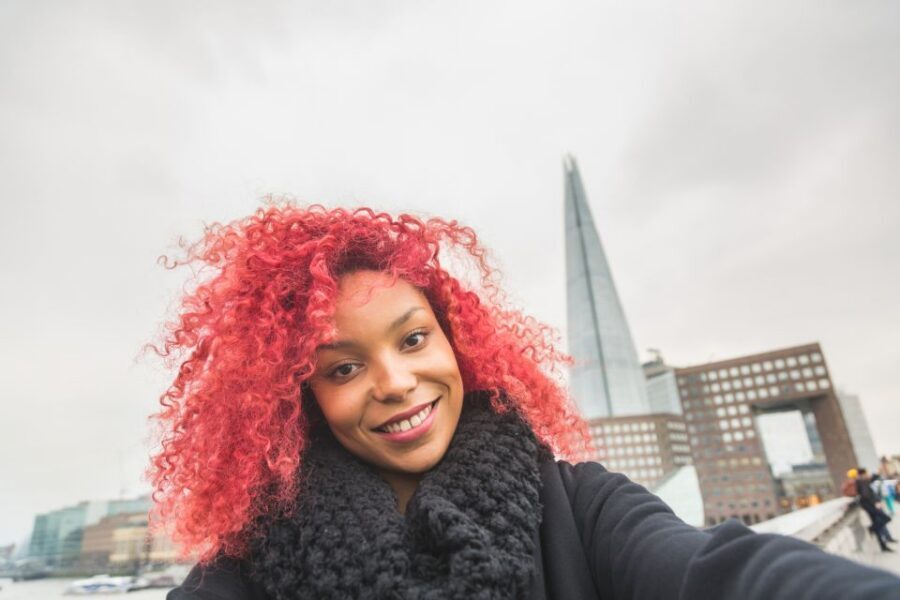
The tour begins at the door of Shangri-La The Shard, with the meeting point outside London Bridge Underground Station. That’s a smart choice for newcomers: you’re starting in an area that’s easy to reach and a good base for understanding the city’s south-side layout.
You then get a short guided moment by The Shard. Even if you don’t go up (this tour doesn’t say you do), the stop helps you place one of London’s most recognizable modern shapes into the older city map you’ll see all afternoon.
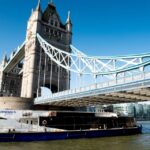
From there, you head toward London Bridge, and you’ll quickly learn how the riverfront connects to the rest of your day. The goal here isn’t to hit everything. It’s to build a mental map you can use when you’re wandering on your own later.
You can also read our reviews of more walking tours in London



London Bridge to Borough Market: a riverfront sampler with variety
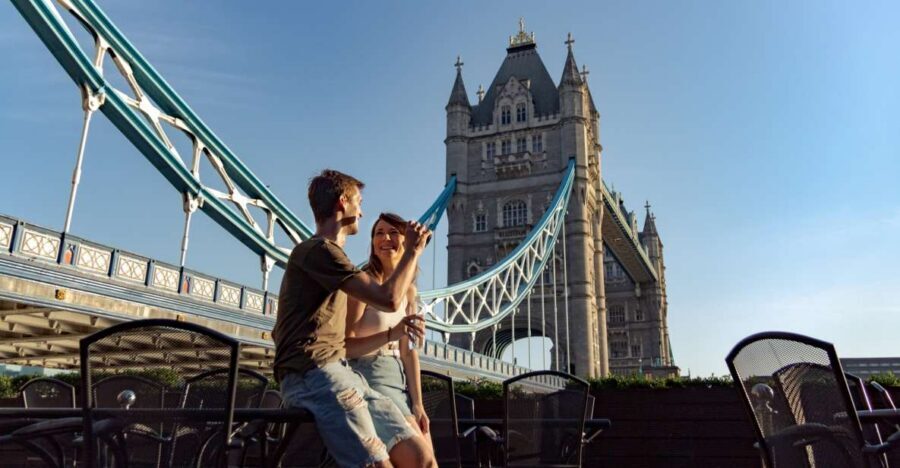
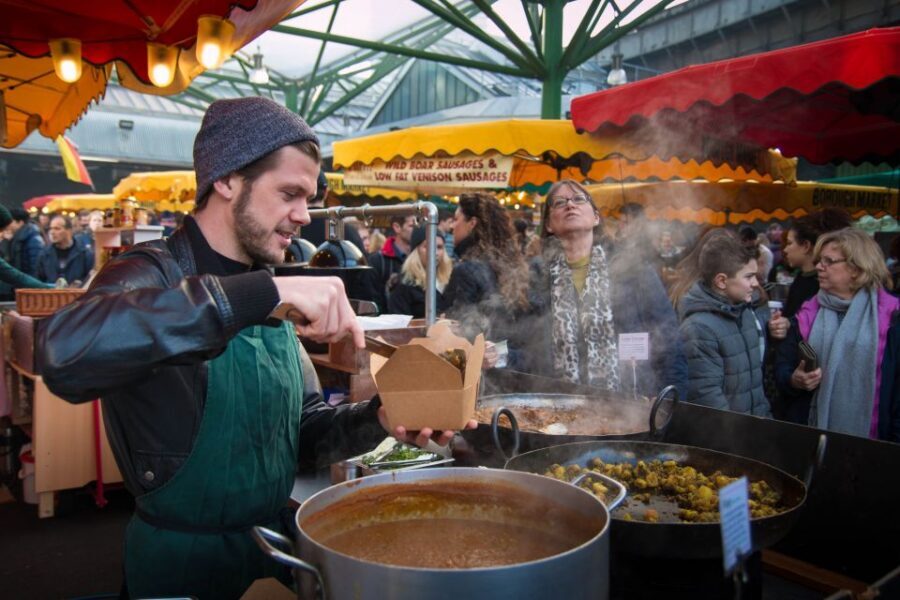
The first landmark sweep includes London Bridge, followed by stops around Borough Market. Borough Market is a well-known central market area, and even with limited time, it gives you a sense of how locals and visitors mix in the food-and-streets orbit of the city.
Next comes The Golden Hinde. The tour lists it as a guided stop, so expect a short, focused look that’s more about context than a long museum session. This is the kind of stop that can pay off later, because once you know what something is, the location stops being random.
Then you’ll step into Clink Prison Museum. Since it’s a prison museum, you should think “story time with a dramatic setting,” not a quick photo stop. If you’re traveling with younger kids, the museum-style content may or may not be their favorite part, but it’s a memorable contrast to the grand churches coming up.
A practical note: this early stretch is built to keep variety high—river, market area, historic ship site, then a prison museum—so you don’t burn out before the iconic central sights.
Shakespeare’s Globe and Millennium Bridge: views plus literary London
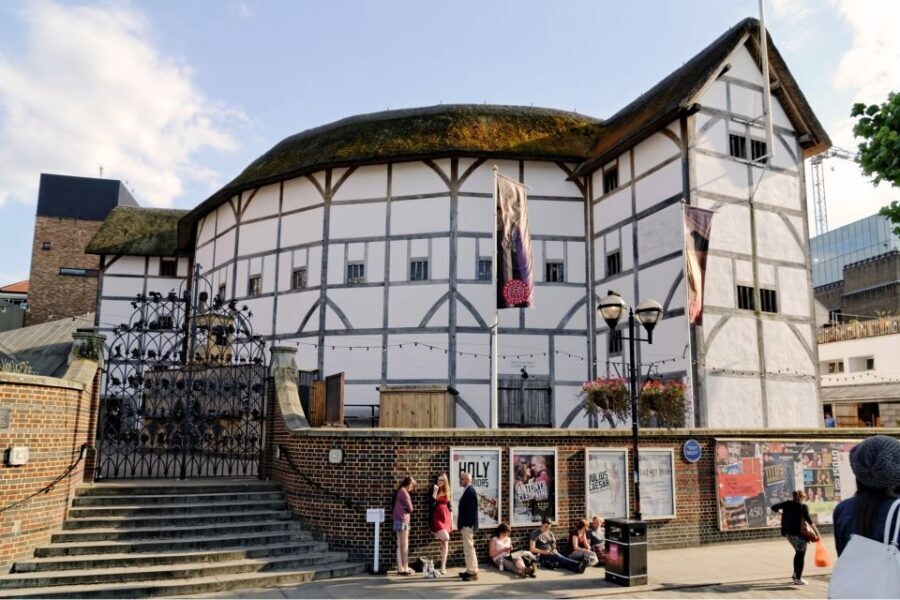
You’ll reach Shakespeare’s Globe Theatre for a guided visit. This stop is one of the best for people who like feeling the city’s culture under their feet, not just staring up at buildings. You’re not asked to pretend you’re in a playhouse for hours; it’s a short, structured introduction that helps you recognize the Globe’s role in London’s performance story.
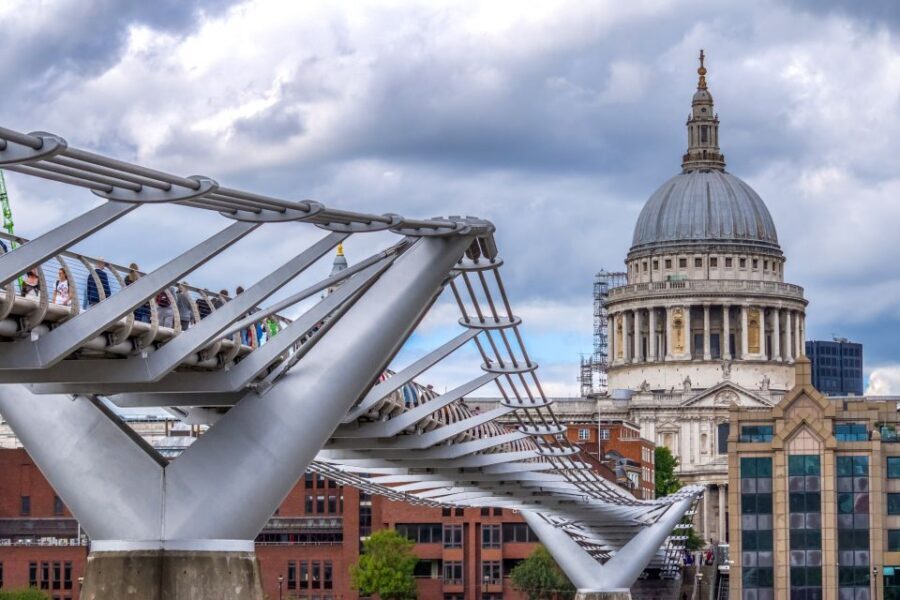
After that, you cross or pass through the Millennium Bridge area for a guided moment. The purpose is pretty clear: London bridges can be hard to “get” without context, and this helps you understand why that bridge sequence matters. You’ll walk away with a view you can recall when you see the skyline later.
This middle portion is also where you’ll start noticing what your guide does best. In one experience, Dominic kept things lively and added a bit of extra fun (including a pub detour for the group). In other cases, guides like Fredrico have been praised for their entertaining style and for keeping pace comfortable for parents in their 70’s. So it’s worth paying attention to whether your guide’s rhythm matches your group.
St Paul’s to Westminster Abbey: the “why London looks like this” section
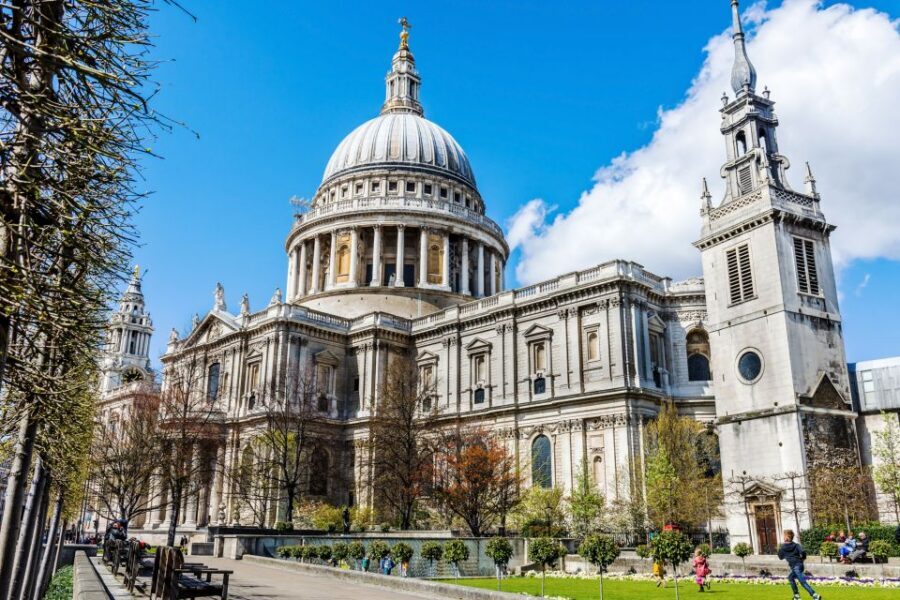
A big shift happens as you move toward St Paul’s Cathedral. You’ll have a short visit here, which can actually be ideal on a first day. With limited time, you’re getting the landmark baseline—where it sits, why it’s positioned the way it is, and how it fits into the rest of the day’s route.
Then you head to Westminster Abbey. This part of the tour is about the classic Westminster cluster: major institutions packed close together, but with different identities and eras. Even with a shorter guided stop, you should come away with clearer differences—what you’re looking at and why it matters.
You also get a Tubed ride to Westminster as part of the tour flow, and underground tickets are included. That’s a big value point: it saves you time and keeps your afternoon from turning into “where do we buy tickets now?” math.
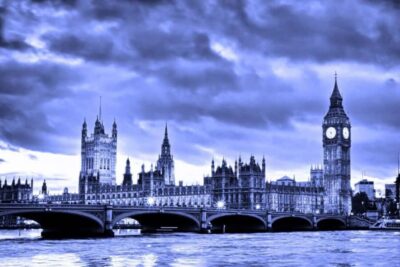
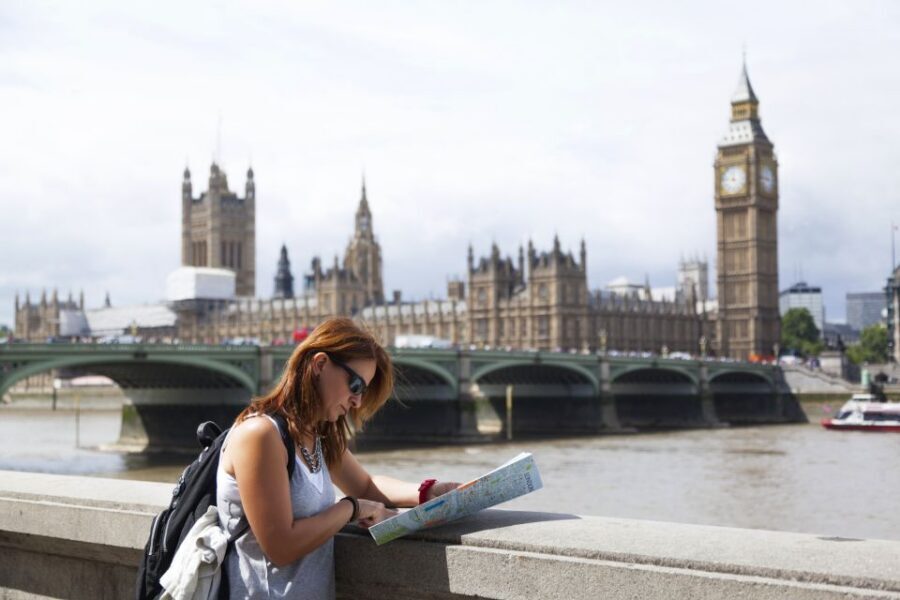
Big Ben is next, with a longer guided focus than some of the other stops. Big Ben draws the crowds for a reason, but the best part of this segment is learning what you’re looking at and how it fits into the larger Westminster story—rather than just checking off a name.
Whitehall, Trafalgar Square, and the smallest police station story
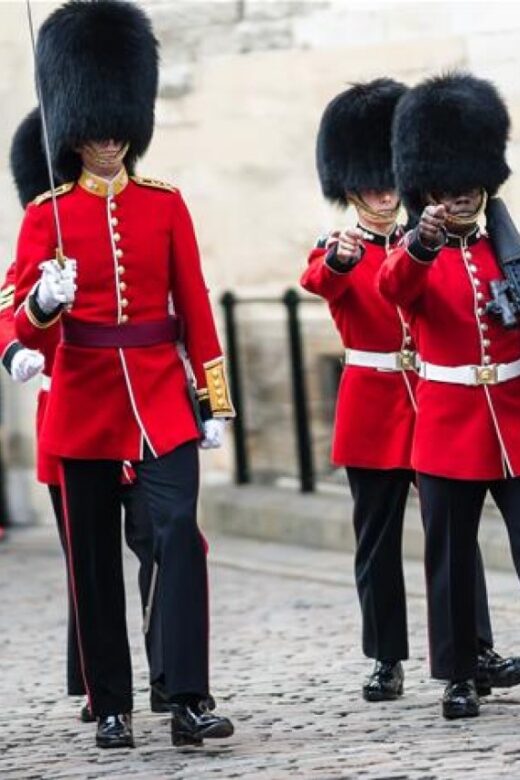
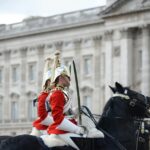
Once you reach Horse Guards Parade at Whitehall, you’ll get a guided look at the ceremonial side of London’s government neighborhood. Whitehall is one of those areas that can feel like you need a guide just to know where to stand and what you’re looking at.
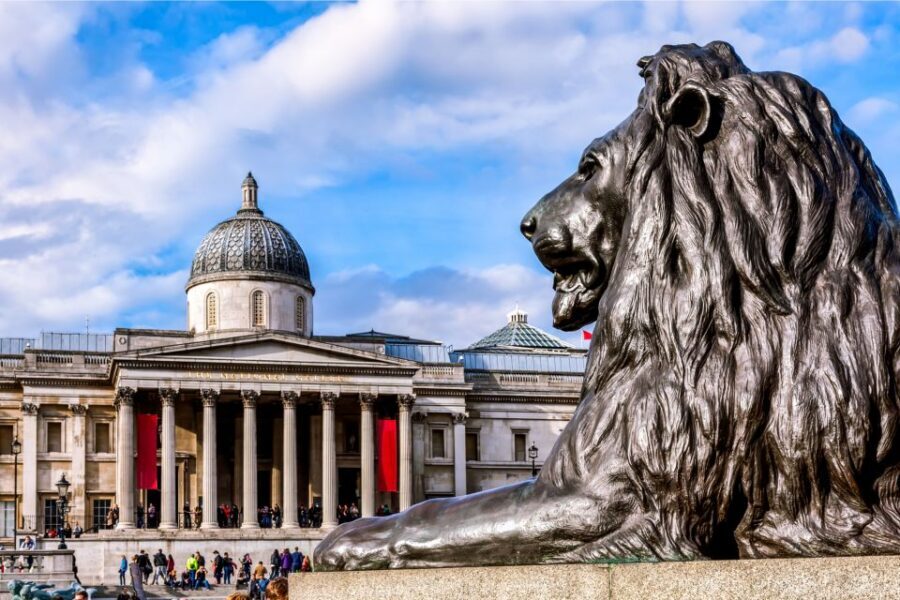
Then comes Trafalgar Square—another place where context changes everything. Without it, you can end up doing the quick walk-through shuffle. With it, you start to notice what’s centered, what’s symbolic, and how the square anchors multiple directions in the city.
One of the standout details in the tour description is the stop for the smallest police station in the city. That kind of micro-detail is exactly the sort of thing you can’t easily Google on the spot, and it makes the tour feel like more than a list of famous buildings.
This is also a good stretch to ask your guide for practical help: where the nicest photo angles tend to be, which streets are easiest to use later, and how to avoid backtracking when you’re heading to dinner.
You can also read our reviews of more city tours in London




Covent Garden Market finish: your landing point for evening plans
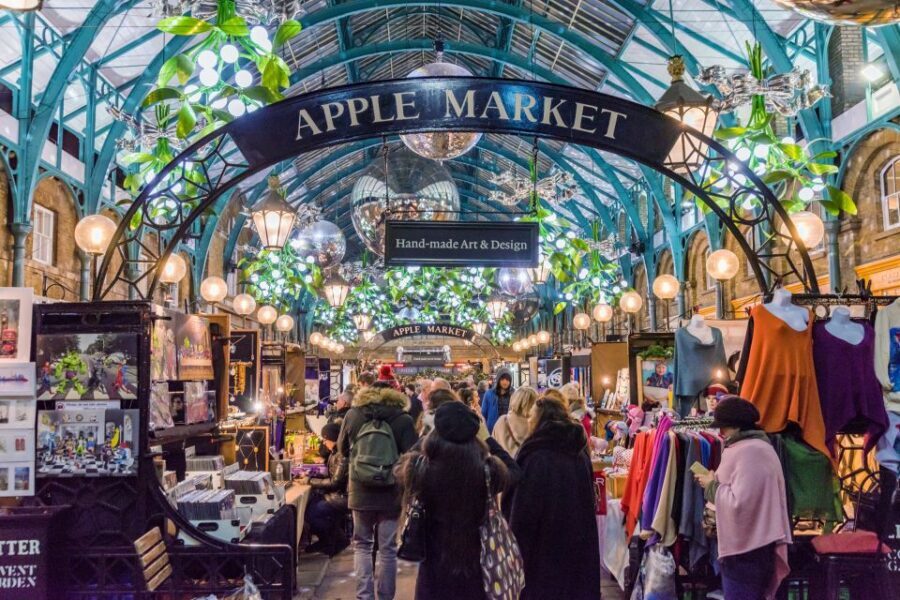
The tour ends at Covent Garden. The final stop is the Covent Garden Market, described as an open-air market with historical character and cobblestone corners. Even if your official guided time is limited, finishing here is a smart move because Covent Garden is the kind of neighborhood where you can keep your evening flexible.
You get time to look around the open-air shops and absorb the street-level atmosphere. The tour also includes history behind the market, so when you wander after the guide leaves, you’ll have more to connect to than just storefronts.
If you’re traveling with kids, this ending can work well because it’s visually fun and easy to turn into an evening plan—something calmer than a museum line, but still interesting.
Price and value: why $93 can be fair (and when it’s not)
At $93 per person for 3 hours, this tour sits in the “private but short” category. You’re paying for three things that add real value on a first London day: a local guide, a route that avoids the worst crowd friction, and underground tickets so transit doesn’t eat your time.
The private aspect matters. A private guide can pace you, answer questions in real time, and tailor the day if you tell them you’re traveling with children. One of the best bits of evidence here is that Fredrico’s pace worked well for a group including parents in their 70’s, which tells you guides can adjust for comfort and stamina.
Still, one downside showed up in a less favorable experience: a guide ended the tour after about an hour, with fewer details than expected. That doesn’t mean it’s typical, but it’s a good reason to set your expectations clearly at the start. Ask what level of detail you’ll get for each stop, and speak up if you want more time at fewer locations.
If you’re the type who loves building your own route using maps and you already know exactly where you want to start, you might feel the cost. But if you’d rather pay to have a clean plan—especially with Tube included—this is a reasonable way to get oriented without wasting half a day figuring it out.
Who this tour suits best (and who should skip it)
This is a great fit if you’re:
- New to London and want a guided “how the city fits together” route
- Traveling with family, where you want a pace and structure that can be adjusted
- Interested in classic landmarks plus a few smaller, specific stories (like the smallest police station stop)
It may be less ideal if you:
- Want a long, deep dive into museums or architecture at every stop
- Prefer very quiet experiences and don’t want any group movement or quick transitions
- Have expectations that every stop will be long-form and highly detailed, regardless of the 3-hour limit
Also, consider personal comfort with guide style. One experience mentioned the guide using religious language in a way that didn’t sit well with them. That’s not something you can predict, but you can solve it by saying you prefer a more formal approach if that matters to you.
Tips to make the most of your 3 hours
Wear comfortable shoes. This is a walking tour, and the itinerary stacks several high-recognition locations close enough to make sense but still far enough to require stamina.
Bring an umbrella. London weather can change without asking, and you’ll be outside for much of the route.
When you meet your guide, ask two simple questions:
- What will you prioritize if we have the chance for only one deeper stop?
- If we’re taking photos, where should we stand so we don’t lose time?
If you’re traveling with kids, tell your guide what “success” looks like for them—short stops, snack breaks, or just keeping it fun. Since the tour can be tailored, you’ll get a better day by giving a clear target.
Should you book this London Private City Kickstart Walk?
If you want an efficient first day that hits major sights—St Paul’s, Westminster Abbey, Big Ben, Shakespeare’s Globe, plus a fun ending in Covent Garden Market—this is a strong choice. The private guide format and Tube tickets included make it easier to start strong and move smoothly into the rest of your trip.
I’d book it if you’re okay with a brisk, structured pace and you value orientation over slow museum time. If you crave long explanations at every stop, or you dislike short visits, you may prefer a longer, more specialized tour instead.