REVIEW · LONDON
London: Private Underground and Tube Tour
Book on GetYourGuide →Operated by Brit Icon Tours · Bookable on GetYourGuide
Underground stories start where platforms meet daylight. This private tour follows the London Underground from its 1863 beginnings to today, with a walk-and-rail route that feels built for curious people, not commuters. I especially like the way you get practical context, like why Circle Line direction once mattered and how ownership and technology changes shaped the network. Another big draw is the ghost stations angle, where familiar parts of the Tube become strange and story-filled again. One consideration: it is not set up for wheelchair users or for parents with prams.
You’ll meet your guide under the clock on Platform 1 at Paddington Station, then finish at Westminster. The best part is how personal the pacing can be in a private group, and past guides named by groups include Rory, Jericho, Chris, and Fiona—each described as engaging and comfortable with questions. Route details can shift a bit because of improvement work on the network, so plan for a living city, not a museum script.
In This Review
- Key highlights you’ll care about
- Paddington Platform 1: The tour starts where the Tube becomes real
- 150 years of the Tube in 165 minutes: how the pacing works
- The oldest stretch and the Circle Line direction lesson
- Ghost stations: the stories behind what no longer runs
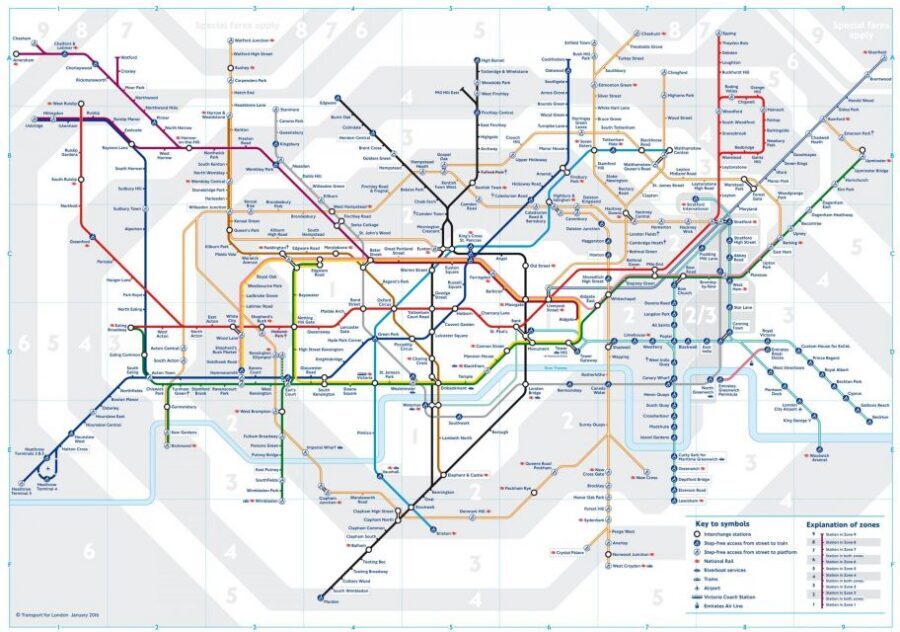
- The Tube map vs real stations: getting your bearings fast
- Deep, beautiful, and peculiar stations: what you’ll actually notice
- Guide style matters: Rory, Jericho, Chris, and Fiona as examples
- Price and value: what $84.86 buys you, and what it doesn’t
- Logistics you should plan around
- Who should book this Underground tour
- Should you book the London Private Underground and Tube Tour?
- FAQ
- Where does the tour start and end?
- How long is the Underground and Tube tour?
- Is this a private group tour, and is the guide English-speaking?
- What do I need to ride or enter during the tour?
- What’s included in the price, and what’s not included?
- Can I cancel for a refund or pay later?
Key highlights you’ll care about
- Paddington Platform 1 start: Meet right under the clock, then you’re immediately in the story.
- London’s oldest railway stretch: You’ll ride along a section tied to the Underground’s earliest era.
- Circle Line direction explained: You’ll learn why knowing which way you were going used to matter.
- Ghost stations spotting: You’ll hear how some stations became part of Tube folklore.
- Tube map realism: You’ll learn how accurate the map really is when you’re standing in the station.
Paddington Platform 1: The tour starts where the Tube becomes real
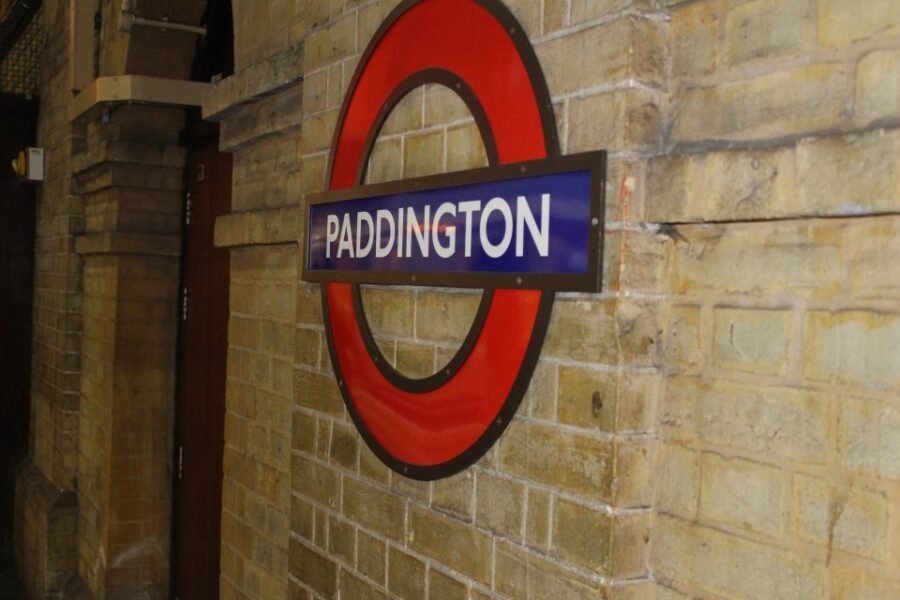
The meeting point alone helps you switch mental gears. You’re not starting in a casual lobby; you’re starting under the clock on Platform 1 at Paddington Station. That matters because it pushes you to pay attention to how station layouts, signage, and platform design shape how people actually move through London.
From the first moments, the tour frames the Underground as something more than a line on your phone. It’s a layered system that grew in stages—new lines, old tunnels, changing operators, and technology upgrades. You’ll be shown how that evolution shows up in station quirks you probably pass every day without noticing.
Also, because the tour ends back at the meeting point area, you’re not dealing with a stressful “what now?” finish. It concludes at Westminster Station, so it’s also easy to connect your Tube story with a classic sightseeing finish.
You can also read our reviews of more private tours in London



150 years of the Tube in 165 minutes: how the pacing works
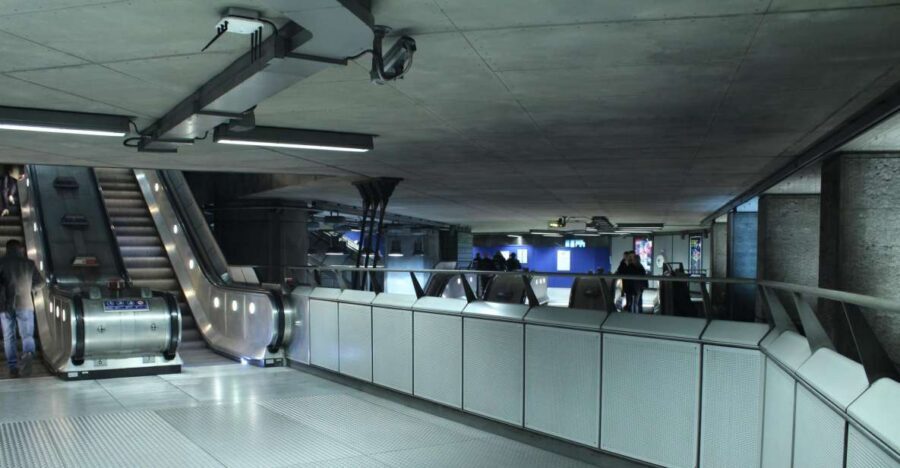
The total duration is listed at 165 minutes, so you’re looking at about 2 hours and 45 minutes of moving at a comfortable walking-heritage pace. This isn’t a long-distance hike, but it is still a walking tour in stations, and the Underground environment is not the same as walking outdoors. Expect stairs, corridors, and the usual station bustle.
In a private group, you get flexibility. If something doesn’t make sense, or if you want a deeper explanation of a feature you’re seeing, the guide can slow down. Several guides have been praised for staying engaged and personable, and for keeping the mood light while still connecting stories to real station design.
One practical note: the route may change slightly due to improvement work on the network. That’s normal in London, and it can even be a bonus. When the network shifts, you get to see how infrastructure and operations adapt, not just how it looked at the start.
The oldest stretch and the Circle Line direction lesson
One of the most memorable parts of this tour is the focus on the Underground’s early development. You’ll travel along London’s oldest stretch of railway line, and you’ll be shown how those early decisions still echo in what you experience today. It’s not just dates and facts—it’s why older sections can feel different in the way trains move and how stations are arranged.
Then comes the highlight many people talk about: why it was important to know which way to travel on the Circle Line. The Circle Line is famous for being confusing if you only think in terms of modern maps. But the tour approach helps you understand the logic behind direction, routing, and how people used the network at different times.
If you ride the Tube regularly, you’ll probably already have habits like always going the same way or treating certain platforms as interchangeable. This tour nudges you to notice that direction and service patterns have meaning. It’s the kind of detail that makes future rides feel less automatic and more understandable.
Ghost stations: the stories behind what no longer runs
London has places where the Underground remembers itself. You’ll learn about London’s ghost stations, and the point is not just to collect trivia. It’s to understand how transit systems change when the city changes—when lines are rerouted, stations close, and infrastructure gets reused or abandoned.
Ghost stations can feel spooky in a fun way, but the tour treats them like real engineering and real planning decisions. You’ll hear about why certain stations became part of the network story even after service ended. And you’ll also see how that legacy shows up in the way stations feel today—shadows of past connections, awkward spaces, and routes that don’t behave the way your modern expectations suggest.
A big value here is perspective. Once you know the network has had chapters you’re not living in anymore, you start noticing the small physical clues: what looks like it was built for a different flow of passengers, what feels too quiet, and what makes certain areas look slightly out of place.
The Tube map vs real stations: getting your bearings fast
You’ll find out just how accurate the Tube map really is. This is a practical tour feature, even though it sounds like a nerdy fact. The map is great for planning routes at speed, but stations are three-dimensional, not flat diagrams. Corridors, connections, and platform access can make the “distance” between lines feel very different than the drawing.
During the tour, you’ll learn what the map gets right and where it simplifies reality. That helps you in two ways:
- You’ll read stations more effectively when you’re transferring.
- You’ll stop expecting every connection to behave like the map suggests.
It also makes you a better “first-time visitor” in London, because you’ll understand how the Underground’s design and passenger flow work. Even if you never ride with a guide again, you’ll keep a mental model that makes station navigation less stressful.






Deep, beautiful, and peculiar stations: what you’ll actually notice
The tour is described as visiting some of London’s most famous, deepest, beautiful, and peculiar underground stations. That wording matters, because it signals the tour approach: you’re not just riding through stops; you’re looking at them.
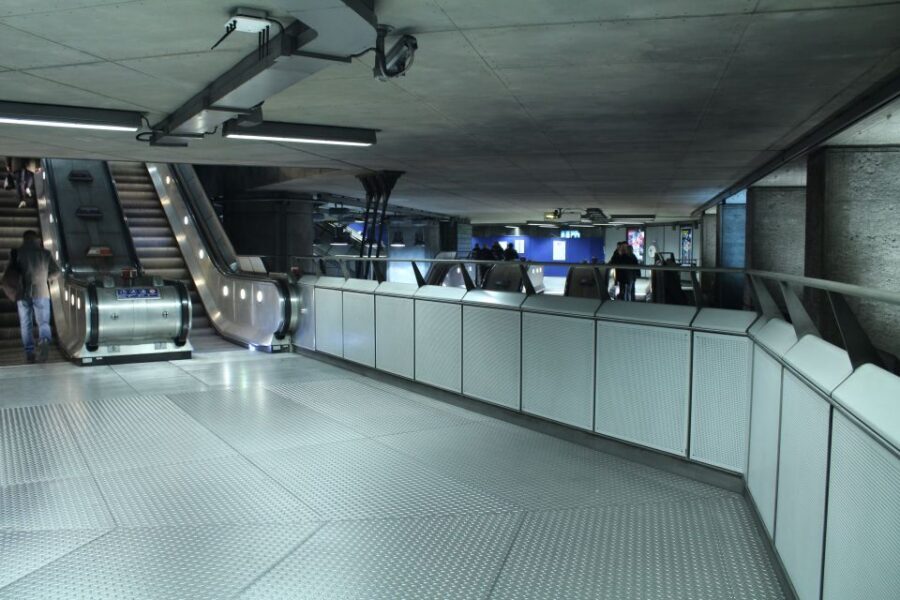
So you’ll likely spend time in and around stations where the experience feels slightly different from the typical “platform and train” routine. You’ll notice how architecture affects movement: where people naturally slow down, where sightlines change, and where station design quietly controls your route.
Past groups have emphasized finding hidden or overlooked spots and seeing stations in a new way after years of regular Tube use. That’s exactly what you should expect from a guide-led route focused on quirks. You’ll learn why certain layouts exist, not just that they exist.
And because the Underground lines were once run by rival companies, you’ll get context for why the system looks like it does. Different ownership and operational priorities can leave a mark in signage patterns, tunnel character, and even the logic behind how stations connect.
Guide style matters: Rory, Jericho, Chris, and Fiona as examples
This is where the private-group format really pays off. You’re not stuck listening to a generic script while people tune out. Multiple guides have been praised for being friendly and personable, and for making the tour feel interactive.
Names that have come up include:
- Rory, described as a font of information and entertaining, and with a relaxed style that didn’t mind questions.
- Fiona, described as warm and welcoming, helping a couple of first-timers feel at ease while keeping them interested with the history all around them.
- Jericho and Chris, praised for enthusiasm and for keeping things informative without turning it into a lecture.
You can’t guarantee which guide you’ll get, but you can trust the format: the guide is a live presence, and the tour is designed around explaining what you’re seeing as you see it.
Price and value: what $84.86 buys you, and what it doesn’t
The price is listed at $84.86 per person for 165 minutes with a professional guide included. What’s not included is travel costs, which matters because London transit doesn’t run on vibes—it runs on cards and fares.
The tour requires a zone 1 travel card or an Oyster card topped up with at least £7 of pay-as-you-go credit. That’s a real “budget check” item. If you’re arriving without an Oyster or without enough credit, you’ll want to sort that before the tour so you don’t start late or end up cutting the experience short.
Value-wise, the price makes sense if you want three things:
- A guided route through multiple stations, not just one interesting stop.
- Context that connects history to how the system works in real life.
- A private group format where your questions are part of the itinerary.
It’s also worth noting that some people felt it wasn’t too heavily priced for a private tour. That tracks with the inclusion of a professional guide and the time investment of nearly three hours.
Logistics you should plan around
This tour is built for the Underground environment, and that comes with a few practical realities.
First, it is not allowed to bring baby carriages. Second, it’s not accessible for wheelchair users or for parents with prams, because the nature of the locations visited doesn’t fit those needs.
Third, it’s a stations-first tour. That means there may be limited bathroom stopping options during the walking-and-moving parts. One review mentioned the lack of a loo stop as a minor issue for an older participant. If that matters to you, plan accordingly before you meet at Paddington.
Finally, remember: travel costs are not included. You’ll be using your own Zone 1 travel card or Oyster credit as required. Bring it, top it up, and keep it accessible.
Who should book this Underground tour
I think this tour is a strong fit if you:
- Like history, but prefer it connected to real places rather than textbooks.
- Want to understand how the Tube works beyond route-planning apps.
- Enjoy oddball details—ghost stations, the Tube map’s quirks, and why a line like the Circle has layers of complexity.
- Want a private experience with a guide who will answer questions and adjust pace.
You might skip it if you need wheelchair access, if you’re traveling with a pram, or if a walking-heavy Underground route is a no-go for your day.
If you’re a first-time visitor, you’ll still get value because the tour teaches how to read the system. If you’re a longtime London rider, you’ll also get value because it challenges the “I know this already” feeling.
Should you book the London Private Underground and Tube Tour?
Book it if you want the Tube to feel new again. The combination of 150 years of Underground history, the focus on Circle Line direction, and the ghost stations angle is a winning mix of story plus practical insight. The private-group format also means you’re not getting rushed through a highlights reel.
Think twice if accessibility is a factor for you, since the tour is not set up for wheelchairs or parents with prams and baby carriages aren’t allowed. Also, if you need frequent bathroom stops, plan ahead because there isn’t a guaranteed break built into the experience.
If you’re bringing the right expectations—walking in stations, using your own Oyster/Zone 1 credit, and staying curious—you’ll leave with a Tube map that makes more sense and stations that feel far less ordinary.
FAQ
Where does the tour start and end?
The tour starts underneath the clock on Platform 1 of Paddington Station. It ends back at the meeting point area, with the activity concluding at Westminster Station.
How long is the Underground and Tube tour?
The duration is listed as 165 minutes. Starting times vary, so you’ll want to check availability.
Is this a private group tour, and is the guide English-speaking?
Yes, it’s a private group with a live English-speaking guide.
What do I need to ride or enter during the tour?
A zone 1 travel card or an Oyster card topped up with at least £7 of pay-as-you-go credit is required.
What’s included in the price, and what’s not included?
Included is a professional guide. Travel costs are not included.
Can I cancel for a refund or pay later?
Yes. Free cancellation is available up to 24 hours in advance for a full refund. You can also reserve now and pay later, keeping your plans flexible.