REVIEW · LONDON
London: The Moonwalkers: A Journey with Tom Hanks Exhibition
Book on GetYourGuide →Operated by Lightroom KX Limited · Bookable on GetYourGuide
Moon storytelling hits in the most cinematic way.
The Moonwalkers: A Journey with Tom Hanks turns Apollo missions into a big-screen, audio-visual journey, then looks ahead at the crewed return to the Moon through the Artemis programme. I really like the Tom Hanks voiceover and the Anne Nikitin original score, but it’s worth knowing it’s a single 50-minute cinema-style experience, not a daylong museum tour.
You get that presentation in a small group setting (limited to 9 participants) at Lightroom in Greater London, with wheelchair access and no flash photography allowed. Plan it like a focused show stop, not like an all-day sightseeing block.
In This Review
- Key highlights to know before you go
- Where The Moonwalkers happens at Lightroom in just one hour
- The story you’ll see: Apollo missions, then Artemis interviews
- Tom Hanks narration and Christopher Riley’s space-focused writing
- The show’s audio-visual tech: why projection and sound do the heavy lifting
- Anne Nikitin’s original score: the emotional engine
- Price and value: $33.67 for a 50-minute show
- Practical tips for a smooth London show visit
- Who should book The Moonwalkers in London
- Should you book The Moonwalkers: A Journey with Tom Hanks?
- FAQ
- How long is The Moonwalkers experience?
- Where is The Moonwalkers showing?
- Is Tom Hanks involved in the show?
- Does the show cover Apollo missions?
- Is Artemis covered too?
- What technology is used in the presentation?
- How much does a ticket cost?
- Is food or drinks included?
- Is merchandise included?
- Is flash photography allowed?
- Is the experience wheelchair accessible?
- Can I cancel and get a full refund?
- Is there a reserve now and pay later option?
Key highlights to know before you go
- Tom Hanks provides the voiceover for the Apollo and Artemis story threads
- Apollo missions at spectacular scale, told in intimate detail
- Artemis behind-the-scenes, including interviews between Hanks and Artemis astronauts
- Anne Nikitin’s original score boosts the emotional pacing of the show
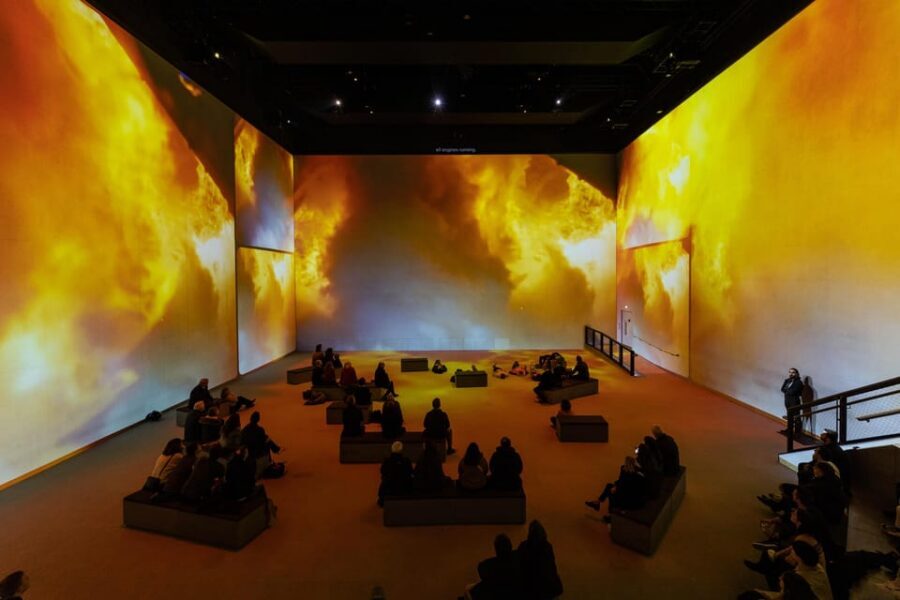
- Lightroom’s projection and audio technology makes the room feel like part of the story
- Small group format limited to 9 participants for a more contained experience
Where The Moonwalkers happens at Lightroom in just one hour
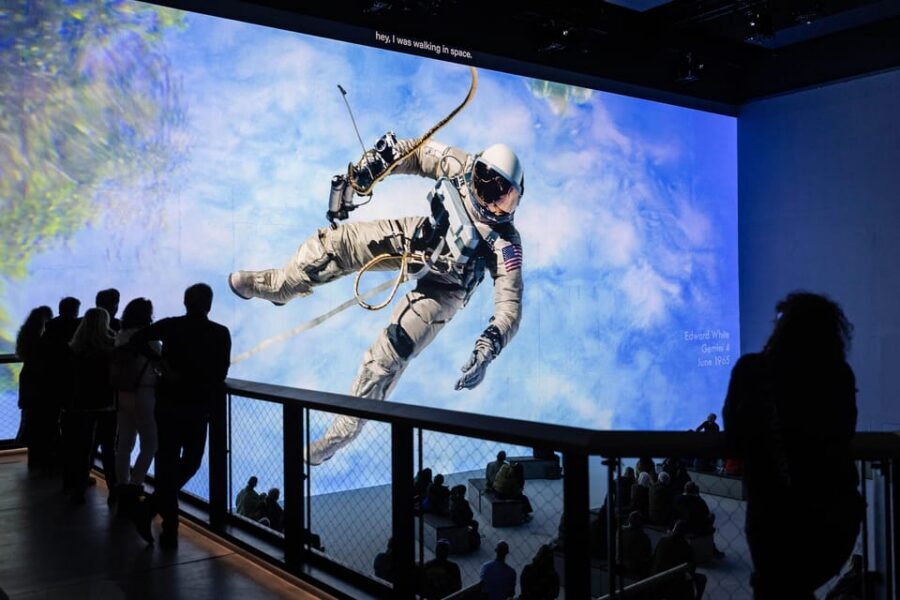
The whole visit is scheduled for about 1 hour, with a 50-minute audio visual experience at the center of it. That timing matters because it shapes expectations: you’re not drifting through multiple exhibits. You’re settling in and letting the show do the storytelling.
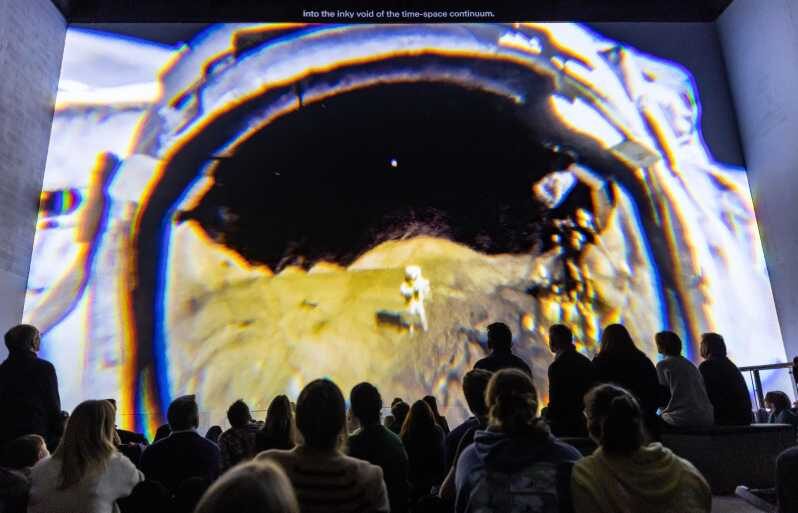
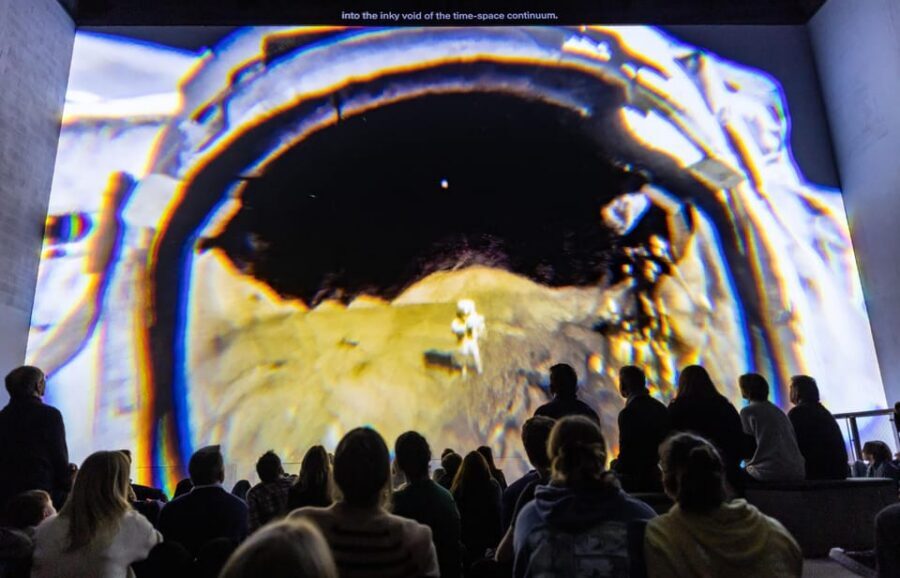
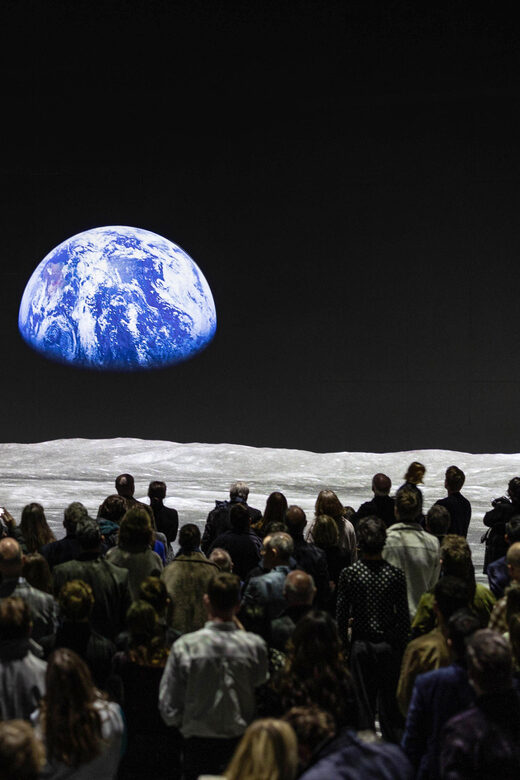
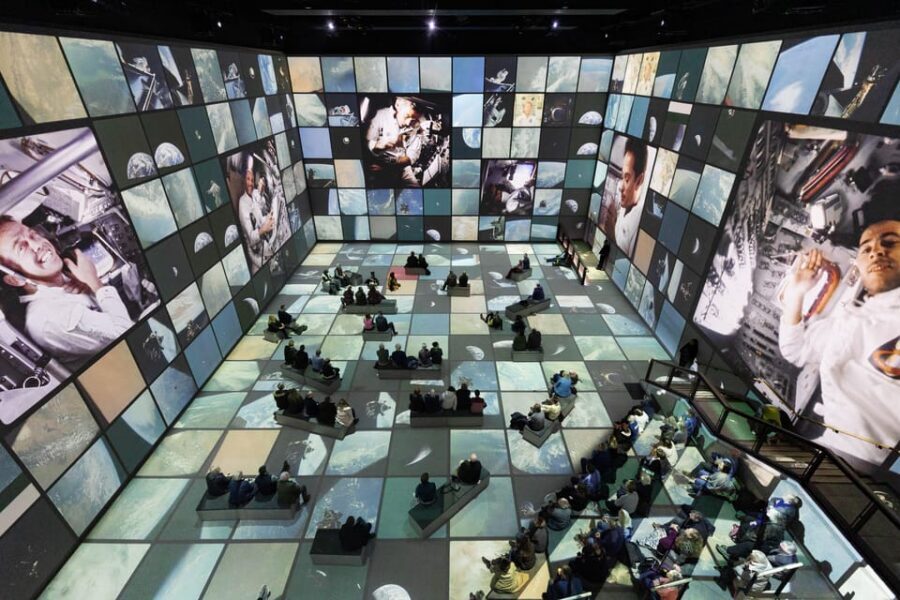
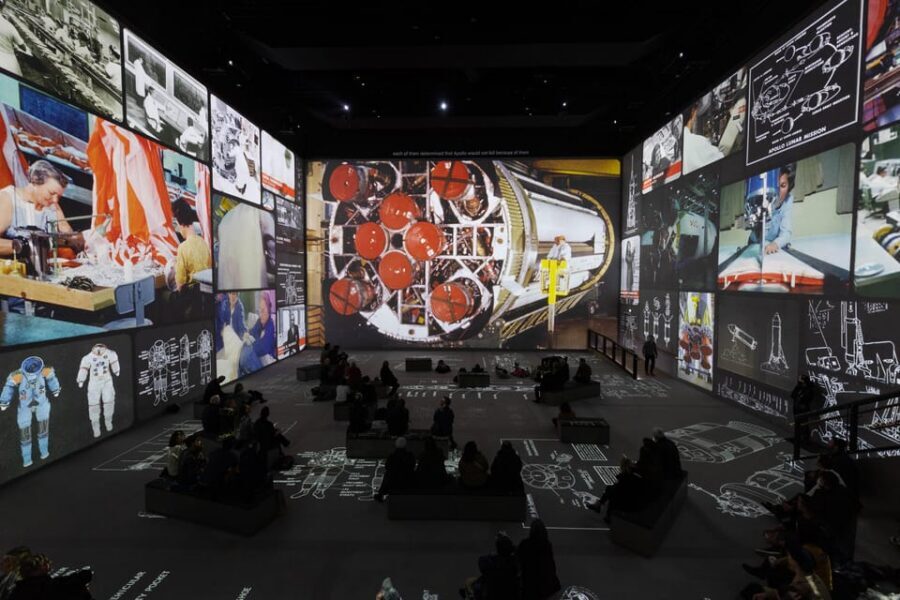
The venue is Lightroom KX Limited, and this is the kind of attraction where the space itself is part of the production. Lightroom uses powerful projection and audio technology, so the show isn’t just something you watch on a flat screen. It’s designed to make the room feel like it has scale—like you’re traveling, not just reading captions.
Two practical points help you enjoy it more:
- Flash photography isn’t allowed, so leave your camera instincts at the door.
- Food and drinks aren’t included, so if you’re doing this as part of a day in London, I’d eat before or plan to grab something after.
Good to know: the experience is wheelchair accessible, and the group stays small (max 9). If you don’t love crowded venues, that’s a real plus.
You can also read our reviews of more museum experiences in London



The story you’ll see: Apollo missions, then Artemis interviews
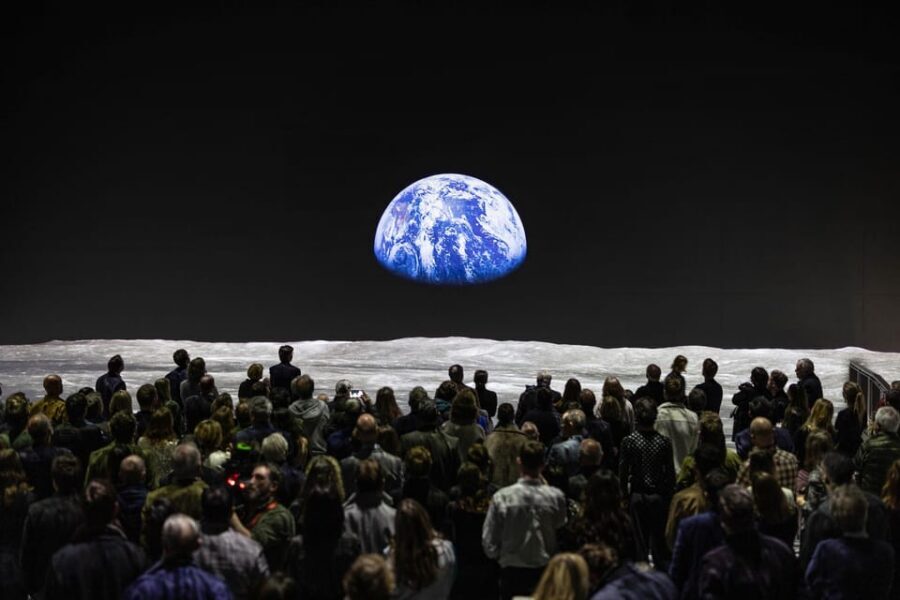
The Moonwalkers is built around a clear two-part idea: Apollo is the past, and Artemis is the future. The show tells the stories of the Apollo missions with intimate detail, but it does that at spectacular scale—so it aims to hit both emotion and understanding, not just awe.
Then it shifts to what comes next. You get insight into the impending return of crewed surface missions through the Artemis programme. Instead of staying generic, it goes behind-the-scenes and includes interviews between Tom Hanks and Artemis astronauts.
That interview element is a big deal for how the story lands. Apollo-era footage can feel like history behind glass, but interviews bring a human, present-day thread into the narrative. If you enjoy your space stories with real voices attached, this is one of the most compelling reasons to book.
Tom Hanks narration and Christopher Riley’s space-focused writing
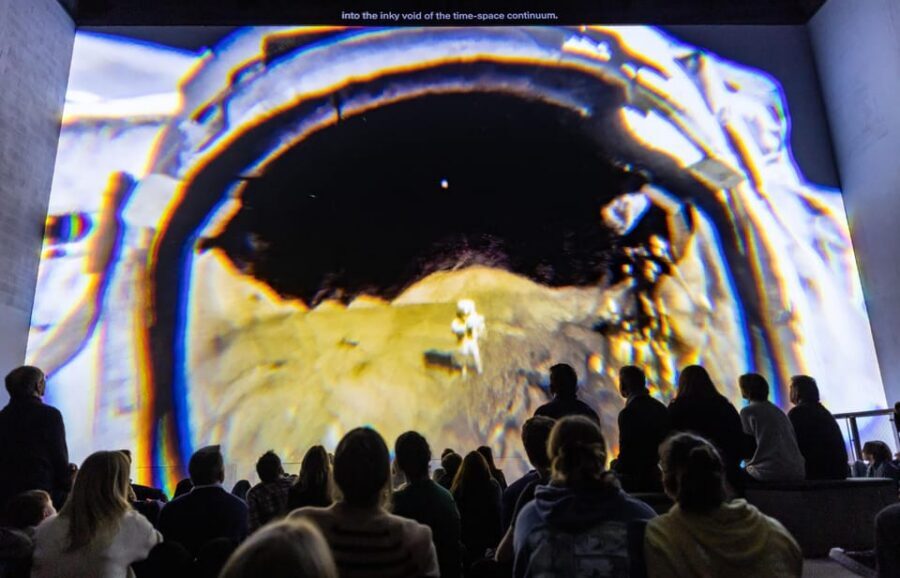
This production isn’t just famous by association. It’s famous because Tom Hanks himself provides the voiceover. The narration is co-written: Tom Hanks co-wrote The Moonwalkers with Christopher Riley, credited as a double BAFTA-nominated writer-director.
Christopher Riley’s background includes space-themed films and television work for outlets like the BBC, Netflix, and PBS. Even if you’re not familiar with his specific projects, that kind of track record tends to show up as clarity in how the script connects big missions to human stakes.
In practice, the voiceover approach matters. When a project relies on audio narration plus projection, pacing becomes part of the experience. Hanks’ voice anchors the story while the visuals handle the scale—Apollo drama up close, then future-focused explanation.
If you like film-style storytelling, this is closer to that than to a standard museum lecture.
The show’s audio-visual tech: why projection and sound do the heavy lifting
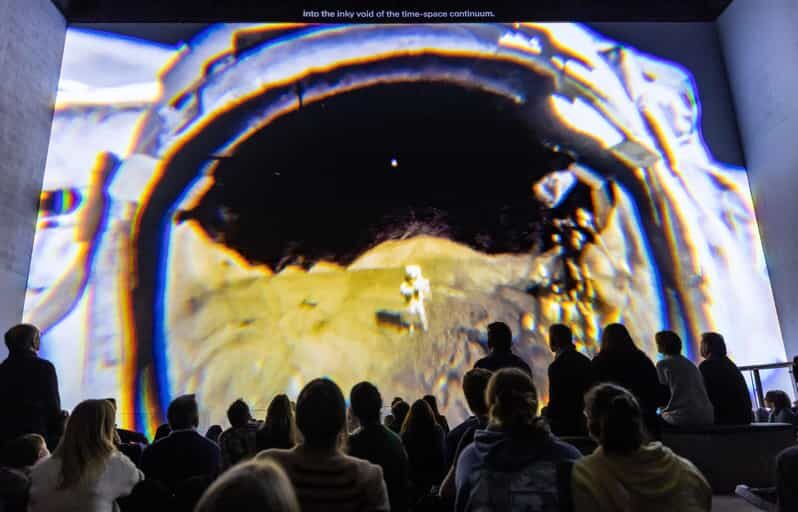
The Moonwalkers leans hard on production craft, and the details you’re given point to why. Lightroom’s powerful projection and audio technology are designed to transform the space into something that feels like a vehicle for your voyage to the Moon.
So what should you expect in your seat? You’re likely to feel sound and visuals working together in a way that a normal documentary can’t replicate. The audio isn’t just background. It’s part of the narration rhythm. The projection isn’t just decoration. It’s a method for switching from one mission moment to the next with a sense of movement.
That’s also where the Anne Nikitin original score becomes important. Music in a space-themed show often does one of two things: it either makes things feel grand for its own sake, or it supports the story’s emotional logic. Since the score is original and credited as spectacular, the goal here is clearly the second one—timing the highs and quiet moments so the mission details stay memorable.
If you’re the type who enjoys cinematic sound design and you pay attention to how music shapes your mood, you’ll probably get extra value from this show.
Anne Nikitin’s original score: the emotional engine
A lot of “space experiences” rely on footage and facts. The Moonwalkers also relies on feeling, and the original score by Anne Nikitin is how it’s supposed to work.
Music is what turns a timeline into a journey. With Apollo stories, that matters because the missions are full of tension, problem-solving, and big releases of relief. With Artemis, it matters because you’re watching a future thread get described through real people. When the score is done for the show—not lifted from elsewhere—the changes in tone can track the narrative shift from past missions to the future return.
I like original scoring when it’s done to support storytelling rather than compete with it. Here, the fact that the score is specifically called out suggests it’s central to the production, not a minor add-on.
And if you’re going with someone who isn’t a hardcore space buff, music is often the bridge. The technical audience and the casual audience can both connect, even if they come for different reasons.






Price and value: $33.67 for a 50-minute show
At $33.67 per person, The Moonwalkers isn’t priced like a quick free add-on. It sits in a category where you’re paying for a named voice, a professional audio-visual production, and a compact time commitment.
Here’s the honest way I think about value: you’re buying a 50-minute audio visual experience (plus some additional time around it to make it a total 1-hour visit). If you’re expecting a long guided tour with multiple stops, you might feel shortchanged. But if you’re comfortable treating it like a high-production show—similar to a premium film screening with a narrative—then it can feel like money well spent.
The small group size (limited to 9 participants) also affects perceived value. Even though this is still a seated presentation, fewer people usually means the room feels less hectic and more intentional.
One more factor: food and drinks are not included, so if you usually budget for those at attractions, plan to spend a bit more on your day overall. (That doesn’t mean the ticket is wrong—just that the total outing cost is more than the ticket price.)
Seating comfort is the one thing I’d consider before you commit. The experience runs 50 minutes, so if you need back support or you’re sensitive to seating, it’s worth thinking about your comfort needs ahead of time.
Practical tips for a smooth London show visit
Keep it simple and you’ll enjoy it more.
- Arrive with time to settle. The core experience is 50 minutes, so you don’t want to spend the first part figuring out where you are. Starting times vary, so check what’s available for your chosen slot.
- No flash photography. If you’re bringing a camera phone, expect to use it for no-flash photos only if allowed during your visit.
- Plan food outside the show. Since food and drinks aren’t included, eat before you go, especially if you’re doing it earlier in the day.
- Expect a seated, story-led experience. This isn’t a hands-on workshop. It’s audio narration plus projection and music.
- If you have mobility needs, you’re covered. The venue is wheelchair accessible, and the experience is organized around a small group.
Little preparation can make a noticeable difference with show experiences. Wear something comfortable, and treat it like a focused evening or afternoon program, not a wander-and-snack museum plan.
Who should book The Moonwalkers in London
This one fits best if you like at least one of these:
- Tom Hanks fans who want his voice front-and-center in a space storytelling format
- Apollo mission lovers who appreciate mission detail presented with emotion and scale
- People curious about Artemis and how crewed surface missions are being discussed through interviews
- Audio-visual show fans who care about projection, sound design, and original music
- Anyone who prefers small crowds, since the experience is limited to 9 participants
It may be a mismatch if you mainly want hands-on exhibits, long wandering time, or a multi-stop history walk. The Moonwalkers is a single, polished presentation. You’ll get a complete story arc in one sitting—just not hours of additional stops.
Should you book The Moonwalkers: A Journey with Tom Hanks?
If you’re choosing between a casual space evening and a more production-heavy show, I’d lean toward booking The Moonwalkers if you value storytelling craft, Tom Hanks narration, and a 50-minute audio-visual format.
Here’s my quick decision rule:
- Book it if you want a cinematic take on Apollo, plus Artemis behind-the-scenes with astronaut interviews, delivered with professional projection, sound, and an original score.
- Think twice if you need more than 50 minutes of content for the price, or if you’re strongly sensitive to seating comfort during a full half-hour run.
FAQ
How long is The Moonwalkers experience?
The experience runs for 50 minutes, and the total visit time is listed as 1 hour.
Where is The Moonwalkers showing?
It takes place at Lightroom in Greater London (Lightroom KX Limited).
Is Tom Hanks involved in the show?
Yes. Tom Hanks provides the voiceover.
Does the show cover Apollo missions?
Yes. It tells the stories of the Apollo missions at spectacular scale.
Is Artemis covered too?
Yes. The show includes insight into the Artemis programme, including interviews between Hanks and Artemis astronauts.
What technology is used in the presentation?
The show uses Lightroom’s projection and audio technology to create the audio-visual experience.
How much does a ticket cost?
The price provided is $33.67 per person.
Is food or drinks included?
No. Food and drinks are not included.
Is merchandise included?
No. Merchandise is not included.
Is flash photography allowed?
No. Flash photography is not allowed.
Is the experience wheelchair accessible?
Yes. The experience is wheelchair accessible.
Can I cancel and get a full refund?
Yes. Free cancellation up to 24 hours in advance is offered for a full refund.
Is there a reserve now and pay later option?
Yes. You can reserve now & pay later, keeping travel plans flexible.