REVIEW · LONDON
Private Jack The Ripper Tour of London
Book on GetYourGuide →Operated by Tours of the UK · Bookable on GetYourGuide
Jack the Ripper feels close to the street. I like that this private tour stays rooted in the most current research, using inquests and period newspapers to frame what happened in Whitechapel, Smithfield, and the City of London. I also really value the human touch: a passionate guide (Michael is specifically praised) sets the scene for what life in 1888 was like and keeps the pacing right for your group. The main drawback is simple: it’s a grim subject, and the tour runs in all weathers, so wear weather-ready shoes and clothes.
This is built for people who want more than spooky headlines. You’ll follow the documented path of the five canonical murders plus one additional suspected case, and you’ll hear how modern policing and science changed the way investigators think about Jack. You won’t be staring at a museum board. You’ll be walking real London streets with a guide who can answer your questions.
In This Review
- Key things that make this tour worth your time
- A 3-hour plan: from Whitechapel Station to Liverpool Street
- Why Whitechapel is the right place to start
- Whitechapel stops: following the five canonical murders (step by step)
- Smithfield and the City of London: how the route changes your understanding
- The “one additional suspected murder” angle (and why it’s handled carefully)
- Inquests, newspapers, and contemporary research: how the tour stays evidence-led
- Your guide’s role: pace, questions, and the 1888 setting
- Comfort and weather: how to prep for a London evening walk
- Who this tour is best for (and who should skip it)
- Price and value: $242 per group up to 15
- So, should you book it?
- FAQ
- How long is the Private Jack The Ripper Tour of London?
- Where does the tour start?
- Where does the tour end?
- How much does the tour cost?
- Is the tour private?
- What language is the live guide?
- Is video recording allowed?
- Does the tour run in bad weather?
- Is it suitable for children?
- Is there free cancellation?
Key things that make this tour worth your time
- Private group up to 15 means your pace can actually match your questions and comfort level.
- Evidence-led storytelling draws on inquests, newspaper accounts, and contemporary research.
- A route through Whitechapel, Smithfield, and the City of London connects locations instead of treating them like isolated stops.
- Modern-day investigation angle explains how policing and science shifted understanding over time.
- Whitechapel start, Liverpool Street finish gives you an easy endpoint in central London.
- No video recording allowed helps keep the focus on the guide and the walk.
A 3-hour plan: from Whitechapel Station to Liverpool Street
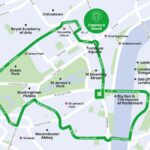
The tour is designed to fit a straightforward London evening: 3 hours, a clear start point, and a clean finish. You meet at Whitechapel Station, and your guide contacts you beforehand to confirm where to meet. You’ll end at Liverpool Street Station, which is handy if you’re heading onward by train or tube after the tour.
Because this is a walking-style experience, the biggest “logistics” question is comfort. It takes place in all weathers, so plan like it’s a normal London walk: bring a layer, wear shoes you can stand and walk in, and don’t count on perfect weather.
Price-wise, it’s $242 per group (up to 15). That sounds high if you’re thinking per person, but it shifts when you do the math for a group. Split among several friends, you’re paying for a guided route plus the time of a single, licensed guide for everyone in your party—rather than paying a solo per-person rate.
You can also read our reviews of more private tours in London

Why Whitechapel is the right place to start
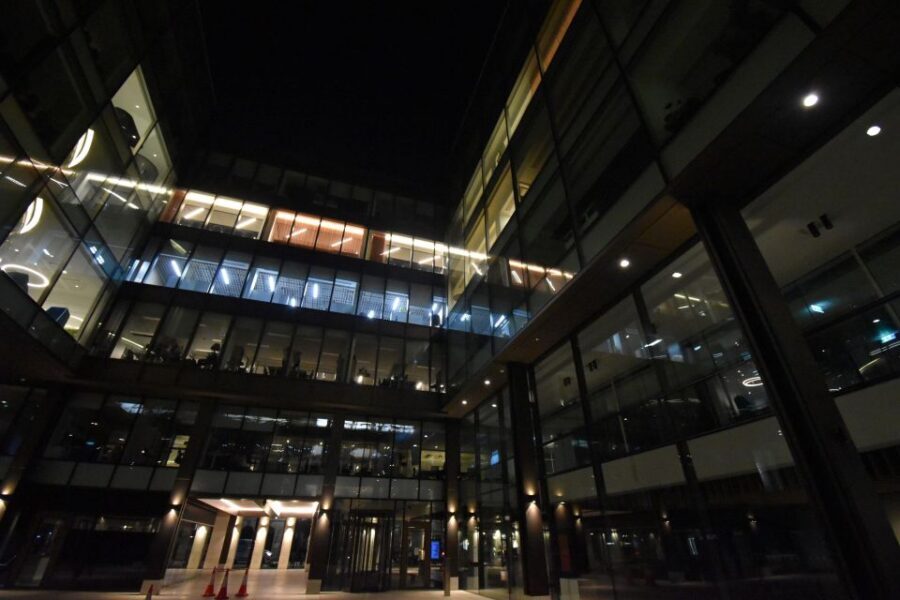
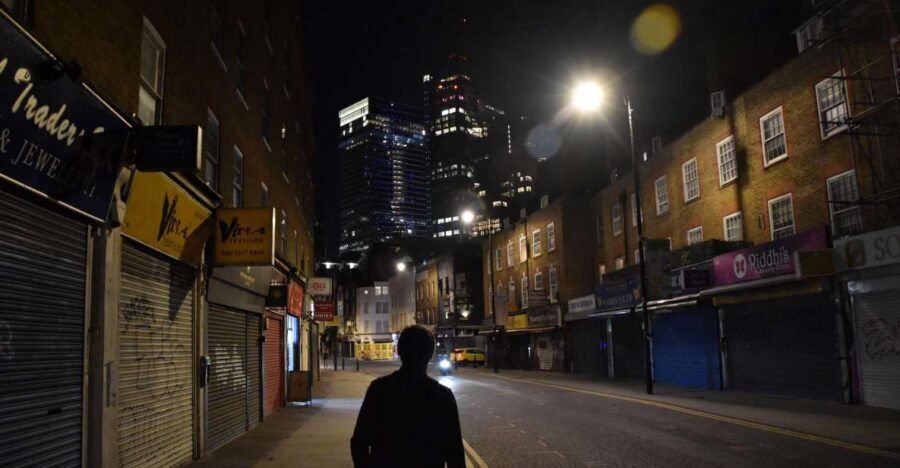
Whitechapel isn’t just a name on a map—it’s where the story’s atmosphere comes from. Starting in Whitechapel matters because the tour is focused on the documented path across the most discussed areas tied to Jack the Ripper, not a random checklist of landmarks.
In this first portion, you get the guided lead-in that helps you understand what you’re looking at. The guide isn’t simply pointing and saying “this is where it happened.” The point is context: who the victims were in their own lives, what they were known for, and how the murders unfolded as understood through period accounts and later research.
One practical benefit of starting here: it sets the tone early, so by the time the route moves outward, you’re not lost. You’ve learned what to pay attention to—the street layout, the neighborhood feel, and how investigators tried to make sense of the chaos at the time.
Whitechapel stops: following the five canonical murders (step by step)
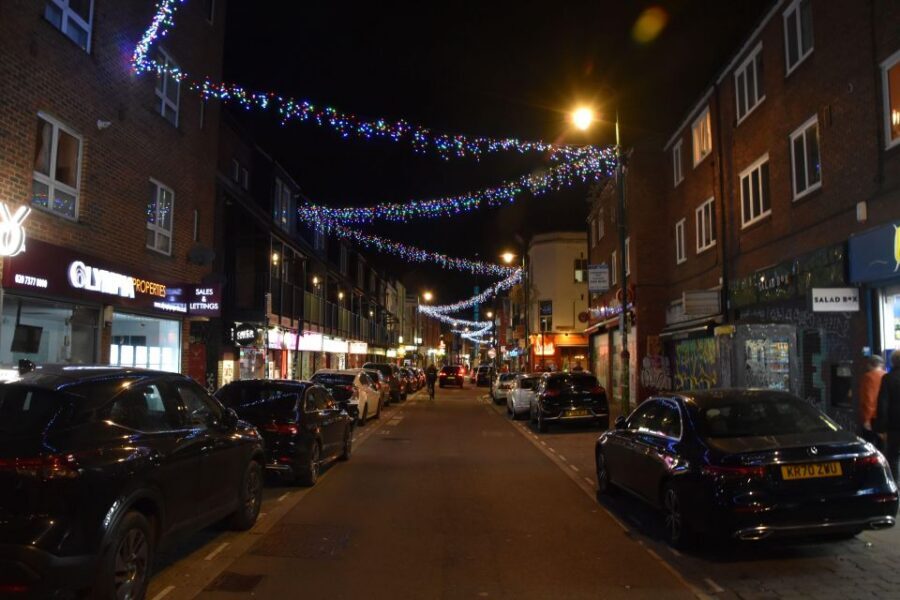
A big reason people choose this kind of tour is the structure. This one walks you methodically through the five canonical murders, and it treats them like a timeline you can follow—not like separate spooky episodes.
As the tour progresses, you’ll hear about each victim’s background and how the murders were understood. That combination is important. If you only hear the crime details, the story turns into shock value. If you only hear biography, it turns into name-dropping. This tour aims to connect the two so the deaths feel rooted in real people, not just a legend.
You’ll also learn why the official record matters. The tour is rooted in the documented facts of the Ripper inquests and newspaper articles from the time, plus contemporary research that tries to reconcile gaps and arguments. For you, that means less guessing and more “here’s how we know what we know.”
A small consideration: the subject is heavy, and the tour is not framed as entertainment for children. It’s clearly marked as not suitable for children under 12. If you’re bringing someone who doesn’t handle dark topics well, plan on that.
Smithfield and the City of London: how the route changes your understanding
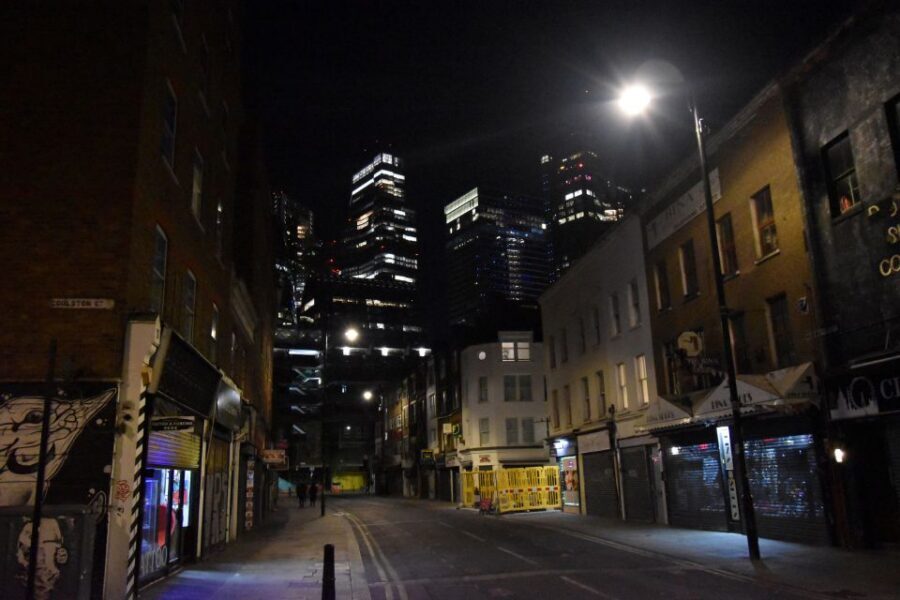
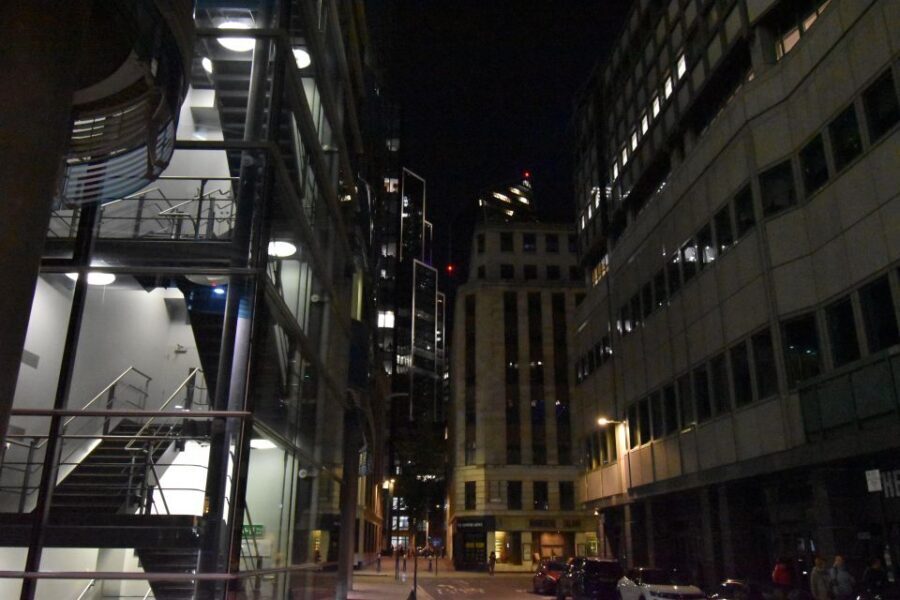
One of the most useful parts of this tour is that it doesn’t stay locked in one neighborhood. You’ll trace a route that includes Smithfield and the City of London, tying the story together across different parts of central London.
This matters because the Ripper legend can feel like it lives in one place. In reality, the investigation, the movement of people, and the way witnesses and authorities talked about events spread across areas. Walking the route helps your brain build a map, not just a story.
At this stage, you’ll also start to see the tour’s emphasis on how the understanding evolved. The guide connects the period accounts to later thinking, including how modern policing and science changed the investigation lens over time. That angle doesn’t turn the story into a cold science lecture. It makes you understand why earlier assumptions might have looked different—and why modern researchers can’t simply repeat the old conclusions.
The “one additional suspected murder” angle (and why it’s handled carefully)
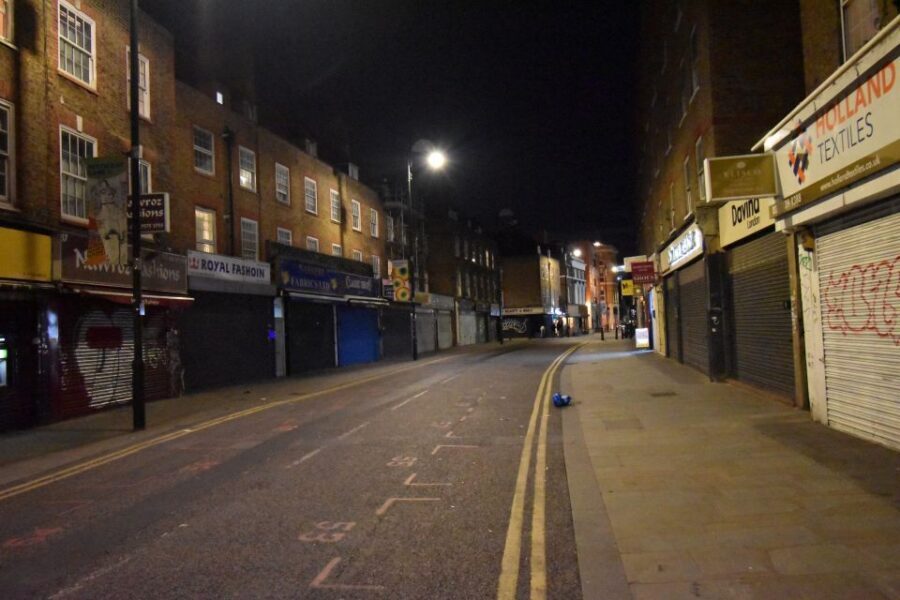
Most Ripper tours focus on the five best-known cases. This one adds one additional suspected murder, and it frames it as increasingly linked through modern investigative and forensic thinking.
That phrasing is key for your expectations. This tour doesn’t claim instant certainty. It explains that, with updated methods, the suspected connection looks stronger than it used to—based on how evidence and reasoning are examined now.
If you like debates and the idea of how historical mysteries get tested over time, you’ll likely enjoy this part. If you prefer a strictly conservative “only what’s officially confirmed” approach, you might find the suspected case more emotionally or intellectually challenging—but it’s still presented within a research framework, not as wild rumor.






Inquests, newspapers, and contemporary research: how the tour stays evidence-led
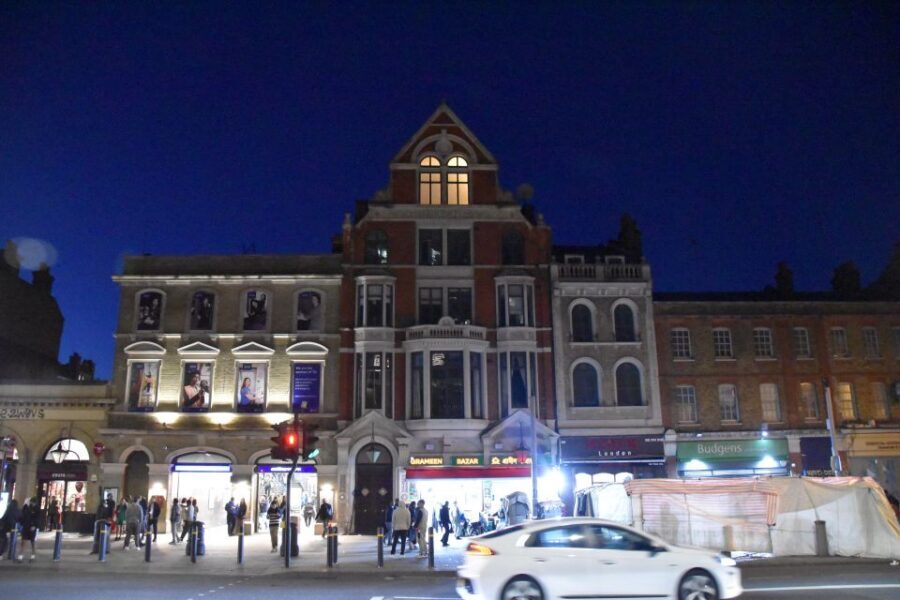
The tour’s core promise is that it’s rooted in current academic consensus and exhaustive research. Instead of telling you one version of events as if it’s the only version, it draws from two important pillars:
- The inquests and documented facts from the time
- Newspaper articles that reported what people believed and what authorities claimed
Then it layers in contemporary research that tries to interpret the evidence with today’s thinking. For you, the value is practical: you learn how investigators and writers formed conclusions in the 1880s, and how later researchers re-check those conclusions with updated tools and methods.
This is also where the tour becomes more than “dark sightseeing.” You come away understanding why the Jack the Ripper story is so durable: it wasn’t only the crimes. It was the documentation, the public reaction, and the investigation gaps that left room for theories.
Your guide’s role: pace, questions, and the 1888 setting
The experience really depends on the guide, and the reviews you shared have one name popping up: Michael. People describe him as passionate and very informative, and they specifically note that he matched the group’s pace and handled questions well. That’s not small stuff on a 3-hour tour. A good guide makes the walk feel personal instead of scripted.
Michael is also praised for taking guests to many different spots around London and for setting the scene around daily life in 1888, which is hard to imagine from modern street level. That helps you “see” what you’re walking through. Instead of just tracing a crime map, you start noticing how the neighborhood life would have shaped witnesses, rumors, and fear.
And since this is a private group, you should expect a steadier tempo than the big coach tours. You’re not stuck listening to someone talk for the benefit of strangers who won’t ask questions.
One more note: video recording isn’t allowed. You can still take normal photos if you choose, but the rule helps keep attention on the guide’s narration and the street-level storytelling.
Comfort and weather: how to prep for a London evening walk
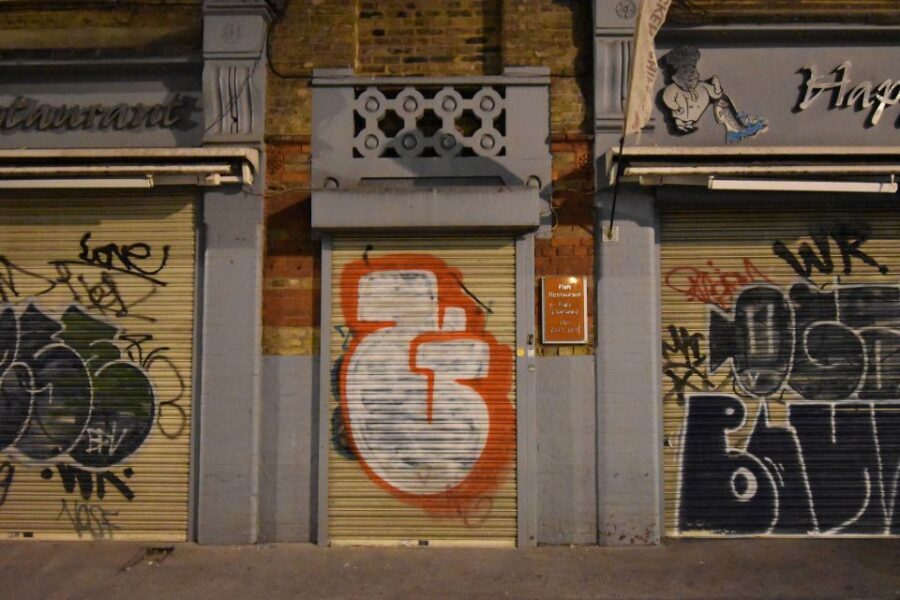
Because it runs in all weathers, plan for rain, wind, and cool evenings. That’s not “nice to have.” It’s what makes the experience enjoyable. You’ll be on your feet for about 3 hours, and weather will affect your willingness to keep walking.
Wear comfortable clothing that matches the forecast, and keep your essentials easy to reach. If you tend to get cold quickly, bring an extra layer. If you’re used to slick pavement in London, make sure your shoes have grip.
There’s also an important accessibility note in the facts you provided. The tour is listed as wheelchair accessible, but it’s also marked as not suitable for people with mobility impairments. If you or someone in your party has mobility needs, it’s worth confirming details with the provider before booking so you don’t get surprised on the day.
Who this tour is best for (and who should skip it)
This is best for adults and older teens who like historical mysteries with structure. You’ll likely enjoy it most if you:
- want a route-based experience in Whitechapel, Smithfield, and the City
- care about how evidence is interpreted over time
- prefer guided context (inquests, newspapers, modern investigation changes) over pure legend
It may not be the right fit if you’re traveling with young kids (it’s not suitable under 12) or if you’re uncomfortable with violent historical subject matter.
It’s also a good choice for friends and small groups because it’s priced per group up to 15. If you’re two people, it’s still workable, but the value feel improves when you share the cost.
Price and value: $242 per group up to 15
Let’s talk value in plain terms. $242 per group up to 15 means you’re buying one guided session for your party, not paying for a crowded tour with strangers. That typically costs more than the mass-market options, but it can feel fair if you travel with friends.
You’re also paying for a specific kind of guide work: a methodical story, evidence-based framing, and a route that takes you across multiple neighborhoods. For many people, that’s where the money goes—less into “seeing one building” and more into understanding how the story fits together.
If you’re solo, you may find cheaper group tours. If you’re a small group that wants control over the pacing and a more personal guide experience, this is the kind of tour that can feel like a smart spend.
So, should you book it?
I think you should book this Jack the Ripper private tour if you want a London walk that’s built on inquests, newspapers, and modern research—not just a spooky ghost story. The strongest selling points for me are the private group size, the evidence-led approach, and the way the guide is praised for matching pace and setting the 1888 scene.
Skip it if you’re bringing children under 12, hate grim historical topics, or need a route that’s guaranteed to work with mobility limitations despite the mixed accessibility notes.
If you like your mysteries with footnotes and streets, this is a solid evening plan from Whitechapel Station to Liverpool Street Station.
FAQ
How long is the Private Jack The Ripper Tour of London?
The tour lasts 3 hours.
Where does the tour start?
It starts in Whitechapel at Whitechapel Station. Your guide will contact you before the tour to confirm the meeting spot.
Where does the tour end?
The tour finishes at Liverpool Street Station.
How much does the tour cost?
It costs $242 per group, with a group size of up to 15.
Is the tour private?
Yes. It’s a private group experience.
What language is the live guide?
The live tour guide is in English.
Is video recording allowed?
No. Video recording is not allowed.
Does the tour run in bad weather?
Yes. It will take place in all weathers.
Is it suitable for children?
No. It’s not suitable for children under 12.
Is there free cancellation?
Yes. You can cancel up to 24 hours in advance for a full refund.