REVIEW · LONDON
Private London Spy Walking Tour
Book on GetYourGuide →Operated by Tours of the UK · Bookable on GetYourGuide
Spies meet paperwork, not trench coats. This private 3-hour London walk connects real intelligence history to the stories that shaped modern spy writing, with stops that feel like a who’s who of Britain’s security world. You’ll stand outside key headquarters, then trace how operations, cover stories, and wartime planning left fingerprints on the city.
I especially love the focus on MI5 and MI6 and what the work looks like in the 21st century, not just the myth version. I also like that the tour moves at a human pace, with frequent short, story-driven stops that keep you looking up and listening instead of just sightseeing. One drawback to plan for: it’s a lot of walking in all weather, so comfy shoes matter.
I’ve seen this kind of tour sink or swim based on the guide. Here, the guide quality is a big deal, and the best part is the tone: relaxed, funny, and packed with spy anecdotes. In one recent group, the guide named Michael brought a convivial style, a sense of humour, and a steady stream of spy stories that made the facts feel real.
In This Review
- Key Highlights Worth Your Attention
- Somerset House Start: WatchHouse Courtyard and a Clean Launch
- MI5 and MI6 on the Street: Why Standing Outside Matters
- Waterloo Bridge and The Savoy: Quick Stops That Build the Story
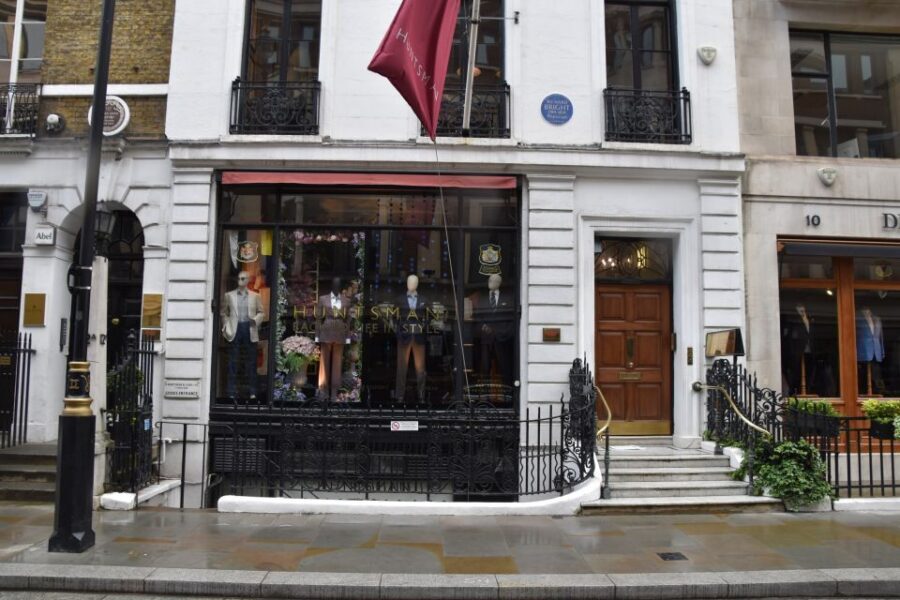
- The Rumour-Driven Stops: Cover Shops and Handler Meetings
- The Litvinenko Hotel Site: When Intelligence Becomes Personal
- Whitehall and Parliament Square: Power, Visibility, and Risk
- WWII Macabre Planning Building: The Gruesome Part That Explains Everything
- Vauxhall Finish: Wrapping the Threads Together
- Price and Value for a Private Group Up to 15
- Packing and Pace: What Actually Makes the Tour Easier
- Who This Tour Suits Best
- Should You Book This Spy Walking Tour?
- FAQ
- How long is the Private London Spy Walking Tour?
- Where do I meet the guide?
- Is this tour private?
- What is included in the price?
- Is video recording allowed?
- Is the tour wheelchair accessible?
Key Highlights Worth Your Attention
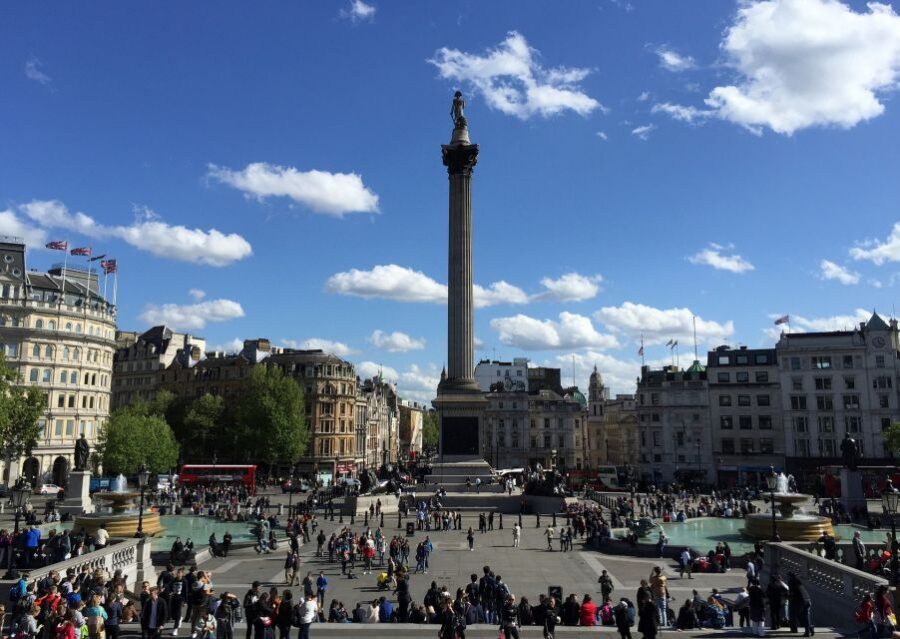
- MI5 and MI6 headquarters on the street: You don’t go inside, but you do get the context of what those buildings represent.
- Alexander Litvinenko poisoning site: The tour pauses at a hotel linked to a KGB assassination.
- Second World War planning stops: You’ll hear about a gruesome, macabre wartime operation planned in a specific building.
- Spy tradecraft meets everyday London: There are stops connected to rumours about cover locations and meetings.
- A guide who tells it like a story: Recent feedback points to humour and lots of intriguing anecdotes, especially with Michael.
Somerset House Start: WatchHouse Courtyard and a Clean Launch
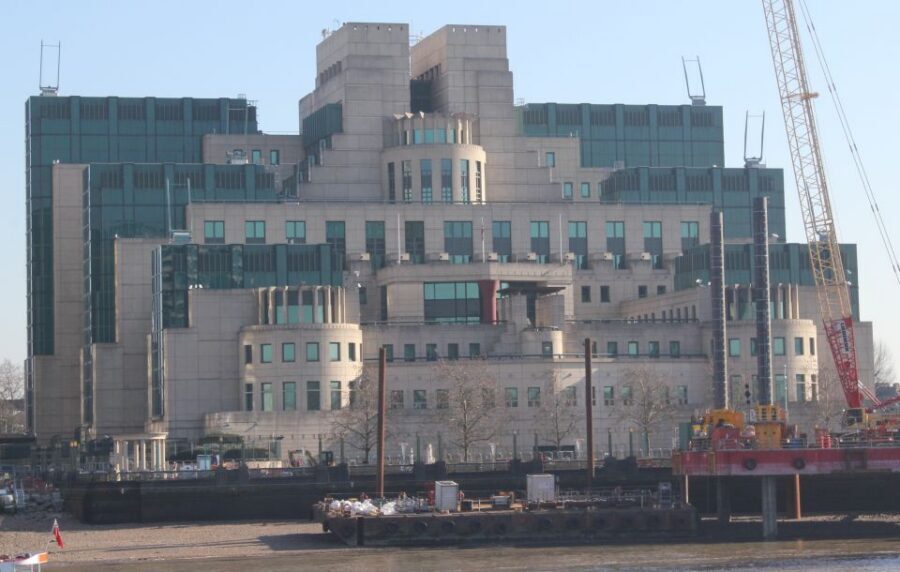
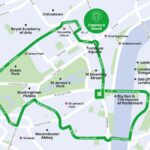
The tour begins outside the WatchHouse in Somerset House’s main courtyard. That’s a smart starting point because it gives you a proper “walk briefing” vibe before you hit the central corridors where intelligence stories tangle with ordinary streets.
Arrive about 15 minutes early so you can meet your guide and get your bearings. Your guide will be wearing a Tours of the UK backpack, coat, or hoodie, so you shouldn’t have to play guessing games.
If you’re the type who likes to mentally map a route, you’ll appreciate the early rhythm: short segments, quick context, then the next location. It’s not a museum tour where you sit down and look at plaques. It’s more like being handed a set of leads and following them street by street.
You can also read our reviews of more walking tours in London



MI5 and MI6 on the Street: Why Standing Outside Matters
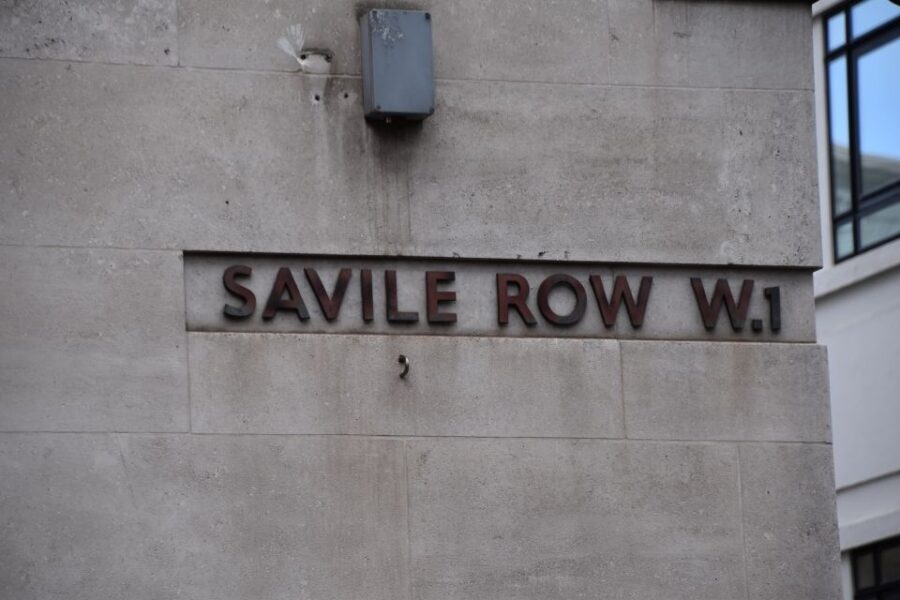
The core of the tour is the history of Britain’s intelligence services, with time spent on MI5 and MI6. You’ll hear how their roles developed, what they do, and how their operations and decisions shaped the world beyond London.
You’ll also stand outside their London headquarters. That detail sounds simple, but it changes how you take the stories in. Instead of learning about intelligence from a distant book, you’re watching the city keep moving while you imagine how these agencies operate behind the scenes. It turns the conversation from history into something you can picture.
What I like most here is the balance. The tour doesn’t treat spying like pure fantasy. It also frames what it takes to work for security services in the 21st century, so you get a reality check on skills, roles, and modern demands, not only wartime legend.
And because you’re walking, you get natural sightlines to nearby streets and institutions. That matters in London, where so much is close enough that an intelligence story can feel like it could happen on your way to dinner.
Waterloo Bridge and The Savoy: Quick Stops That Build the Story
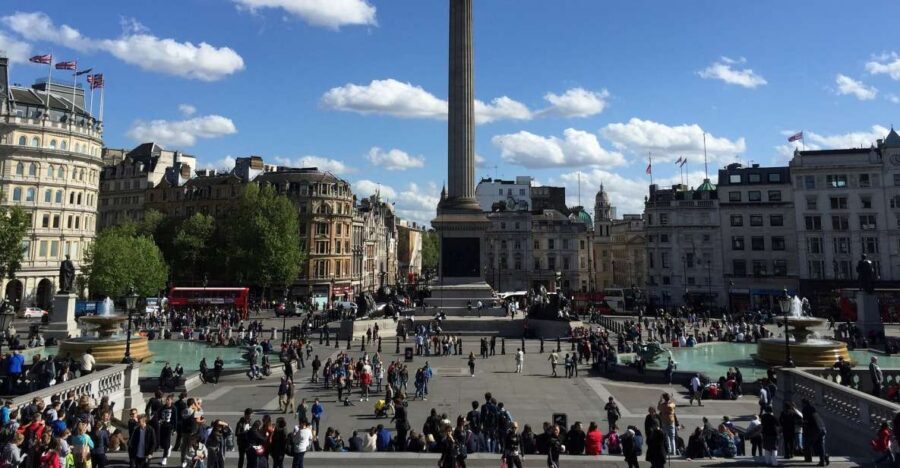
After Somerset House, the tour includes short guided stops like Waterloo Bridge and the Savoy Hotel, each with a brief guided segment. These aren’t long photo breaks. They’re more like pacing tools, letting you absorb a chunk of narrative and then move on before your brain turns to mush.
At Waterloo Bridge, you get an on-foot sense of how London connects major areas. Bridges also work well for spy stories because they symbolize movement: people crossing, messages changing hands, and routes mattering more than you’d think.
The Savoy Hotel stop adds another layer. Famous addresses are rarely just famous for architecture; they’re famous because of the people who pass through them. Even when the tour doesn’t claim you’ll see anything dramatic, it uses the location to explain the broader idea of how intelligence work intersects with everyday prestige.
If you prefer tours where every stop is a major landmark, these two can feel short. But if you like story momentum, they work.
The Rumour-Driven Stops: Cover Shops and Handler Meetings
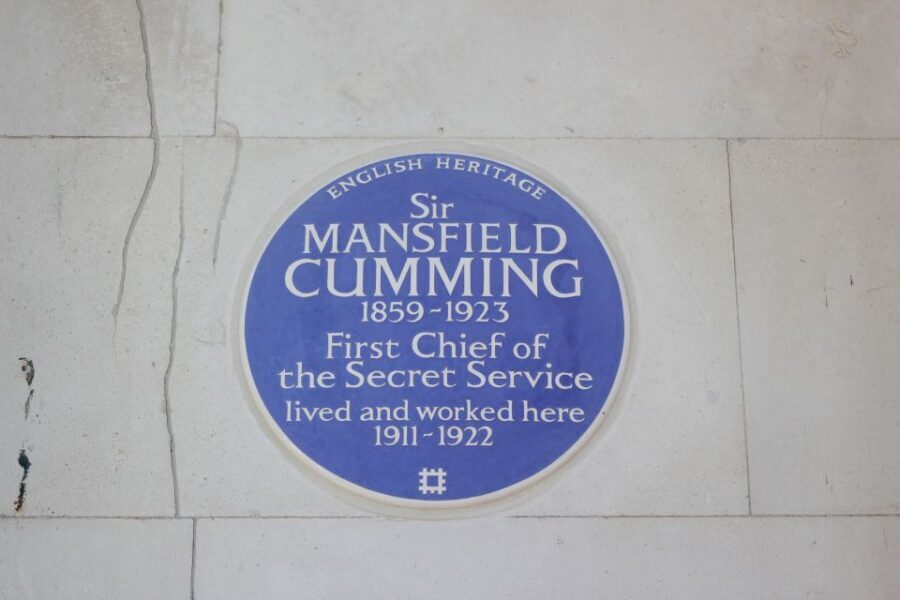
One of the most interesting parts of this walk is the emphasis on how spying often depends on ordinary cover. The tour includes stops at places rumoured to have been used as cover for British agents to meet their handlers.
This is where you start thinking like a case officer. It’s not just about clever gadgets. It’s about blending in, choosing believable locations, and meeting at spots that look normal from the outside.
I like these moments because they turn London’s streets into a working map. You stop seeing them as scenery and start seeing them as potential infrastructure for human interaction—where timing, privacy, and plausibility matter.
A practical note: since these are walking stops, your best strategy is to keep your attention on what the guide is pointing out rather than trying to read every sign or detail yourself. The value here is in the context the guide provides.
The Litvinenko Hotel Site: When Intelligence Becomes Personal
The tour also stops at a hotel site tied to the KGB assassination of Alexander Litvinenko, connected to his poisoning. This is the part of the route where the mood shifts from storytelling to something heavier.
The reason this stop hits is simple: it links intelligence history to a specific human outcome. You’re not just hearing about agencies and tactics in general terms. You’re hearing about a real incident with a known name, and that makes the broader discussion feel less theoretical.
This is also a good reminder that the spy world isn’t limited to wartime plots or cold-war headlines. It can reach into modern public life, and the consequences can be immediate and brutal.
Give yourself a moment here. Don’t rush the stop. Even if the guided time is short, it’s the kind of location where you’ll benefit from listening without multitasking on your phone.
You can also read our reviews of more private tours in London


Whitehall and Parliament Square: Power, Visibility, and Risk
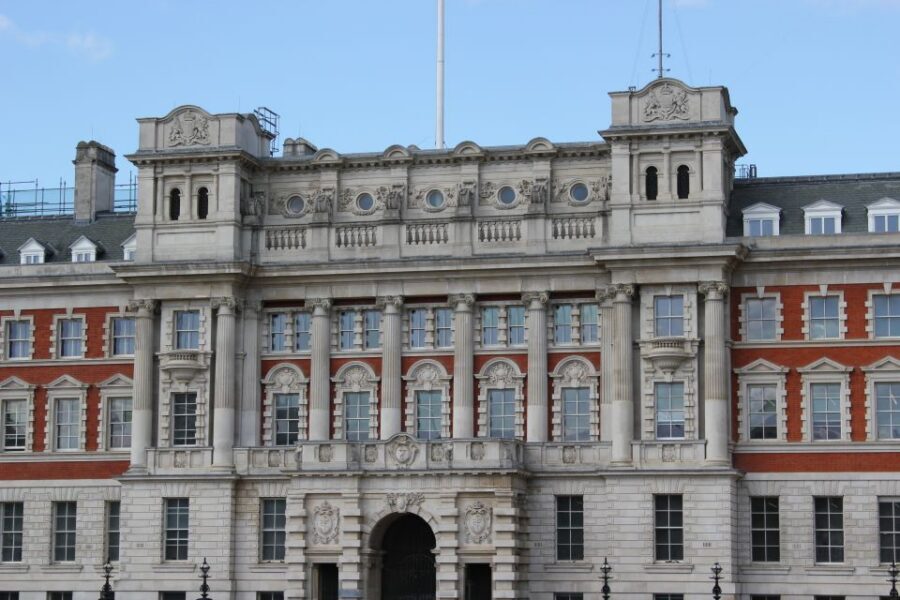
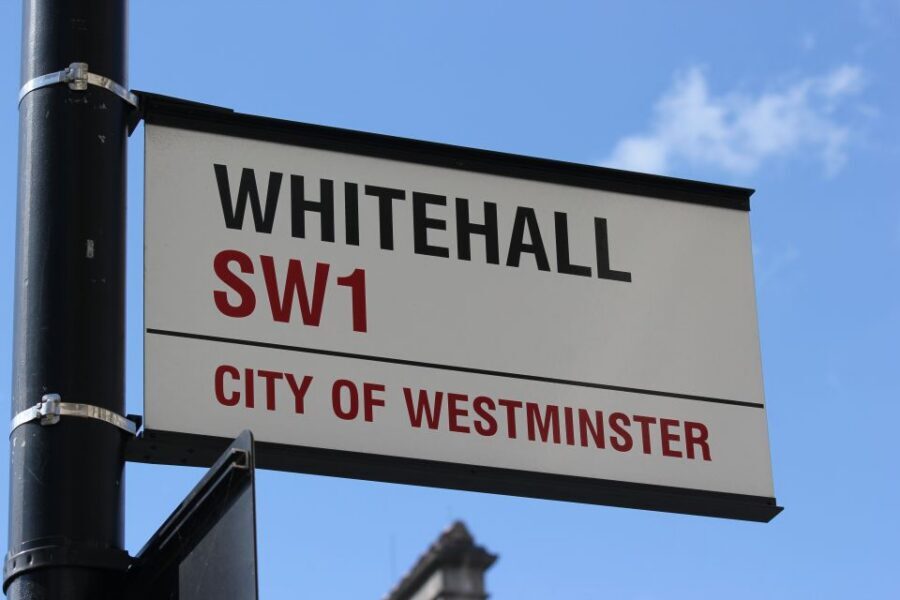
The route continues through Whitehall, London, with a longer guided segment, and then on to Parliament Square with another guided stop.
I’ll be honest: places like this can feel intimidating just by name. That’s why the tour’s approach works. The guide doesn’t just say these are important places. They use the location to explain how intelligence services operate around power, where decisions and communications have consequences.
Whitehall and Parliament Square also do something useful for you as a walker: they anchor the stories in the political heart of the city. Even without going inside anything, you can feel the logic of why intelligence work would matter most near where policy, authority, and messaging concentrate.
The drawback? If you’re expecting a tour that includes major interior visits or dramatic action, you won’t get that. This is an exterior, street-level experience. The payoff is the storycraft, not secret-door sightseeing.
WWII Macabre Planning Building: The Gruesome Part That Explains Everything
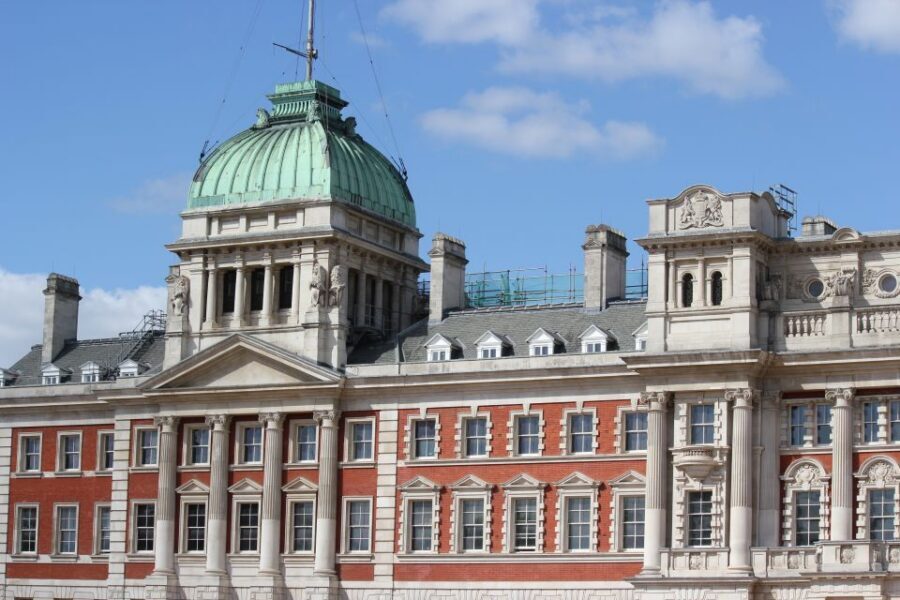
One of the stops on the walk includes a building where one of the most gruesome and macabre operations of the Second World War was planned.
This segment is valuable because it connects WWII spy history to the way real operations shaped later narratives. You also hear about assassinations and operational work more broadly, but the tour keeps pointing you toward the idea that what’s written later has roots in messy, human decisions made under pressure.
It’s the kind of material that can feel dark. But it’s also the reason spy stories often feel so credible when they’re grounded in real events. The guide’s job here is to handle the grim details in a way that helps you understand the logic, not just the shock.
If you’re sensitive to intense wartime stories, you might want to pace yourself through this stop. Comfortable shoes help too, because you’ll likely be standing and listening as the guide explains why this building matters.
Vauxhall Finish: Wrapping the Threads Together
The tour finishes in Vauxhall. Ending there gives the feeling that you’ve crossed from the symbolic core toward the everyday flow of the city.
By the time you reach the end, you should have a clearer mental model of the entire theme: Britain’s intelligence history isn’t just dates and agencies. It’s locations, human interaction, and the constant tension between secrecy and public life.
It also helps that the tour is just 3 hours. Enough time to make real connections between stops, without turning into a slog. You’ll likely feel you’ve learned more than you expected to in one afternoon.
Price and Value for a Private Group Up to 15
The price is $242 per group, for up to 15 people, with a live English guide. That pricing structure is where this tour can be a strong value, especially if you’re booking with friends.
If you fill the group, you’re effectively paying about $16 per person. Even if your group is smaller, the private format still means you’re not stuck sharing the story with a huge crowd.
What makes it worth considering isn’t just cost. It’s the combination of high-impact locations (MI5/MI6 headquarters outdoors), specific incident context (Litvinenko), and wartime operation planning told as narrative. The guide-driven storytelling, particularly with humour and entertaining anecdotes, is a major part of the value.
Packing and Pace: What Actually Makes the Tour Easier
This is a walking tour, and it happens in all weather conditions. Dress accordingly. You’ll want comfortable clothes and comfortable shoes because you’ll be on your feet while the guide explains what you’re seeing and why it matters.
The tour also comes with a few practical limits:
- Avoid luggage or large bags
- Video recording is not allowed
Also remember: you need travel cards/tickets for public transportation if you’re using transit to get to the start or from the finish. The tour itself only includes the guide.
If you want the best experience, keep your “tour kit” simple: water, a light layer, and something steady underfoot.
Who This Tour Suits Best
This one fits best if you:
- Like spy stories that tie back to real incidents and organizations
- Enjoy walking tours where the guide supplies the context
- Want intelligence history with a modern lens, not just wartime romance
- Prefer a private group format with a smoother pace
It’s also a great match for book lovers who enjoy the bridge between real espionage work and the authors who drew inspiration from it. The tour explicitly connects real spy operations to the writers behind some of the genre’s biggest names, without you needing to be a literary expert to follow.
Should You Book This Spy Walking Tour?
I’d book it if you want London with a plotline. The strongest reason is the guide experience: Michael, for example, is described as convivial, with humour and endless spy stories that keep the tour moving and fun while still grounded in real-world intelligence themes.
I wouldn’t book it if you’re looking for a slow, sit-down museum-style tour or if you need wheelchair-friendly access, since it isn’t suitable for wheelchair users. I also would reconsider if walking in weather sounds miserable for you.
If you’re happy to walk for 3 hours, listen closely, and enjoy a story-led route through places tied to MI5, MI6, and major espionage events, this tour is an easy yes.
FAQ
How long is the Private London Spy Walking Tour?
It lasts 3 hours.
Where do I meet the guide?
Meet your guide outside the WatchHouse in Somerset House’s main Courtyard.
Is this tour private?
Yes, it’s a private group tour.
What is included in the price?
A tour guide is included.
Is video recording allowed?
No, video recording is not allowed.
Is the tour wheelchair accessible?
No, it is not suitable for wheelchair users.