REVIEW · LONDON
London: Freud Museum Entry Ticket
Book on GetYourGuide →Operated by Freud Museum London · Bookable on GetYourGuide
Psychoanalysis has a real address. This entry ticket lets you explore Freud’s home—with the atmosphere-heavy original couch and rooms preserved from when Freud and Anna lived and worked there. I especially like that the visit is sensory and specific, not just talky. One thing to consider: the audio guide is included, but you must bring your own phone and headphones.
What makes this feel different is the mix of places and voices: Freud’s Study and desk and chair details, Anna Freud’s rooms and collections, a Salvador Dalí portrait, and a film that uses voiceovers and rare recordings. You’ll finish with time in the peaceful garden, which is a smart breather after ideas that can feel intense.
In This Review
- Key Highlights You Should Plan Around
- Freud Museum Entry Ticket: A Home, Not a Lecture
- Getting In at the Back of the House (And Timing Your Visit)
- Freud’s Study: Original Furniture, Real Posture, Big Feelings
- Dining Room: Family Story Meets the Psychoanalysis Story
- Anna Freud’s Room: Child Psychoanalysis Through Her Personal Space
- Dalí’s Freud Portrait and the London 1938 Connection
- The 20-Minute Film: Voiceovers, Rare Recordings, Vienna to London
- Peaceful Garden: A Necessary Reset
- Who This Ticket Suits Best (And Who Might Want Another Plan)
- Should You Book the Freud Museum Entry Ticket?
- FAQ
- How much time should I plan for this experience?
- Where is the meeting point?
- Is admission included in the price?
- Do I need to bring headphones?
- Is there a free guided tour included?
- What can I see in Freud’s Study?
- What does Anna Freud’s room include?
- Is there a film during the visit?
Key Highlights You Should Plan Around
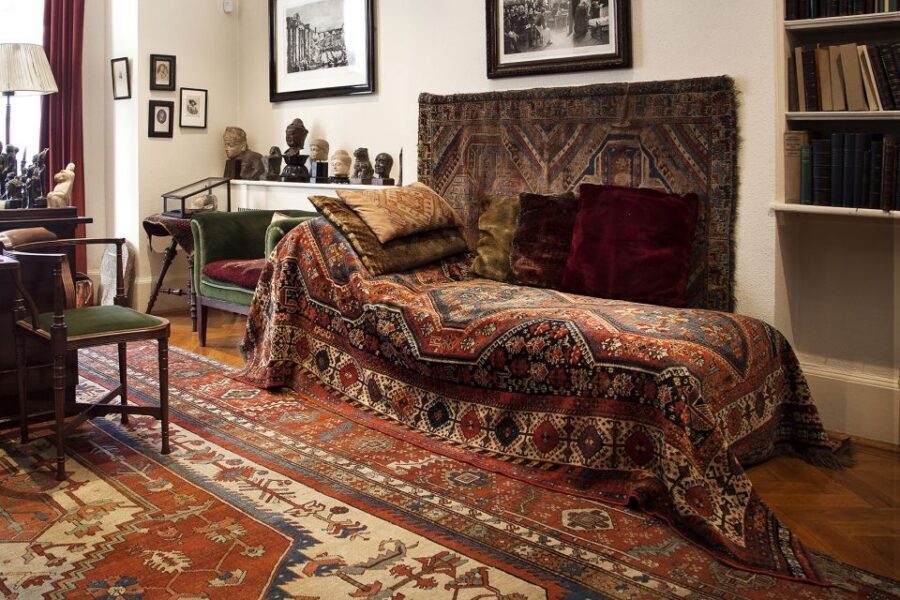
- Freud’s Study as it was left: The rooms are preserved so you get a sense of how it all worked day to day.
- The psychoanalytic couch and chair details: The furniture is part of the story, not just a museum prop.
- Freud’s desk with favourite antiquities: Small, personal objects help the history feel human.
- Anna Freud’s room and her child psychoanalysis focus: You see how her work carried the field forward.
- Salvador Dalí’s portrait of Freud: A link between psychoanalysis and surrealism, including the London connection.
- A 20-minute film with voiceovers and recordings: It’s a quick, meaningful way to connect Vienna and London.
Freud Museum Entry Ticket: A Home, Not a Lecture
For one day, you’re stepping into the final home of Sigmund Freud and his daughter Anna Freud—an experience that feels closer to a lived-in workplace than a typical museum. The ticket is priced at about $19 per person, and that matters because you’re paying for access to multiple preserved rooms plus an audio guide. If you enjoy seeing how people actually arranged their worlds, it’s strong value.
I like that the visit doesn’t ask you to be an expert first. You can treat it like a careful, self-paced walk with audio guidance, or you can add the free tour offered Thursday to Saturday at 2pm for extra context. Either way, you’ll get a structured story: Freud’s personal space, Anna’s work, and how psychoanalysis spread through time and place.
Also, with a 4.8/5 rating across 233 bookings, it’s clearly popular with people who want more than a quick photo stop. That score fits the vibe: this is for curious minds who want specifics.
You can also read our reviews of more tours and experiences in London


Getting In at the Back of the House (And Timing Your Visit)
Your meeting point is straightforward: go to the back of the house and enter through the shop. Since you’ll likely want time to settle in and start your audio guide cleanly, I’d plan to arrive with a little buffer rather than rushing straight into the first room.
You also have a built-in option to join a free tour on Thursday through Saturday at 2pm. If you’re visiting on those days, check what time you’re aiming for and build your visit around that moment. It’s included with admission, so it can add payoff without extra cost.
One practical note that can make or break your experience: the audio guide is included, but headphones/your phone are not provided. Bring them. If you forget, you’ll lose the main way the museum tells the story room by room.
Freud’s Study: Original Furniture, Real Posture, Big Feelings
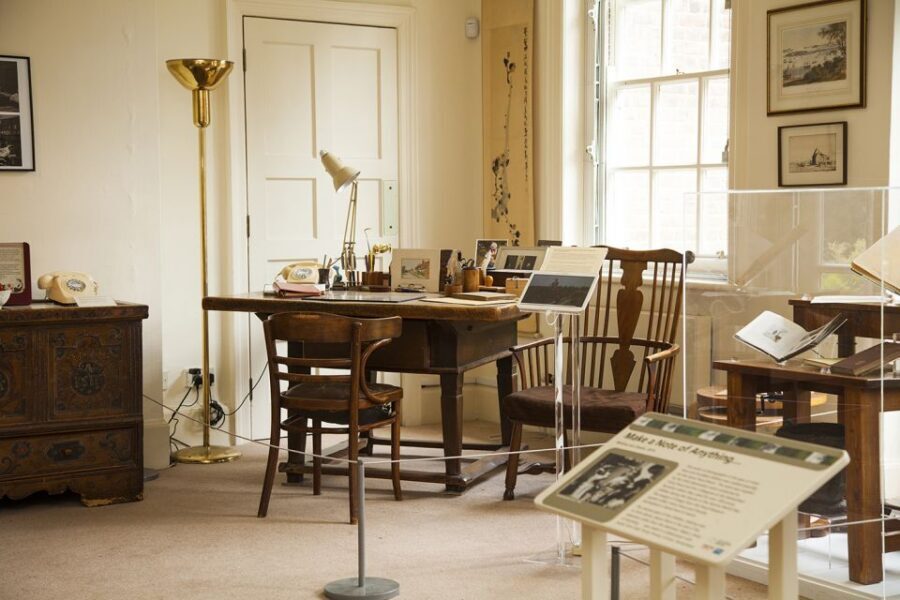
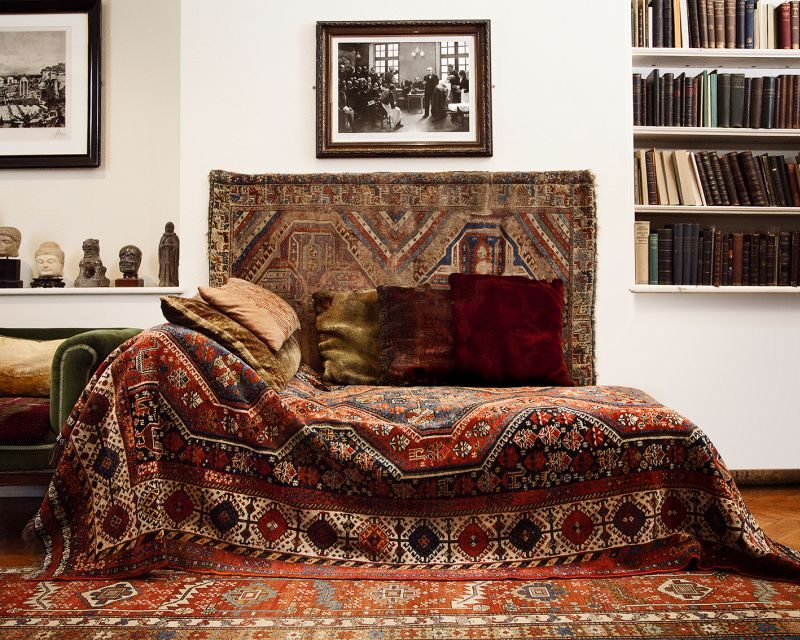
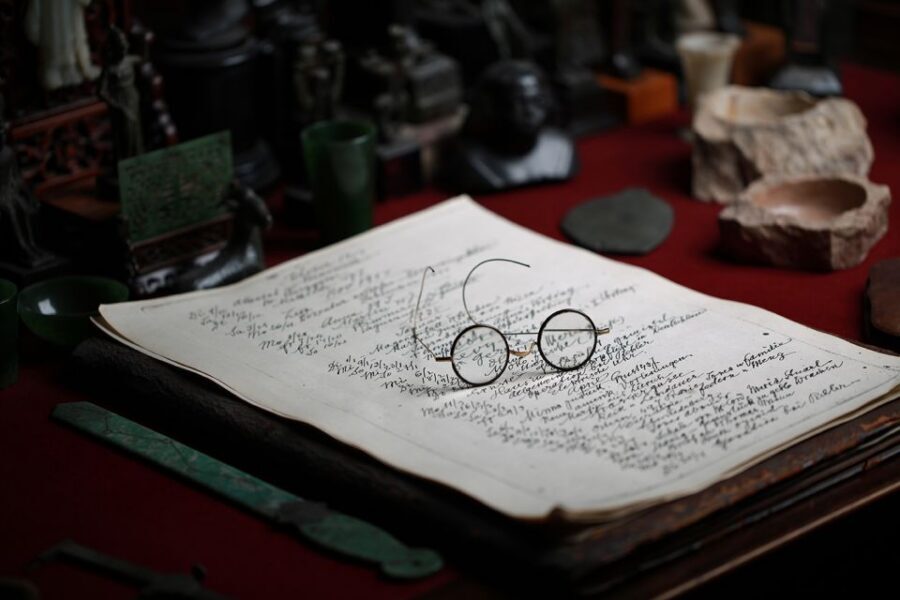
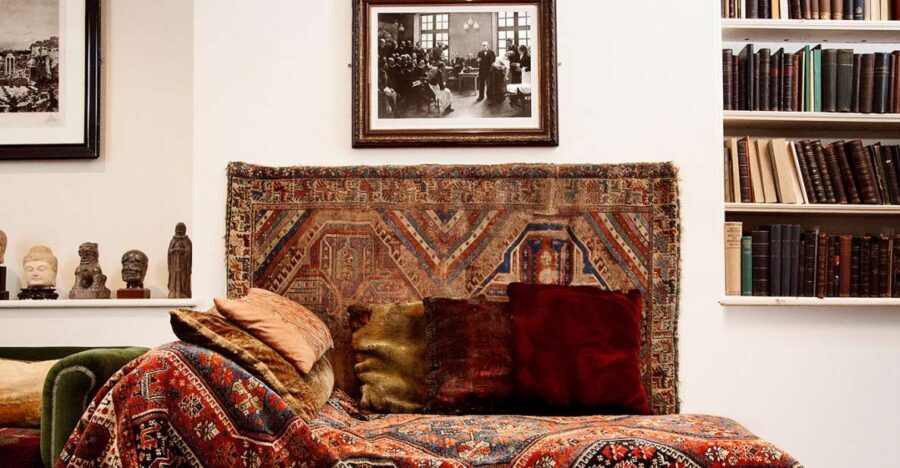
The heart of the visit is Sigmund Freud’s Study, and it’s the kind of room that grabs you fast. You’ll spend time in the Study and see the world-famous psychoanalytic couch, plus Freud’s desk where he kept his favourite antiquities. The point isn’t just famous objects. It’s how the work environment shaped the practice.
I like the way the museum links objects to human habits. You’re not just told Freud was a key figure—you’re shown the physical world he preferred: the study includes an unusual, anthropomorphic chair designed especially for him. The chair was made to fit his preferred posture, including having his legs over one arm of the chair.
That detail does something important for your understanding. It turns psychoanalysis from a concept into a lived routine. Even if you know little about the theory, you’ll feel how personal comfort and repeated actions can become part of a profession.
Preserved just as Freud left it, the Study can transport you back to Vienna in a way that a typical exhibit usually can’t. You’re seeing a workspace frozen at the moment time shifted to London. It’s emotional for a lot of people because it’s intimate: not grand and staged, but specific and personal.
Dining Room: Family Story Meets the Psychoanalysis Story
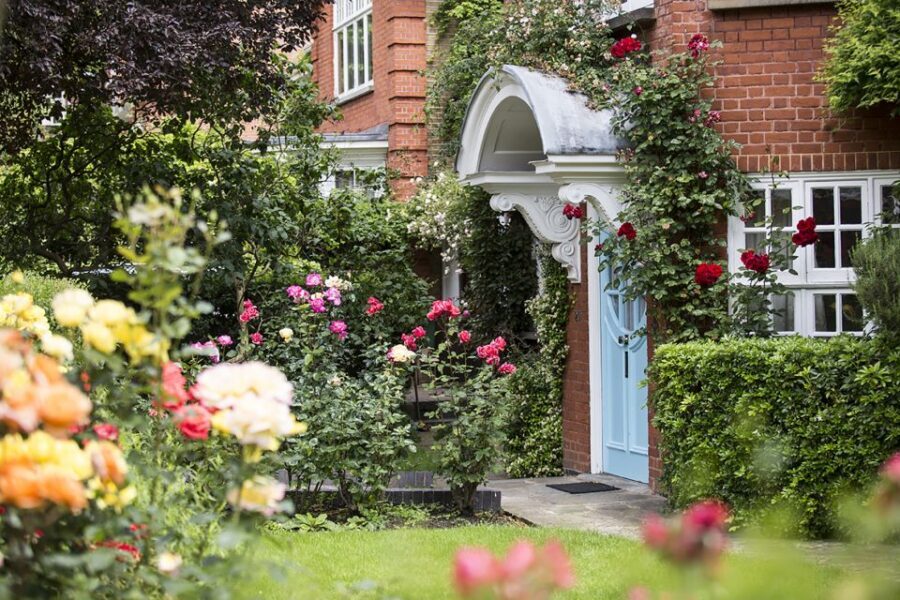
After the Study, the Dining Room helps widen the lens. Here you learn about Freud’s family story and the story of psychoanalysis. This is the part that often makes the visit feel more complete because it connects the personal (family life) with the professional (how an idea became a movement).
What I find useful for you here is the change in tone. The Study can feel heavy and focused, because it’s built around technique and objects. The Dining Room shifts toward narrative—so you’re less likely to feel like you’re trapped inside one man’s thoughts.
If you like museums that explain context without drowning you in it, this section is a good match. It keeps you moving through the same home, but it changes the question from what the objects are to why the work mattered in the first place.
Anna Freud’s Room: Child Psychoanalysis Through Her Personal Space
Then you step into Anna Freud’s Room, which adds a whole second layer. You’ll learn about Anna’s pioneering work in child psychoanalysis, and you’ll also see her couch and collections. This isn’t just an afterthought. It reframes psychoanalysis as something that evolved in the next generation, not stuck in one era.
I like that this section keeps the focus practical and human. Seeing her couch and her collections gives you a sense of what she valued and how her daily world looked. For many people, this is where the visit stops being only about the famous founder and becomes about a larger idea: mentorship, adaptation, and new applications.
You’ll also see a portrait of Sigmund Freud by Salvador Dalí alongside Anna’s Room. That pairing matters because it shows psychoanalysis wasn’t working in a vacuum. Ideas traveled—and artists took notice.
You can also read our reviews of more museum experiences in London





Dalí’s Freud Portrait and the London 1938 Connection
The Dalí portrait is one of those details that turns your visit from biography into cultural intersection. You can learn about their meeting in London in 1938, and you’ll encounter an explanation tied to Dalí’s sketches of Freud through an article by Professor Ades.
I recommend treating this room as a pause point. Before you move to the film, take a slow minute here. If you’re the kind of person who likes seeing how different worlds overlap—medicine, art, politics, creativity—this is a memorable thread.
You don’t need to know surrealism to appreciate the link. The portrait acts like a visual bridge. It helps you see that Freud’s ideas were powerful enough to resonate outside clinics and lecture halls.
The 20-Minute Film: Voiceovers, Rare Recordings, Vienna to London
Next comes the film—about 20 minutes—and it’s a smart pacing tool. It brings together the family story through voiceovers from Anna Freud, plus a rare recording from an interview with Sigmund Freud. You’ll also see footage from Vienna and London.
If you’re worried the museum might feel fragmented, this is the glue. The film gives your brain a timeline so the rooms don’t feel like separate stops. Instead, they become chapters: what Freud did, what Anna did, and how the shift from Vienna to London changed their story.
I’d treat it like part of the ticket value rather than a break from it. If you sit down and pay attention, you’ll understand more of what you just saw in the Study and Anna’s rooms.
Peaceful Garden: A Necessary Reset
Finally, you get time in Sigmund Freud’s peaceful garden. This garden finish is genuinely useful. After absorbing intense ideas and personal rooms, it’s a relief to have open air and quiet time to think.
If you’re visiting with someone who finds psychoanalysis heavy, this ending can help everyone feel balanced. It gives you a way to talk about what you saw without immediately jumping into another room or another theme.
And for you personally, it’s where the experience settles. The Study and film can leave your mind busy. The garden lets it slow down.
Who This Ticket Suits Best (And Who Might Want Another Plan)
This is a great fit if you like:
- museum visits with real objects tied to a person’s working life
- self-paced exploration with an audio guide
- stories that link biography with ideas
It’s especially good for people interested in psychoanalysis beyond headlines. The furniture specifics and room preservation help you understand what shaped the work—at least on a human level.
Who might hesitate? If you’re only in London for blockbuster sightseeing and you want everything to be quick and loud, this may feel slower and more reflective than you expect. It’s a focused day, not a shopping-and-snapshots tour.
That said, even then, the famous couch and the chair built for Freud’s posture are the kind of details that stick. They can turn a brief visit into a meaningful one.
Should You Book the Freud Museum Entry Ticket?
I think you should book this if you want a high-value, one-day experience that feels personal: Freud’s Study with its original couch and desk, Anna Freud’s rooms with her child psychoanalysis focus, a Dalí portrait link to 1938 London, a short film with voice and rare recordings, and a calm garden to end.
It’s also a solid choice if you like structure. The audio guide turns your visit into a guided story, and the optional Thursday to Saturday 2pm free tour can add extra context without extra cost.
Just make sure you come prepared with your phone and headphones. If you can do that, this ticket gives you exactly what you came for: a real, preserved home where psychoanalysis isn’t abstract.
FAQ
How much time should I plan for this experience?
The ticket is valid for 1 day, and the experience includes time in multiple rooms plus a film that runs about 20 minutes.
Where is the meeting point?
Go to the back of the house and enter through the shop.
Is admission included in the price?
Yes. Admission is included, along with an audio guide.
Do I need to bring headphones?
Yes. Headphones/phone are not included. You should bring your phone and headphones to listen to the audio guide.
Is there a free guided tour included?
Yes. A free tour runs Thursday to Saturday at 2pm.
What can I see in Freud’s Study?
You can spend time in Freud’s Study, including the famous psychoanalytic couch, Freud’s desk with his favourite antiquities, and an unusual chair designed for his preferred posture.
What does Anna Freud’s room include?
You can see Anna Freud’s Room, learn about her pioneering work on child psychoanalysis, and view her couch and collections.
Is there a film during the visit?
Yes. There’s a film about the Freud family that runs about 20 minutes, with voiceovers from Anna Freud and a rare recording from an interview with Sigmund Freud.