REVIEW · LONDON
London: National Gallery Private Tour with Fast Track Entry
Book on GetYourGuide →Operated by DS Tours London · Bookable on GetYourGuide
Art without the line is a good day. This National Gallery private tour is built around fast-track entry, so you spend more time looking and less time waiting. You meet your guide right after security and then go straight into the heart of the collection.
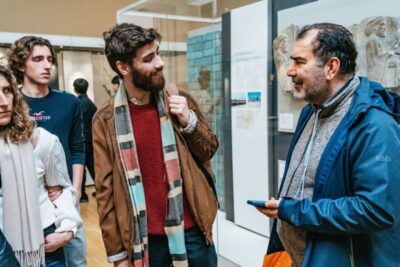
What I love next is the private guide format. In the best runs of this experience, the support team (like Damiano) helps smooth out key details, and the on-the-ground guide (such as Stefania) turns the gallery into a clear story you can actually follow. One drawback to plan for: in just two hours, the tour follows a focused route, so you may not see every single famous painting you had hoped for.
In This Review
- Key Things That Make This Tour Worth Your Time
- Meeting at the National Gallery: Right After Security
- Fast-Track Entry: Where the Real Value Comes From
- Your 2-Hour Private Art Lesson: How the Guide Keeps It Understandable
- The Masterpieces: Big Names and What to Look For
- Rules That Affect Comfort: No Drinks, No Flash, and Bottles Off Limits
- What’s Included, What’s Not, and How That Changes Your Expectations
- Who This Tour Fits Best (And Who Might Prefer Something Different)
- Price That Makes Sense for Up to 3 People
- Should You Book This National Gallery Private Tour?
- FAQ
- How long is the National Gallery private tour?
- Do I get fast-track entry?
- Where do we meet the guide?
- What languages is the live guide available in?
- What’s included in the tour price?
- What should I bring?
- Can I take photos?
- Are drinks allowed inside the museum?
Key Things That Make This Tour Worth Your Time
- Fast-track entry gets you through the busiest moment first
- A dedicated private guide explains techniques, symbols, and how to look
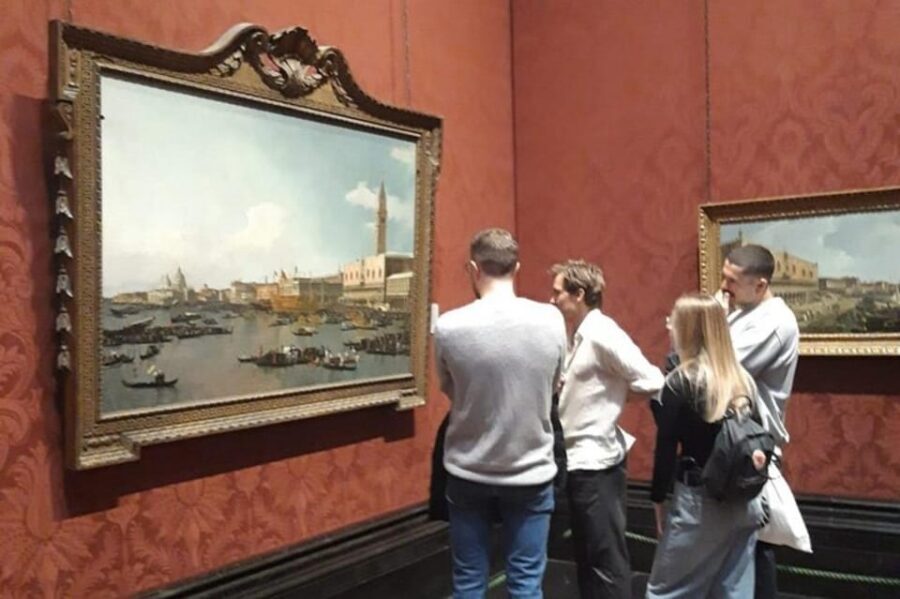
- A guided sweep of art styles from Renaissance through Post-Impressionism
- Masterpiece highlights tied to big names like Leonardo da Vinci and Van Gogh
- Small-group pacing keeps the tour from feeling rushed
Meeting at the National Gallery: Right After Security
Your tour starts at the National Gallery with the kind of meeting point that matters: right after security checks. That means you can avoid the common “where do we line up?” chaos and get moving while the building still feels fresh.
You’ll want to show up ready to walk. Comfortable shoes are not optional here, because the Gallery is a lot of floors, galleries, and stopping for close looking. Also keep in mind the museum rules that can slow you down if you’re not prepared. Backpacks must be carried in front and not behind your back, and it’s smart to have everything you need easy to grab once you’re inside.
If you’re traveling with a stroller or kids, note that unaccompanied minors aren’t allowed on this activity. For wheelchairs and mobility needs, the tour is wheelchair accessible, which is a big plus for a museum visit that can otherwise be tiring to plan.
You can also read our reviews of more private tours in London

Fast-Track Entry: Where the Real Value Comes From
The biggest practical win is the skip-the-line setup using a dedicated line for prebooked tickets. Even if you love museums, arriving at a major site at a busy hour can eat your energy. This tour is designed to protect your time by targeting that bottleneck up front.
And that time protection matters because you only have 2 hours. This isn’t a half-day mission where you can wander and still catch everything. It’s a tight, well-paced visit where your guide helps you move room to room with purpose. When you lose time to queues, the whole experience can shrink. When you don’t, you get the full benefit of an expert guiding your attention.
Also, because photography is allowed without flash, you can still capture what matters to you. Just remember that flash photography is not allowed, and the staff will enforce the no-flash rule the way they must.
Your 2-Hour Private Art Lesson: How the Guide Keeps It Understandable
A private guide can go one of two ways: either they recite dates and names, or they make the art feel readable. This tour is set up for the second one—clear explanations that connect what you see to why it looks that way.
Your guide is there to share the secrets behind paintings: techniques, the role of symbols, and how artists built meaning into composition. That’s the difference between staring at a canvas and learning how to stare.
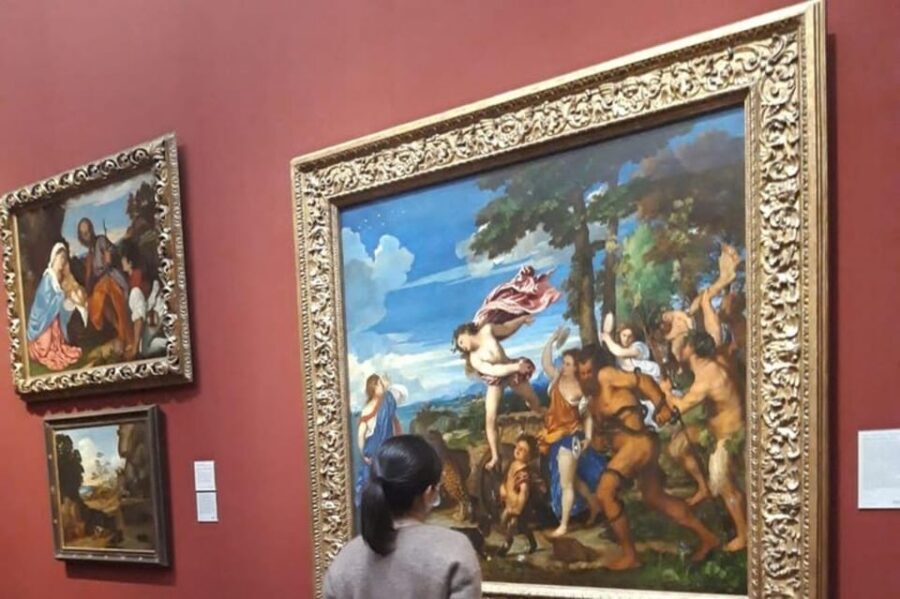
You’ll also get a tour that moves through art evolution across centuries. Expect a path that touches Renaissance, Northern Renaissance, Vedutisti, Romanticism, Impressionism, and Post-Impressionism. You don’t need to know any of these labels before you go. The guide’s job is to translate style shifts into plain language—like how brushwork, subject matter, lighting, and color choices change from one era to the next.
Here’s why that matters for you: when you understand the shift in style, the Gallery stops feeling like random masterpieces and starts feeling like a timeline. You begin noticing patterns. You’ll likely spot recurring symbols or technique choices and realize they were intentional, not accidental.
The Masterpieces: Big Names and What to Look For
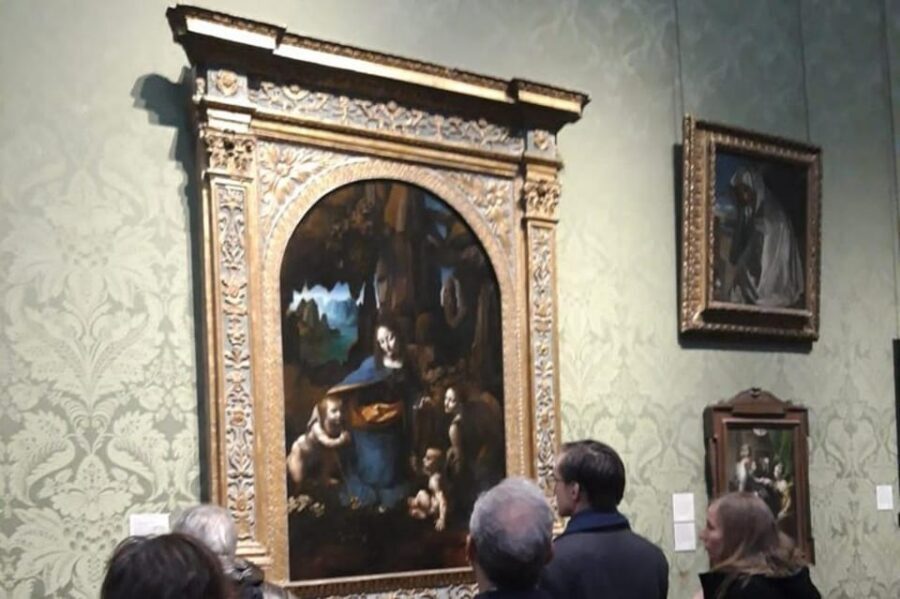
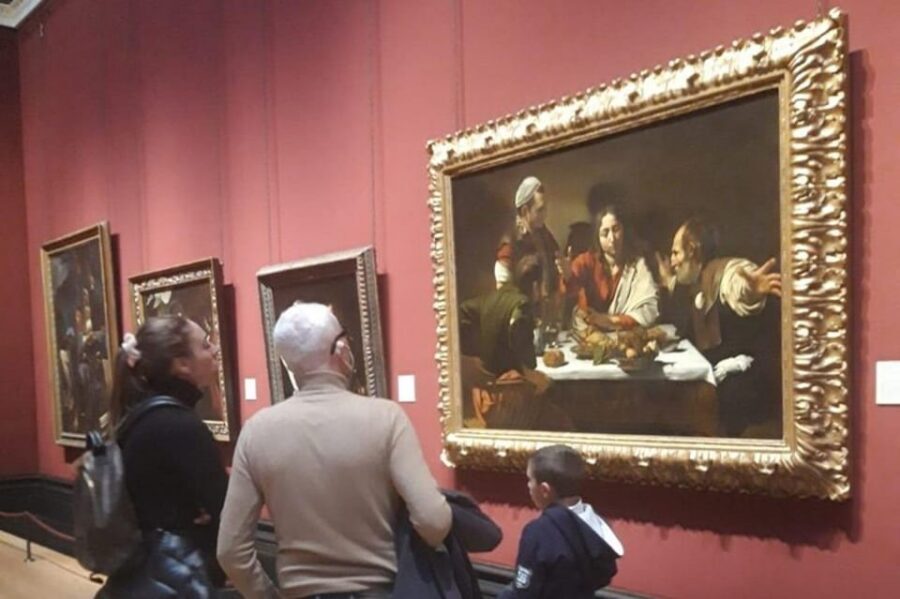
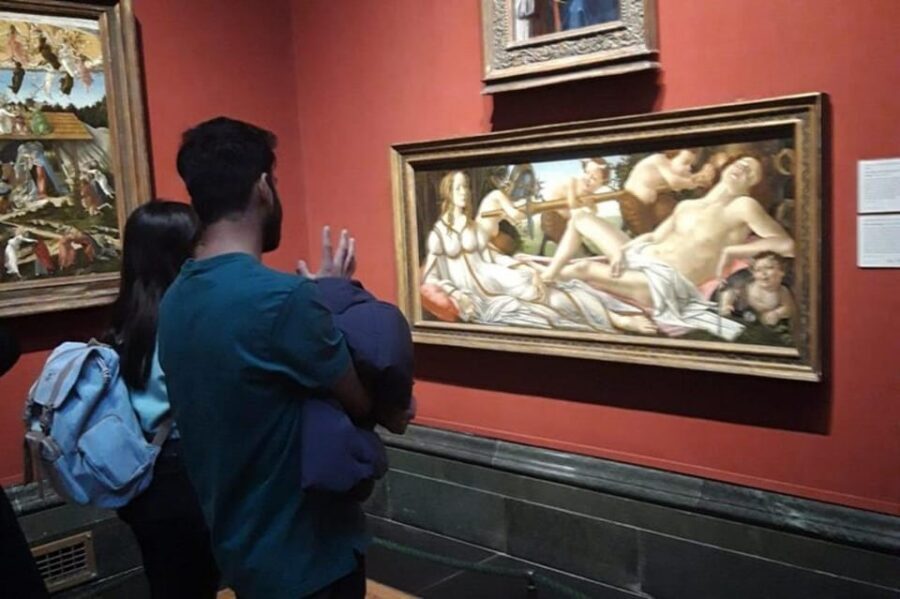
This tour focuses on the permanent collection and includes masterpieces associated with major painters. You’ll get to see works by a lineup of famous names, including Leonardo da Vinci, Raphael, Michelangelo, Van Eyck, Holbein, Botticelli, Caravaggio, Turner, Constable, Monet, Van Gogh, and Seurat.
Important detail: the tour data doesn’t list every specific painting by title. So your best strategy is not to treat this as a checklist. Instead, treat it as an guided highlight route where your guide points you toward the most relevant works for the story they’re telling across eras.
When you arrive at the first stops, listen for the guide’s framing. If they’re talking about a Renaissance work, you’ll usually get cues on proportions, realism, and how symbolism can hide in plain sight. In an Impressionism-focused moment, you’re more likely to hear about color, light effects, and why the painting looks the way it does when the artist isn’t trying to replicate every crisp detail.
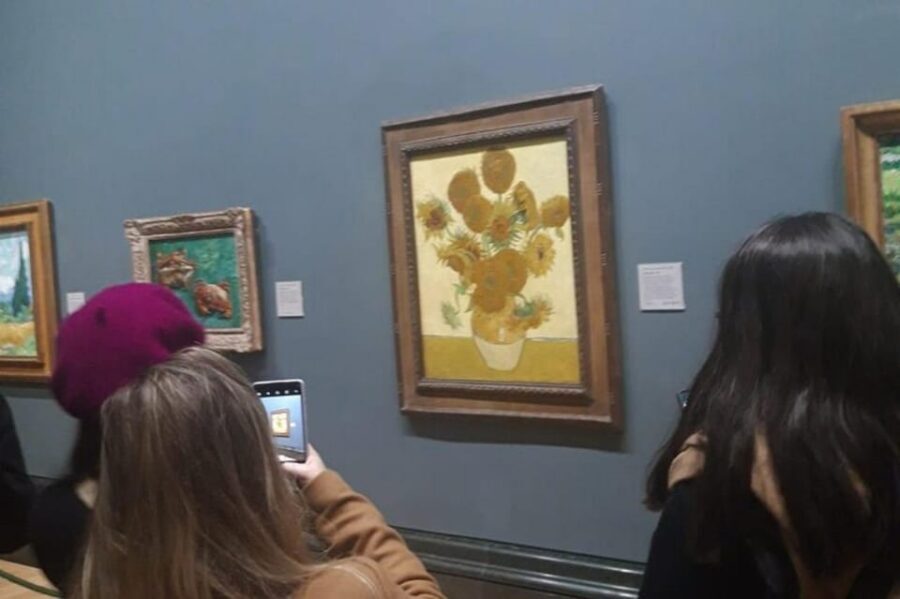
For the big names like Van Gogh or Monet, the payoff often comes from technique talk—what changed in how artists used paint and how that change matched new ways of seeing the world. That’s where a short private tour can outperform a self-guided visit. You’re not just looking. You’re learning the visual language on the spot.
Rules That Affect Comfort: No Drinks, No Flash, and Bottles Off Limits
Small rules can make or break museum flow, and the National Gallery has a few that are worth planning for.
- No drinks inside the museum. If you bring a bottle, you’ll be asked to empty it at the entrance.
- Refill is possible after security. Water fountains let you refill once you’re through the security area, so plan for that stop rather than expecting to sip inside.
- Flash photography is not allowed. You can take photos without flash, which is a practical compromise if you want to remember details later.
There’s also the backpack rule: carry backpacks in front and not behind your back. If you’re the kind of traveler who hates changing how you carry your bag, adjust your system before you arrive—keep it simple and front-friendly.
And yes: bring comfortable shoes. You’ll be standing, walking, and stopping often enough that your feet will tell you the truth faster than your brain will.
You can also read our reviews of more museum experiences in London




What’s Included, What’s Not, and How That Changes Your Expectations
This is a private tour with an expert guide and fast-track entry. You get an art-history focused experience in a guided format, and you’ll view masterpieces across multiple periods in the National Gallery’s permanent collection.
What’s not included is also useful to know. Temporary exhibitions aren’t part of this tour. If you’re specifically chasing a special show, you’ll need separate tickets or a separate plan.
Hotel pickup and drop-off are not included either. The meeting point is simply right after security, so you’ll want to plan your own route into the museum. That’s normal for this style of tour, but it affects your schedule more than you might think—especially if you’re pairing it with another London stop that’s time-sensitive.
Gratuity isn’t included, so budget a bit of flexibility for tipping if your guide delivers the kind of experience that feels worth it.
Who This Tour Fits Best (And Who Might Prefer Something Different)
This is a strong choice if you want structure with depth, but you don’t want to study art history for months first.
It fits especially well for:
- Small groups (up to 3 people). The price is per group, which can make a private visit feel more reasonable than it sounds on paper.
- First-time National Gallery visitors who want a guide to connect the dots from era to era.
- People who care about technique and meaning, like how artists used symbols or built visual impact through composition.
- Wheelchair users and mobility-limited visitors, since the tour is wheelchair accessible.
It may be less ideal if your main goal is to see one or two ultra-specific works and you’re willing to spend extra time searching for them on your own. In a two-hour format, the guide follows a route that best tells the story across periods. That means you might not catch every single painting you’re thinking of.
It’s also not set up for unaccompanied minors, so if you’re traveling with kids, check how your party structure fits the rules.
Price That Makes Sense for Up to 3 People
The price is $168 per group for up to 3 people, with a duration of about 2 hours. When you break it down, you’re not paying for a per-person ticket plus a per-person guide. You’re paying for a private, guided experience shared by your group size.
So the real value calculation is simple:
- If you’re solo, it’s still a premium experience, but you’re paying for one person’s attention from a live guide plus fast-track entry.
- If you’re two or three, the cost spreads across a small group, and that’s when the private format tends to feel like the smartest use of your limited time.
Also, the tour is structured for efficiency: fast-track entry, meeting right after security, and a tight two-hour visit where the guide steers you. That’s part of why this price can feel fair even though it’s not a bargain.
If you like flexibility, this activity offers free cancellation up to 24 hours in advance and a reserve now, pay later option, which can reduce stress while you’re still shaping your London schedule.
Should You Book This National Gallery Private Tour?
Yes, if you want to see more than a pile of famous paintings. Book it if you like the idea of learning how artists worked—technique, symbols, and how styles evolved—without spending hours planning a self-guided route.
Choose it especially when:
- you hate waiting in lines and you have limited time
- you want a guided path through eras like Renaissance to Post-Impressionism
- you’re traveling with one or two companions and want a private experience that stays manageable
Skip or reconsider if:
- you need a specific list of named paintings in a fixed order
- you’re hoping to also cover temporary exhibitions in the same visit
- you’re okay doing some wandering and figuring out art meaning on your own
If your goal is to leave with a clearer view of how the National Gallery tells its story, this private, fast-track format is a very practical way to get there.
FAQ
How long is the National Gallery private tour?
It lasts 2 hours.
Do I get fast-track entry?
Yes. You’ll use fast-track entry with a separate line for prebooked tickets.
Where do we meet the guide?
You meet right after the security checks.
What languages is the live guide available in?
The live tour guide is available in Italian and English.
What’s included in the tour price?
The tour includes a private guide, fast-track entry, expert art-history insights, and viewing masterpieces from the National Gallery’s collection.
What should I bring?
Wear comfortable shoes for walking.
Can I take photos?
Yes, photography without flash is allowed. Flash photography is not allowed.
Are drinks allowed inside the museum?
No. You can’t bring drinks into the museum. You may be asked to empty bottles at the entrance, then you can refill after security at water fountains.