REVIEW · LONDON
London: Natural History Museum Guided Tour
Book on GetYourGuide →Operated by Babylon Tours London · Bookable on GetYourGuide
Time travel wears a museum badge. This guided walk through the Natural History Museum turns a huge building into a readable story, starting with deep time fossils and ending with museum oddities that still make you blink twice. I love how close you get to the Dodo skeleton, and I especially like the Pompeii casts, where catastrophe becomes something you can stand inches from.
One thing to plan for: this tour has a strict no luggage policy, so pack light and expect a little walking.
In This Review
- Key highlights (the stuff you’ll remember)
- Why this Natural History Museum tour works in 2.5 hours
- Deep time start: Iguanodon teeth and Sophie the Stegosaurus
- Archaeopteryx and Darwin’s milestones: evolution in human-scale form
- Pompeii casts and the museum’s strange human details
- The Cursed Amethyst and a Giant Sequoia slice
- Guides that make a massive museum feel like one story
- Price and value: what you’re really paying for
- Practical planning: what to bring and how to avoid hassles
- Who should book this (and who might want a different plan)
- Should you book the Natural History Museum guided tour?
- FAQ
- How long is the London Natural History Museum guided tour?
- Does this tour include skip-the-line entry?
- What’s included in the price?
- Is food or drinks included?
- Can I bring luggage or large bags into the museum?
- Is the tour private or a group tour?
- Is this tour wheelchair-friendly?
Key highlights (the stuff you’ll remember)
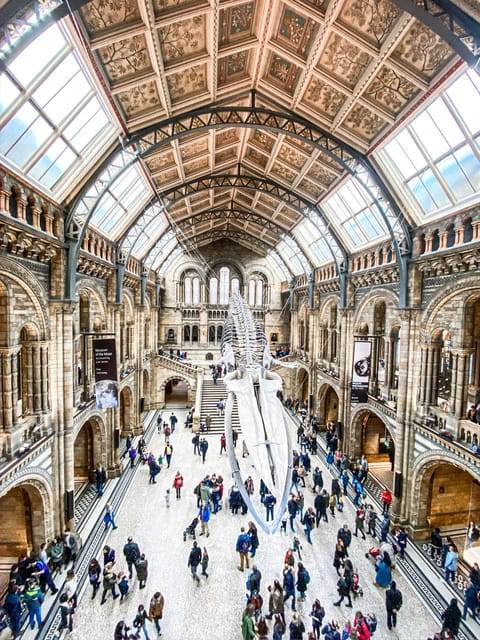
- Iguanodon teeth fossils that help you picture dinosaurs as more than movie monsters
- Pompeii plaster casts that put a real face on a volcanic disaster
- Dodo skeleton time where the extinct feels uncomfortably close
- Archaeopteryx and evolution landmarks, including a first edition of On the Origin of Species
- Cursed Amethyst and a giant Sequoia slice, for scale and strange beauty
Why this Natural History Museum tour works in 2.5 hours
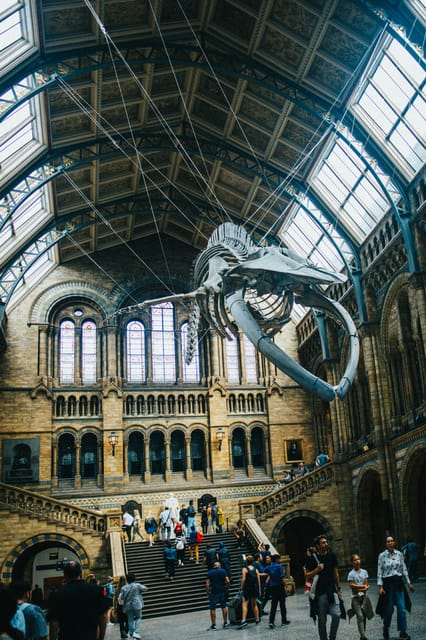
The Natural History Museum can feel like a science maze. The building is packed with about 80 million specimens, which is great… and also how you end up walking in circles with sore feet and no clear idea of what mattered most.
This tour solves that problem with a human plan. You don’t just get a list of exhibits. You get a guided path that connects the museum’s major ideas: Earth’s early beginnings, the evolution story, and the way people have used natural objects and even human remains in everyday life. And because it’s a small group (group tours cap at 8, plus private options), you can actually ask questions without shouting over a crowd.
I also like that the guide is a professional art historian. That matters more than you might think. You’re not only learning facts. You’re learning how the exhibits are presented, why certain artifacts are displayed the way they are, and how to look at specimens like clues in a much bigger puzzle.
You can also read our reviews of more guided tours in London



Deep time start: Iguanodon teeth and Sophie the Stegosaurus
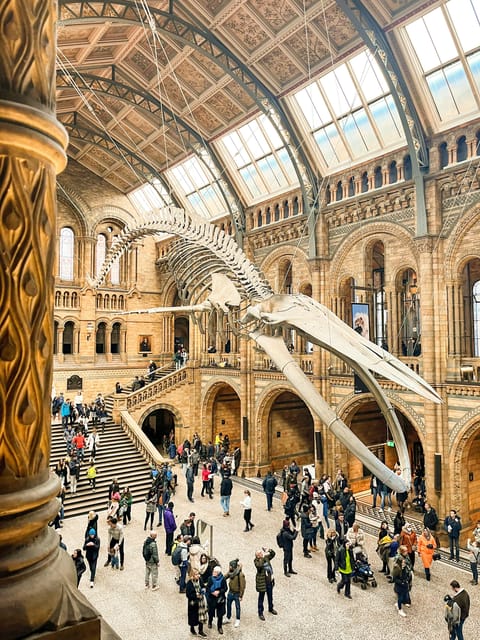
Your tour typically begins where the museum gets serious about time. You’ll move through the fossil world, with stops that act like checkpoints in the story of life on Earth.
One of the most memorable early hits is the Iguanodon teeth fossils. Teeth don’t sound glamorous, but they’re often the most useful evidence paleontologists have. Seeing them up close helps you understand how scientists piece together animals from tiny, stubborn scraps.
You’ll also meet famous dinosaur names along the way, including Sophie the Stegosaurus. Even if you already know the dinosaur shapes from books, the guided context makes it clearer: you’re not just looking at a skeleton. You’re seeing how the museum uses specimens to explain classification, anatomy, and how scientists build understanding from evidence.
The practical win here: this first stretch sets your mental map. Without it, the museum can turn into a random walk of impressive things. With it, you start recognizing patterns.
Archaeopteryx and Darwin’s milestones: evolution in human-scale form
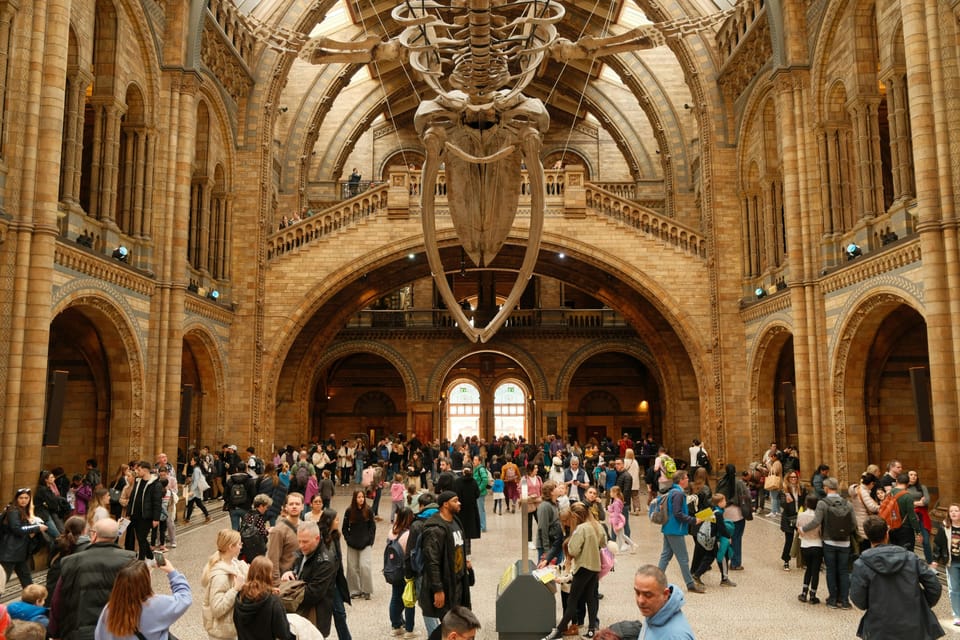
Next comes the evolution storyline, and this is where the museum can go from wow to what-does-that-mean.
You’ll get a glimpse of the rare Archaeopteryx, often described as an alleged missing link between dinosaurs and birds. The key value isn’t only that it’s famous. It’s that the guide helps you understand why people latch onto this kind of fossil: it helps bridge categories that are easy to think of as neat and separate.
Then you’ll see a first edition of On the Origin of Species. That artifact changes the tone. Dinosaurs and fossils feel like ancient science. Darwin’s book brings the story into the realm of ideas, debates, and how humans tried to explain nature with evidence.
Finally, you’ll also get close to a Dodo skeleton. The Dodo isn’t just sad-curious. It’s a reminder that extinction is not an abstract concept. Standing near it makes the evolution story feel immediate, not distant.
If you’re with kids, this section is often where the questions start flying. Guides on this tour are known for keeping an eye on both adults and children, and for answering repeatedly without making kids feel silly for asking.
Pompeii casts and the museum’s strange human details
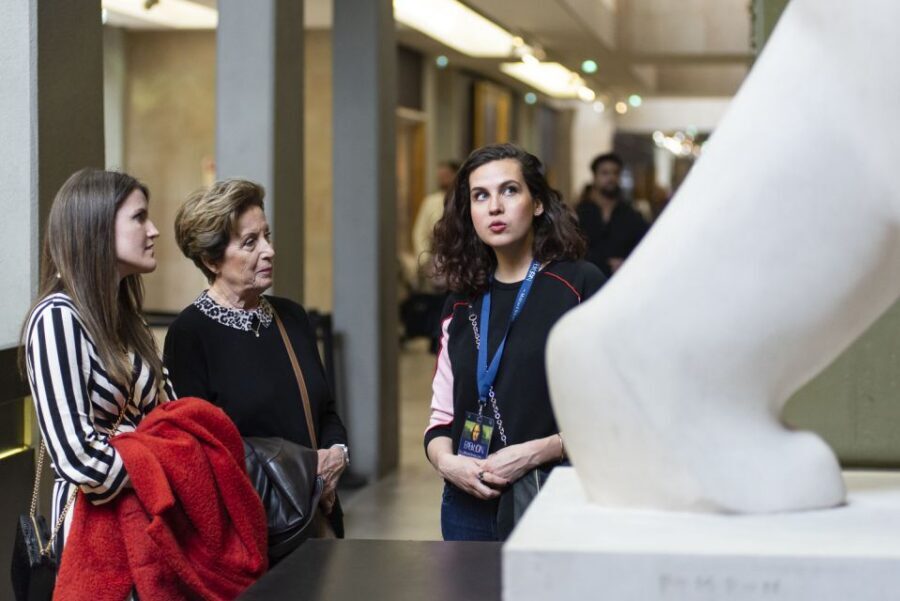
Then the tour pivots from deep science to human history—specifically, disaster history.
You’ll visit the Pompeii casts. These are the plaster molds of victims from the volcanic event. Even if you’ve read about Pompeii, seeing the casts in person hits differently. The value of a guide here is timing. You don’t just rush past something heavy. You learn what you’re looking at, and you get the historical context that makes the display understandable rather than shocking for shock’s sake.
From there, you’ll also encounter stories about people who used human skulls as drinking glasses. That part is more than a weird fact. It shows how objects move between meaning systems. In one era, something can be treated as a material curiosity or social status item. In another, it’s seen as ethically unacceptable or deeply disturbing. A guide helps you hold those tensions while still keeping the experience respectful.
This human-history segment can be emotionally intense. If you’re sensitive to morbid topics, it’s still worth knowing it’s part of the path. The upside is that you’ll have context, not just a jolt.
The Cursed Amethyst and a Giant Sequoia slice
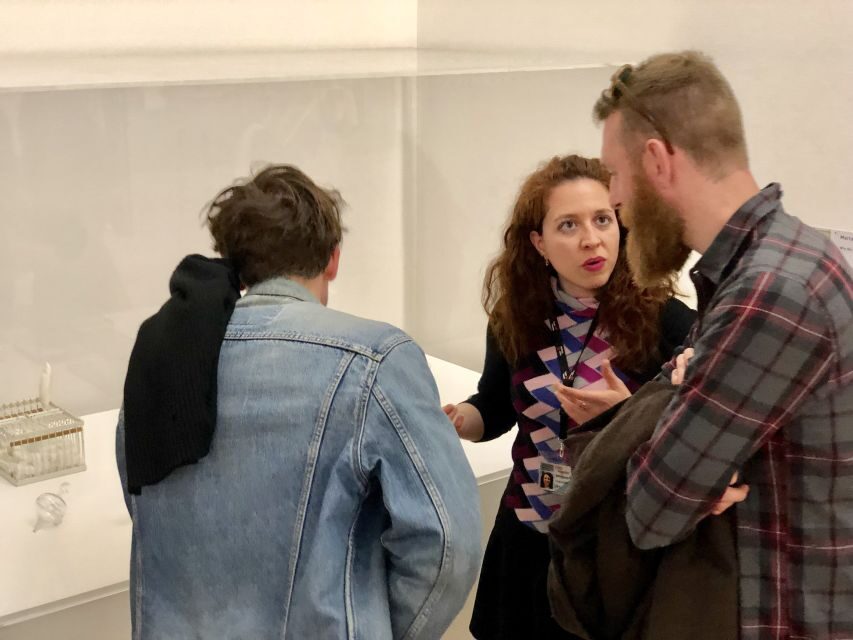
Not all the museum moments are about Earth’s past or human tragedy. Some are about feeling small and noticing scale.
You’ll stand before the Cursed Amethyst. The name alone grabs attention, but what you’ll gain is a way to look at minerals as both science and story. The guide can connect the display to how collections work, why certain objects become famous, and why people want to touch the boundary between fact and folklore.
You’ll also see an enormous slice of a Giant Sequoia tree. Tree rings, size, age, and growth become hard to keep in your head once you’re inside a room with a ceiling. This kind of object reboots your sense of time. It also breaks up the fossil-heavy rhythm, which is handy because the tour lasts 2.5 hours.
This is also a great section to slow down. If you tend to rush through museums (most of us do), give yourself permission to linger on the objects that feel bigger than your brain.
You can also read our reviews of more historical tours in London





Guides that make a massive museum feel like one story
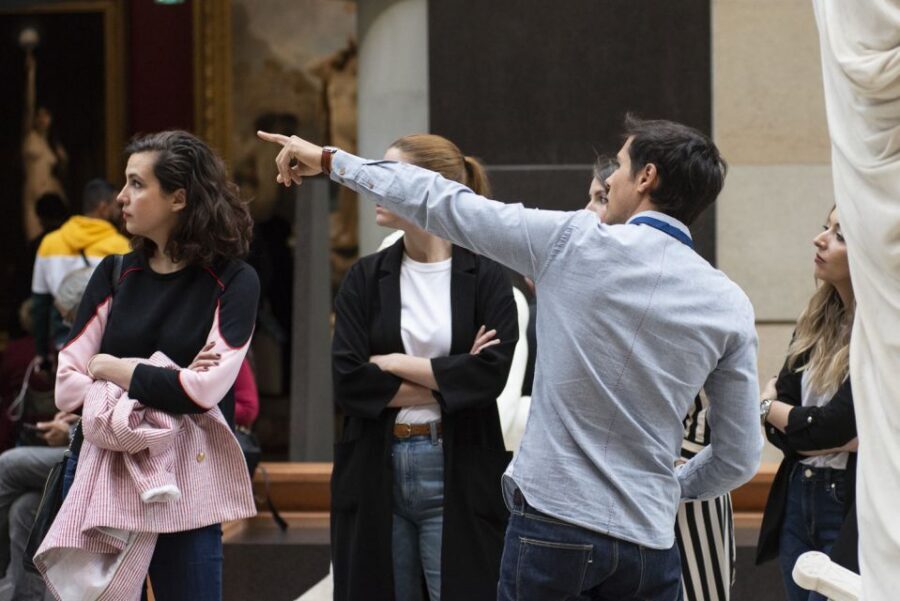
What really lifts this tour is the guide style. Multiple guides have been mentioned by name—people like Ivo, Guy V., Matilda, Laurence, Sacha, Luis, Becky, Anthony, and Craig. The consistent theme is that they don’t just recite labels. They help you follow the big picture and keep the pacing steady for different ages.
You’ll notice guides aiming for a balance:
- they explain the science without drowning you in terms
- they point out what to look at, not only what something is
- they involve children when the group includes kids, including the kind of patient answering that prevents eye-rolling
- they keep the tour moving at a pace that still leaves time to register the main artifacts
One more thing I appreciate: the tour often works well for families and first-timers because it selects a focused route. You’re not trying to win the entire museum in one afternoon. You’re leaving with the feeling that you finally understood how the museum fits together.
Price and value: what you’re really paying for
At $112 per person for a 2.5-hour tour, you’re paying for three things: time saved, a guide who steers your attention, and access help.
Skip-the-line entry is built in. In a museum that can run long queues, that alone protects your schedule. More importantly, the guide saves you from the common failure mode: spending half your tour staring at the wrong wing because you got turned around by a building designed to overwhelm.
The tour also comes with professional guidance (an art historian guide), plus the option for private or semi-private setups. Small-group format matters here because the museum’s scale is the real enemy. A bigger group means less time per person and more waiting for the pack.
If you’re the type who loves museum labels, you might still enjoy self-guided visits. But if you want the museum’s best ideas without the guesswork, this price starts to look fair. You’re buying clarity.
Practical planning: what to bring and how to avoid hassles
This is a museum tour, so the rules are mostly about security and comfort.
Bring a passport or ID card. Don’t show up with a giant suitcase and hope for mercy. Luggage or large bags aren’t allowed, and only handbags or small thin bag packs pass security. If you want a smoother day, wear comfortable shoes and bring a small day bag you can keep under control.
There’s also a small amount of walking. Two and a half hours doesn’t sound like much until you’re moving through a crowded museum with multiple floors and lots of standing. Pace yourself. Take a breather during the mineral and tree sections, where you’ll naturally slow down.
Finally, be aware that museums can have occasional closures without much warning. If a closure delays the museum opening by more than an hour from your tour start time, you’ll get an appropriate alternative. Refunds aren’t offered in those cases, so it’s smart to keep your schedule flexible.
Who should book this (and who might want a different plan)
This tour fits best if you:
- want a focused, high-impact museum experience rather than wandering
- are traveling with kids who ask questions you can’t answer on the fly
- like evolution, fossils, and that mix of science plus weird human stories
- want the museum’s highlights explained in plain language with good pacing
It’s also a solid choice for a first visit, because you’ll leave with a mental map of how the collections relate.
It may not be ideal if you:
- need wheelchair access. The tour is marked as not suitable for wheelchair users, though wheelchair tours are available upon request only as a private tour. If this matters to you, ask before booking and confirm the private wheelchair option.
- plan to bring large bags or luggage. The security rules are strict enough to change your entire packing strategy.
Should you book the Natural History Museum guided tour?
If your time in London is short, I’d book it. The main reason is simple: the museum is huge, and this tour turns that size into a clear story. You get major “cannot-miss” moments—Iguanodon teeth, Pompeii casts, the Dodo, Archaeopteryx, Darwin’s first edition, plus eye-catching stops like the Cursed Amethyst and the Giant Sequoia slice—all within a manageable 2.5-hour format.
Skip booking only if you’re the kind of visitor who wants full freedom to roam, at your own pace, and you already know the museum well enough to pick your route. Otherwise, this is a strong value way to see the best parts without losing your whole afternoon to museum math.
FAQ
How long is the London Natural History Museum guided tour?
The tour lasts 2.5 hours.
Does this tour include skip-the-line entry?
Yes. Skip the ticket line is included.
What’s included in the price?
You get a live English tour guide (professional art historian guide) and options for private or small groups.
Is food or drinks included?
No. Food and drinks are not included.
Can I bring luggage or large bags into the museum?
No. Luggage or large bags aren’t allowed. Only handbags or small thin bag packs are allowed through security.
Is the tour private or a group tour?
It’s offered as either a private tour or a group tour (up to 8 guests). Group tours require a minimum of 2 guests to run.
Is this tour wheelchair-friendly?
It’s marked as not suitable for wheelchair users, but wheelchair tours are available upon request only and only as a private tour.