REVIEW · LONDON
London: Natural History Museum Private Guided Tour
Book on GetYourGuide →Operated by Walkport Limited · Bookable on GetYourGuide
Dinosaurs meet real science in two hours. This private guided tour gives you a focused route through the Natural History Museum, so you get the big-name displays without wasting time wandering. It’s built for families, first-timers, and anyone who likes their awe paired with clear explanations.
I especially love how the tour centers on dinosaurs like T-Rex and Triceratops, with the story behind what they were and why they vanished. I also like the way it switches gears to the human side of discovery, introducing the men and women who changed how we understand the natural world, plus the museum’s gems, fossils, and other precious objects you can learn to look at.
One thing to consider: the tour involves walking up and down stairs. There are lifts in the museum, but if you know you’ll need them, tell your guide so the route can be planned around you.
Key points to know before you go
- Private guide, small group focus: up to 6 people, so questions don’t get lost in the crowd.
- Dinosaurs first: you’ll stand close to the big prehistoric stars like T-Rex and Triceratops.
- Science made human: the tour connects discoveries to the people behind them.
- Natural World variety: expect stops that range from towering animals to ocean speedsters.
- Fossils and minerals you can actually understand: less staring, more meaning.
- Two hours is just right: long enough to learn, short enough to feel energized.
In This Review
- A 2-Hour Private Route Through the Natural History Museum’s Best Displays
- Getting Started: East Garden Entrance, Plus an Underground Rain Plan
- The Dinosaur Segment: T-Rex, Triceratops, and Why These Fossils Matter
- From Fossil to Breakthrough: The People Behind Natural World Science
- The Museum’s Star Animals: Hope the Blue Whale and the Fastest Fish
- Fossils, Minerals, and Precious Objects: Learning How to Look
- What Makes the Private Format Feel Worth It
- Pacing and Accessibility: Stairs Are Part of the Deal
- Who This Tour Suits Best
- Should You Book This Private Natural History Museum Tour?
- FAQ
- How long is the London Natural History Museum private guided tour?
- How much does the tour cost?
- What’s included in the price?
- Are tickets for special exhibitions included?
- Where do we meet the guide?
- What’s the meeting point if it rains?
- What languages are the tours offered in?
- Is the tour wheelchair accessible?
A 2-Hour Private Route Through the Natural History Museum’s Best Displays
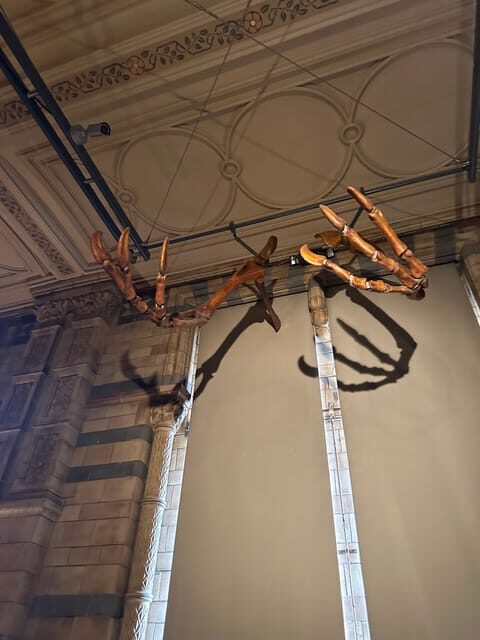
This tour works because it’s time-smart. The Natural History Museum is huge, and on your own you can end up doing lots of moving and not much remembering. With a private guide, you get a planned flow that hits the moments most people came for, then adds the explanations that make those moments stick.
In two hours, you’re not trying to see everything. You’re getting a concentrated sampler of what makes this museum famous: dinosaurs, the diversity of life, and the physical evidence of Earth’s past—fossils, minerals, and museum treasures.
If you like learning, this is the good kind of structure. If you just want to enjoy yourself, it still feels relaxed, because the guide can shape what you linger on. A guide who knows the museum and stays flexible makes a real difference here, and the tour is offered in English and French.
Getting Started: East Garden Entrance, Plus an Underground Rain Plan
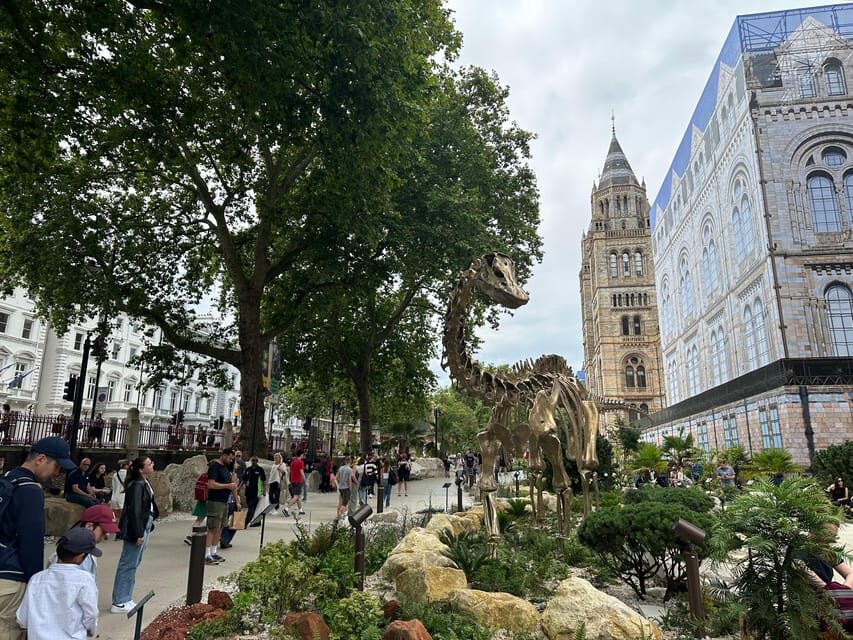
You’ll meet at the east side entrance to the museum’s garden, at the crossing of Cromwell Road and Exhibition Road. Look for the guide with an Excellent Walks of London sign.
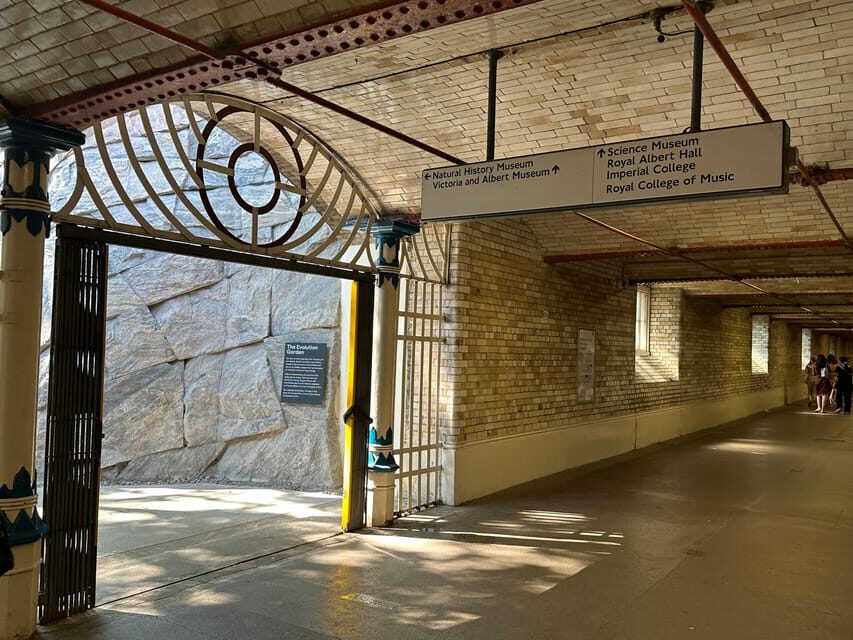
If London weather does its usual thing, you’re covered. There’s a tunnel route from South Kensington Tube that leads to the museum area. The guide will wait for you at the Natural History Museum exit, which is also the east entrance to the garden—but underground. That matters because it saves you from the classic scramble of “Where did everyone go?” in the rain.
Practical tip: wear shoes you like. Even in a two-hour tour, you’ll be moving through galleries and changing levels.
You can also read our reviews of more guided tours in London



The Dinosaur Segment: T-Rex, Triceratops, and Why These Fossils Matter
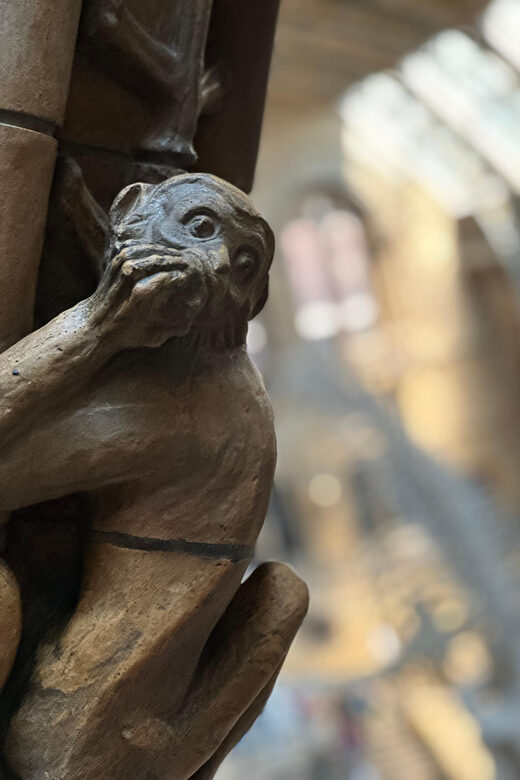
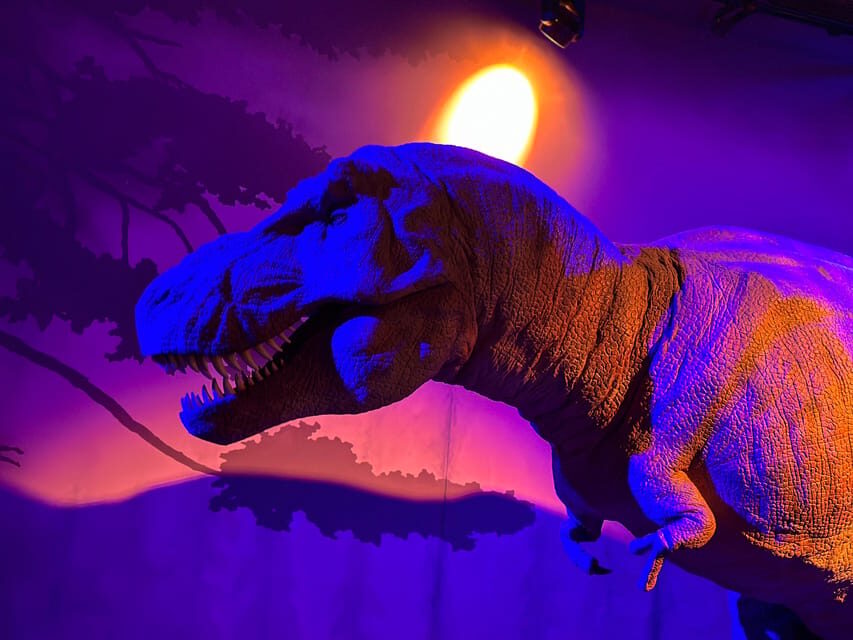
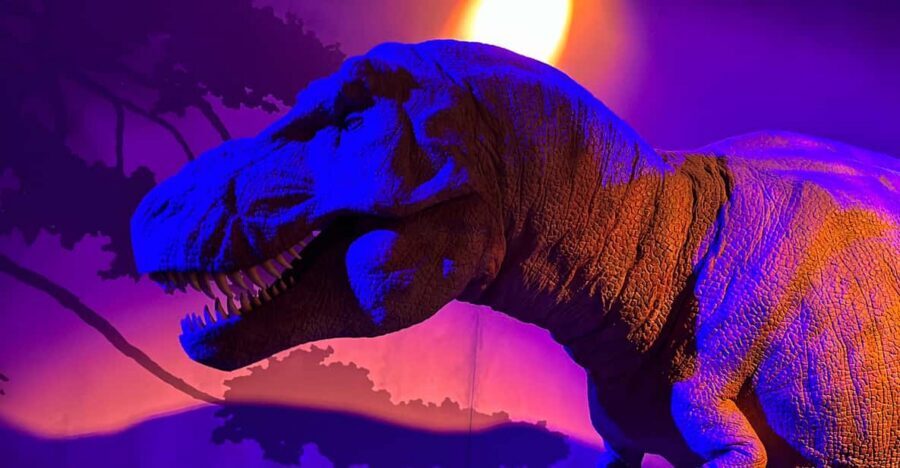
The tour’s first big emotional hit is the “terrible lizards” section—dinosaurs. You’ll stand in awe of giants like T-Rex and Triceratops, but you won’t just stare at skeletons and pose for photos. The guide connects what you’re seeing to how scientists interpret the past.
Here’s what I think makes this part work so well: dinosaurs are famous, but the details are what turn fame into understanding. A good guide helps you notice the clues—what different dinosaur body shapes suggest about movement, feeding, and survival strategies. You also get the story of their reign and eventual extinction, so the display becomes a timeline rather than a spooky science prop.
One nice aspect is that this segment gives you a shared starting point. Everyone in your group—kids, teens, skeptical adults—gets the same anchor. Then the tour can branch out into broader themes of evolution and Earth’s changing systems.
If your group includes kids, this is the section that keeps attention. If your group includes adults who think they’ve “seen dinosaurs already,” this is where you can still be surprised—because the emphasis is on explanation, not just spectacle.
From Fossil to Breakthrough: The People Behind Natural World Science
After dinosaurs, the tour shifts from creatures to creators. You’ll uncover revolutionary ideas that changed understanding of the natural world and meet the men and women who made history in science.
This is one of my favorite parts of guided museum visits: it turns facts into a story. Museums can sometimes feel like they’re presenting conclusions only. Here, the guide helps you understand how knowledge gets built—through observation, comparison, collecting, and rethinking what came before.
You may notice that this approach makes the museum feel less like a vault and more like a workshop. Suddenly, fossils and minerals aren’t just objects. They’re evidence used to test ideas.
If you’re the type who likes a museum visit to feel relevant—like it connects to how we think today—this “science people” emphasis is where you’ll feel it most.
And a small extra: there’s real value in asking questions here, because the guide can connect the displayed objects to the larger scientific questions they answered.
The Museum’s Star Animals: Hope the Blue Whale and the Fastest Fish
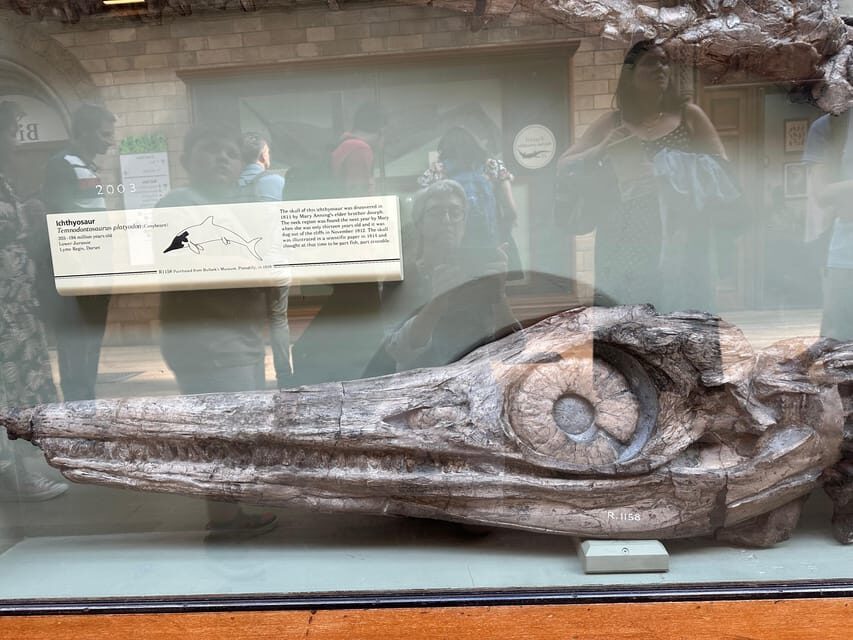
Next comes a broader sweep of life on Earth. The tour talks about the dazzling diversity of organisms, from towering animals like giraffes to the ocean’s speedsters.
One standout described in the tour experience is Hope, the blue whale. That’s a display that naturally earns quiet awe, but the guide’s job is to help you interpret what you’re seeing—so it becomes more than just scale. You’re getting context for why certain animals are placed where they are and how the museum uses these comparisons to show life’s variety.
The mention of the fastest fish is also important, even if you don’t know the species name ahead of time. The guide uses it to push the idea that life isn’t just different—it’s adapted. Different bodies, different survival strategies, different ways to move through air, land, and water.
This segment is great for mixed ages. Kids often latch onto the animal shapes and size comparisons. Adults often latch onto the logic of adaptation and the way the museum organizes the story of life.
Fossils, Minerals, and Precious Objects: Learning How to Look
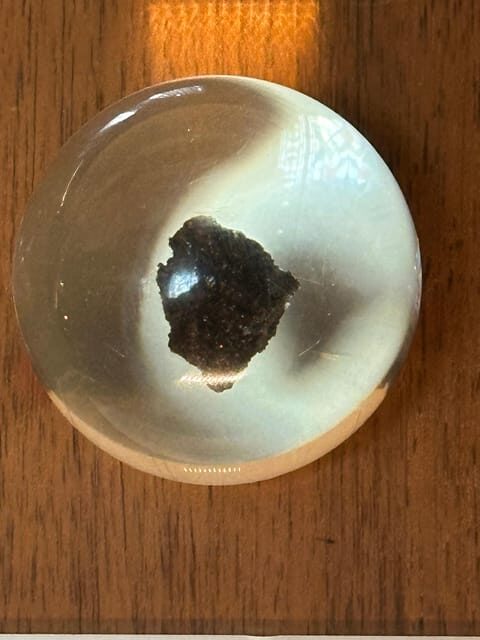
The tour doesn’t stop at animals and skeletons. You’ll also discover treasures and precious gems—literally—and you’ll spend time around fossils and minerals.
This is where museum guidance turns from optional to useful. Fossils and crystals can look like eye candy if you don’t know what you’re trying to notice. With a guide, you can learn the language of the displays: what makes a specimen scientifically valuable, what the materials reveal about age or formation, and why scientists care about these textures and forms.
Even if you’ve never taken a geology class, you can still enjoy this part because it’s taught as observation. You start looking at edges, layers, and features that you would normally walk past. That changes how the whole museum feels. Instead of a collection of impressive things, it becomes a system of evidence.
This is also a good section to ask practical questions, because guides can explain how researchers and the museum interpret objects. And if you’ve got a curious kid or a friend who loves rocks, you’ll be glad you came with someone who can translate.
You can also read our reviews of more private tours in London




What Makes the Private Format Feel Worth It
Let’s talk value, because this tour isn’t trying to be the cheapest museum hour. It’s priced per group (up to 6 people) for a private guide and museum entry.
The math is simple: if you fill the group size, your cost per person can drop a lot compared to paying for an individual-style guided experience. Even if you don’t hit the full six, you’re still buying something important: attention. In a museum, attention is what you really run out of when you go on your own.
A private guide also makes the experience feel more like a shared conversation than a one-way lecture. That’s backed up by what stands out in the tour feedback: guides are flexible, they know the museum, and they bring relevant topics without losing the thread. One review highlighted Hélène specifically, praising her generous knowledge and the fact that the tour felt truly fascinating.
You’ll likely enjoy the tour most if you like asking questions. But even if you don’t, the guide’s explanations will keep you from drifting into the common museum problem: seeing a lot, but retaining little.
Pacing and Accessibility: Stairs Are Part of the Deal
You will walk up and down stairs during the tour. It’s not described as a fully step-free experience. The good news is that lifts are available in the museum, and if you need the lift, you should let your guide know so they can organize the itinerary accordingly.
This matters for two reasons. First, it affects where you can comfortably move through galleries. Second, it affects how long you spend resting versus walking. If you prefer to take it slower, a private guide can often adjust the rhythm more easily than a larger group tour.
Practical tip: if you’re traveling with anyone who has mobility needs, mention it before the tour starts rather than trying to solve it mid-route.
Who This Tour Suits Best
This tour fits people who want a museum visit with direction. It’s especially good for:
- Families who want dinosaurs plus structure, not a time-consuming self-guided marathon
- Visitors seeing the Natural History Museum for the first time and want the key highlights
- Curious adults who like science explanations and enjoy the human side of discovery
- Groups of up to six who want a private experience without paying for separate guides
If you’re the type who loves wandering freely and you already know the museum layout, you might not need a guide. But if you want the museum to make sense—fast—this is a strong way to do it.
Should You Book This Private Natural History Museum Tour?
If your goal is to get real learning in a short visit, I’d book it. Two hours is the right length for turning big displays into memorable stories. You’ll get dinosaurs like T-Rex and Triceratops, the blue whale display featuring Hope, and the kinds of fossils and minerals that feel much more meaningful once someone explains what you’re seeing.
Book this tour if:
- You want a private guide and a small group experience
- You’d rather learn the “why” than just view the “what”
- You’re traveling with kids or family who will benefit from focused pacing
Skip it (or consider a lighter plan) if:
- You plan to spend most of your day in the museum and want zero structure
- Everyone in your group is happiest with independent wandering and no guided explanations
- You’re expecting the tour to be fully step-free without adjustments (because stairs are part of the route)
Overall, this is a smart way to experience the Natural History Museum without losing time—or getting stuck in the “cool, but what did I just see?” feeling.
FAQ
How long is the London Natural History Museum private guided tour?
The tour duration is 2 hours.
How much does the tour cost?
It costs $134 per group, up to 6 people.
What’s included in the price?
The price includes a private guide and entrance to the museum.
Are tickets for special exhibitions included?
No. Tickets for special exhibitions are not included.
Where do we meet the guide?
Meet at the east side entrance to the museum’s garden, at the crossing of Cromwell Road and Exhibition Road. The guide will have an Excellent Walks of London sign.
What’s the meeting point if it rains?
There’s a tunnel from South Kensington Tube to the museum. The guide will wait for you at the Natural History Museum exit, which is also the east entrance to the garden but underground.
What languages are the tours offered in?
The live tour guide speaks English and French.
Is the tour wheelchair accessible?
Yes, the tour is wheelchair accessible. The tour involves stairs, but lifts are available in the museum. If you need the lift, let the guide know so they can organize the itinerary.