REVIEW · LONDON
London Private Jewish History, Synagogues and Holocaust Tour
Book on GetYourGuide →Operated by Rosotravel UK · Bookable on GetYourGuide
London can feel like a blur. This walk turns it into a story you can follow.
What makes this tour interesting is the way it connects street corners to people: expulsions and anti-Jewish violence, but also the times the community grew, built institutions, and made culture right here in London. You’ll also be working with a licensed guide who tailors the pace and focus to your interests, so the experience feels more like a conversation than a lecture.
I really like two things about this tour. First, the private format means you can steer the day. In past groups, guides such as Hamish and Ian were praised for adjusting the walk to what people wanted to learn and for keeping the mood comfortable and safe. Second, you get both the architectural anchors and the neighborhood context, from Bevis Marks Synagogue to the streets around Old Spitalfields Market and Sandy Row Synagogue.
One thing to consider: this is a walking tour with moderate distance and some uneven ground or steps. It runs in rain or shine, so you’ll want comfortable shoes and to dress for weather. If mobility is a concern, the guide can adapt your pace, but it’s still worth going in prepared.
In This Review
- Key highlights you should know
- Starting at Tower Hill Memorial: the East End story begins with a warning
- What you learn while walking: synagogues, soup kitchens, Yiddish culture
- Bevis Marks Synagogue: an exterior that still carries weight
- Old Spitalfields Market streets: where immigrants built community
- Sandy Row Synagogue: perseverance you can point to
- The 4-hour option at the Imperial War Museum: handling the hardest content with context
- The guide makes the difference: Hamish and Ian set a high bar
- How long is enough? choosing between 2 hours and 4 hours
- Price and value: what $298 buys you in real terms
- Walking distance, weather, and getting around without stress
- Languages and accessibility: options that help you plan
- Quick practical tips before you go
- Should you book this private Jewish history tour?
- FAQ
- Where does the tour start?
- What is the walking distance and difficulty?
- What’s included in the 2-hour tour versus the 4-hour tour?
- Do you need public transport for the 4-hour version?
- What languages are available for the guide?
- Is the tour wheelchair accessible?
Key highlights you should know
- Tower Hill Memorial to early Jewish life: a powerful start linked to refuge and imprisonment in the 12th–13th centuries
- Bevis Marks (exterior only): see the oldest Jewish place of worship in the UK, tied to the Sephardic community since 1701
- Spitalfields streets and Old Market area: learn how everyday Jewish life shaped work, culture, and activism
- Sandy Row Synagogue: a clear faith and perseverance landmark in the neighborhood
- Optional 4-hour Holocaust visit: Imperial War Museum Holocaust Galleries with free entry (plus provided public transport tickets)
- Small private group and tailored pacing: focus stays on what you care about, with guides reported as attentive to comfort and safety
Starting at Tower Hill Memorial: the East End story begins with a warning
Your tour meets at the Tower Hill Memorial near Tower Hill (GW5C+RX), London EC3N 4DH. The key detail: wait by the entrance to the gardens on the left side. It’s an easy enough meeting point, and getting oriented here helps you launch into the wider East London narrative.
Tower Hill is more than a landmark on the map. It’s where you’ll hear how Jewish life in England was shaped by both moments of hope and periods of harsh backlash. The tour frames this opening around the 12th–13th centuries, when Tower Hill could function as refuge for Jews at times, and also as a prison in other moments. That contrast is the tone-setter for the rest of the walk.
You’ll also get stories about expulsion and anti-Jewish violence, along with examples of how the community still managed to thrive during certain periods. I like tours that don’t pretend history is a straight line. This one starts by showing the messy, human reality.
You can also read our reviews of more private tours in London



What you learn while walking: synagogues, soup kitchens, Yiddish culture
Once you’re moving, the guide’s job is to connect “what you see” with “what it meant.” The East End had Jewish institutions and businesses that served real daily needs, and you’ll hear how that looked in the 19th and 20th centuries.
Expect the conversation to cover themes like synagogues, soup kitchens, Yiddish theaters, and kosher shops. Even if you don’t spot a sign for every one of those today, you’ll understand why they mattered and how they shaped community life. That’s the value of having a guide who can give you context instead of just pointing at buildings.
This is also a good time to tell your guide what you want more of. If you’re interested in religion and community institutions, focus that conversation early. If you want social history, steer toward daily life and culture. The tour is designed to be customized to your interests, and guides have been noted for responding to requests.
Bevis Marks Synagogue: an exterior that still carries weight
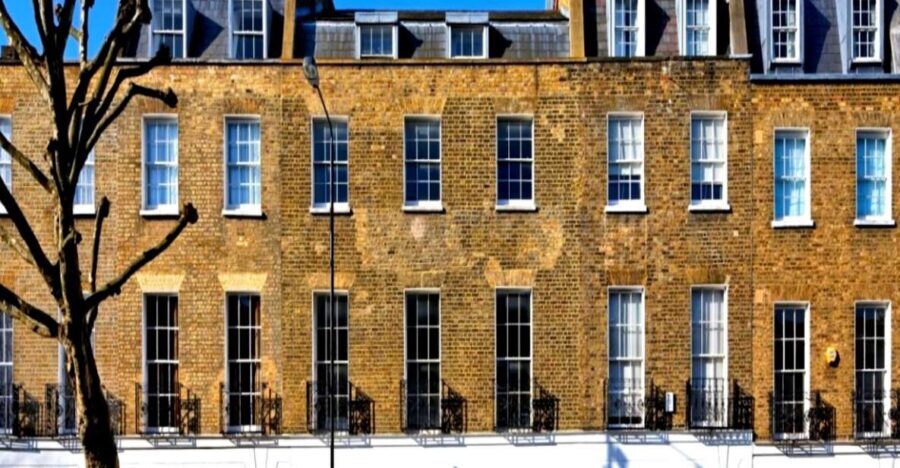
Next up is Bevis Marks Synagogue, and there’s an important detail: you’ll see it from the exterior only. That might sound limiting, but it still works well here because Bevis Marks isn’t just another synagogue. It’s the oldest Jewish place of worship in the UK, and it has been central to the Sephardic Jewish community since 1701.
Seeing a historic building from the outside can be surprisingly powerful when you know what to look for. The guide can help you read the place as a landmark of continuity, not just a photo stop. You’ll learn how this community held on to traditions while living in a country that repeatedly changed the rules around them.
This stop also gives you a rhythm break. After a longer walk and earlier, heavier themes, standing at Bevis Marks gives the story a different kind of energy: endurance.
Old Spitalfields Market streets: where immigrants built community
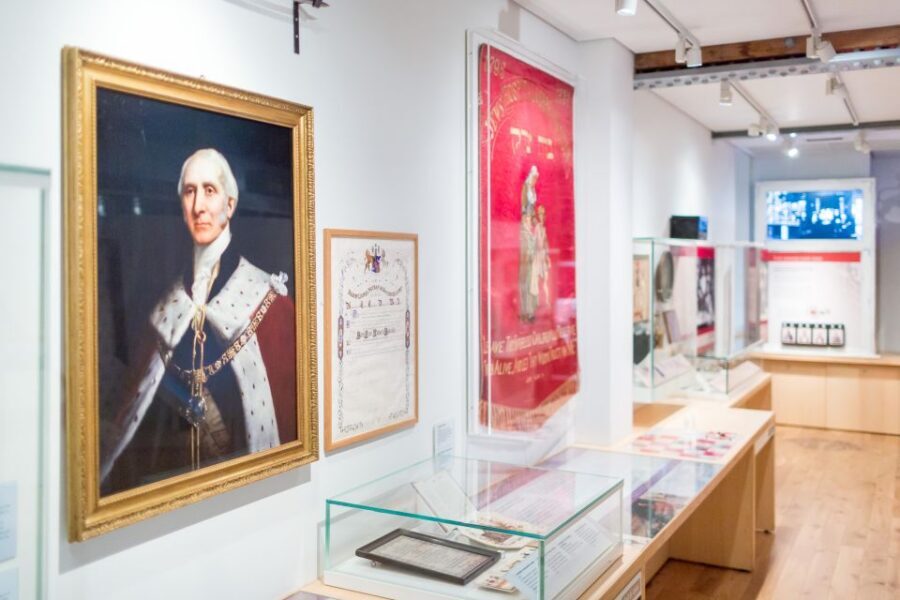
From Bevis Marks, you’ll head toward Spitalfields, focusing on the streets around Old Spitalfields Market. This area is where you can really picture the waves of Jewish immigrants who made the neighborhood their home over generations.
The tour emphasizes more than dates and names. It ties the neighborhood to practical life: where people worked, how community networks formed, and how activism and business could exist in the same space. In other words, it’s not just a heritage trail. It’s a map of how a community organized itself.
You might notice that the tour keeps pulling you back to resilience. That theme isn’t said once and forgotten. It comes back in different forms as you move.
Sandy Row Synagogue: perseverance you can point to

Another key stop is Sandy Row Synagogue, presented on the itinerary as a symbol of faith and perseverance. This is the kind of place where a guide’s storytelling changes what you feel standing there.
Rather than treating synagogues as distant monuments, the tour frames them as working landmarks of identity. You’re seeing a faith space, but you’re also learning why that mattered so much to people who faced recurring threats and restrictions.
If you’re the type who likes structure in a tour, Sandy Row works well as a “marker stop” between themes. It gives you a clear reference point before the itinerary shifts toward the Holocaust option (if you booked the longer day).
You can also read our reviews of more historical tours in London






The 4-hour option at the Imperial War Museum: handling the hardest content with context
If you book the 4-hour version, you add a visit to the Imperial War Museum’s Holocaust Galleries. The tour includes free admission to the galleries, and you’ll also receive public transport tickets so you’re not scrambling for how to get there.
This isn’t a casual addition. The focus is the Holocaust’s impact, and the galleries cover persecution across Europe, including stories connected to ghetto life and concentration camps. You’ll learn about personal experiences of some of the approximately 6 million Jewish victims.
A practical heads-up: museum visits can be emotionally intense, even when you’re prepared. The best way to handle it is to treat your time there like part of the tour story, not like an extra chore. Stay aware of your own pace. If you need a short break, your guide can adapt to your group.
The fact that this tour provides transport tickets is a real quality-of-life improvement. It means less time planning and more time learning.
The guide makes the difference: Hamish and Ian set a high bar
A big reason people rate this tour highly is the guide experience. In reviewed bookings, guides such as Hamish and Ian were singled out for strong storytelling and responsiveness.
What stood out in feedback wasn’t just that the guide knew facts. It was how they used those facts: narration that stays engaging, the ability to adjust when someone asks a question, and the confidence to change the walk based on group needs. Safety and comfort also came up. That matters because this tour includes uneven surfaces or steps, and you don’t want a guide sticking to a schedule that’s ignoring how your body is doing.
Another detail that helps: communication before the tour so the meetup is smooth. When you’re starting at a memorial with clear directions, you want the handoff to be easy.
If you want a tour where you can ask questions without feeling rushed, this setup is made for that.
How long is enough? choosing between 2 hours and 4 hours
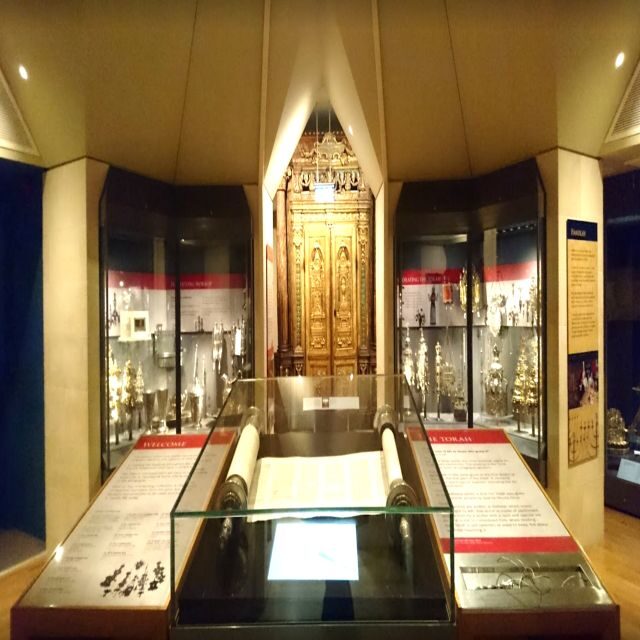
The tour comes in 2-hour and 4-hour versions, and the difference is more than just time on the clock.
The 2-hour walk is built around the East London Jewish heritage sites: you start at Tower Hill Memorial, head through the themes of early Jewish presence and community life, then move to Bevis Marks (exterior only) and the Spitalfields / Sandy Row area. You leave with a strong sense of place and a clear sense of how Jewish life developed in London.
The 4-hour option adds the Holocaust Galleries at the Imperial War Museum. If you want the trip to include both neighborhood history and its darkest twentieth-century chapter, this version fits. It also gives you time to travel there without making it feel like a scramble.
Price-wise, the longer option is effectively adding museum entry and guided transport support. For many people, that’s the difference between seeing “a few sites” and feeling the full emotional arc of the topic.
Price and value: what $298 buys you in real terms
At about $298 per person, this tour sits in the private-tour category, which usually means you’re paying for time and attention.
Here’s how I think about value for this specific experience:
- Private guide time: You get a licensed guide, not a lecture for a big crowd. That makes it easier to ask questions and shift focus.
- Targeted locations: The stops aren’t random. They connect to core landmarks like Tower Hill Memorial, Bevis Marks, and Sandy Row.
- Optional museum inclusion (4-hour): Holocaust Galleries entry is included, plus public transport tickets are provided.
If you’re traveling as a couple, a small group, or as someone who learns better through conversation than through audio guides, paying for privacy tends to make sense. If you’re the type who hates walking and wants lots of sitting, this might feel more intense than you expect.
Walking distance, weather, and getting around without stress
The route is described as a 2.5 to 3.5 km walking tour. That’s not a marathon, but it’s not a stroll either. You should expect some uneven surfaces or steps, and the guide will adapt the pace.
It runs rain or shine. London weather is not a myth, so bring the right layers and footwear. If you’re wearing fashion shoes, this is your sign to change plans.
For the 2-hour version, you’ll be mainly walking in the area. For the 4-hour version, you’ll use public transport to reach the Imperial War Museum, and the tour provides the needed tickets. That’s a practical win. You won’t need to figure out fares or routes mid-day.
Also note the group setup: it’s a private group, typically small (1–25 guests per guide). If there are more people, additional guides join. That helps keep the experience from getting lost in logistics.
Languages and accessibility: options that help you plan
The tour offers live guides in several languages: English, French, Italian, Spanish, German, Russian, Polish, Japanese, and Chinese. If language matters for you, this is a strong point.
On accessibility: the tour is listed as wheelchair accessible, and the guide will adapt the pace. Still, because there are uneven surfaces or steps, it’s smart to be specific about your needs ahead of time. If you know you’ll need flatter routes or more pauses, you’ll get better results telling the provider early.
Quick practical tips before you go
A few small choices can make the tour feel smoother:
- Wear comfortable shoes for walking and uneven bits.
- Dress for rain or shine since the tour runs in all weather.
- Bring a question or two you actually care about. The guide can tailor the content.
- If you book the 4-hour version, plan for an emotional museum visit as part of your day, not as an add-on.
Also, keep an eye on your email the day before the tour for important details from Rosotravel. That helps avoid last-minute confusion about how your day will run.
Should you book this private Jewish history tour?
If you want a guided walk that connects major Jewish London sites with neighborhood context, I think you’ll like this. The private format makes it easier to ask questions, and the guides described in feedback like Hamish and Ian have earned praise for being responsive and for adjusting to group needs.
Book the 2-hour option if you want a focused East London route centered on Tower Hill, Bevis Marks (exterior), and the Spitalfields / Sandy Row area. It’s a strong way to understand how Jewish community life took shape in London.
Book the 4-hour option if you want the Holocaust chapter included, with Imperial War Museum Holocaust Galleries and free entry, plus transport support. It’s heavier content, but you’ll have more time and structure to take it in.
Only skip it if you strongly dislike walking or know uneven surfaces and steps will be a problem for you. Otherwise, this is the kind of tour that turns London from background noise into a story with names, places, and meaning.
FAQ
Where does the tour start?
Meet your guide in front of the Tower Hill Memorial at Tower Hill GW5C+RX, London EC3N 4DH. You should wait by the entrance to the gardens on the left side.
What is the walking distance and difficulty?
It’s a moderate 2.5–3.5 km walking tour that may include uneven surfaces or steps. The guide will adapt the pace to your group. Comfortable shoes are a must.
What’s included in the 2-hour tour versus the 4-hour tour?
The 2-hour tour covers Jewish heritage sites in East London and does not include the Holocaust Galleries. The 4-hour tour includes a visit to the Holocaust Galleries at the Imperial War Museum, with free admission.
Do you need public transport for the 4-hour version?
Yes. The 4-hour itinerary uses public transport to reach some sites, and the tour provides the necessary public transport tickets.
What languages are available for the guide?
The tour offers live guides in English, French, Italian, Spanish, German, Russian, Polish, Japanese, and Chinese.
Is the tour wheelchair accessible?
The tour is listed as wheelchair accessible, and the guide will adapt the pace. Since the route can include uneven surfaces or steps, it’s smart to share your needs in advance.